Hollywood has never been particularly good at telling women what they’re capable of. The industry’s default setting, for much of its history, has been to slot actresses into whatever role the system imagined for them – the ingénue, the love interest, the supporting player – and to treat any ambition beyond that as overreach. A surprising number of women took that skepticism personally. In the best way possible.
What’s striking about the four actresses below isn’t just that they succeeded. It’s that they succeeded by refusing to accept the terms being offered. Each one looked at a door that wasn’t opening and decided to build something instead. The results speak for themselves.
Salma Hayek – Eight Years to Make “a Movie Nobody Wanted to Do”
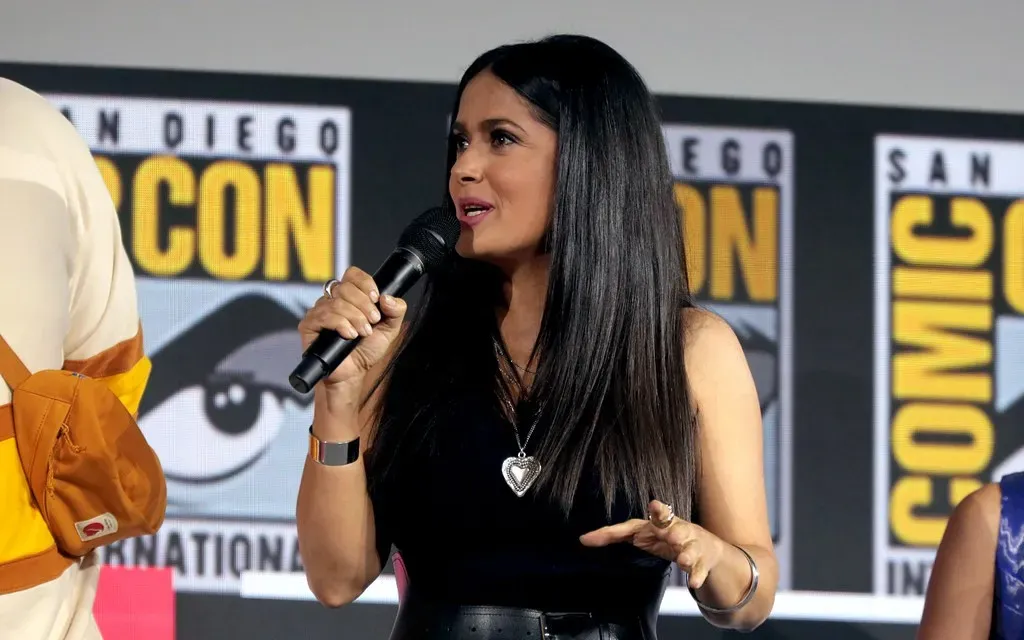
It took Hayek eight years to get the 2002 biopic Frida made – a film she described as one “nobody wanted to do.” She personally negotiated the rights to Frida Kahlo’s paintings, approached Alfred Molina backstage at a Broadway play to recruit him for the role of Diego Rivera, and secured distribution by bringing the project to Harvey Weinstein and Miramax. Throughout her early career, Hayek recounts being told her dream was impossible – that Mexican actresses in Hollywood could only portray, in the blunt words she recalls hearing, “hookers and maids.”
Hayek had to sue producer Harvey Weinstein for breach of contract before filming began, as he threatened to replace her with another actress despite the fact that she had brought the project to him with an agreement that she would produce and star in the film. He made impossible demands, including that she raise ten million dollars and find an A-list director – all of which she met in order to move forward. Her perseverance paid off. She earned the best reviews of her career for her portrayal of Kahlo and received an Academy Award nomination. The film went on to earn six Academy Award nominations and two Oscars.
Margot Robbie – From Frustrated Actress to Billion-Dollar Producer
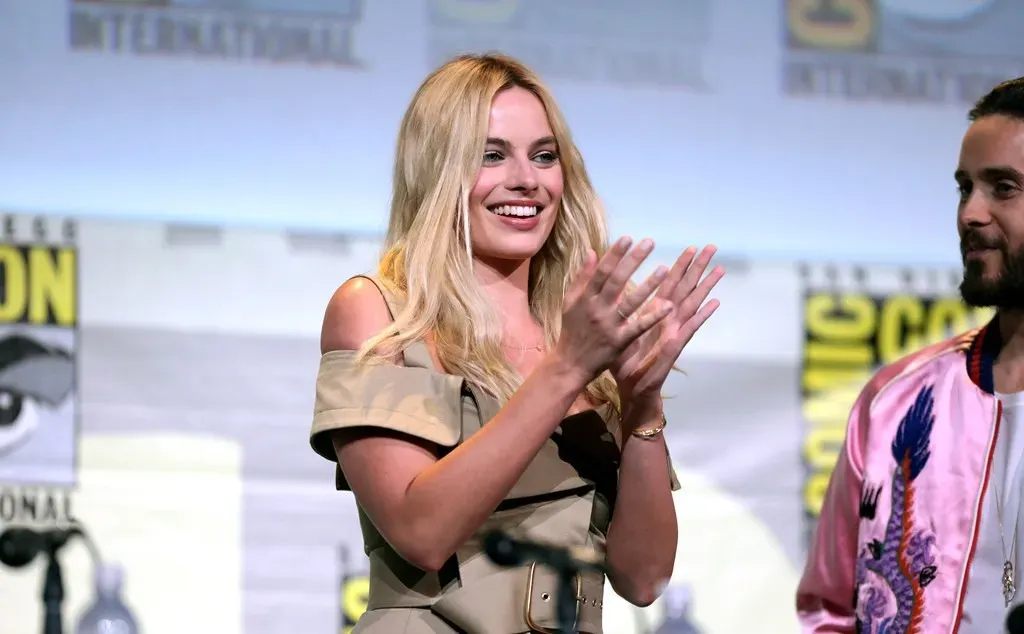
A decade before she became Barbie, Margot Robbie noticed a persistent imbalance in the scripts she was reading – her eyes kept drifting to the male lead. Sensing a gap in the market for female leads, she took matters into her own hands alongside friends Sophia Kerr, Josey McNamara, and now-husband Tom Ackerley. Together they built a powerhouse movie production company, LuckyChap Entertainment, with the goal of making stories for and by women. LuckyChap’s first film, I, Tonya in 2017, turned into a smash hit grossing more than 58 million dollars at the box office on a comparatively low budget of just 11 million dollars.
Partner offer
The company’s biggest production, Barbie, grossed over 1.4 billion dollars worldwide, becoming the highest-grossing film of 2023. LuckyChap has described itself as a company that aims to promote female stories from female storytellers, stating that they are filling a gap caused by gender inequality in the film industry. The film was also nominated for eight Academy Awards, including Best Picture. After that success, LuckyChap signed a multi-year, first-look feature film deal with Warner Bros. to collaborate on future projects.
Reese Witherspoon – When Frustration Becomes a Business Plan
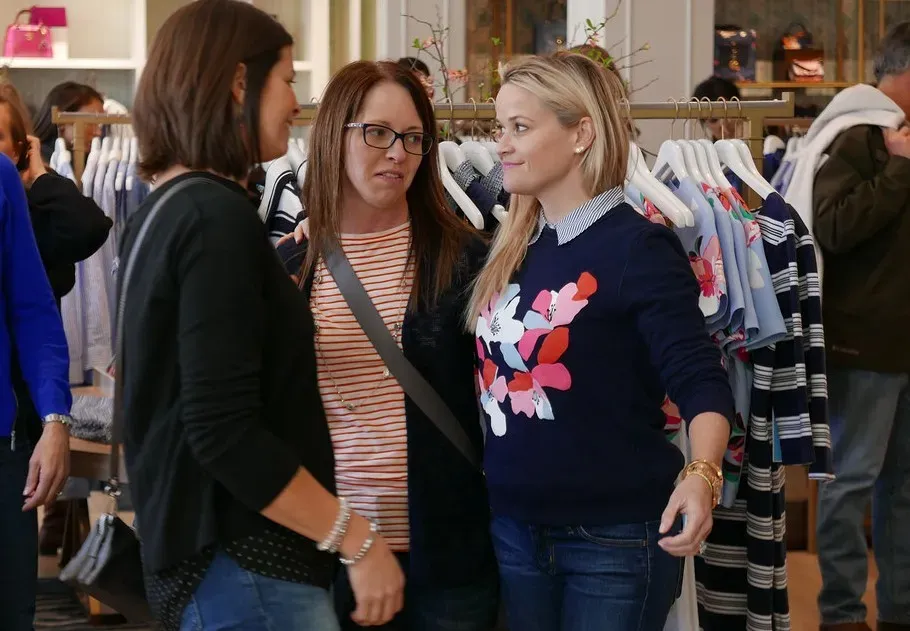
By 2011, after two decades in the business, Witherspoon noticed a disturbing lack of quality scripts featuring strong female leads. When her agent informed her that all actresses were competing for just two stereotypical parts, she decided to take matters into her own hands – and a direct inquiry with studio executives confirmed that few movies with female leads were being developed at all. In 2012, she founded production company Pacific Standard with the specific goal of producing projects with strong female lead characters, as she felt this was conspicuously lacking in Hollywood.
Before Hello Sunshine, Witherspoon co-founded Pacific Standard, producing acclaimed projects such as Wild, Gone Girl, and HBO’s Big Little Lies, which collectively earned multiple Oscar nominations and over 600 million dollars at the box office. In August 2021, Witherspoon sold a majority stake in Hello Sunshine to a Blackstone-backed venture for around 900 million dollars – a milestone that validated the company’s mission and demonstrated the commercial viability of female-centered content. Even with that track record, early on she recalled facing repeated skepticism: after success after success, people still questioned whether her results were a fluke.
Meryl Streep – Dismissed, Then Defined the Gold Standard
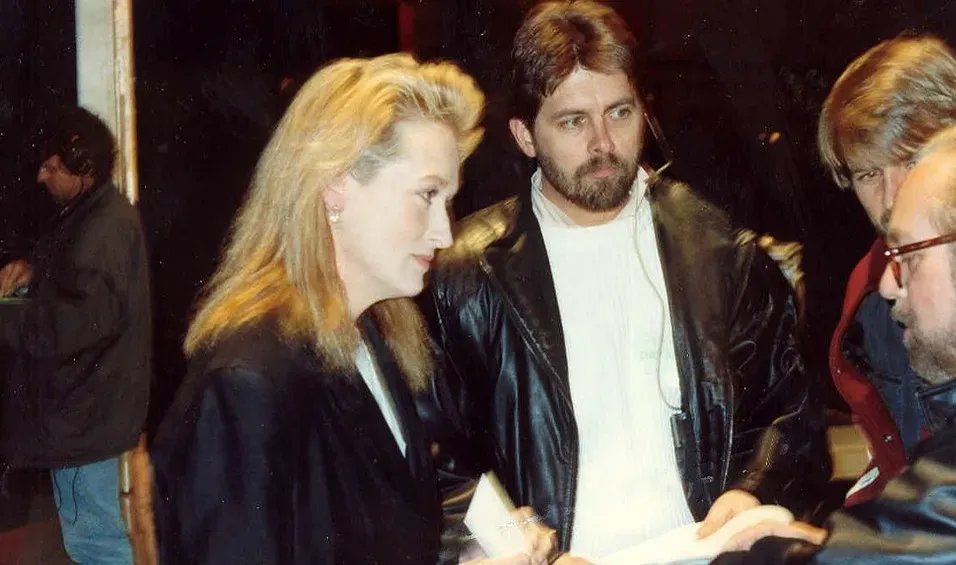
Early gatekeepers dismissed Streep as not right for major film roles, including being passed over in the King Kong casting process. Another producer dismissed her as unattractive when she auditioned opposite Dustin Hoffman. She walked out and never looked back. Rather than reshaping herself to fit an industry that couldn’t quite see what it was looking at, she trusted her own instincts about the kinds of roles and characters worth committing to.
Streep went on to earn a record 21 Academy Award nominations, winning three times. Her ability to disappear into characters made her the gold standard for acting, and her face became synonymous with brilliance rather than beauty pageants. The dismissals that could have ended her career before it started ended up being irrelevant. Beyond acting, her work as a producer and her advocacy for women’s rights highlight a commitment to creating change within the film industry and the broader social landscape – a legacy that long outlasted the opinions of the gatekeepers who once turned her away. The pattern across all four of these careers is the same: the moment the industry’s confidence in them ran out was precisely the moment they found their own. That turns out to be a far more durable foundation than waiting for permission.
Partner offer
Planning a trip to Vegas?
Compare hotel rates and show tickets on VEGAS.com.