The Oscars have a long and complicated relationship with legacy. Some wins feel inevitable in hindsight, the kind of performances that seem to crystallize an actor’s entire career into a single, undeniable moment. Others, however, slip through the cracks in ways that still baffle critics and film historians decades later. What the Academy recognizes often reflects who its members were at the time, which genres they took seriously, and which performances fit their prevailing idea of what “good acting” looked like. The result is a recurring pattern of overlooked work that only grows more glaring as time passes. These five performances are among the most discussed, most defended, and most mourned in that long catalogue of missed opportunities.
Denzel Washington in Malcolm X (1992): A Snub That Still Stings

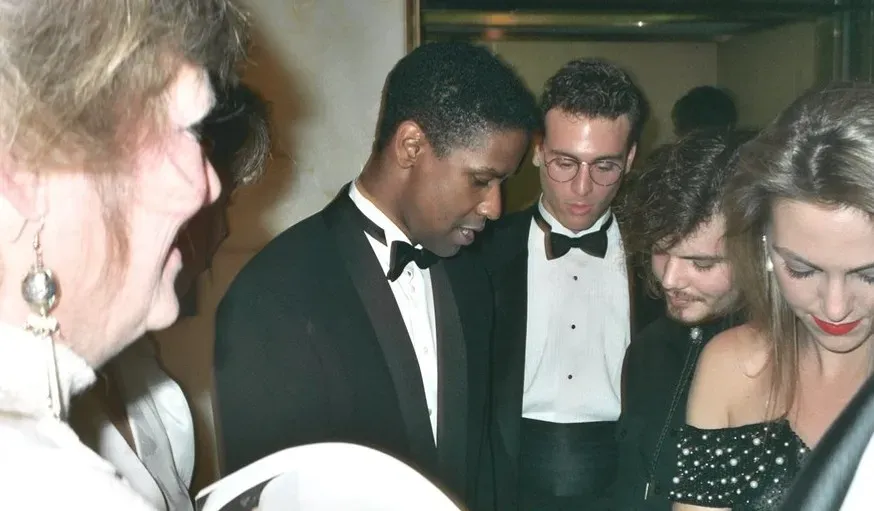
Not only did Washington give an outstanding performance as the title character in the epic biographical drama Malcolm X, but he truly inhabited the role of the trailblazing African-American activist. This was a film that set a new standard for biographical dramas as Washington powerfully depicted the revolutionary leader Malcolm X through his early years promoting Black empowerment right through to his devastating assassination.
Washington’s loss at the 1993 Oscars is widely regarded as one of the Academy’s most significant oversights. His portrayal of the civil rights leader was transformative, emotionally powerful, and historically important – a role many consider among the greatest performances of the decade. While Al Pacino won that year for “Scent of a Woman,” his award was largely seen as a career recognition after years of nominations without a win. Washington was able to capture multiple stages of a figure’s life, fully embodying each version of Malcolm X throughout the film, and gradually developing and maturing his performance alongside the character in a way that few decades-spanning epics have accomplished in the same way.
Martin Sheen in Apocalypse Now (1979): The Most Catastrophic Snub

Martin Sheen’s performance as Captain Willard is without question the most catastrophic snub in the near-century history of The Academy of Motion Picture Arts and Sciences. Sheen’s character is introduced mid-breakdown as a soldier whose humanity is so lost that he is incompatible with civilian life, leaving war as the only place that feels like home. The film’s psychological force flows directly from his disintegration and search for the vile Col. Kurtz.
These performances were either overlooked or undervalued in their time by Academy members, but time and distance have since given them undeniable cultural significance. Sheen never received a single nomination for the role. As the years go by, more and more snubs get added to the already massive list, serving as a reminder that sometimes the Oscars do a better job at capturing consensus than anticipating legacy. These performances are central to some of the most memorable films ever made, and it is time, not trophies, that often clarifies significance.
Toni Collette in Hereditary (2018): Horror’s Greatest Injustice

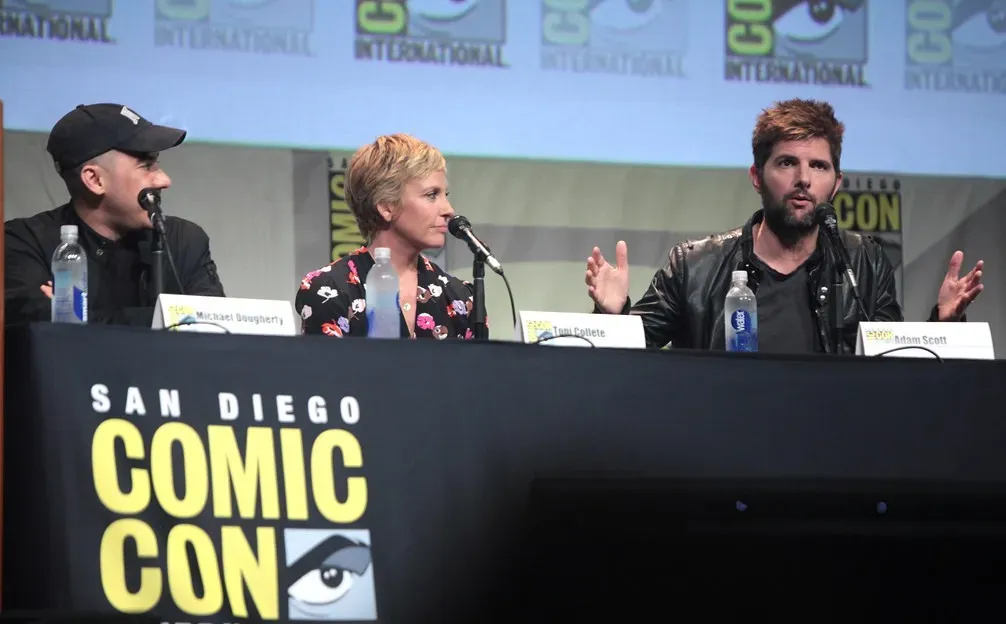
Toni Collette delivers arguably the most emotionally devastating performance of the 21st century in Ari Aster’s Hereditary. As usual, with the Academy’s typical omission of horror films, it missed the mark with one of our great actresses in their prime, pulling out all the stops and swinging like a heavyweight, grounding the film’s horror in agonizing human pain.
The horror acting snub that still frustrates critics is Toni Collette for Hereditary. Before the nominations had been revealed in 2019, even non-horror fans were ready to give Collette a slot in the Best Actress category. Collette didn’t earn a BAFTA or Golden Globe nomination either, but she did get nominated and even won several critics’ awards, so there was always a possibility. The consensus among film critics remains firm: this was one of the finest performances of its decade, in any genre.
Adam Sandler in Uncut Gems (2019): Comedy’s Most Dramatic Proof of Concept

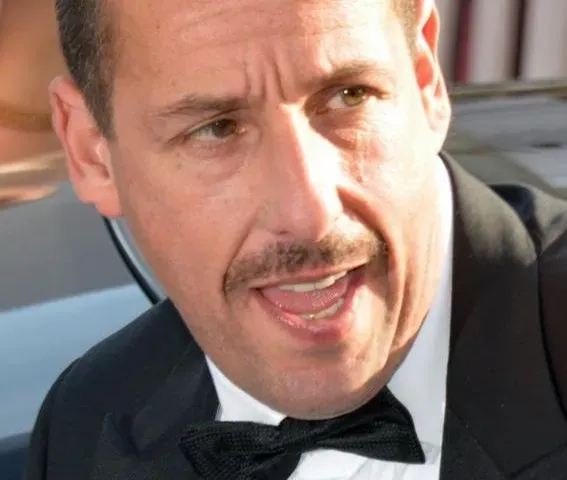
In 2019, Sandler starred in the crime thriller Uncut Gems, directed by Josh and Benny Safdie. Sandler played Howard Ratner, a jeweler and gambling addict who is deep in debt, owing thousands of dollars to a loan shark and other people. To pay his debts, he purchases an expensive gem he plans to sell for $1 million, but that only brings a lot more trouble.
Sandler’s performance in Uncut Gems is widely regarded as his best role and many predicted he would get an Oscar nomination – and instead, it became one of the biggest snubs of the year. Uncut Gems was a critical and commercial success, grossing $50 million against a $19 million budget, and has a 91% critics score on Rotten Tomatoes. Sandler openly talked about his exclusion, insinuating that if he wasn’t going to be recognized for doing hard work, he’d just default to doing the easy stuff. It was a rare moment when a comedian proved, beyond all reasonable doubt, that he belonged in a completely different conversation.
Bill Murray in Rushmore (1998): The Comedy Bias, Confirmed

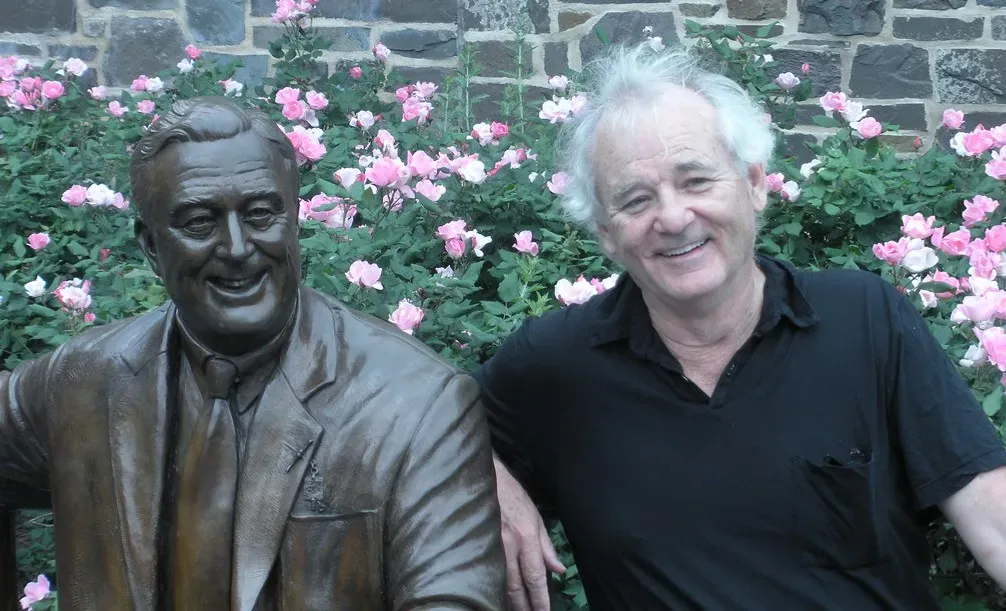
Bill Murray lost out on Best Actor for “Lost in Translation” to Sean Penn. The indefensible snub from the Academy, however, was the lack of even a nomination for his career-defining performance in “Rushmore.” That Geoffrey Rush’s performance in “Shakespeare in Love” got recognized ahead of Murray’s incredible work either proves that comedians have no chance at the Oscars.
Perhaps it was Oscar’s usual bias against comedy, but the Academy repeatedly ignored performances where actors made things look effortless. It’s possible the charming work in question made things look too easy – Oscar voters like to see their winners sweat. Murray’s quiet, melancholic turn as Herman Blume in Rushmore remains one of the most critically beloved performances of the late 1990s, a restrained study in loneliness and longing that only grew in stature with time. It is the kind of acting that rarely announces itself, which is perhaps exactly why the Academy never came calling.
A Pattern the Academy Has Never Fully Escaped

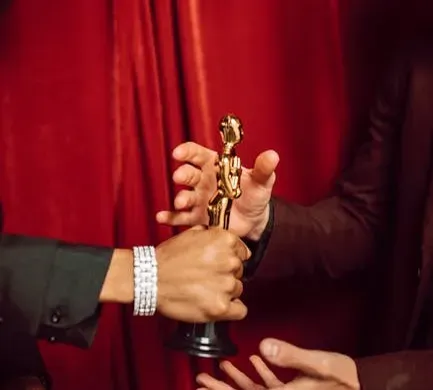
The award show is less of a final record and more of a snapshot of taste in a single moment in time. What the Academy recognizes often reflects who its members were at the time, which genres they took seriously, and which performances fit their prevailing idea of what “good acting” looked like. Horror, comedy, and politically charged work have historically faced the steepest climbs.
While the Academy Awards are still subject to some major biases and gaps in representation, they remain the most prestigious form of recognition within the film industry. The acting categories, in particular, have become symbolic of talent, and Oscar nominations and wins are often used as a form of grand title placed in front of those actors’ names in all their future performances. What these five performances share is not obscurity – they are discussed constantly, cited by critics, and championed by filmmakers. Their absence from the winners’ podium says less about their quality and more about the limitations of a single night’s judgment.