
There’s something deeply unsettling happening inside the very school districts that parents fight hardest to live in. The ones with the glossy performance reports, the award-winning programs, the top test scores. Teachers are leaving. Not just the struggling schools in under-resourced communities, but the ones you’d least expect. Classrooms once staffed by experienced, passionate educators are now cycling through replacements at an alarming pace.
The reasons are complicated, layered, and honestly a little infuriating. This isn’t just about money, though money is absolutely part of it. It’s about dignity, workload, student behavior, a broken pipeline, and a profession that has quietly been gutted from the inside. Let’s dive in.
A Crisis Hiding in Plain Sight


Most people assume teacher shortages only happen in underfunded, struggling schools. That assumption is dangerously wrong. Persistent teacher shortages affect all types of districts, from rural to urban, and all states small to large. The shiny exterior of a top-rated district doesn’t insulate it from the same forces pulling teachers away everywhere else.
A 2025 analysis of state-level data found that nationally, roughly one in eight of all teaching positions were left vacant or filled by teachers not fully certified for their assignments. Think about that for a second. One in eight. In schools your kids are sitting in right now. For the 2024 to 2025 school year, nearly two thirds of public schools reported a lack of qualified candidates, while a similar proportion said there were too few candidates applying.
Attrition comprises about ninety percent of annual teacher demand and drives many of the shortages we see today. Less than one fifth of teachers leaving their profession are retiring; other leavers cite reasons like pursuing other careers, needing a higher salary, and dissatisfaction with teaching or their specific position. The problem isn’t retirement. It’s people walking away mid-career.
The Burnout Epidemic Nobody Wants to Talk About


Here’s the thing: teacher burnout has become so normalized that it barely makes headlines anymore. But the numbers are staggering. According to a 2024 RAND survey of nearly 1,500 public K-12 teachers, fifty-nine percent of public school teachers said they experience frequent job-related stress, while nearly one in five show chronic symptoms of depression. That’s not a profession. That’s a mental health crisis wearing a lanyard.
Compared with comparable working adults, about twice as many teachers reported experiencing frequent job-related stress or burnout and roughly three times as many teachers reported difficulty coping with job-related stress. It’s as if the job has been quietly redesigned to exhaust the people doing it. In 2025, researchers at the University of Missouri surveyed around 500 public school teachers and found that seventy-eight percent have thought about quitting their profession since the pandemic.
A 2024 survey found that more than a third of middle and high school teachers said burnout and mental health issues were among their top challenges going into 2025, driven primarily by overwhelming workload, administrative tasks, and classroom management. Those aren’t vague complaints. They are specific, systemic failures.
The Pay Gap That Makes Everything Worse

Let’s be real about money. Teachers know they’re not going to get rich. Most accept that trade-off going in. But what’s happening now goes far beyond a modest salary. Teachers reported working nine hours per week more than comparable working adults, approximately fifty-three hours per week compared with forty-four, but they reported earning about eighteen thousand dollars less in base pay on average. More hours, less money. That equation would drive anyone toward the exit.
New data shows that on average, teachers make roughly a third less than other college-educated workers. This isn’t a minor gap. It’s a chasm. Only about a third of teachers considered their base pay adequate, compared with roughly half of comparable working adults. Teachers desired roughly sixteen thousand dollars more in base pay, on average, to consider their pay adequate.
Teachers in states where collective bargaining is required reported earning an average of about eighty-one thousand dollars, which is roughly twenty-seven percent more in base pay than teachers in states where bargaining is prohibited, where teachers report an average of about sixty thousand dollars. The zip code a teacher works in has enormous consequences for their financial security.
Student Behavior: The Issue Everyone Tiptoes Around

Honestly, this might be the most underreported piece of the entire puzzle. Nobody wants to say it out loud, but data confirms it repeatedly. While teacher compensation continues to be a concern for many educators, managing student behavior is the most cited issue when considering leaving the field. According to the RAND survey, while about four in ten teachers cited low pay as a cause of stress, more than half cite managing student behavior as a primary stressor.
RAND’s 2024 State of the American Teacher Survey found that managing student behavior was the most stressful part of the job, cited by nearly half of teachers. Post-pandemic classrooms face a surge in student defiance and disruptions that teachers warn is fundamentally altering the learning environment. This isn’t about being impatient with kids. This is about teachers losing hours every day to behavioral management instead of actual instruction.
If most teachers are losing at least two hours or more of instructional time each week to behavioral incidents, it is no wonder that so many students are not reaching proficient levels. The ripple effect is enormous. According to a 2023 Pew survey, nearly three quarters of high school teachers report cellphones are a major distraction in the classroom, even when there are cellphone restrictions in place.
The Workload Nobody Signed Up For

Picture this: you hired on to teach. To inspire curiosity. To change lives. Then, gradually, you find yourself buried in paperwork, data entry, compliance forms, parent emails at 11 PM, and curriculum updates that never seem to end. That’s the reality for the vast majority of today’s teachers. More than eighty percent of teachers work beyond their contracted hours, averaging ten extra hours per week, yet only half were satisfied with their workload.
According to a 2024 Pew survey of more than 2,500 public K-12 teachers, more than half say it’s very or somewhat difficult for them to balance work and their personal life. Eight in ten teachers say they don’t have enough time in their regular workday to get everything done. This is a structural failure, not a personal one.
A 2024 study by Auburn University found that if new learning platforms were introduced without removing old requirements, teachers reported higher levels of burnout. Every new technology, every new initiative, every new mandate gets layered on top of everything else. Nothing ever gets removed. The plate just keeps piling up.
The Race and Gender Dimensions Nobody Discusses Enough


The teacher shortage does not impact everyone equally. Inside the broader crisis, there are specific inequities that demand attention. Twenty-eight percent of Black teachers and twenty-three percent of Hispanic teachers say they may leave the profession, compared to fourteen percent for their white counterparts. These are not small differences. They represent a systemic problem within an already stressed workforce.
Black educators reported earning an average of four thousand four hundred dollars less than their white counterparts. White teachers reported a base salary of about seventy-three thousand dollars, while Black educators reported around sixty-eight thousand dollars. Female teachers reported significantly higher rates of frequent job-related stress and burnout than male teachers, a consistent pattern since 2021.
Black teachers were significantly more likely than white teachers to report intending to leave in 2025, consistent with findings from 2023 and 2024. Losing educators of color disproportionately harms the very students who benefit most from seeing themselves reflected in the people teaching them.
High-Poverty Schools Bear the Heaviest Burden


The dynamics of teacher flight hit hardest in specific pockets, and the consequences for students are severe. Schools serving the greatest proportion of students experiencing poverty lost nearly thirty percent of their teachers between October 2022 and October 2023, while schools with the lowest concentration of need lost only about nineteen percent. That gap is staggering and deeply unfair.
A staggering forty percent of teachers who moved to another school in the same district went to a school with fewer students living in poverty. Teachers aren’t just leaving the profession. They’re migrating within it, toward easier circumstances. In other words, teachers are willing to take a pay cut if it means working in a school they perceive to be easier to teach in.
Students from lower-income backgrounds and students of color often have the most limited access to certified and experienced teachers. Schools with the highest concentrations of students of color are four times as likely to employ an uncertified teacher compared to schools with the lowest concentrations. The compounding disadvantage for these students is a genuine moral emergency.
The Shrinking Pipeline Is a Slow-Motion Disaster

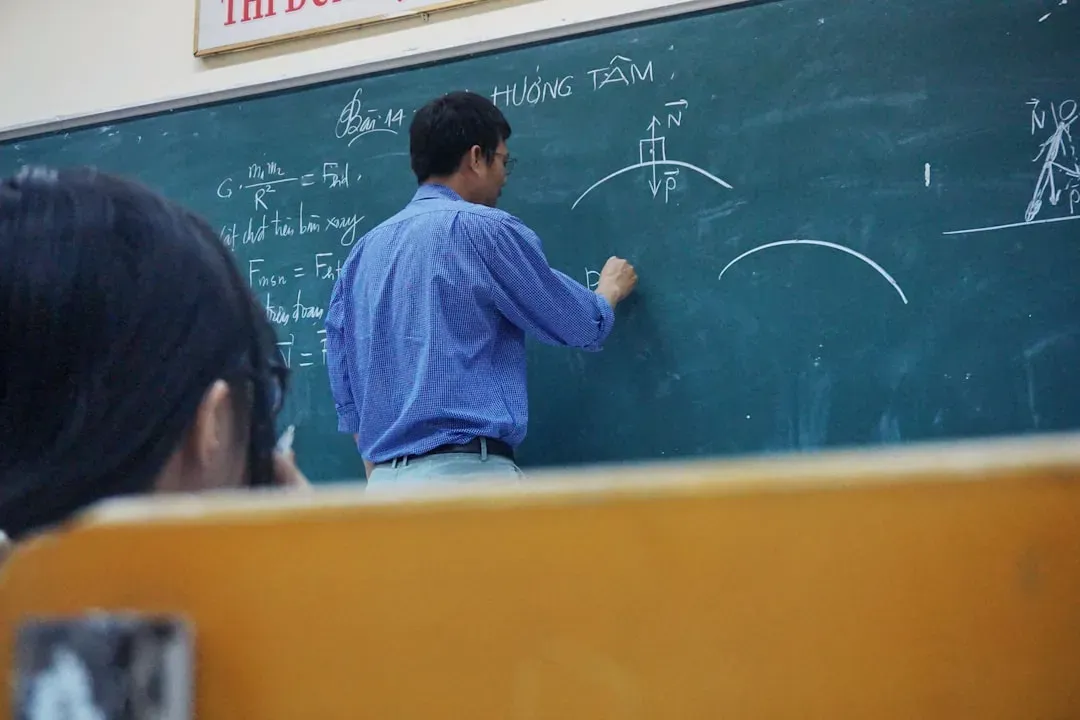
Even if we solved every retention problem tomorrow, there’s a second crisis unfolding in parallel. Fewer young people are entering the profession in the first place. Between 2010 and 2021, enrollment in traditional teacher-preparation programs dropped forty-five percent, according to the American Association of Colleges for Teacher Education. That’s nearly half the pipeline, gone.
Interest in teaching among high school and college students is at the lowest level it has been in decades. Enrollment in teacher preparation programs nationally dropped sharply after the Great Recession, declining by about one hundred thousand candidates in just two years during the mid-2010s. Think of the teacher preparation pipeline like a river that’s been slowly dammed upstream. The effects downstream take years to show up, but when they do, they hit hard.
The demand for teachers is far from met, with about fifty-five thousand teaching jobs open nationwide. Teacher shortages and enrollment declines at teaching programs are closely linked to the devaluation of teaching as a profession, epitomized by decades of stagnant pay, onerous workloads, and political demonization. The signal being sent to college students considering teaching is unmistakably negative.
What Happens to Students When Teachers Leave

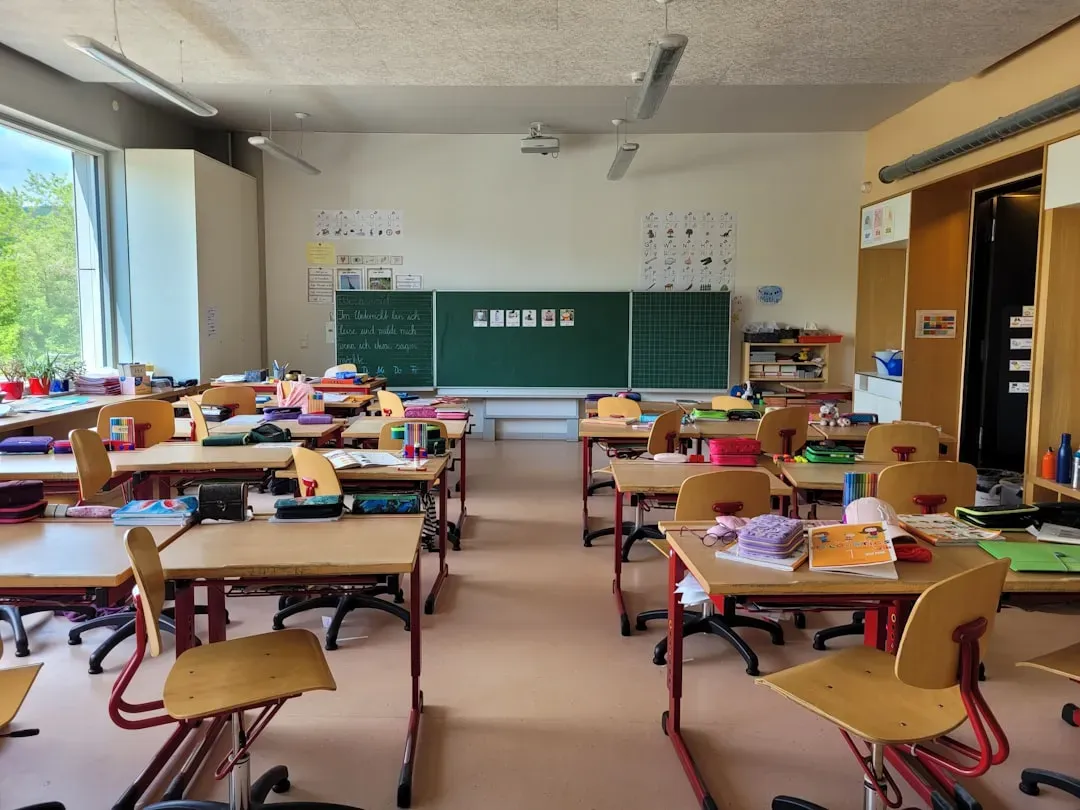
It would be easy to frame this as a workforce problem. It’s not. It’s fundamentally a student learning problem. When districts and schools face shortages, they often hire underprepared teachers or those not fully certified for their assignments, staff classrooms with substitute teachers, increase class sizes, cancel courses, and add responsibilities to existing teachers. All these things undermine student achievement.
As the 2022 and 2024 National Assessment of Educational Progress scores show, students in high-poverty schools lost more ground during the pandemic than their peers in low-poverty schools. Unstable staffing makes learning recovery even harder. High levels of teacher turnover strain districts’ abilities to ensure every student has access to consistent, high-quality teaching, and the level of instability that students are experiencing today is even higher than is typically reported.
As of December 2024, nearly ten percent of active teachers were underqualified for their position. That’s not a distant statistic. That’s one teacher in every ten classrooms who may not have the training to do the job well. Children pay that price directly.
Signs of Cautious Hope, But the Work Isn’t Done
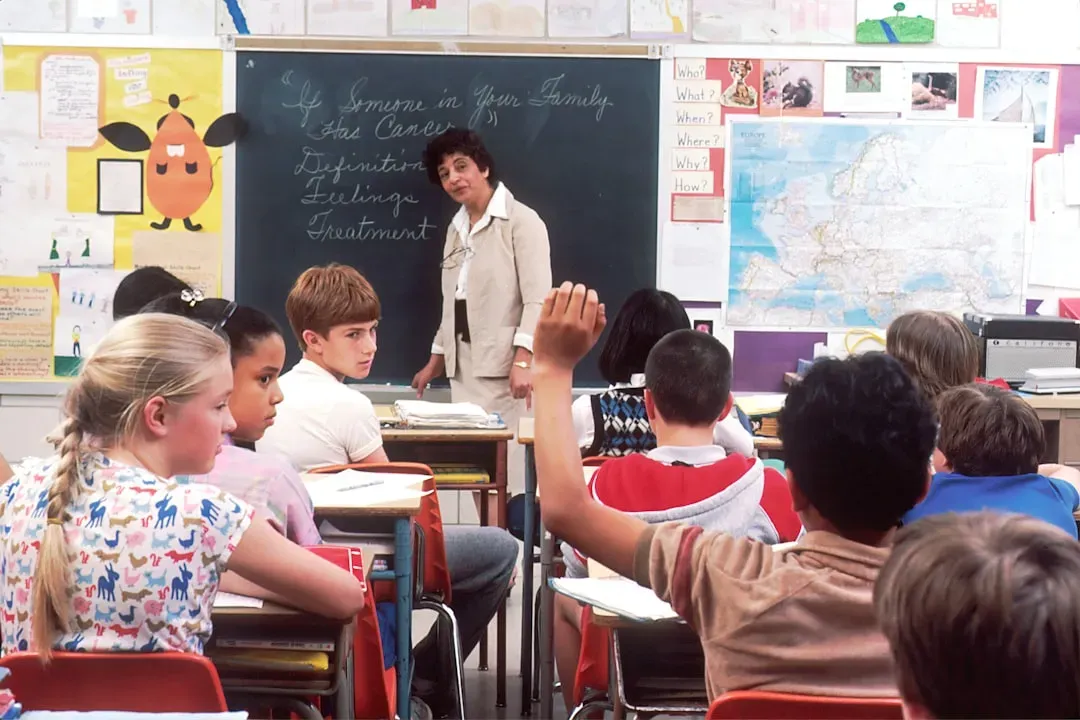
It would be dishonest to only tell the dark side of this story. There are genuine, if fragile, signs that things are slowly improving. The share of teachers who intended to leave their jobs fell to sixteen percent in 2025, down from twenty-two percent in 2024. That’s meaningful progress, though it’s hard to celebrate when more than one in six teachers is still considering leaving.
The nationwide shortage has put so much pressure on certain school districts that they have resorted to non-traditional concepts to attract and retain teachers, like four-day school weeks, debt-pay-off programs, or cost-free and fast-track certifications for employment. Some districts are genuinely getting creative. Strong teacher peer mentoring models, both for beginning and experienced teachers, have the capacity to strengthen organizational commitment and promote a positive school climate. Streamlining and reducing teacher workload and non-classroom commitments can also improve teacher working conditions, job satisfaction, and retention.
As one education researcher put it, “We can’t recruit our way out of the teacher shortage. We have to find ways to retain the teachers we have and to make teaching a job that is a sustainable career for people.” That message captures everything. The pipeline matters, but fixing the conditions inside the classroom matters even more.
Conclusion: The Respect Gap Is the Real Problem

Here’s the uncomfortable truth at the bottom of all this data. America says it values teachers. The bumper stickers say so. The speeches at graduation ceremonies say so. But the numbers tell a very different story. As one researcher put it, there has been an overarching feeling of disrespect for the profession, both at a macro and a micro level, that leads people to leave and is a barrier for entry.
Teachers in top-rated districts are not immune to any of this. In fact, sometimes the pressure is greater there because the expectations are higher while the support remains just as thin. Educators leave when they don’t have adequate compensation, resources, or support. It’s that simple, and that hard.
The vanishing teachers aren’t just a workforce statistic. They are a mirror held up to how much society truly values the people shaping the next generation. The question worth sitting with is this: if we keep treating teaching as a calling that should require personal sacrifice above all else, how many more classrooms will go empty before something finally changes?