Some letters were never meant to outlive their authors. Written in jail cells, at wartime desks, or late at night by candlelight, they were intended for one reader, or perhaps a small circle. Yet a handful of these letters escaped their moment and kept traveling forward through time, finding new readers in every generation that needed them.
What makes a letter historic isn’t always the grandeur of its language. Sometimes it’s the precision of a single sentence, or the sheer audacity of saying what no one else would put in writing. The ten letters below each carry that quality. They changed laws, sparked movements, rearranged borders, or forced the world to reckon with something it had been quietly ignoring.
1. Martin Luther’s Letter to Archbishop Albrecht, Enclosing the 95 Theses (1517)

On October 31, 1517, Martin Luther wrote a letter to Albrecht von Brandenburg enclosing 95 theses in Latin, criticizing the wealth of the Church and many of its practices, especially the sale of indulgences. In sharing his 95 Theses with his colleagues in Wittenberg, as well as sending a copy to the Archbishop of Mainz, Luther was following a longstanding medieval tradition of calling for debate within university and clerical circles of the church.
When the Archbishop failed to respond, Luther gave copies of his writing to acquaintances, who, unbeknownst to him, arranged for their publication. Whether or not Luther also nailed the theses to a church door in Wittenberg remains a matter of heated debate. In the long-term, Luther’s theses irreversibly fractured Western Christianity. The Protestant Reformation altered the religious map of Europe. Lutheran doctrines led to the establishment of state churches in much of Northern Europe, radically shifting the balance of power.
2. The Einstein-Szilard Letter to President Roosevelt (1939)

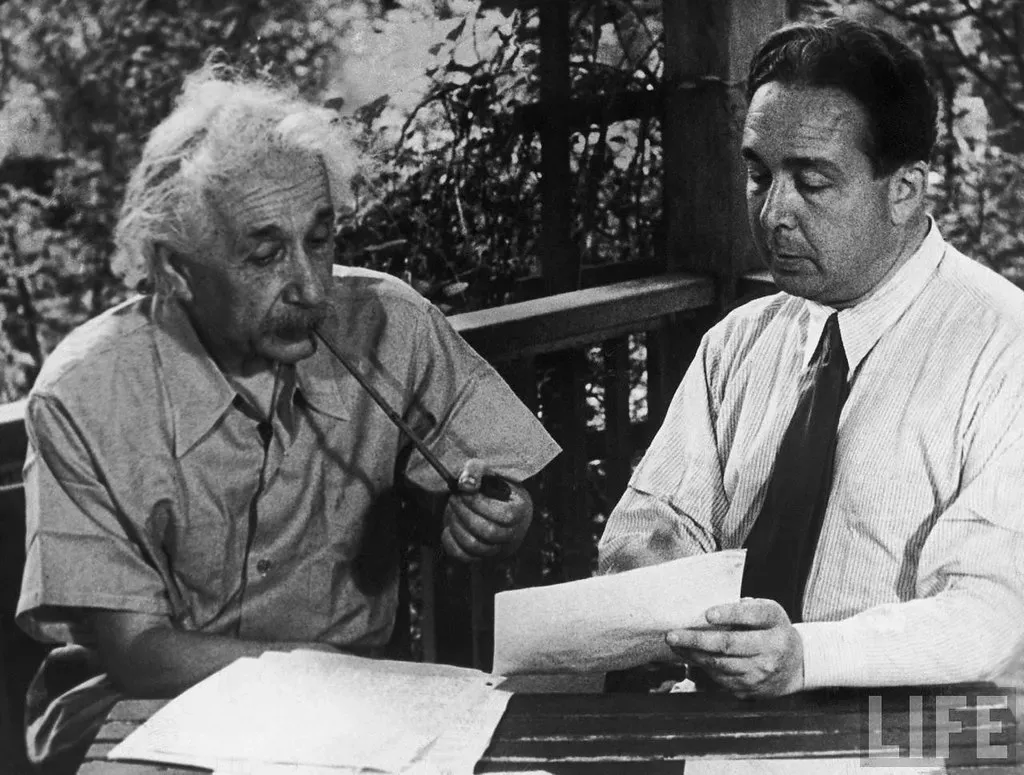
On August 2, 1939, Albert Einstein signed what would become one of the most consequential letters in human history. Addressed to President Franklin D. Roosevelt, Einstein warned that German scientists might soon develop “extremely powerful bombs of a new type” using nuclear chain reactions in uranium. The letter wasn’t Einstein’s idea alone – physicist Leo Szilard actually drafted it, knowing Einstein’s fame would get Roosevelt’s attention.
Sent on August 2, 1939, by October of that year, President Roosevelt decided that he could not risk Hitler unilaterally getting his hands on such weapons, a decision which ultimately led to the establishment of the Manhattan Project. Szilard got his wish, though he later expressed regret at the wheels he had put into motion, fearing a nuclear war would be catastrophic. Few documents have carried such a terrible weight of consequence in such a short form.
3. Martin Luther King Jr.’s Letter from Birmingham Jail (1963)

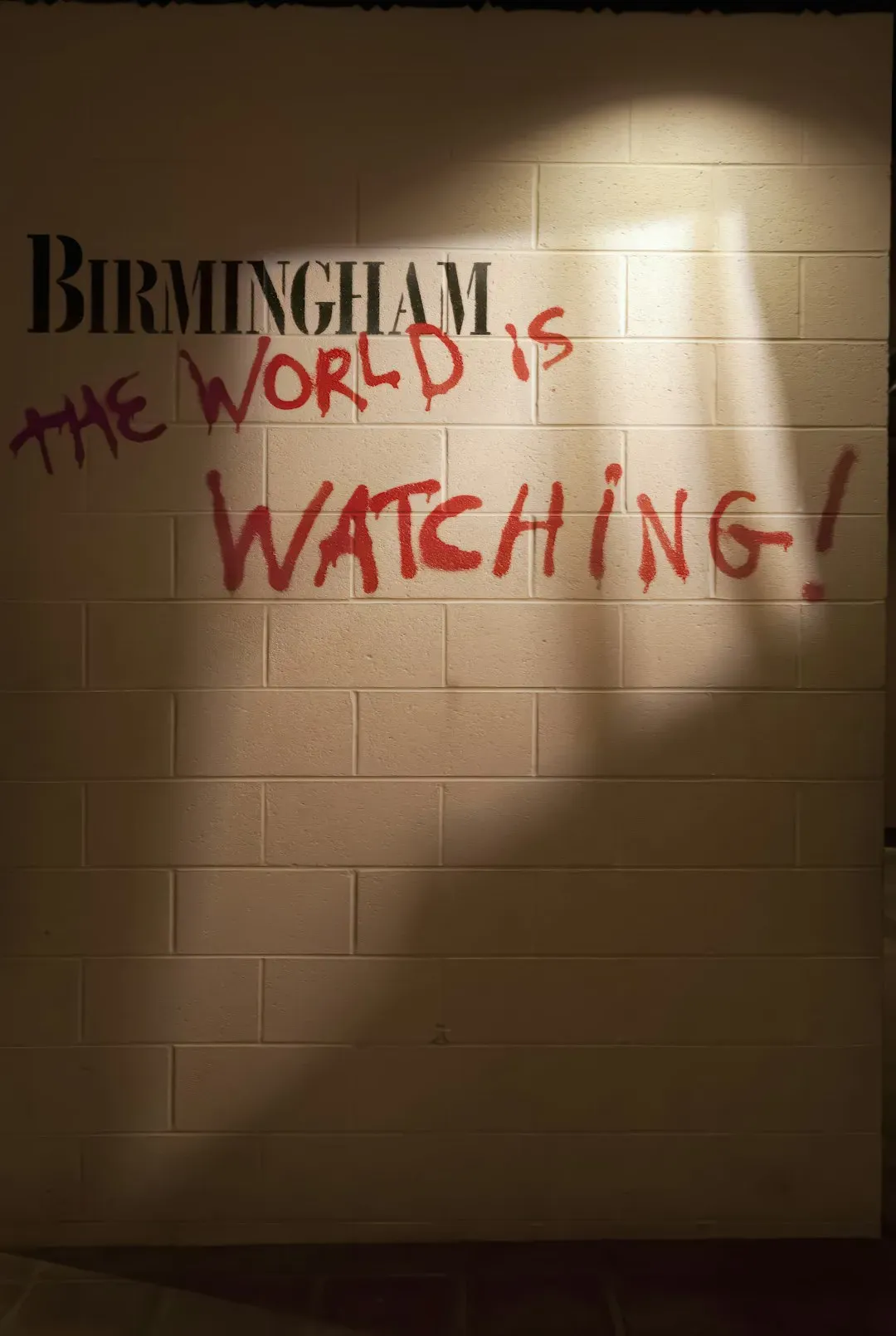
King drafted the open letter in fragments in his cell before any major civil rights legislation was on the table. Written on the edges of newspapers and on scraps of wastepaper, which his supporters painstakingly pieced together afterwards like a jigsaw, the text has been recognized as the 20th century’s most influential letter about civil disobedience. On April 16, 1963, King wrote his famous Letter from Birmingham Jail, which was subsequently printed in The Christian Century, The Atlantic Monthly, and eventually King’s book Why We Can’t Wait. Running to eleven pages, King’s letter was a response to the Statement by Alabama Clergymen, who called for demonstrations against segregation to stop.
In the letter, King argued passionately against the idea of waiting patiently for social change to be enacted. His letter has been cited as the most important in history by numerous people, including the Martin Luther King Institute’s founding director, Clayborne Carson. It serves as a reminder that injustice anywhere is a threat to justice everywhere – a message as relevant today as it was in 1963.
4. The Balfour Declaration Letter (1917)

The Balfour Declaration was a public statement issued by the British Government in 1917 during the First World War announcing its support for the establishment of a “national home for the Jewish people” in Palestine, then an Ottoman region with a small minority Jewish population. The declaration was contained in a letter dated November 2, 1917 from Arthur Balfour, the British foreign secretary, to Lord Rothschild, a leader of the British Jewish community. At just 67 words long, it is difficult to believe that this declaration could have had the huge ramifications it did. What the statement lacked in length it made up for in significance, as it signalled the first proclamation of diplomatic support for the Zionist movement’s goal of establishing a home for the Jewish people in Palestine.
It supported the idea of a Jewish national home but did not clearly define what that meant, whether it implied a state or merely a cultural center. Nor did it explicitly recognize the political rights of the Arab majority living there. The declaration is generally viewed as one of the main catalysts of the creation of the state of Israel, and of a conflict that is still ongoing in the Middle East today. Over a century later, those 67 words are still being argued over in international courts, political chambers, and conflict zones.
5. Henry VIII’s Love Letters to Anne Boleyn (c. 1527–1528)

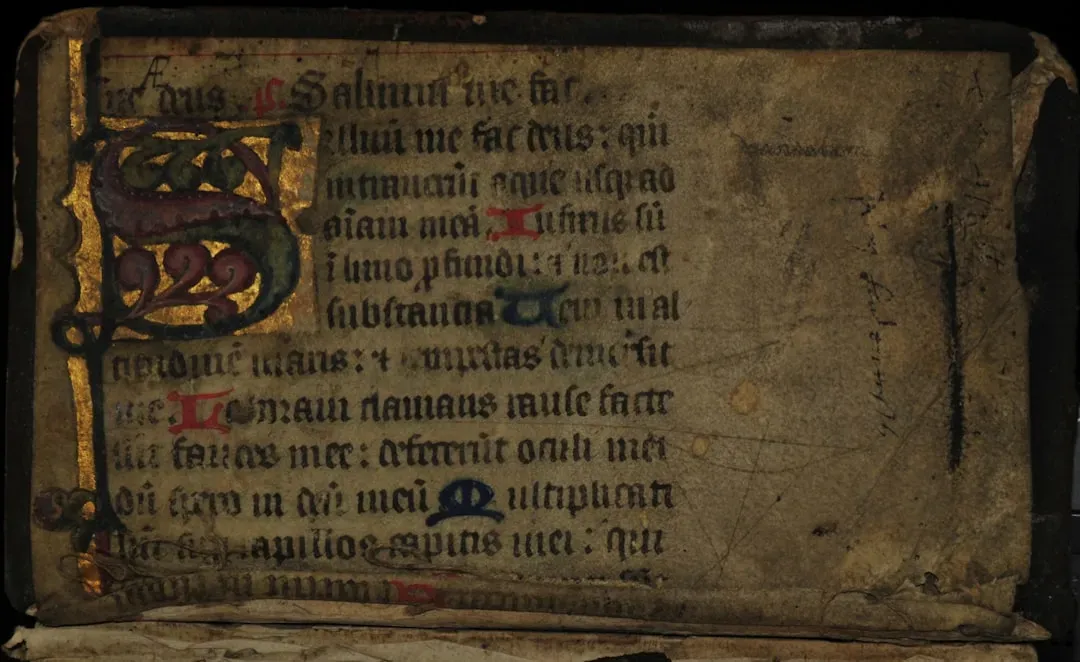
While Anne’s side of the conversation is largely absent from historical records, we do have access to the many letters Henry wrote to her, professing his love. Unfortunately, Henry was already married to Katherine of Aragon at the time. However, his passion for Anne was such that he sought an annulment of his marriage to Katherine. When the Vatican refused to grant one, Henry split from Rome and set in motion the English Reformation.
The private correspondence of a king in the grip of romantic obsession became the unlikely trigger for one of the most sweeping religious transformations in British history. Henry VIII’s infatuation with Anne Boleyn changed the religious structure of Britain forever, causing him to break with the Roman Catholic church in 1533 so he could divorce his first wife and marry Anne in a secret ceremony. The Church of England, still active today, was born partly from these handwritten declarations of desire.
6. Émile Zola’s “J’Accuse!” Letter (1898)


Writer Émile Zola rallied public attention to Dreyfus’s cause in an open letter with the huge headline “J’accuse!” printed on January 13, 1898 on the front page of Parisian paper L’Aurore. Captain Alfred Dreyfus, a Jew, was convicted of treason and punished based on questionable evidence. Later evidence showed that the man who actually committed the crime was Ferdinand Walsin Esterhazy, but Esterhazy was acquitted, and exculpatory evidence that would have cleared Dreyfus was ignored by the court.
The letter was so shocking that Zola was forced to go into secret exile in England for a year. While Dreyfus was wrongfully found guilty and sent to prison, only being released nearly a decade later in 1906, Zola’s letter turned the tide in the public conversation about Dreyfus’ innocence. More so, it dramatically increased the degree to which people were comfortable speaking openly against the French government and expressing political dissent. The concept of the public intellectual using a letter to hold government to account begins largely here.
7. Darwin’s Letter to Joseph Dalton Hooker (1844)

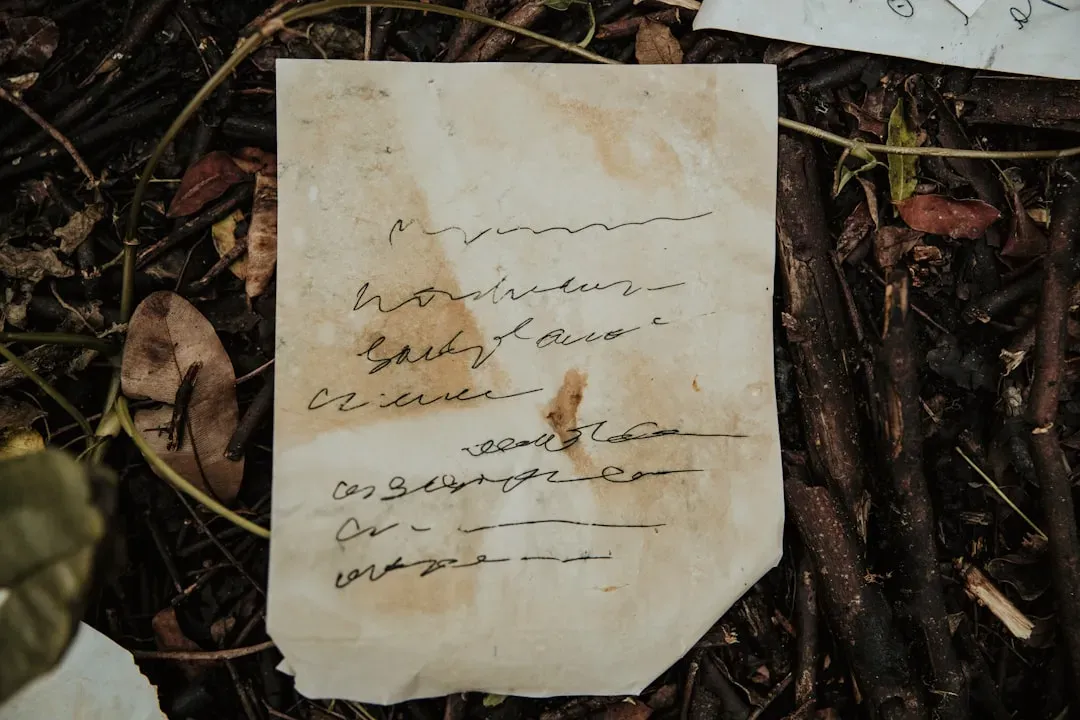
In January 1844, Charles Darwin wrote to his botanist friend Joseph Dalton Hooker about a revolutionary idea that was eating at him. He confessed that he was becoming convinced that species were not “immutable” – that animals could change over time. Darwin described his own realization as being “like confessing a murder,” revealing just how radical the idea felt even to its author at that stage.
The letter was deeply private, shared with a trusted colleague rather than the public, and yet it represents the moment Darwin first committed his theory to paper outside of his own notebooks. It would take another fifteen years before he published On the Origin of Species in 1859, but this letter marks the quiet beginning of that earthquake. The theory of evolution, which underpins all of modern biology, had its first cautious articulation in this personal correspondence.
8. Siegfried Sassoon’s Anti-War Letter (1917)

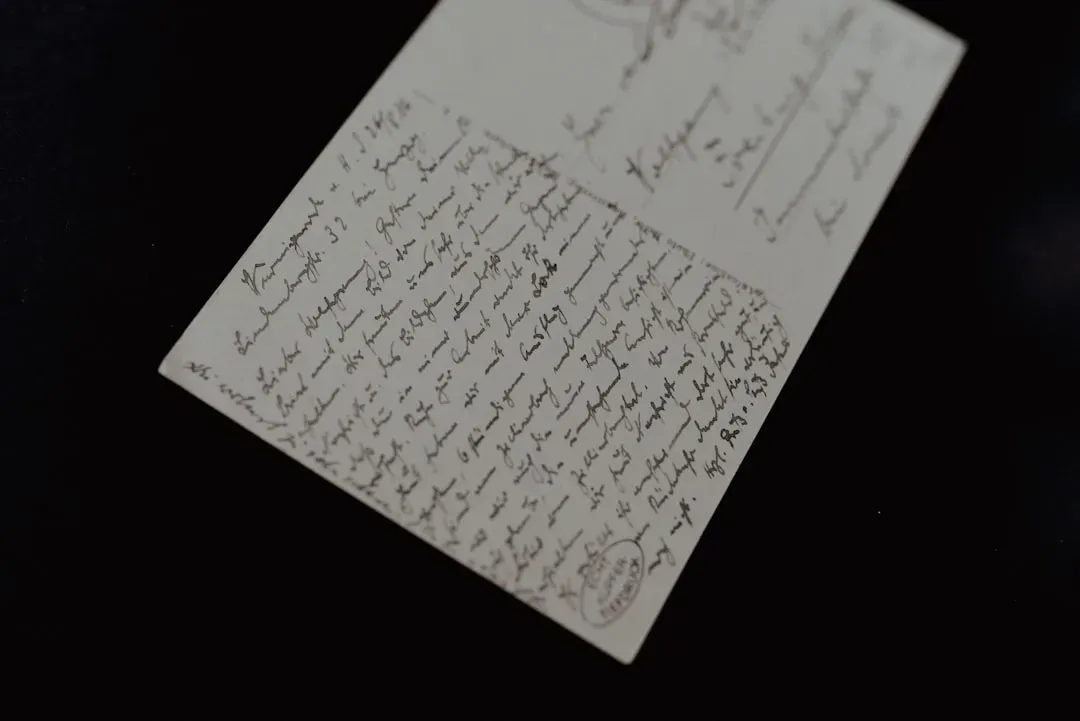
British poet and decorated soldier Siegfried Sassoon shocked the establishment in 1917 with his open letter protesting World War I. After earning the Military Cross for valor, Sassoon refused to return to the trenches and penned a letter declaring that the war was “being deliberately prolonged by those who have the power to end it.” His letter was read aloud in the House of Commons and published in major newspapers. Rather than face a court-martial, Sassoon was declared mentally ill and sent to a hospital, but his letter had already changed public perception about the “Great War.”
What made the letter so disruptive was not just what it said, but who said it. A decorated combat soldier publicly refusing to return to the front was impossible to dismiss as cowardice. The letter caused a great stir, including a public reading in the British House of Commons. Sassoon’s act drew the line between military duty and moral conscience in a way that resonated far beyond the trenches, and it continues to be referenced in debates about soldiers’ rights to conscientious objection.
9. Febb Burn’s Letter to Her Son, Harry T. Burn (1920)

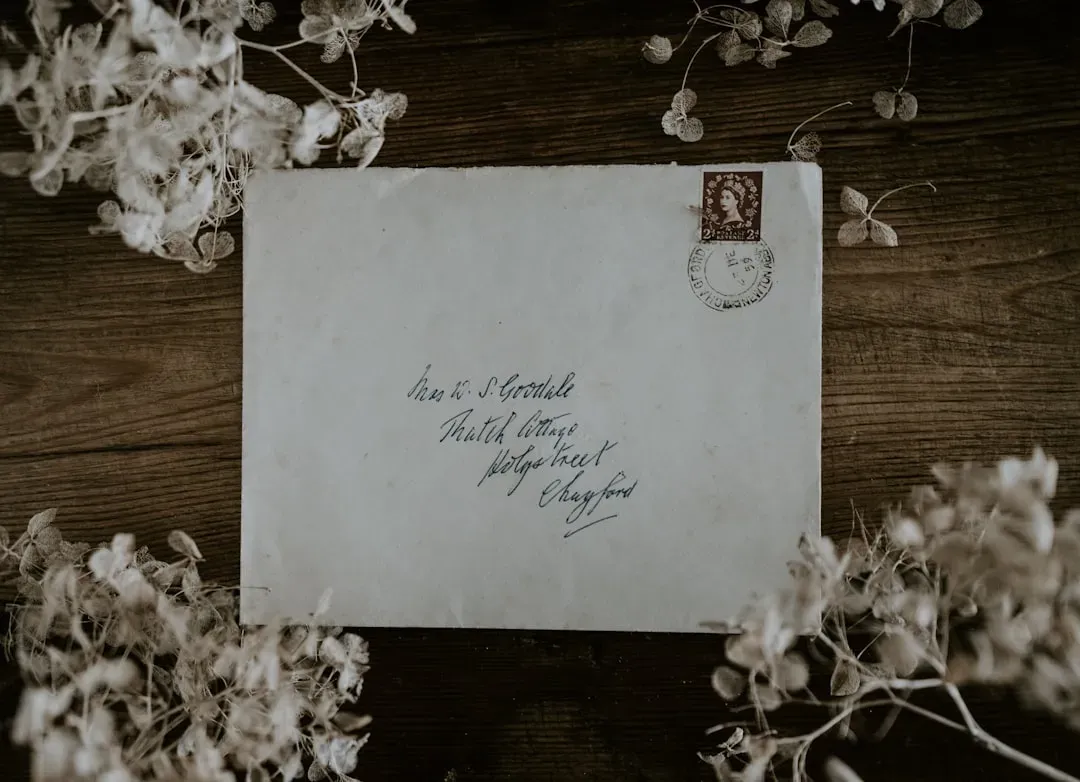
On August 18 of that year, Tennessee House Representative Harry Thomas Burn cast the deciding vote on whether his state would ratify the 19th Amendment. Tennessee became the 36th state to do so, cementing the three-fourths of states needed in order to grant women the right to vote. His vote in favor was unexpected, as Burn was wearing the red rose that was the symbol of anti-suffragists. In his jacket pocket was a letter from his mother, Febb Ensminger Burn, that urged him to side with the cause of women’s suffrage.
When the all-male Tennessee legislature came to vote, many of the men wore roses on their lapels: a yellow rose to ratify, a red rose against. Then the roll call had landed on Harry T. Burn, wearing a red rose and, at 24, the youngest state lawmaker. In the pocket of his suit jacket was a letter delivered that morning from his mother, Febb Burn. It’s a remarkable footnote in democratic history: the right of roughly half the American population to vote was secured, in part, by a mother’s note to her son.
10. Churchill’s Handwritten Reply to His Assistant Private Secretary (1940)

In May 1940, after Winston Churchill became Prime Minister, he was put under pressure almost immediately to come to an agreement with Adolf Hitler to end the war. His assistant, private secretary Eliot Crawshay-Williams, advised that Britain should negotiate the “best peace terms possible.” He suggested that if Britain didn’t do so, it would find itself invaded by Germany. Had Churchill bowed to these views and given in to Hitler’s demands, European history would have been completely rewritten.
The PM hand-wrote a reply to Crawshay-Williams and responded that he was “ashamed” of the letter, returning it and suggesting the writer should “burn it and forget.” Apparently, the advice wasn’t heeded. The original letter and Churchill’s curt reply were sold together to a collector at auction at Christie’s for £34,850 in 2010. Churchill’s few sharp words captured something essential about the moment: that the decision to keep fighting rather than negotiate was not merely strategic, but a moral stand whose consequences shaped the entire post-war world.
Across these ten letters, the same pattern emerges quietly. At a specific, pressured moment, one person chose to write something down rather than stay silent. The medium was simple, often fragile, sometimes scribbled on newspaper margins or coconut shells. The consequences, however, were anything but. These letters crossed borders, outlasted empires, and kept finding new readers who needed exactly what was written in them.