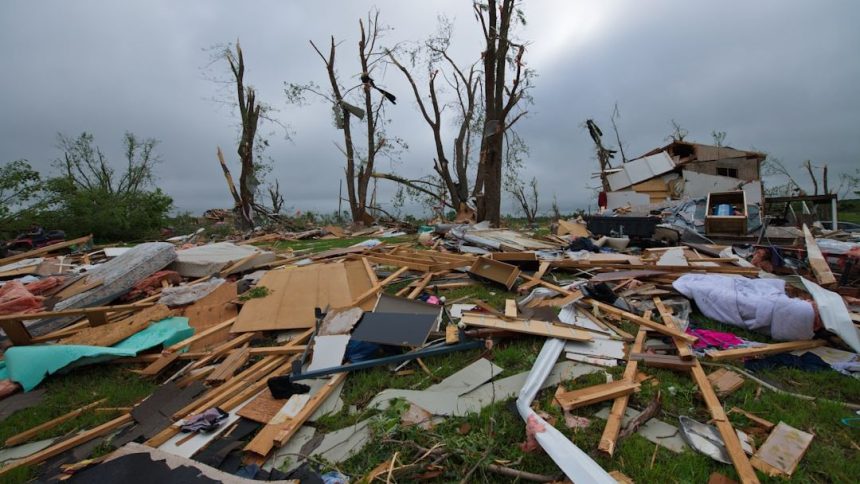
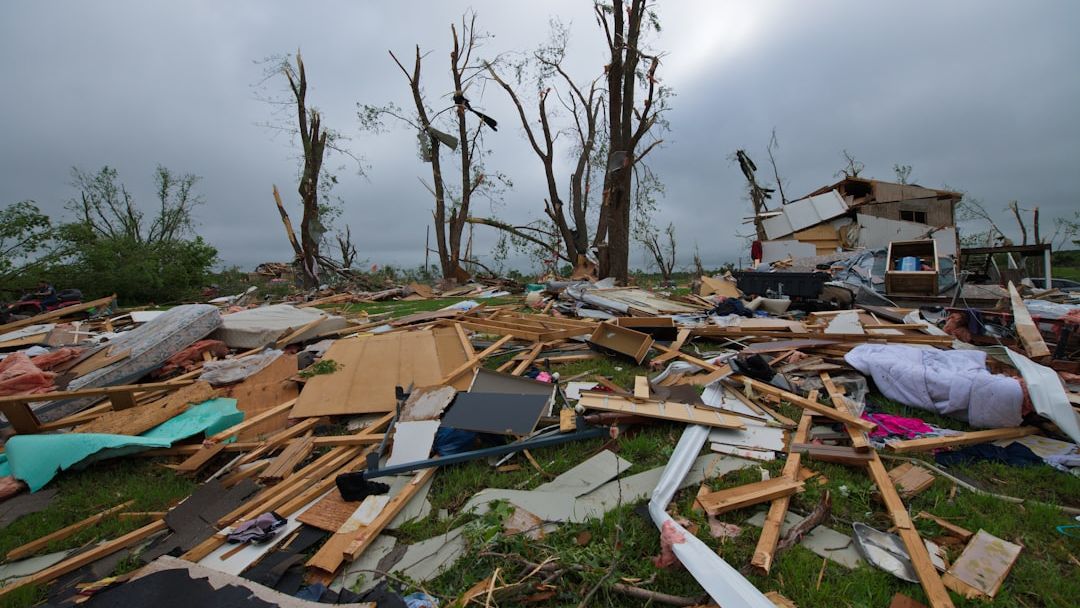
Tornadoes and Thunderstorms Damage More Than 1,000 Buildings in Mississippi – Image for illustrative purposes only (Image credits: Unsplash)
Mississippi – Tornadoes and severe thunderstorms moved through the state on Wednesday night, carving a path of destruction that left at least 17 people injured. State officials confirmed the toll from the fast-moving system and noted that crews were already working to clear debris and restore services. The event underscored how quickly conditions can turn dangerous in the region during peak storm season.
Scale of the Destruction
Damage reports began arriving shortly after the storms passed, with homes, businesses, and infrastructure taking direct hits from high winds and heavy rain. Officials described scattered but significant impacts that disrupted power in multiple counties and forced temporary road closures. Recovery teams prioritized the hardest-hit zones to ensure safety before full assessments could begin.
Residents described sudden shifts from calm to chaos as the system arrived after dark. Many sought shelter in interior rooms or basements as warnings sounded across the affected areas. The combination of tornadoes and straight-line winds created a complex damage pattern that will require detailed surveys in the days ahead.
Immediate Response Efforts
Emergency management teams mobilized quickly once the storms cleared, setting up shelters and coordinating medical care for the injured. State agencies worked alongside local first responders to deliver supplies and check on vulnerable populations. Officials stressed that early warning systems helped limit the human toll despite the intensity of the weather.
Power companies deployed crews overnight to address widespread outages, while transportation departments focused on clearing fallen trees and debris from major routes. These coordinated steps aim to restore normal operations as rapidly as possible while crews continue to evaluate structural safety.
Looking Ahead After the Storms
With initial damage reports still being compiled, attention now turns to long-term recovery and the lessons this event reinforces about preparedness. Communities across Mississippi routinely face such threats, making ongoing education and infrastructure resilience critical. State leaders have pledged continued support for affected residents as cleanup progresses.
The focus remains on ensuring everyone has access to resources needed to rebuild and on monitoring any follow-up weather that could complicate efforts. This latest round of storms serves as a reminder that vigilance stays essential even after the immediate danger passes.
What matters now: Coordinated recovery support and sustained attention to weather readiness will determine how quickly normal life returns for those impacted.