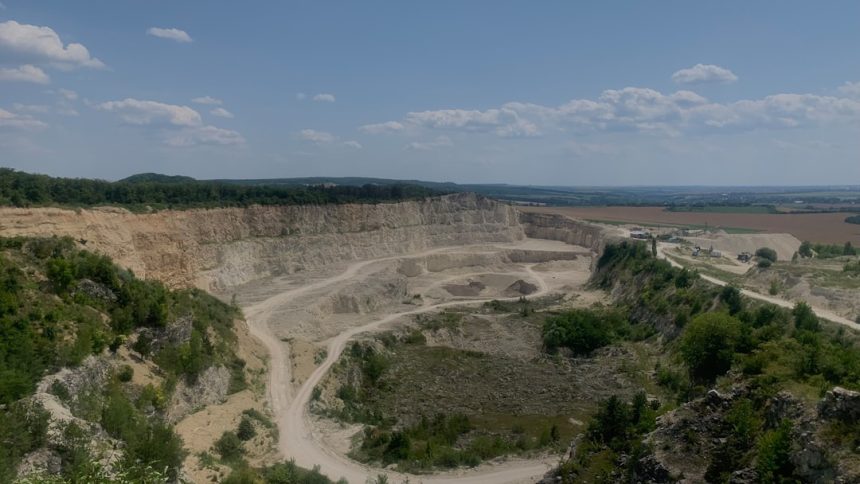
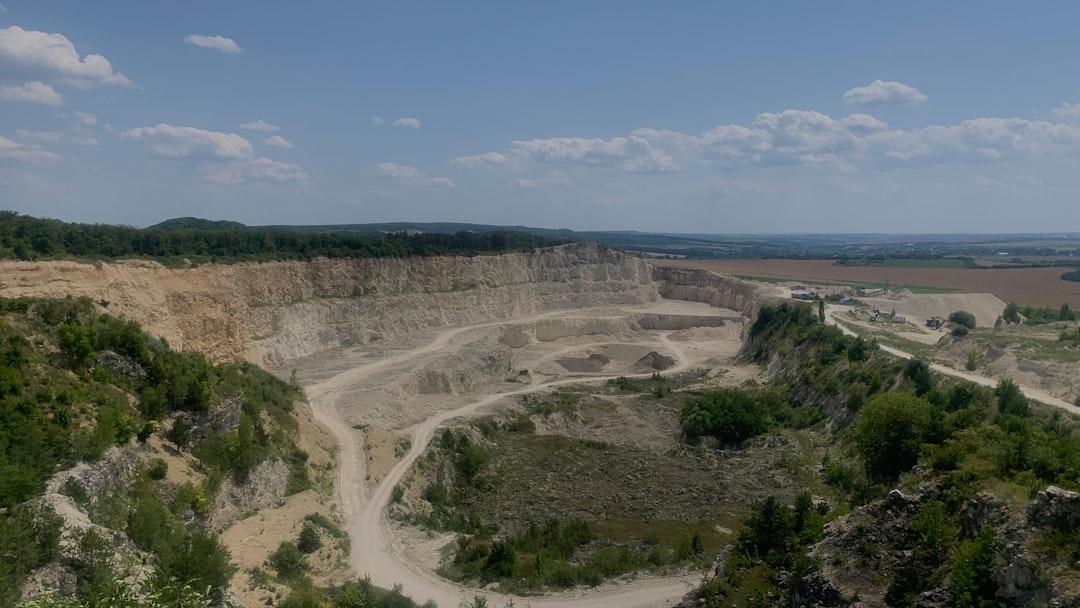
Ukraine can help Europe meet its battery material needs, experts say – Image for illustrative purposes only (Image credits: Unsplash)
Europe’s push to expand electric vehicle production and renewable energy storage has created urgent demand for battery materials that the continent largely lacks. Ukraine, still recovering from years of conflict, holds some of the largest known deposits of graphite and manganese in the region. These resources could reduce reliance on distant suppliers and support the bloc’s clean energy goals if development proceeds. Experts see a narrow but meaningful window for Ukraine to contribute directly to Europe’s supply needs.
Ukraine’s Resource Potential
The country contains deposits of 25 out of the 34 minerals the European Union classifies as critical for its economy. Graphite stands out because it forms the largest component by weight in most electric vehicle and energy storage batteries. Ukraine also holds Europe’s biggest reserves of manganese, used in battery cathodes, and titanium, essential for wind turbines and hydrogen equipment.
Current production remains small. In 2024 Ukraine supplied only about 2 percent of the EU’s natural graphite imports. Yet geological surveys indicate the country could scale up quickly with targeted investment. One planned graphite mine and processing facility near Balakhivka in central Ukraine has already received strategic status from the European Commission, which opens access to EU financing and technical support.
Meeting Europe’s Battery Demands
Graphite demand across Europe is rising sharply as battery factories multiply. The EU currently mines less than 0.1 percent of its own needs and imports the vast majority from China, which controls over 95 percent of global battery-grade graphite output. A single Ukrainian project could cover up to 10 percent of Europe’s graphite consumption by 2030 if it reaches full operation.
Analyst Danylo Moiseienko of Forum Energii described Ukraine’s role as targeted and practical. He noted that the country can supply exactly the materials Europe needs to move away from single-source dependencies. The European Bank for Reconstruction and Development has already expressed interest in backing the Balakhivka development, signaling early institutional support.
The Impact of Conflict on Development
Four years of war have damaged energy and transport infrastructure across Ukraine, raising the cost of capital and complicating access to many mineral sites. Two of the country’s six major graphite deposits now lie in Russian-occupied territory. Electricity shortages caused by repeated attacks forced the only operating graphite mine to shut down temporarily, cutting national production by 88 percent between 2021 and 2024.
The World Bank estimates nearly 25 billion dollars in damage to the energy sector alone, with total reconstruction costs exceeding 90 billion dollars. Despite these setbacks, the EU remained Ukraine’s main graphite buyer during the period as the country drew down existing stocks. Ksenia Orynchak, chief executive of the National Association of Extractive Industry of Ukraine, stressed that mining investment will form a core part of post-war economic recovery.
Opportunities Through Global Partnerships
Both the European Union and the United States have signed minerals agreements with Kyiv that create new financing routes. The EU partnership focuses on developing domestic resources, while a joint Reconstruction Investment Fund with the United States has received an initial 75 million dollars from the U.S. International Development Finance Corporation, matched by the Ukrainian government. So far only two oil and gas projects have advanced under the U.S. fund.
Principal banker Tetiana Dzhumurat at the European Bank for Reconstruction and Development noted that the announced amounts remain insufficient to fully develop even one mine. Geological data is outdated, regulatory processes are slow, and the pipeline of ready-to-finance projects stays thin. Still, the agreements have opened doors that did not exist before the war.
What Needs to Happen Next
Ukraine must address several practical steps before its mineral potential can translate into steady supply for Europe. The following priorities stand out:
- Modernize and digitize geological records so investors can assess deposits accurately.
- Align environmental and social standards with international norms to attract responsible capital.
- Train additional specialists in mining and processing to reduce the current skills shortage.
- Ensure a larger share of processing value remains inside Ukraine rather than being exported as raw ore.
Progress on these fronts would allow Ukraine to rebuild parts of its economy while helping Europe diversify its battery material sources. The outcome remains uncertain and depends on continued security improvements and sustained international backing.