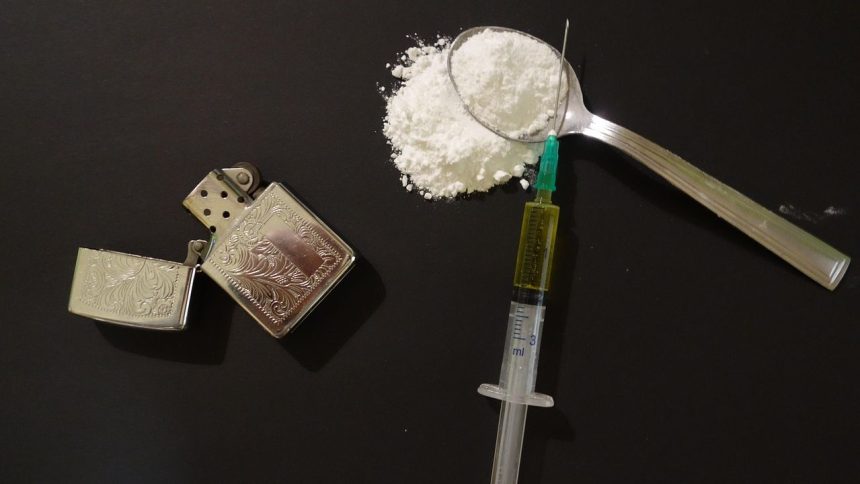
Direct Encounters in Local Shops (Image Credits: Pixabay)
Residents in the West Midlands now face a stark reality: illegal drugs like cannabis and cocaine are readily available at local high street shops. A BBC investigation demonstrated just how straightforward the process has become, with undercover reporters securing substances within hours of making simple requests. This development underscores ongoing challenges with organized crime infiltrating everyday retail spaces, prompting renewed scrutiny from councils and authorities.
Direct Encounters in Local Shops
Reporters approached staff at several stores posing as customers. In one instance, a clerk promptly contacted his manager after a request for cocaine, leading to the delivery of a gram for £95 shortly afterward. The transaction unfolded seamlessly, highlighting the normalized nature of such dealings in these outlets.
At Cradley Market in Cradley Heath, the experience proved equally accessible. Staff provided 3.5 grams of cannabis for £30, escorting the reporter to a back area for the exchange. When confronted later, shop owner Akwa rejected any accusations and instructed the reporter to depart. Additional items like cannabis vapes, illicit cigarettes, and nitrous oxide were also on offer at various locations.
Councils Step Up Enforcement Efforts
Sandwell Council, overseeing Cradley Heath, confirmed its collaboration with local police to address these violations. Officials emphasized proactive measures against illegal operations in the area. Such partnerships aim to disrupt the supply chains embedded in community retail.
In neighboring Dudley, the council reported significant progress. It has shuttered 42 businesses linked to organized crime groups. These closures represent some of the most robust enforcement actions nationwide, targeting establishments tainted by criminal influence.
What matters now: Local authorities prioritize rapid response to tips and inspections, but sustained vigilance remains essential as new shops emerge.
Links to Wider Criminal Networks
The incidents tie into a larger pattern uncovered last year. Authorities dismantled a syndicate controlling over 100 sites, including shops, car washes, and barbers. Fake directors lent their names to paperwork, while asylum seekers endured 14-hour shifts for £4 hourly wages.
Partner offer
Two Kurdish journalists infiltrated the operation by posing as asylum seekers. They learned how straightforward it was to manage outlets peddling illegal vapes and cigarettes. One individual boasted potential earnings of £3,000 weekly from these sales. Concerns persist that comparable groups operate elsewhere in the UK.
During the BBC probe, a rejected asylum seeker even attempted to offload a shop for £18,000 to an undercover reporter. This episode illustrates the depth of criminal entrenchment in the sector.
Government Measures and Penalties
Immigration Enforcement ramped up operations over the past year. Agents conducted 11,000 raids and arrested more than 8,000 illegal workers. Officials deported over 1,050 foreign nationals implicated in these schemes.
Businesses caught employing undocumented labor face severe repercussions. Fines reach £60,000 per worker, alongside potential five-year prison terms and forced closures. The Home Office oversees these actions to deter exploitation and illicit trade.
| Enforcement Statistic | Figure |
|---|---|
| Raids conducted | 11,000 |
| Illegal workers arrested | More than 8,000 |
| Foreign nationals deported | Over 1,050 |
These figures reflect a determined push against networks blending immigration violations with drug distribution. Stakeholders, from shop owners to low-wage employees, navigate a landscape of heightened risks.
Path Forward for High Street Safety
While individual closures and raids yield results, the persistence of such activities signals deeper systemic issues. High streets, meant for routine commerce, now grapple with hidden threats that erode public trust. Councils and police continue joint operations, yet the adaptability of criminal elements demands ongoing adaptation.
Ultimately, curbing this trade requires vigilance from communities alongside official interventions. As enforcement evolves, the focus sharpens on preventing new fronts from opening, ensuring safer retail environments for all.
Partner offer
Planning a trip to Vegas?
Compare hotel rates and show tickets on VEGAS.com.