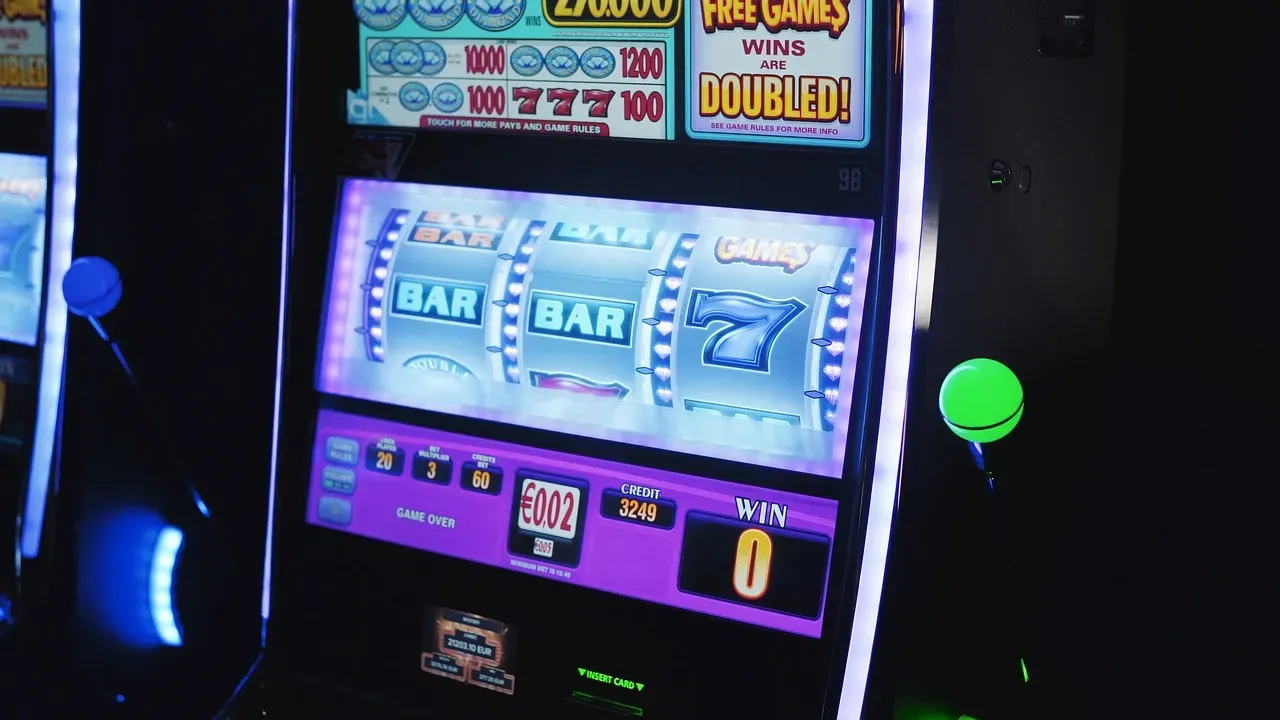
Two matching symbols on the payline, and the third stops one click away from a jackpot. You didn’t win anything. Objectively, the spin was a loss. Yet something in your brain pushes back against that conclusion, and you find yourself reaching for the button again. This reaction isn’t a personality flaw or a lack of willpower. It’s a measurable, predictable neurological event that scientists have been studying for decades.
The near-miss effect in gambling is one of the most robustly documented phenomena in behavioral neuroscience. Research stretching from Cambridge to the University of British Columbia has traced it through brain scans, dopamine signals, and cognitive distortions that persist even in people who don’t regularly gamble. Three core scientific mechanisms drive the whole thing, and each one runs deeper than most people expect.
What a “Near-Miss” Actually Is (and Isn’t)
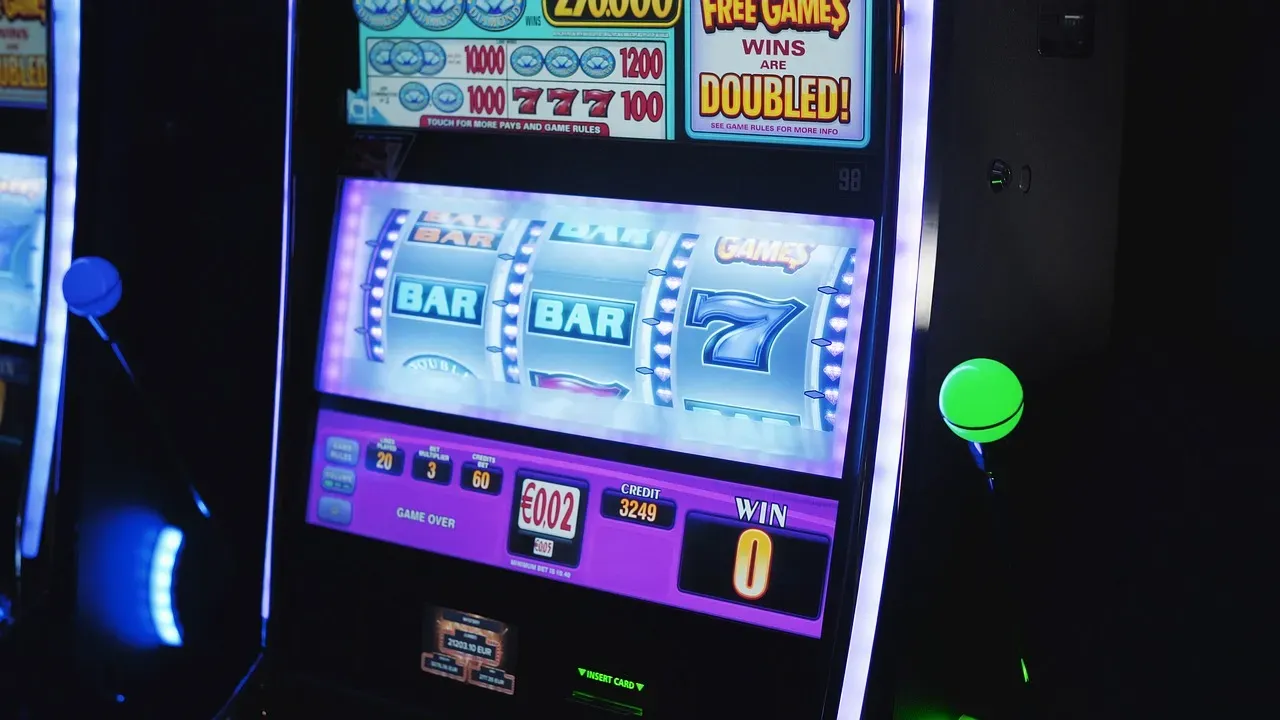
In games of chance, a near miss is said to occur when feedback for a loss approximates a win. For instance, obtaining “cherry, cherry, lemon” on a slot machine would be considered a near miss. Critically, the outcome is still a loss in every mathematical sense. The machine paid nothing. Near-misses are a structural characteristic of gambling products that can be engineered within modern digital games, which means they don’t arise purely from chance.
Game designers apply touchscreens and additional features to games in order to disguise losses as wins, generating multiple scores after each gameplay or regulating the frequency of so-called near misses, balancing frustration and hope, which motivates players to continue playing. The gap between what the machine presents and what it mathematically delivers is not accidental.
Scientific Reason 1: Your Brain’s Reward System Fires as if You Won
“Near-miss” events, where unsuccessful outcomes are proximal to the jackpot, increase gambling propensity and may be associated with the addictiveness of gambling. The deeper question is why, neurologically speaking, they work so well. The answer came into focus through fMRI imaging. Using a slot machine task in healthy volunteers, researchers found that near misses were associated with significant activity in brain regions, specifically the ventral striatum and anterior insula, that also responded to monetary wins.
Using a simplified slot machine task, researchers measured behavioral and neural responses to gambling outcomes. Compared to “full-misses,” near-misses were experienced as less pleasant, but increased the desire to play. That paradox is central to the whole phenomenon. The brain treats the near-miss as a signal worth responding to, not dismissing.
Neuroimaging studies have shown that near-miss outcomes involve reward brain circuits overlapping with the neural activity involved in monetary wins, implicating a circuit of areas including the ventral striatum and rostral anterior cingulate cortex, linked to reinforcement processing. The brain, in other words, doesn’t simply register the outcome. It processes proximity to winning as something worth remembering and repeating.
Scientific Reason 2: Dopamine Responds to Closeness, Not Just Outcomes
Drugs that alter dopaminergic activity have been shown to modify slot-machine play, a form of gambling in which near-misses are particularly salient. The psychostimulant drug amphetamine, which potentiates dopamine’s actions, can increase the motivation to play slot machines. This tells researchers something important: the dopamine system isn’t just reacting to the result. It’s responding to the structure of the event itself.
Rats showed a marked preference for the collect lever when both two and three lights were illuminated, indicating heightened reward expectancy following near-misses similar to wins. This animal model, published in Neuropsychopharmacology, confirmed that the near-miss response isn’t uniquely human. It appears to be a fundamental feature of how reward-sensitive brains process information about proximity to goals.
Cognitive accounts of gambling suggest that the experience of almost winning, so-called “near-misses,” encourages continued play and may accelerate the development of pathological gambling in vulnerable individuals. Dopamine’s role here is less about pleasure and more about motivation. It pushes the system toward repeating the behavior, regardless of whether the last outcome was objectively good or bad.
Scientific Reason 3: The Illusion of Control Locks the Loop
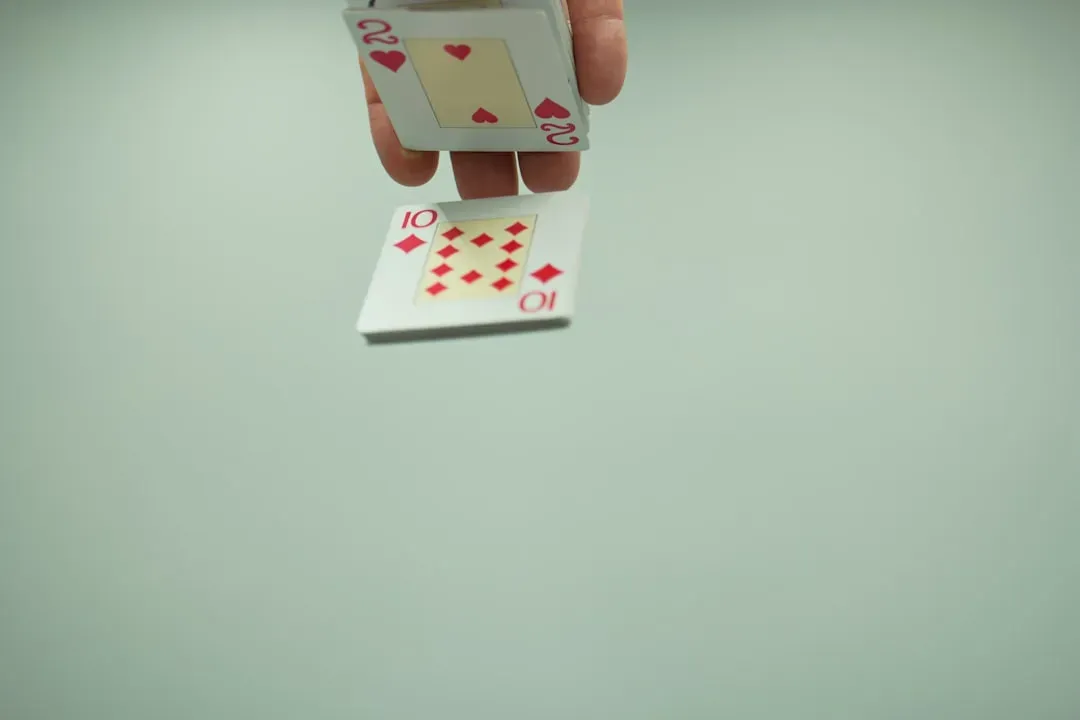
During gambling, players experience a range of cognitive distortions that promote an overestimation of the chances of winning. Near-miss outcomes are thought to fuel these distortions. The near-miss doesn’t just activate reward circuitry. It convinces part of the brain that skill or strategy was involved in a purely random event.
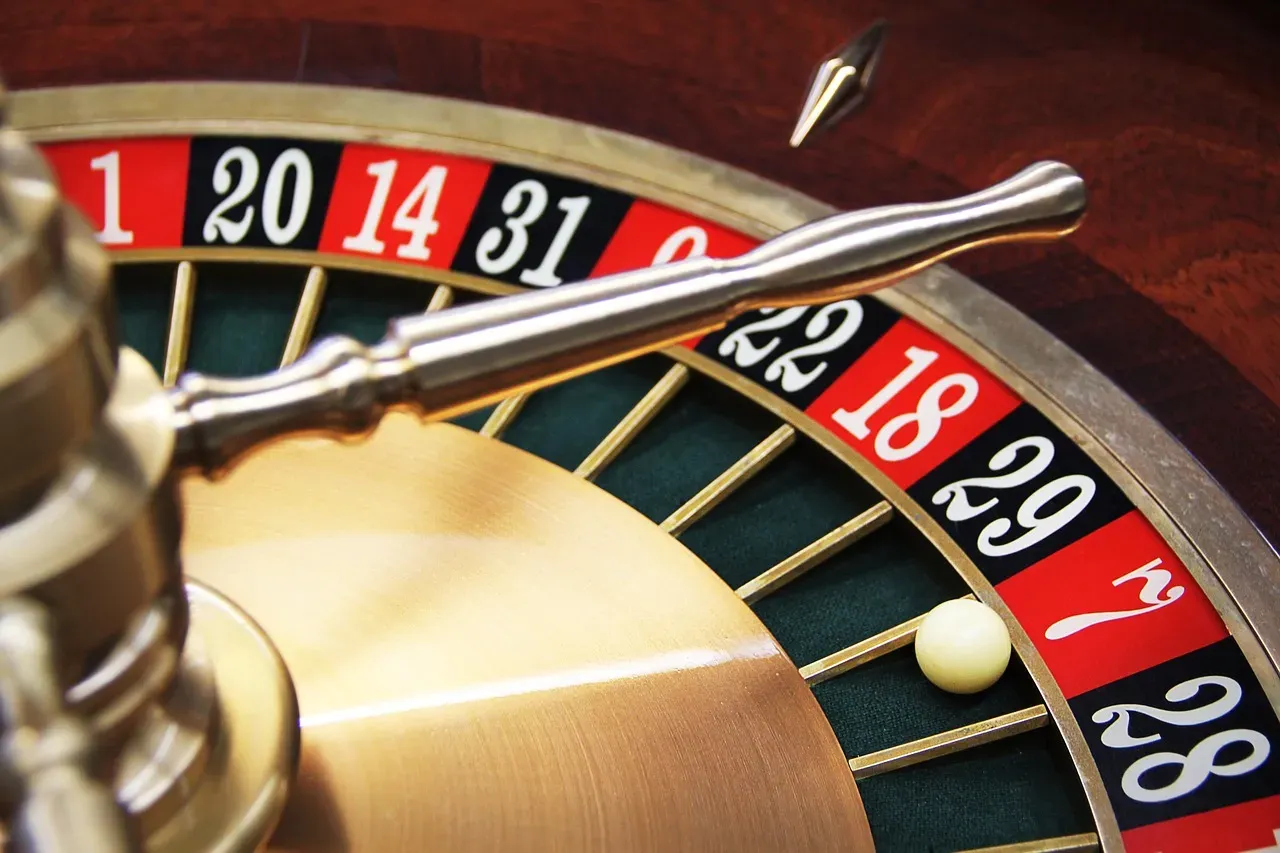
Researchers reasoned that if near-miss outcomes promoted gambling behavior by fostering an illusion of control, their efficacy would be greater on trials where the gambler had personal control, compared to trials where the gamble was arranged by the computer. Their findings supported exactly that pattern. Personal involvement amplified the near-miss effect. On games of chance like roulette or lottery, gamblers often misperceive some level of skill involvement, a pattern known as the “illusion of control.”
These findings corroborate the “non-categorical” nature of reward processing in gambling: near-misses and full-misses are objectively identical outcomes that are processed differentially. Ventral striatal connectivity with the insula correlated positively with gambling severity in the illusion of control contrast, which could be a risk factor for the cognitive distortions and loss-chasing that are characteristic of problem gambling.
The Midbrain Connection: How Gambling Severity Changes the Response
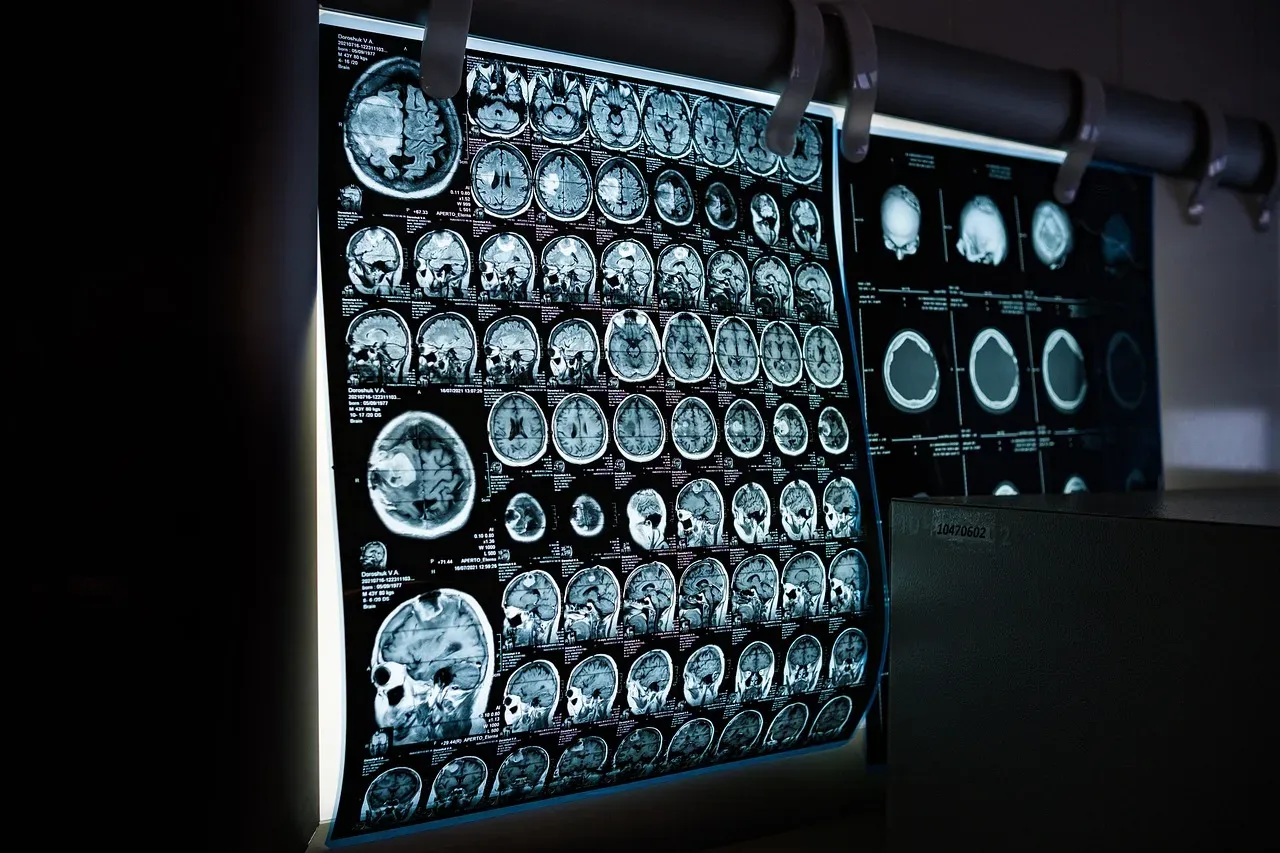
Gambling severity did predict the neural response to near-miss outcomes, in the midbrain. This activation was proximal to the dopaminergic nuclei in the substantia nigra and ventral tegmental area. This is a meaningful finding. It suggests that the more someone gambles, the more their midbrain responds to near-misses, not to actual wins.
Partner offer
The data show that a state of overall reward deficiency is coupled with excessive recruitment of brain reward circuitry under conditions of cognitive distortion, specifically near-misses, which varies as a function of gambling severity. The brain of a heavier gambler essentially becomes more sensitive to near-misses even as it becomes less sensitive to real rewards.
The association between midbrain activity to near misses and gambling severity was not readily explained by other clinical symptoms such as depression, impulsivity, OCD, or alcohol use that are moderately prevalent in regular gamblers. The near-miss response, in other words, appears to be a distinguishing feature of gambling involvement itself, not simply a byproduct of other conditions.
The Role of the Anterior Insula in Sustaining the Urge
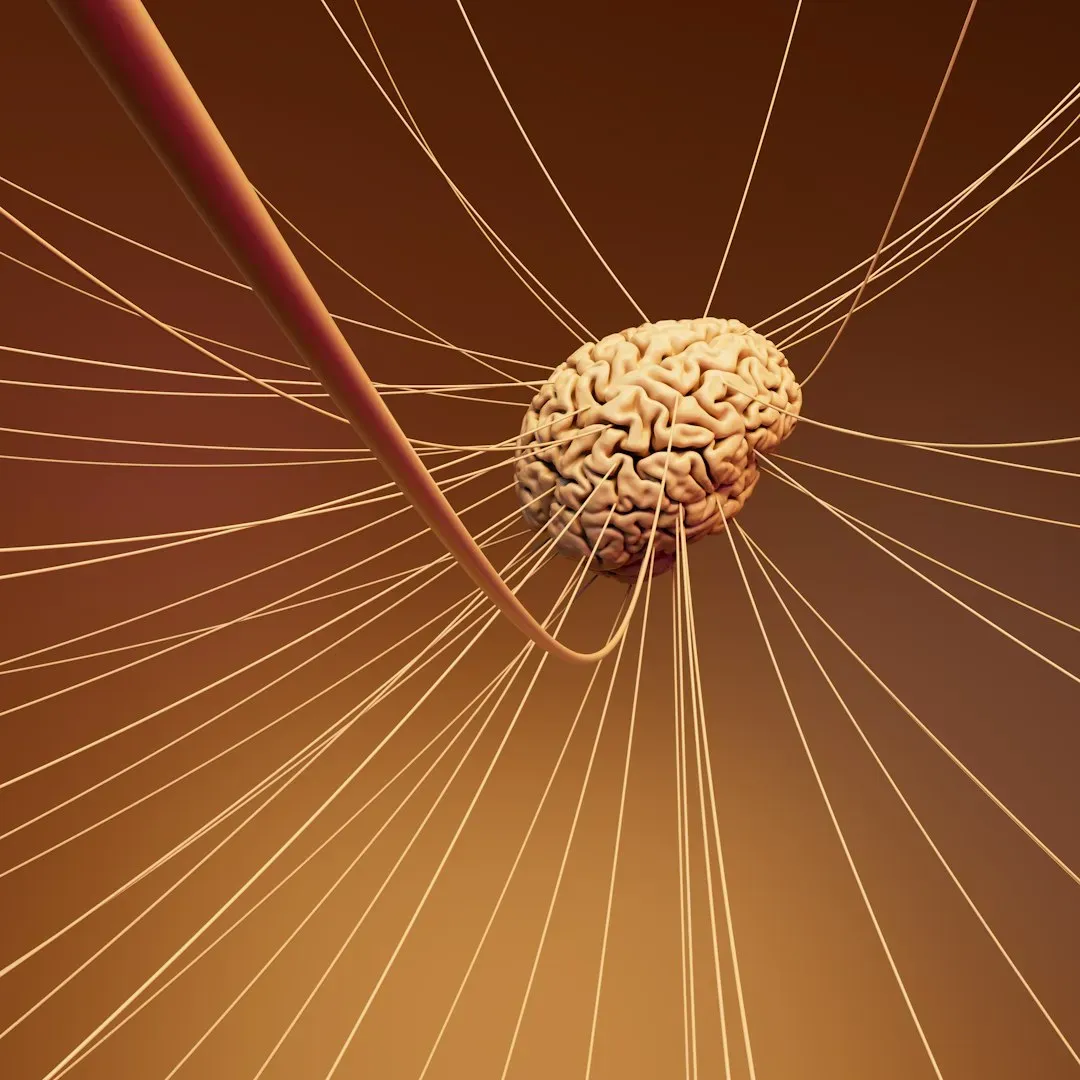
Given its well-recognized role in the processing of bodily feedback, the insula’s involvement in addictive behaviors may be to signal the interoceptive aspects of compulsive urges. While previous fMRI studies have often associated insula activity with negative emotional states, it is also reliably recruited in response to monetary gains and other appetitive processing.
Based on present findings, researchers hypothesize that excessive insula recruitment during gambling play may be a risk factor for the cognitive distortions and loss-chasing that are characteristic of problem gambling. The insula, then, is partly responsible for translating the near-miss event into a felt bodily signal, a sense of urgency that is hard to distinguish from anticipation. The close relationships between insula recruitment and measures of gambling propensity and the subjective effects of near-misses indicate an important role for the insula in decisions to gamble.
Near-Misses Are Engineered, Not Random
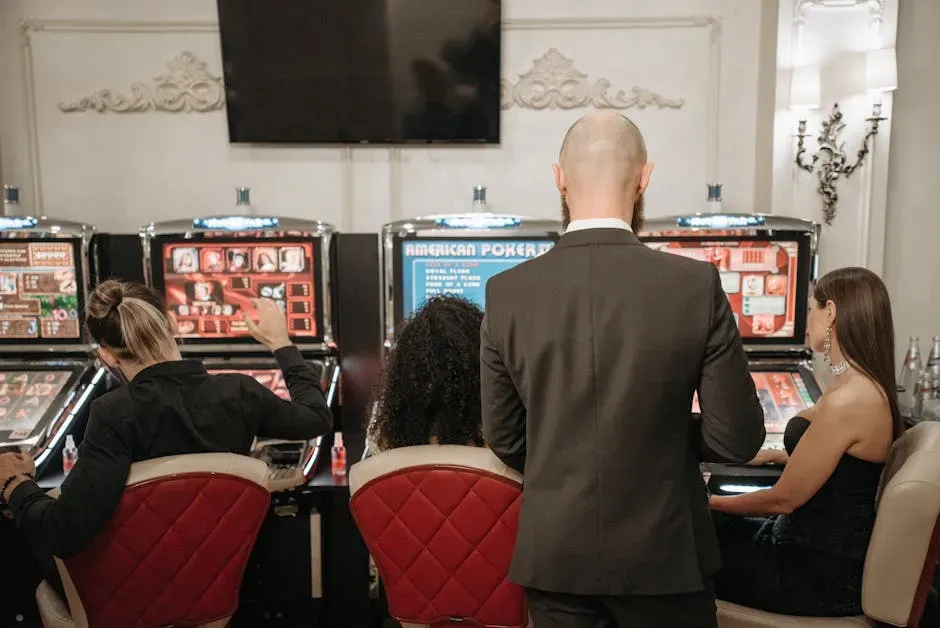
Virtual reel mapping technology enables creators to produce an illusion of near-miss outcomes much more frequently than random chance would typically generate in traditional machines. Gaming programmers program stop positions that display losing combinations appearing visually similar to jackpots, even though the actual odds remain unaltered. This advanced technique generates a sense of “almost winning” that has minimal connection to the actual mathematical odds.
Audio cues and visual displays are strategically deployed to amplify the emotional impact of near-miss experiences, with bright lights and celebratory sounds often accompanying outcomes that are actually losing results. These design choices aren’t neutral. They are purpose-built to exploit the exact neural vulnerabilities that brain imaging has now confirmed. Such actions increase player engagement, prompting players to take more risks and play longer despite the lack of winnings.
Impulsivity: The Trait That Makes Near-Misses Hit Harder
After controlling for gender, race, and lifetime gambling frequency, the near-miss condition was found to moderate the relationship between impulsivity and the number of trials played. Not everyone responds equally. The interaction between impulsivity and near-miss frequency has emerged as a consistent thread in the research literature. When there were fewer near-misses, impulsivity did not appear to impact decision-making. However, when near-misses were frequent, individuals with higher impulsivity persisted longer, even when other characteristics of gameplay remained constant, including bet size and prizes.
Players reported higher levels of impulsivity and willingness to engage in risky behavior following a near miss during slot machine gambling. The near-miss doesn’t just sustain existing behavior. For people already prone to impulsive decisions, it may actively escalate it. These findings suggest that certain features of slot machines may capitalize on impulsive gamblers’ vulnerabilities and should be regulated.
The 2024 Online Gambling Confirmation
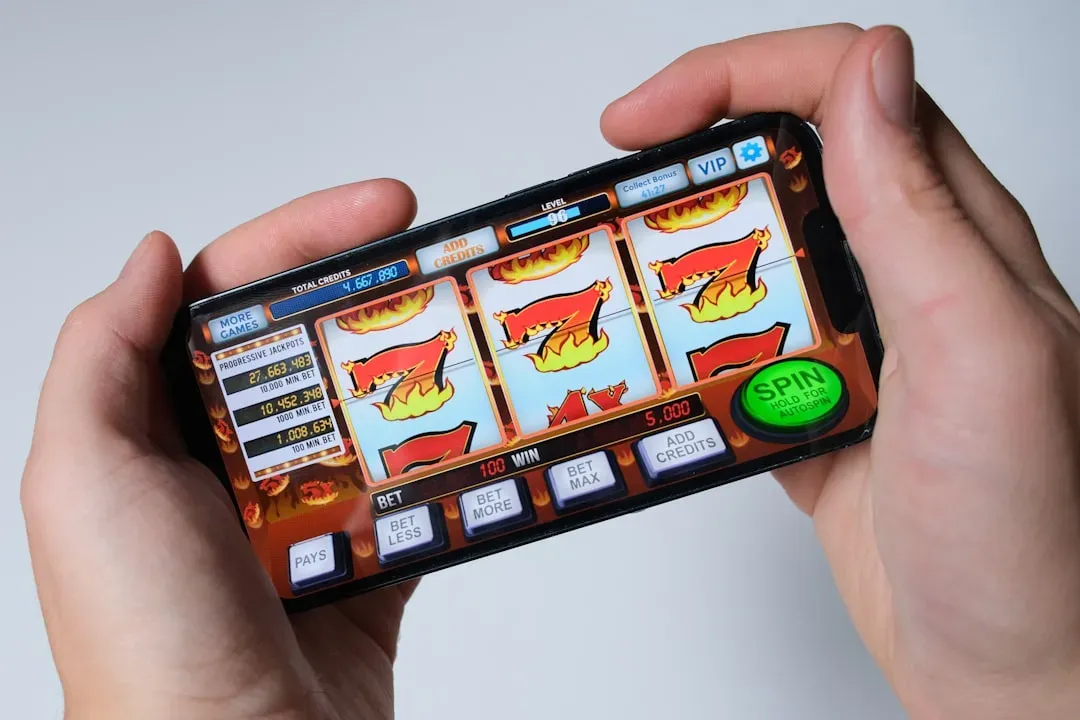
Near-misses are a structural characteristic of gambling products that can be engineered within modern digital games. Across all dependent variables, near-miss outcomes yielded statistically significant differences from objectively equivalent full-miss outcomes, corroborating the “near-miss effect” across both subjective and behavioral measures, and in the environment of online gambling. This 2024 study, published in APA’s journal on addictive behaviors, is particularly relevant given the expansion of digital slot platforms.
Near-misses increased the desire to continue playing especially in those gamblers who showed a tendency to “chasing losses,” suggesting that near-misses can enhance the motivation of gamblers to pursue losses and continue playing, fueling the illusion of control and increasing the motivation to keep playing to avoid losses. The mechanism transfers seamlessly from physical machines to apps and browser-based games.
What the Research Means for Awareness and Regulation
Identification of specific patterns of brain activity related to problem gambling may provide a deeper understanding of its underlying mechanisms, highlighting the importance of neurophysiological studies to better understand development and persistence of gambling behavior. Science has now mapped the terrain with reasonable clarity. The near-miss is not just an uncomfortable feeling. It is a well-documented neural event with measurable correlates in the dopaminergic midbrain, the ventral striatum, and the anterior insula.
The near-miss can enhance the motivation of gamblers to pursue losses and continue playing. Chasing losses appears to be strongly correlated with characteristics related to impulsivity, which makes gamblers more inclined to make irrational bets or pursue short-term gains without fully considering long-term risks. Recognizing this process as deliberate design, rather than incidental feature, is the first step toward informed engagement.
The near-miss effect is one of those cases where neuroscience and product design have converged in ways that deserve honest public attention. Your brain isn’t weak for responding to a two-cherry outcome. It’s doing exactly what its reward circuitry was built to do. The machine just happens to be built around that fact.
Partner offer
Planning a trip to Vegas?
Compare hotel rates and show tickets on VEGAS.com.