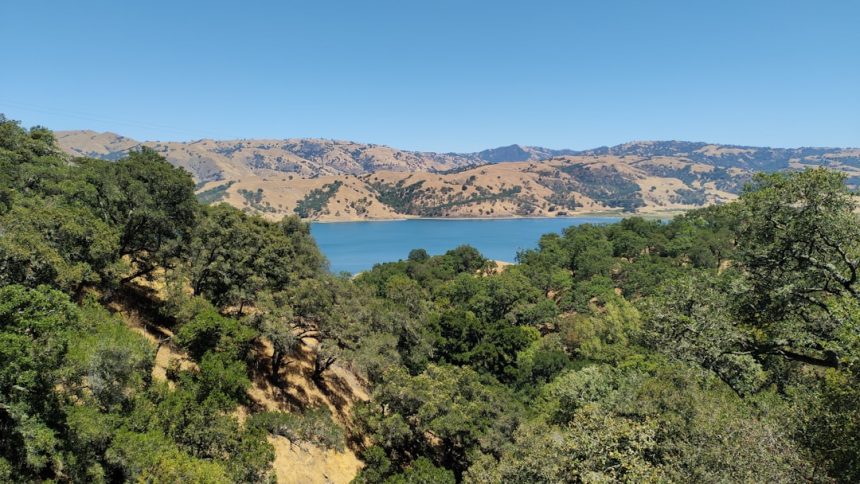
Few places in the American West carry more symbolic weight than Lake Mead. It stretches across the Nevada-Arizona border with an almost theatrical scale, and for decades it stood as proof that human engineering could outmaneuver a desert. That story is now being rewritten, one lost foot of elevation at a time. Lake Mead, located on the Colorado River, is the largest reservoir in the United States by capacity and a critical water source for millions of people across Nevada, Arizona, California, and Mexico. What began as an engineering triumph has evolved into one of the most politically charged natural resource crises in modern American history.
A Reservoir Built on Borrowed Time
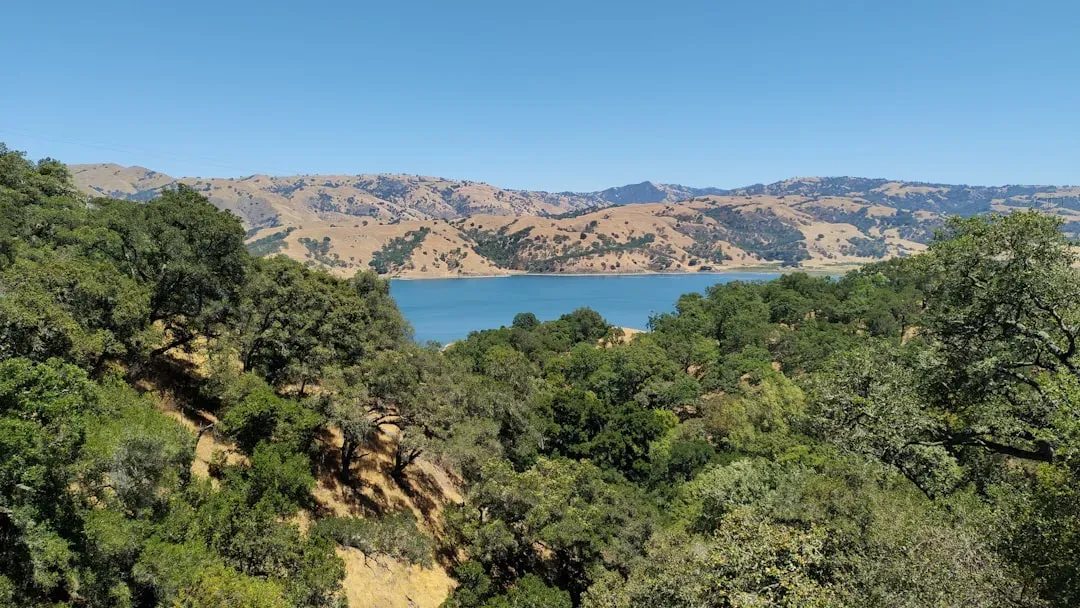
At maximum capacity, Lake Mead is 112 miles long, 532 feet at its greatest depth, has a surface elevation of 1,229 feet above sea level, and contains 28.23 million acre-feet of water. Those numbers make it sound invincible. They are not.
The lake has remained below full capacity since 1983 owing to drought and increased water demand. That is more than four decades of slow, persistent loss.
Since 2000, shrinking snowpacks, rising temperatures, thirsty crops, and growing populations have strained the Colorado River and its reservoirs Lake Powell and Lake Mead. The decline is not a single dramatic event. It is an accumulation of dry years, competing demands, and decisions deferred.
The Low Point That Shocked the Nation
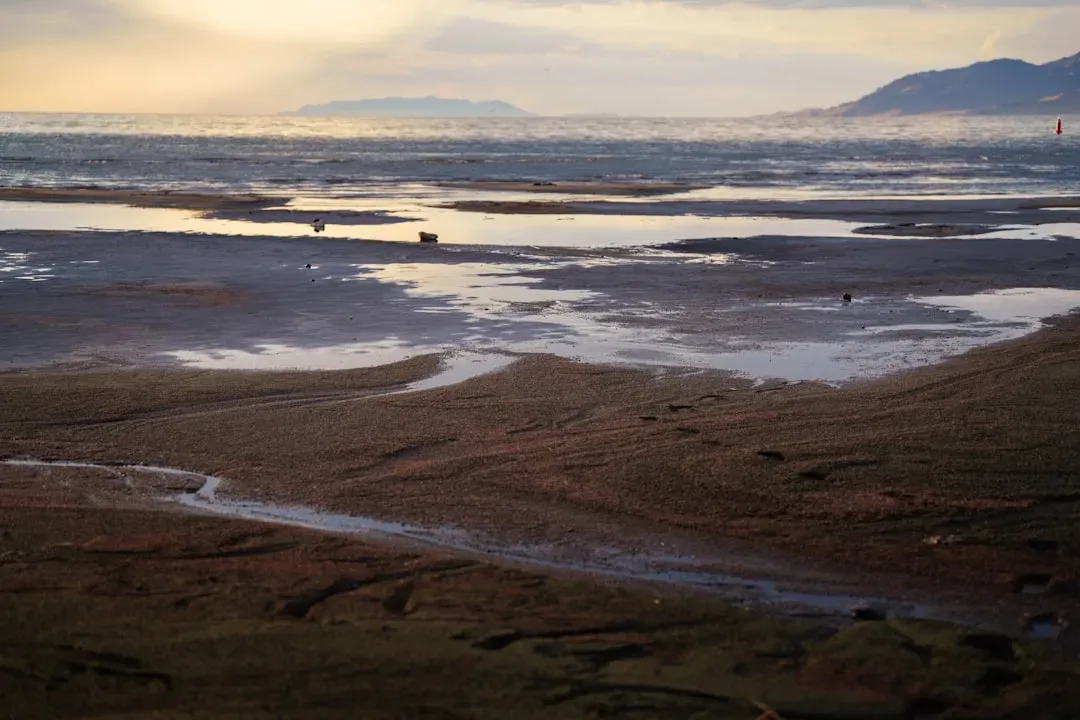
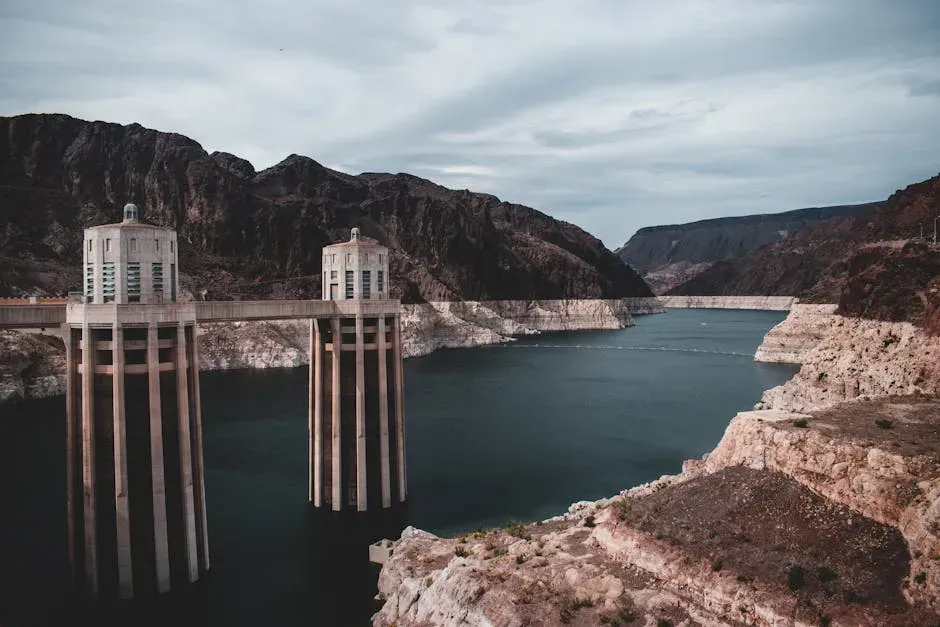
On July 28, 2022, the level was 1,040.58 feet, the lowest level since 1937 when the reservoir was initially filled. Images of the exposed bathtub ring, that pale calcium-carbonate band circling the canyon walls, became one of the most widely shared visual symbols of the Western drought.
On May 31, 2022, Lake Mead held just over a quarter of its full capacity at 7.517 million acre-feet, having dropped in June 2021 below the reservoir’s previous all-time low recorded in July 2016, and never returning to that level. These were not projections. These were measurements.
Lake Mead’s water level fell almost 148 feet between the beginning of 2000 and 2025. Lake Powell’s level fell by 112 feet. That scale of decline is difficult to visualize, but it represents a fundamental transformation in how much water the American Southwest actually has access to.
A Brief Recovery That Raised, Then Dashed, Hopes
While levels surged in 2023 following a historically wet winter and plummeted during 2022’s severe drought, 2024 offered a more consistent trajectory. At the end of January 2024, Lake Mead’s levels were measured at 1,072.67 feet, significantly higher than the 1,046.97 feet recorded at the start of 2023.
By December 2024, following the implementation of water conservation measures, Lake Mead’s water levels had risen by 16 feet again over two years. That recovery, modest as it was, bought time rather than solving anything structural.
Even at its lowest point in late fall, levels remained at 1,061 feet, well above the critical dead pool threshold. As of December 23, Lake Mead stood at 1,062.67 feet, roughly one third full, about five feet lower than at the same point the prior year. The improvement was real, but fragile.
The Dead Pool Threat Is Not Theoretical
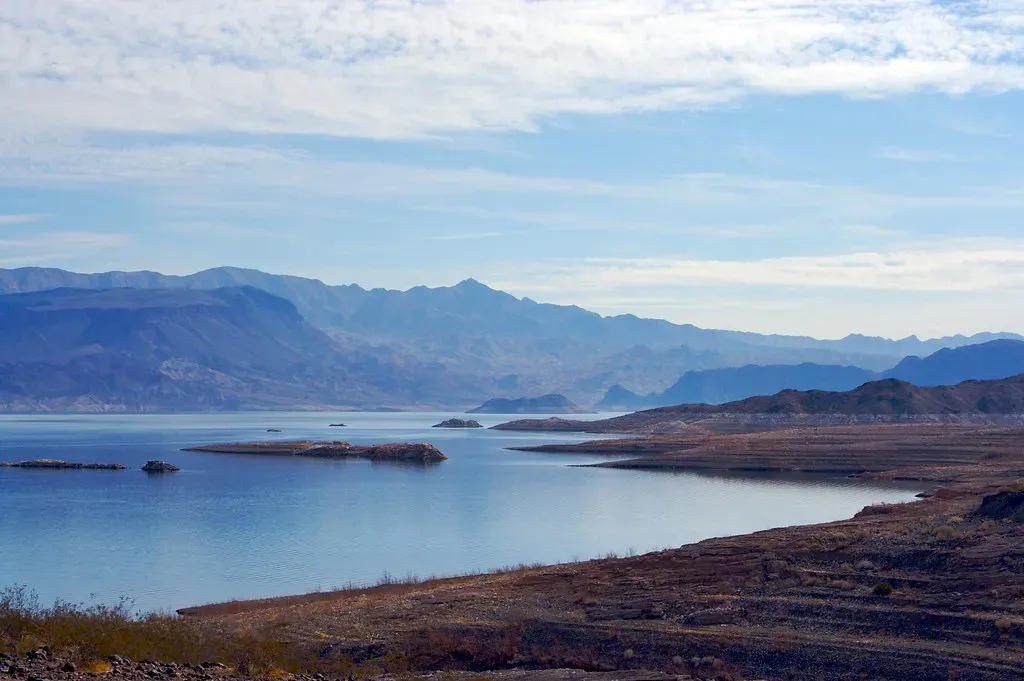
At 895 feet above mean sea level, or dead pool, Lake Mead can no longer provide water supply or hydropower generation to 40 million people. That threshold sounds remote until you look at the trend lines.
According to the U.S. Bureau of Reclamation’s August 2025 two-year study, Lake Mead’s elevation is expected to remain between 1,050 and 1,075 feet as of January 1, 2026, well above the dead pool level at 895 feet. Under current most probable projections, Lake Mead could fall below 1,050 feet by July 2026, triggering a heavy shortage.
The Bureau of Reclamation has warned that Hoover Dam’s hydropower output could drop by as much as 40% by this fall, a projection that would ripple through electricity bills for roughly 1.3 million households and businesses in Nevada, Arizona, and Southern California. That warning marks the starkest public acknowledgment yet that the Colorado River crisis is no longer just a water problem. It is now an energy problem, too.
The Fracture Between Upper and Lower Basin States

The states have been stuck in a stalemate over water cuts for more than two years, with the Upper Basin states, Utah, Colorado, New Mexico and Wyoming, at odds with their Lower Basin neighbors, Arizona, California and Nevada. This is not a new argument. It is an old one that has grown more dangerous as the reservoir it concerns has shrunk.
The biggest point of contention in the negotiation of the post-2026 operating guidelines is which states would take cuts, and how big they would be. In 2024, California, Arizona and Nevada committed to collectively reducing their use by 1.25 million acre-feet a year, roughly a fifth of what they used that year, and proposed splitting additional cuts with the Upper Basin and Mexico up to a total of 3.9 million acre-feet.
For their part, Colorado, Utah, Wyoming and New Mexico have, at least publicly, been adamant about not taking any cuts. They argue that, without any large upstream reservoirs backstopping their water supplies, they have already been disproportionately affected by drought and climate change. Both sides have legitimate grievances, which is precisely what makes the negotiations so difficult.
Federal Deadlines That Keep Getting Missed
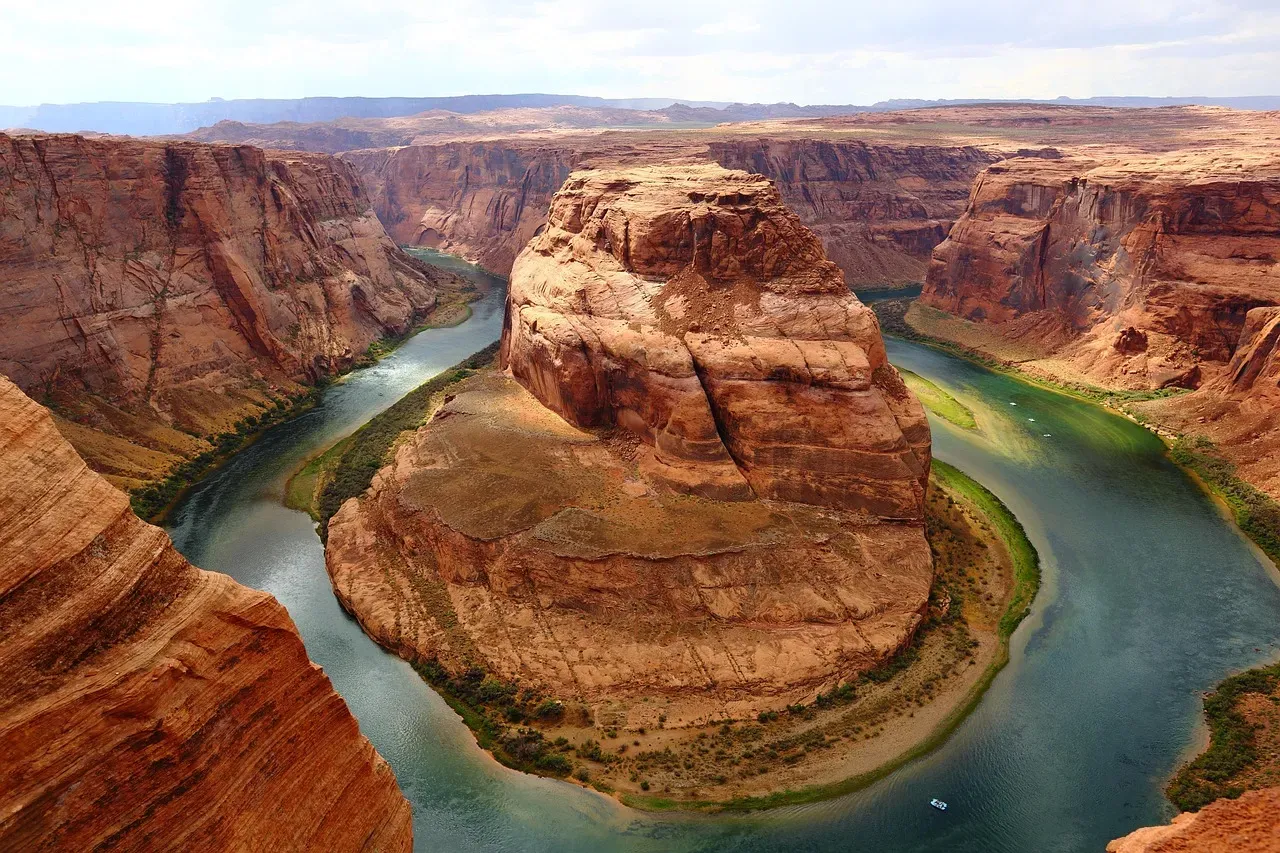
Negotiations over how to stabilize the shrinking Colorado River are so deadlocked that one of the seven state officials involved now says he doesn’t think it’s possible to get a 20-year agreement to rewrite the river’s operating rules. They’re so deadlocked that the acting U.S. Bureau of Reclamation chief is now ready to discuss the possibility of dictating a top-down fix for the river’s chronic overuse of water.
In January 2026, Reclamation released the Draft Environmental Impact Statement for the post-2026 operational guidelines and strategies for Lake Powell and Lake Mead. The statement evaluated five alternatives; no alternative was developed through consensus of all seven Basin states, and the statement did not identify any of the five as the preferred alternative. In February, the seven Basin states missed a Department of Interior-imposed deadline to reach an agreement.
Partner offer
If the seven basin states haven’t come to an agreement, the Department of the Interior will impose a plan. Since odds are low that every basin state will agree to a federally proposed plan, the most likely outcome is years of litigation, which would go straight to the Supreme Court. That outcome would benefit lawyers and no one else.
Agriculture: The Largest Straw in the River
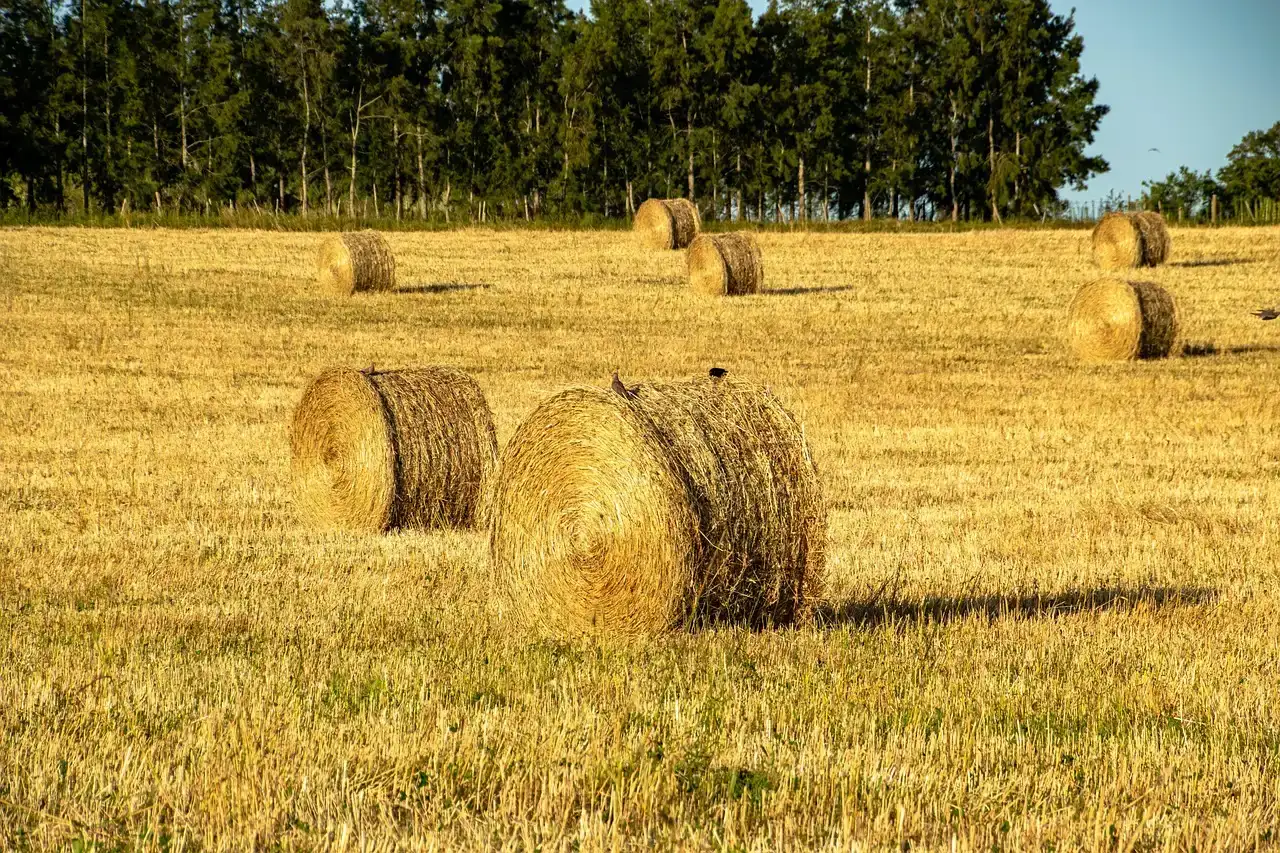
About 60% of the basins’ water consumption is for agriculture and livestock. No serious conversation about saving Lake Mead can avoid that fact, even when it is politically inconvenient to say so.
There are half a million acres of high water-consuming alfalfa, as well as winter vegetables and other crops, in California’s Imperial Valley. Farmers are faced with the potential of growing less thirsty crops, but say they should not be alone in cuts. That resistance is understandable, but the math does not move to accommodate it.
Farmers in California’s Imperial Valley hold some of the oldest water rights and receive the largest share of water as of 2024. Water rights in the West are largely based on a first-come, first-served doctrine that made sense in the 19th century and is increasingly strained in the 21st. The original pact was negotiated at a time when the Colorado River had more water, and there was far less population in the Western states.
Tribal Nations: Underrecognized Stakeholders With Real Power
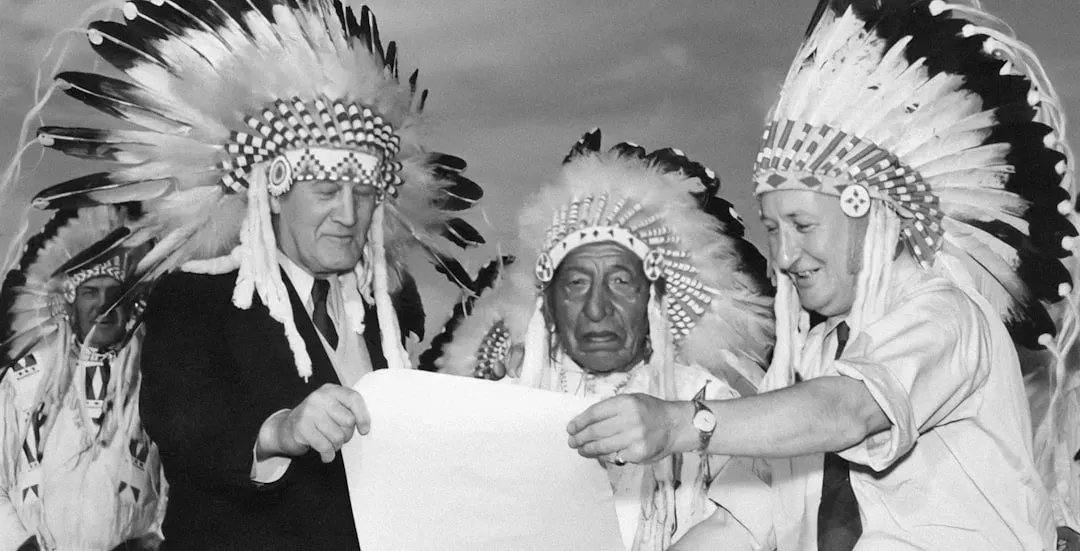
Indigenous nations have recognized rights to more than one-fifth of the basin’s annual supply, more than a trillion gallons, or nearly enough to cover an area the size of Connecticut in a foot of water. For most of the river’s modern management history, those rights were largely ignored.
The Gila River Indian Community in Arizona received $50 million from the Inflation Reduction Act in exchange for agreeing to leave 125,000 acre-feet of water in Lake Mead, adding about two feet of water to the reservoir. The Gila River Indian Community committed to similar water savings and received an additional $100 million in funding, conserving enough water to supply half a million homes. Tribal conservation has been one of the most concrete contributions to stabilizing the reservoir.
Tribes across the West have worked with states to protect the Colorado River and conserve enough water to raise elevations in the river’s two largest reservoirs, Lakes Powell and Mead. Now tribes want to make it clear that any future agreements on how to manage the river’s water must include their input and an acknowledgment that they intend to develop their water rights. Their participation is no longer optional.
What the Climate Data Actually Shows
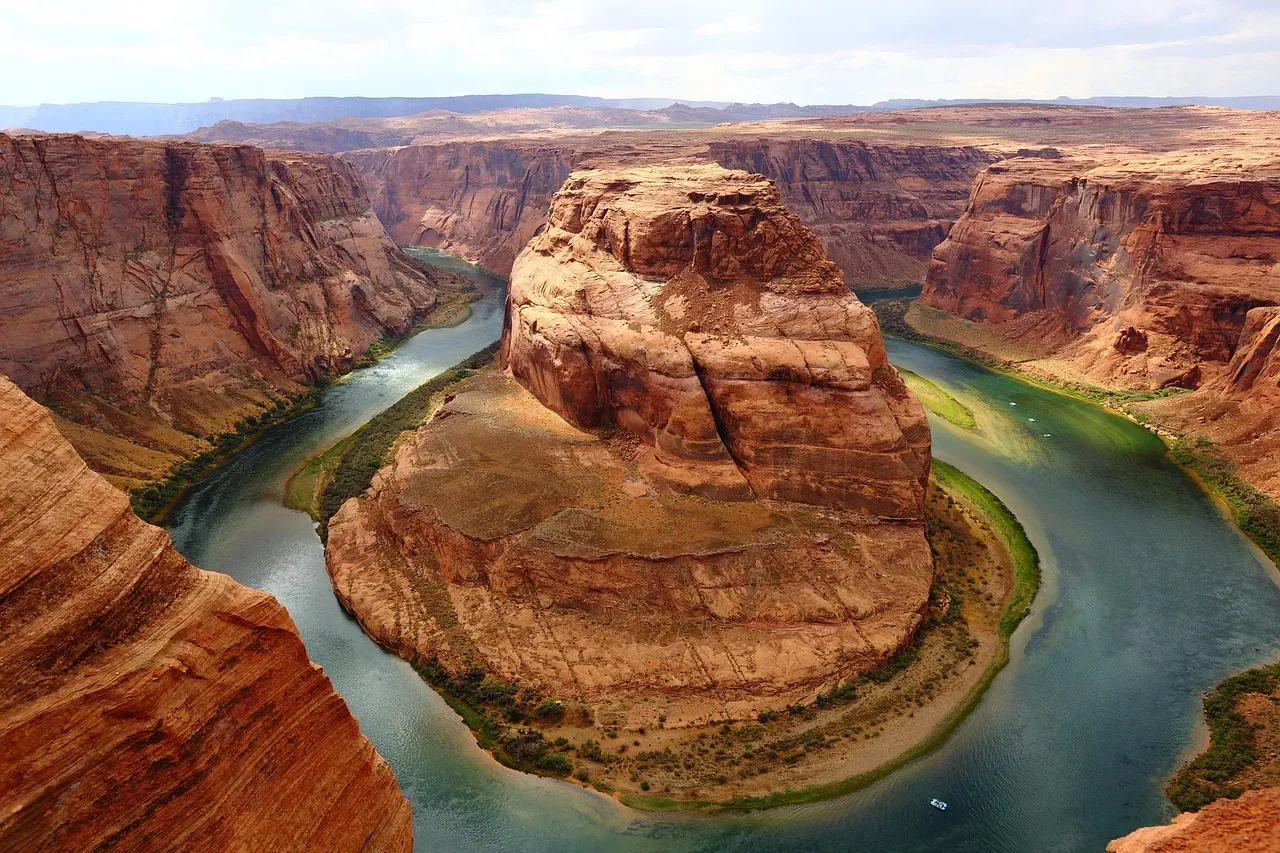
In the last 25 years, the flows in this basin are down about 20% from what they were the previous century, according to Douglas Kenney, director of the Western Water Policy Program at the University of Colorado Law School. That is not a weather pattern. That is a new baseline.
Lake Mead is losing more water each year than it gains, even when there is no drought. The current structural deficit ranges between 1.2 and 1.5 million acre-feet. Conservation measures can narrow that gap, but they cannot close it without genuine, permanent reductions in consumption.
A 2025 Colorado River research report states that both the water supply and institutional systems are failing; many of the environmental systems failed years ago, with others just hanging on desperately. That is a blunt assessment from researchers, not from advocates with an agenda.
Conservation Wins, and Why They Are Still Not Enough
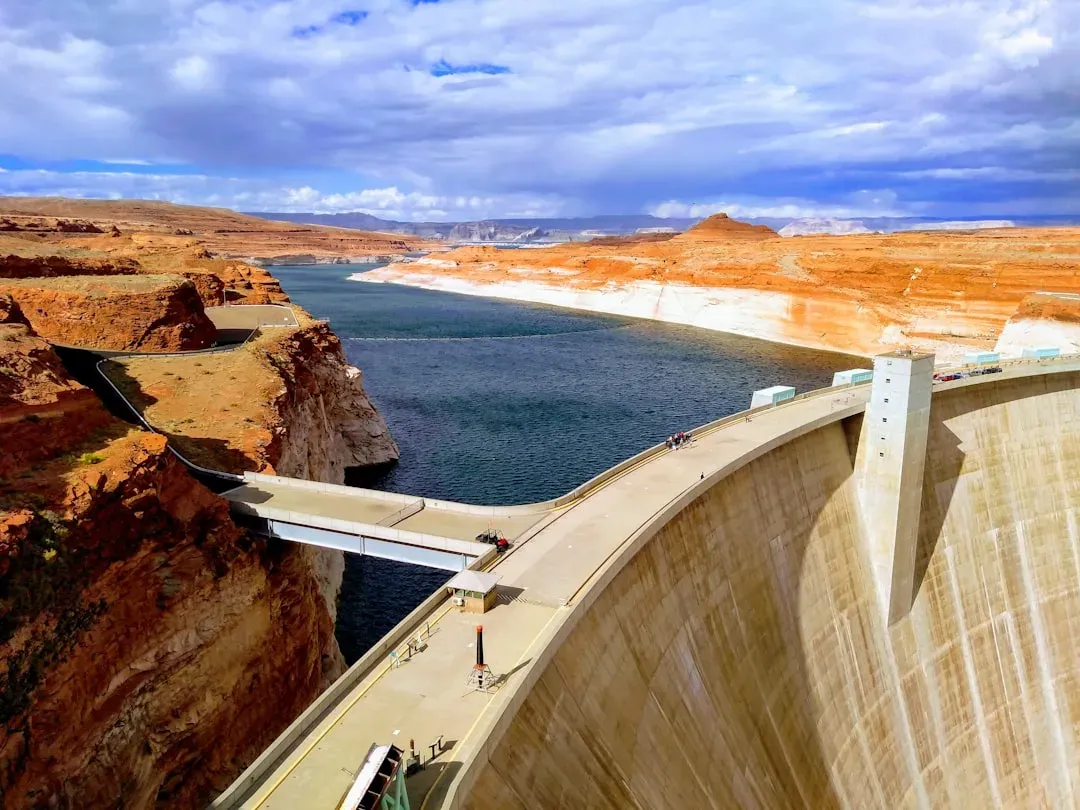
In 2025, California decreased its Colorado River water consumption by 14%, the lowest use level since 1949. In that time, the state’s population has quadrupled. Meanwhile, Arizona decreased its Colorado River consumption by nearly a third in 2024. Those are meaningful reductions, and they deserve recognition.
According to an announcement by the Colorado River Board of California, Californians saved over 1.2 million acre-feet of water in just two years, potentially raising Lake Mead’s water levels by an estimated 16 feet. Still, as negotiators remind anyone who will listen, conservation buys time. It does not replace water that climate change and overallocation have already removed.
Some 40 million people, 5.5 million acres of farmland and a $1.4 trillion economy depend on water from the river. But the double whammy of climate change and a now-quarter-century-long drought has strained relationships between the seven states that share the dwindling river. The political complexity is proportional to the stakes, which is exactly what makes resolution so hard to reach.
The Road Ahead: Agreement or Federal Imposition
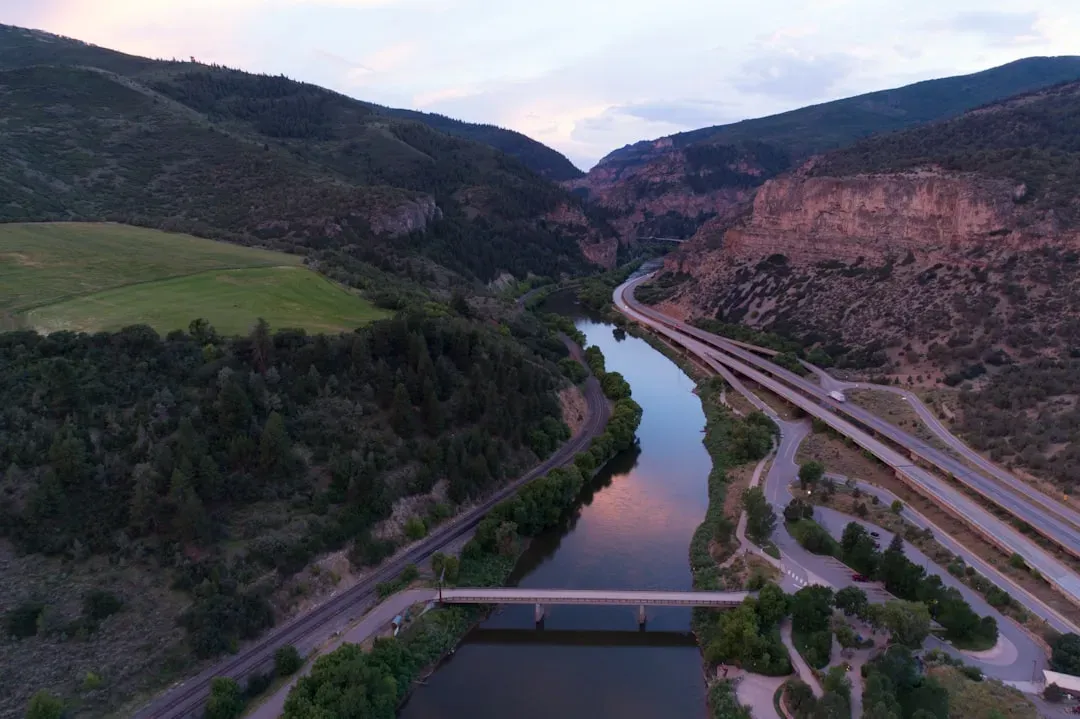
No official agreement is in place between the seven states on what Colorado River operations will look like in the future. They need to come to an agreement before the new water year begins on October 1. In the absence of consensus and following the completion of the NEPA process, the Interior Department will be prepared to determine operations for post-2026.
The five most common sources of conflict between people are values, data, relationships, interests and structure. The current Colorado River negotiations include all five. That is not political commentary. It is a clinical description of what is actually happening around the negotiating table.
While 2024 brought much-needed stability, Lake Mead’s future remains precarious, and it’s unlikely it will ever be completely full again. That sentence, if taken seriously, should change how every downstream user thinks about the water flowing from their tap.
The story of Lake Mead is ultimately a story about arithmetic. For decades, more water was promised than the river could deliver, more was withdrawn than the sky could replenish, and more was debated than was ever decided. The reservoir is still there, still vast, still carrying the weight of cities and farms and power grids. What it can no longer carry is the illusion that the reckoning is still somewhere in the future.Partner offer
Planning a trip to Vegas?
Compare hotel rates and show tickets on VEGAS.com.