
There is a moment inside Las Vegas’s Sphere when the wraparound LED display fills every inch of your visual field, and something strange happens in the mind. Rational thought briefly steps aside. A visitor sitting inside that 366-foot spherical structure is, without knowing it, participating in one of the most studied emotional states in modern psychology: awe. Awe is the profound feeling often triggered by vast or sublime stimuli that challenge our usual frames of reference. The Sphere didn’t invent this feeling. It just engineered a reliable machine for producing it. What science is discovering is that this emotion carries real and measurable consequences for mental and physical health, well beyond the moment of wonder itself.
What Awe Actually Is, Scientifically Speaking

Emerging research suggests that experiencing awe can transform cognitive and emotional processes in ways beneficial for well-being, prosociality, creativity, and overall mental health. Emotions such as joy, sadness, anger, or fear are widely recognized and thoroughly studied in psychology. Awe, by contrast, has only recently attracted the rigorous scientific attention it deserves.
Awe is an extraordinary emotion felt when encountering exceptional objects, such as vast landscapes, masterpieces in art, or sublime lives. It is a complex emotion that encompasses conflicting affective feelings inherent to its key appraisals. Its ambivalent nature, combining wonder with a kind of smallness, is actually central to its power.
Awe encourages a shift away from egocentric thinking, leading individuals to expand their mental scheme to fully process remarkable subjects. Consequently, awe has long been regarded as a “life-changing” emotion that helps people persevere through adversity. Even in daily life, awe fosters a broader perspective that can enhance subjective well-being, promote prosocial behavior, and increase resilience.
The Sphere as a Modern Awe Machine

The Sphere Las Vegas is not a conventional theater, arena, or concert hall. It is a fully integrated immersive environment engineered around a single defining feature: a massive, wraparound LED display paired with a precision-tuned audio system designed to envelop the audience.
The venue stands 366 feet high and 516 feet wide, spanning a total of 875,000 square feet. Unlike traditional venues that adapt to different productions, Sphere dictates the form of the experience itself. Performances staged here are built specifically to leverage the venue’s technology, scale, and environmental controls, making the space inseparable from the content presented inside it.
When guests get inside the actual entertainment bowl, they are greeted with a screen that wraps up and around them with vibrations in the seats so it feels like a ride. The venue can fit as many as 20,000 people, and the partially hollow arena expands and contracts by 18 inches, with the circumference around the building a quarter of a mile long.
What Happens in the Brain During Awe
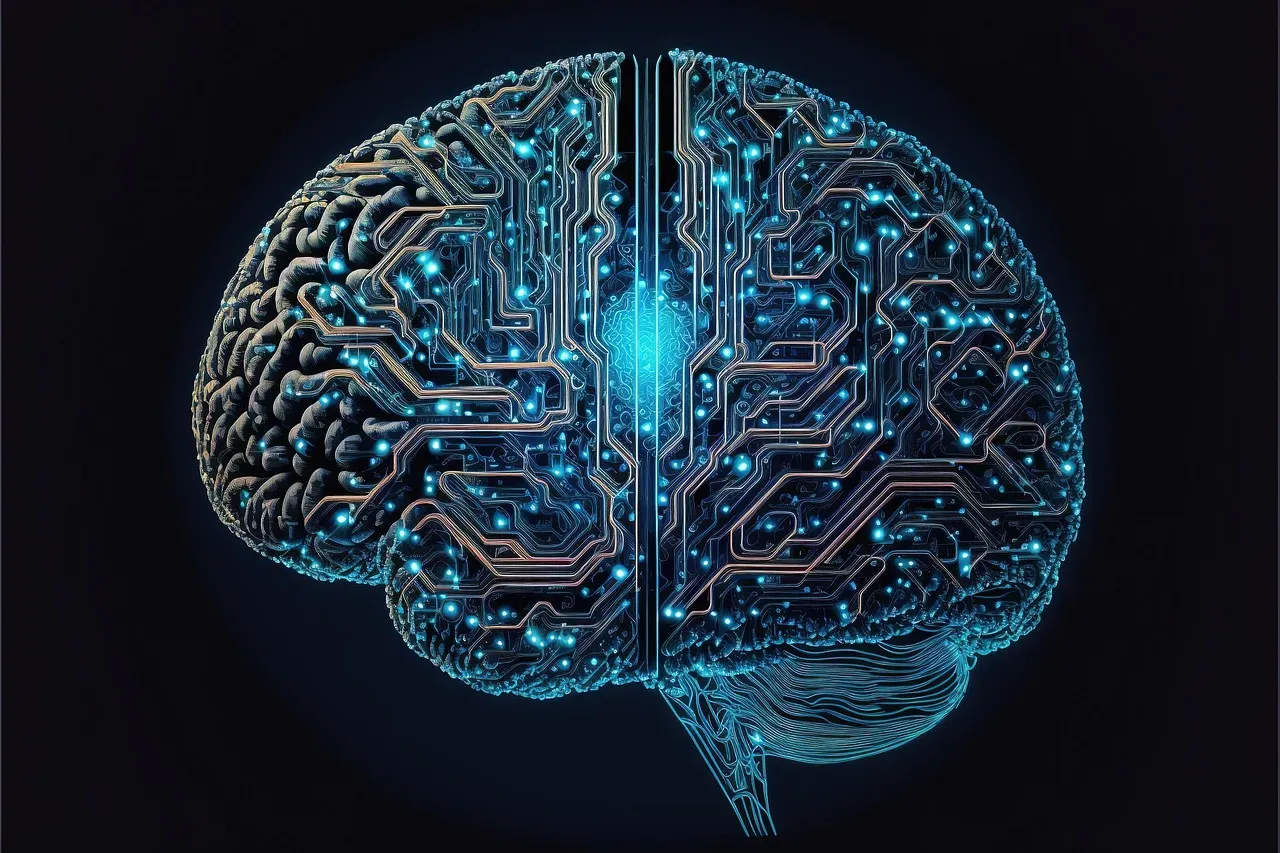
In 2019, researchers at the University of Amsterdam asked 32 healthy adults to watch awe-inspiring, positive, and neutral videos while inside an fMRI machine. During the awe clips, activity in the brain’s default mode network, the system tied to self-focused thought, dropped noticeably compared with neutral clips. That quieting helps explain why awe feels self-transcendent, pulling attention away from inward rumination and toward a broader perspective.
Experiencing an awesome moment triggers the anterior cingulate cortex, which plays a role in emotion regulation and cognitive function. During moments of awe, the ACC helps modulate our emotional response, fostering a sense of calm and wonder. Awe and wonder also trigger the release of dopamine in the brain, a neurotransmitter associated with pleasure and reward.
Recent research shows that awe doesn’t just change how we feel; it changes how our bodies work. Neuroscientist Virginia Sturm at the University of California, San Francisco, explains that the emotion moves the body out of “fight-or-flight” and into the calmer “rest-and-digest” state.
Awe and Inflammation: The Surprising Biological Link

Researchers have linked positive emotions, especially the awe we feel when touched by the beauty of nature, art, and spirituality, with lower levels of pro-inflammatory cytokines, which are proteins that signal the immune system to work harder.
In two separate experiments, more than 200 young adults reported on a given day the extent to which they had experienced positive emotions. Samples of gum and cheek tissue taken that same day showed that those who experienced more of these positive emotions, especially awe, wonder, and amazement, had the lowest levels of the cytokine Interleukin-6, a marker of inflammation.
Empirical studies find experiences of awe to be associated with increased vagal tone, reduced activation of the sympathetic nervous system, and lower inflammation, as indexed by the biomarker interleukin-6. In addition to autoimmune diseases, elevated cytokines have been tied to depression. One study found that depressed patients had higher levels of pro-inflammatory cytokines than their non-depressed counterparts, and it is believed that by signaling the brain to produce inflammatory molecules, cytokines can block key hormones and neurotransmitters such as serotonin and dopamine that control moods, appetite, sleep, and memory.
Awe as a Clinical Tool: The Evidence Grows

Emerging evidence suggests that experiences of awe benefit health and well-being. One investigation examined the efficacy of an awe intervention to improve the psychological health of patients living with long COVID. The awe intervention, a randomized controlled clinical trial, was delivered in synchronous online sessions to patients across the United States who met the criteria for long COVID. Results revealed significant improvements in psychological health for those in the awe intervention, including decreased stress, decreased depression symptoms, and increased well-being.
The study, results of which were published in the journal Nature: Scientific Reports in May 2025, found that long COVID patients could reduce their symptoms of depression by learning to find awe in their daily lives. It is one of the most rigorous studies to date on the mental health benefits of awe and its accessibility, even in everyday settings.
Across both community adults and healthcare professionals studied during the COVID-19 pandemic, researchers found that awe and well-being increased and stress and somatic health symptoms decreased over a 22-day diary period. In daily level analyses, the more daily awe people experienced, the less stress, less somatic health symptoms, and greater well-being they felt.
The “Small Self” Effect and Why It Matters

Awe engages five processes: shifts in neurophysiology, a diminished focus on the self, increased prosocial relationality, greater social integration, and a heightened sense of meaning, all of which benefit well-being. The concept of a diminished self, sometimes called the “small self,” is one of the most important mechanisms researchers have identified.
Mediational data demonstrate that the effects of awe on prosociality are explained, in part, by feelings of a small self, and indicate that awe may help situate individuals within broader social contexts and enhance collective concern. When you feel small in the face of something vast, you paradoxically feel more connected to others.
Partner offer
Structural equation modeling indicated that the benefits of awe VR experiences were partially mediated by feelings of the “small self” and connectedness with nature. This mechanism appears to hold even in engineered or virtual environments, suggesting that the origin of the awe matters less than the psychological state it produces.
Awe and Resilience in Extreme Circumstances

One recent study investigated whether virtual reality applications designed to evoke awe could improve the psychological wellbeing of war-affected children and adolescents, examining how different VR experiences, including awe-inspiring, calming, or neutral ones, impacted situational anxiety, emotions, hope, and sense of meaning in youth evacuated from conflict zones.
Using repeated-measures statistical analyses, awe-inspiring VR applications significantly increased positive emotions, hope, and meaning in life while reducing state anxiety and negative emotions compared to neutral applications. The awe applications had a greater effect on reducing negative emotions and anxiety in participants with higher exposure to war trauma.
Recent work by Shoshani and Hen explored the use of eliciting awe through virtual reality to support the resilience of children and adolescents affected by war, while Chen et al. demonstrated that awe experiences can increase resilience and wellbeing. The research collectively points toward awe as a practical, accessible intervention tool, even in the most difficult contexts.
Awe in Everyday Life: You Don’t Need a Sphere

Awe may seem like something reserved for once-in-a-lifetime moments, but researchers say it’s surprisingly easy to spark in everyday life. While some people are naturally more “awe-prone,” we can all create practices that promote awe in everyday life.
Even our sense of time bends under awe. In a 2012 Psychological Science study, participants who experienced awe felt time expand, which left them less impatient, more generous, and more satisfied with life. These effects emerged not from grand journeys, but from orchestrated, brief encounters with something larger than the self.
Individuals preoccupied with daily stress or cynicism may have trouble tapping into awe. Gradual exposure to small wonders, such as mindful observation of everyday marvels like a sunrise or a budding flower, can build “awe readiness” and encourage open, childlike curiosity.
The Collective Dimension: Shared Awe and Social Bonding

Dacher Keltner frames awe as more than stress relief: it nudges us into what psychologist Shelley Taylor calls “tend-and-befriend,” a mode where attention turns outward toward kindness, belonging, and purpose. This social dimension is one of the most underappreciated aspects of the emotion.
Awe tends to bloom in groups, what social psychologist Émile Durkheim calls “collective effervescence,” as voices rise together in song, strangers erupt in cheer at a stadium, or a crowd falls into step on a city sidewalk. The Sphere, at capacity, seats 20,000 people sharing an identical visual and emotional experience at once.
People in awe-inducing group situations tend to report feeling that their self merges with others, a sense of interconnectedness. In one study, participants who moved in synchrony with others felt more interconnected with those around them. Shared awe, it turns out, doesn’t just help the individual. It stitches communities together.
What Awe Research Still Doesn’t Know

Measuring awe poses challenges because it is both subjective and context-dependent. Standardizing awe inductions in laboratory or coaching settings might reduce ecological validity. What produces awe in one person may leave another unmoved, and researchers are still mapping the factors that influence this variability.
Awe is a complex emotion that encompasses conflicting affective feelings, but it has been studied as either a positive or a negative emotion, which has made its ambivalent nature underexplored. To address whether and how awe’s ambivalent affect is represented both behaviorally and neurologically, researchers have conducted studies using virtual reality and electroencephalography.
Awe experience models show that the relationships between awe experiences and their mediators, and those mediators and health outcomes, have been empirically identified. However, the entire pathways have only recently begun to be tested. The science is young, promising, and still incomplete, and that honesty is part of what makes the field credible.
Conclusion: Engineering Wonder, Protecting the Mind
The Sphere is a striking physical symbol of something deeper that science has been quietly documenting for years. Awe is not a luxury or an accident. The nascent science of awe suggests that this emotion, which is often ineffable, has beneficial effects on physical and psychological health.
Awe felt across five domains, including nature, music, collective movement, psychedelics, and spiritual contemplation, benefits mental and physical health. Researchers have built on this literature by examining the influence of daily experiences of awe on stress, somatic health symptoms, and well-being. The findings are consistent and compelling across very different settings and populations.
Perhaps the most important takeaway isn’t about going to a $49 ticket venue in Las Vegas. It’s that the human nervous system is wired to respond to vastness. As the field of positive psychology continues to explore awe’s mechanisms, practical applications will likely expand. The existing research underscores a timeless truth: opening oneself to grandeur, whether natural, spiritual, or artistic, lifts the human spirit beyond mundane anxieties. In a world that often shrinks experience to the size of a phone screen, that may be the most useful finding of all.
Partner offer
Planning a trip to Vegas?
Compare hotel rates and show tickets on VEGAS.com.