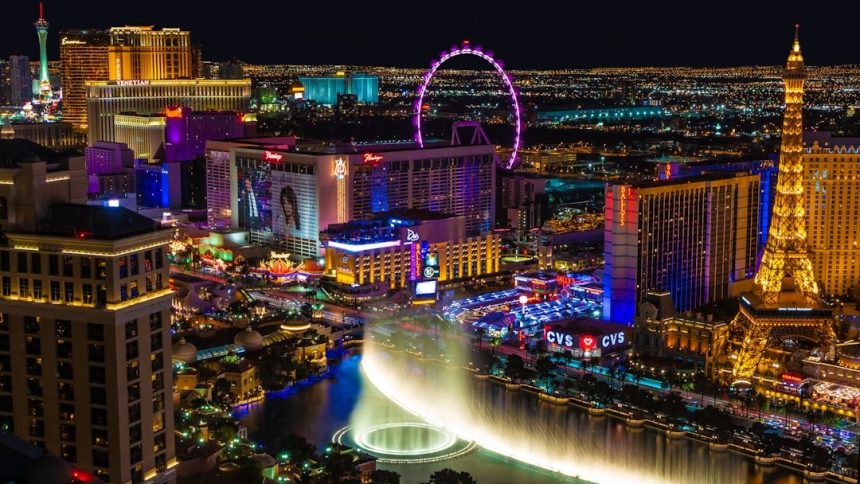
For decades, the Las Vegas Strip stood as the undisputed capital of global entertainment. Neon lights, colossal hotel towers, and casino floors the size of small cities made it a singular destination with almost no serious rivals. That narrative is quietly shifting. Macau long ago eclipsed Las Vegas in raw gaming revenue, and Dubai is now moving toward regulated casino gaming for the first time in its history, reshaping what it means to compete on the world stage of hospitality and high-stakes leisure.
The Scale of Las Vegas: Still a Force to Reckon With

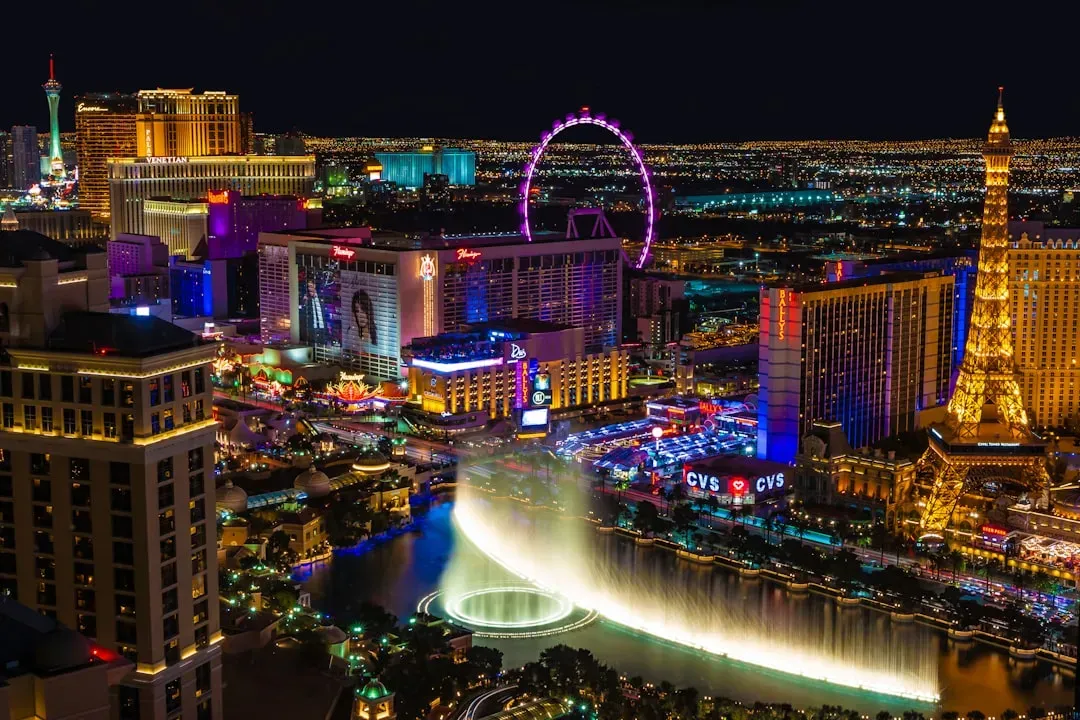
According to the Las Vegas Convention and Visitors Authority, more than 41.6 million people visited the city in 2024, the highest total since 2019 and the sixth-best year on record. That kind of footfall puts Las Vegas in a league few destinations can claim. The sheer density of hotel rooms, entertainment venues, and convention spaces means the city is playing a volume game that most rivals simply cannot replicate.
The tourism and hospitality sector contributed roughly $60 billion to Nevada’s economy, while gaming and casinos generated $15.8 billion, with the Strip alone accounting for $9.1 billion, a six percent year-over-year increase. The conventions and events sector brought in $10.5 billion, reflecting Las Vegas’s appeal as both a leisure and business destination. This is a city that has deliberately engineered itself to extract spending at every level, from the gaming floor to the concert arena to the trade show floor.
Las Vegas in 2025: Cracks in the Foundation

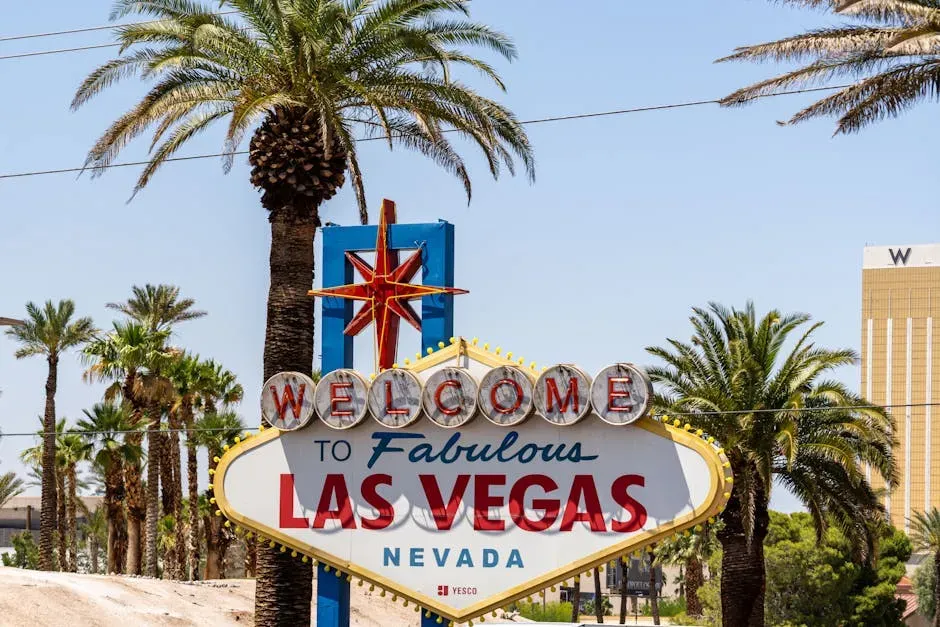
Las Vegas welcomed approximately 38.5 million visitors in 2025, a 7.5 percent drop from 2024 and the lowest annual total since the post-pandemic rebound in 2021, according to the Las Vegas Convention and Visitors Authority. The decline was not a one-month blip. According to the LVCVA’s 2025 summary, Las Vegas recorded 12 consecutive months of year-over-year visitor declines. For a city built on perpetual momentum, that streak is a genuine warning signal.
Hotel occupancy averaged 80.3 percent for the year, down approximately 3.3 points from 2024, average daily room rates fell roughly five percent to around $183.52, and revenue per available room was down nearly 8.8 percent, though both metrics still ranked among the highest on record. Industry analysts and hospitality executives say softening consumer confidence, higher travel and lodging costs, and an ongoing slump in international visitors, especially from Canada and Mexico, have played a role. Still, even with fewer bodies through the door, Las Vegas Strip gaming revenue reached roughly $8.8 billion, a slight year-over-year gain that set a new annual record.
Macau: The World’s Largest Gambling Market

Macau’s gross gaming revenue reached 226.8 billion patacas, equivalent to roughly $28.35 billion, a 23.9 percent rise from 2023, driven by post-pandemic recovery and a pivot toward mass-market gamblers. That figure dwarfs anything the Las Vegas Strip produces in a single year. Revenue from gaming and gambling in Macau exceeded $29 billion in 2019, and to put that in perspective, gambling revenue in Las Vegas generally reaches around eight billion dollars annually. The gap in raw numbers is staggering, and it tells a story about who spends, and how much.
Macau’s recovery extends beyond gaming, as visitor arrivals for 2024 approached 35 million, exceeding the initial forecast of 33 million. While efforts are being made to diversify Macau’s economy away from gambling through non-gaming investments, the local government remains heavily reliant on the casino industry for income, with data showing that over 81 percent of government revenue in the first ten months of 2024 originated from gaming taxes. That kind of dependency on a single sector is both a strength and a vulnerability.
Macau’s Structural Challenges and the Pivot to Mass Market

Macau’s casinos have been forced to adapt as revenues from the high-roller VIP sector declined due to China’s anti-corruption drive and regulatory changes targeting junket operators. The prosecution of Suncity boss Alvin Chau, which led to an 18-year prison sentence for illegal gambling, marked a significant turning point for the VIP segment. This left operators scrambling to find a new primary customer base, and the pivot to premium mass-market players has been the industry’s response ever since.
To attract a broader range of visitors, casinos are investing tens of billions of dollars in non-gaming amenities, including luxury hotels, entertainment venues, and retail offerings. Projections from Morgan Stanley indicate gross gaming revenue will grow to around $30 billion in 2025 and $31.2 billion in 2026, although much depends on China’s broader economic performance. The underlying engine remains powerful, but Macau’s future now rests on whether it can build a more rounded destination rather than a city that exists almost exclusively for gambling.
Dubai’s Tourism Machine: The Non-Gaming Giant

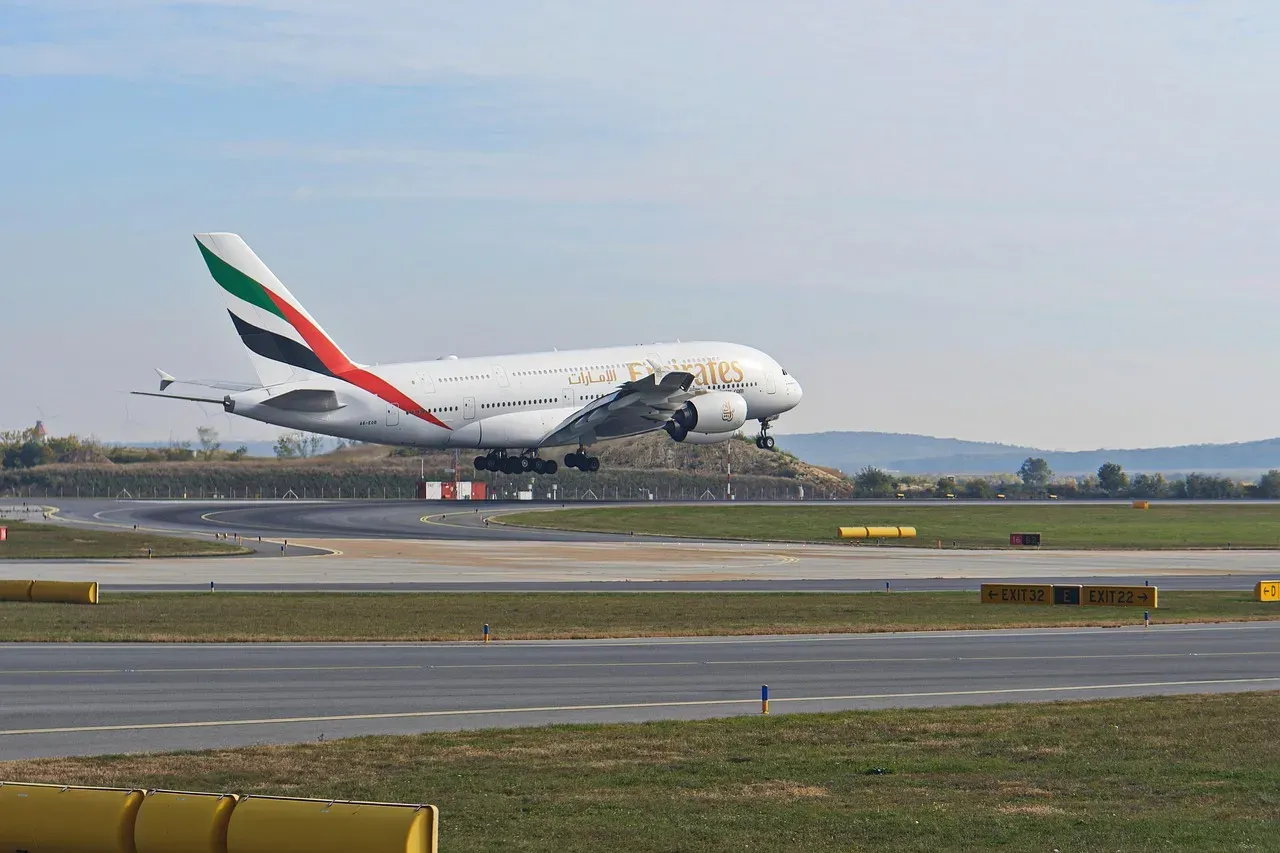
Dubai welcomed 18.72 million international visitors in 2024, compared to 17.15 million in 2023, marking a clear 9.15 percent increase in tourist arrivals year over year. For a relatively young city in the global tourism conversation, that number is impressive. In 2024, Dubai International Airport welcomed over 92 million passengers, the highest number ever recorded. That level of connectivity gives Dubai an advantage that few destinations in the world can match.
Tourism alone contributes roughly 12 percent of Dubai’s GDP, showing how important it is for the city’s growth and development. In 2025, the trend continued with nearly 14 million visitors from January to September, showing a five percent increase compared to the same period in 2024. Dubai has proven it can grow tourism consistently without relying on gaming at all, which makes its recent regulatory shift toward licensed casinos all the more significant.
Dubai Enters the Casino Age
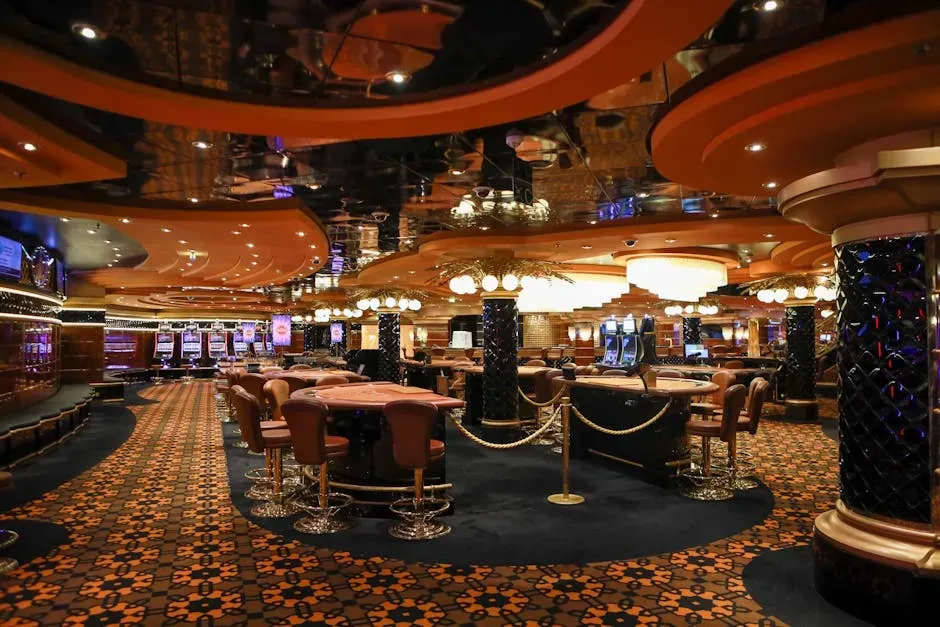
In less than two years, the United Arab Emirates has gone from cautious planning to a rapid rollout of commercial gaming. The creation of the General Commercial Gaming Regulatory Authority in 2023 gave the market a national regulator, and by late 2024 it had issued the country’s first casino operator licence to Wynn Resorts for its $3.9 billion Al Marjan Island development in Ras Al Khaimah. This is a genuinely historic shift for a region where gambling was entirely prohibited. The UAE Lottery launched in November 2024, online gaming went live in November 2025, and the first casino resort, Wynn Al Marjan Island, is expected to open in early 2027.
Wynn Al Marjan Island is a 60-hectare beachfront resort with a 420-metre private beach, 12 swimming pools, a deep-water marina, a theatre, event spaces, a luxury retail village, and a 225,000-square-foot gaming floor. Bloomberg Intelligence estimates UAE casinos could generate between $6 and $8 billion in gross gaming revenue annually with two or three resorts operating. That range, if realized, would put the UAE within striking distance of the Las Vegas Strip’s annual gaming total within its first decade of operation.
How the Three Destinations Differ in Strategy


Las Vegas built its identity around volume and variety. The Strip is designed to keep guests inside for as long as possible, offering every conceivable form of entertainment within a few blocks. Some major resorts are leaning harder into premium player recruitment and high-end loyalty programs, while others are investing in non-gaming amenities, from headline entertainment residencies to expanded food, beverage, and experiential offerings, in a bid to broaden appeal. The shift is real, but it builds on decades of existing infrastructure.
Macau’s model is fundamentally different. It draws visitors primarily from mainland China, and its entire economy revolves around getting those visitors to the casino floor. VIP customers and premium mass players, whose visits have been facilitated by the introduction of new premium gaming spaces and high-profile entertainment events like concerts, have contributed to the positive momentum. Dubai, by contrast, is taking a more cautious route. Gaming is expected to play a supporting role within the country’s luxury tourism model rather than acting as its main attraction, with the activity integrated into mega-resorts alongside shopping, fine dining, and business hubs.
Who Wins the Global Race for Entertainment Tourism?


The honest answer, at least in 2026, is that no single city is pulling decisively ahead. Las Vegas remains the most diversified of the three, with a convention business, a growing sports scene, and a cultural brand that genuinely resonates globally. Las Vegas hosted roughly 6 million convention attendees in 2025, a figure that nearly matched 2024 levels and helped offset some of the leisure tourism declines. That institutional base matters more than people realize when leisure numbers soften.
Macau holds the raw revenue crown but is heavily dependent on a single source market. Macau, the only place in China where gambling is legal, derives about 80 percent of its tax revenue from the casino sector. Dubai, for its part, is approaching this with unusual strategic patience. With Saudi Arabia and Qatar sticking to outright prohibition, the UAE is positioning itself as the Gulf’s first mover in regulated gaming. That head start in a vast untapped region could prove to be enormously valuable over the next decade. The race is genuinely open, and for the first time in a long time, Las Vegas has real competition that isn’t going away.