
Most self-tapes get watched for less time than people expect. A casting director may have hundreds of submissions for a single role, and many of them are reviewed in quick succession on a laptop or tablet. The tape that gets a second look is rarely the flashiest one.
What stands out is usually more ordinary, and more controllable, than actors fear. It comes down to a handful of practical and creative choices that signal one thing: this person is easy to work with and right for the part. Here’s what tends to matter most.
A Clear, Watchable Frame

Casting directors need to see your face and read your expression without effort. A medium close-up, usually from the chest up, is the common standard. Cutting off your forehead or leaving too much empty space around you works against you.
Keep the camera steady at eye level, in landscape orientation. A tripod or a stable stack of books does the job, and a handheld wobble distracts from your performance. Most professionals don’t expect a studio, only a frame that doesn’t get in the way.
Clean Sound You Can Actually Hear

Audio problems are among the quickest ways to lose a viewer. Echo, background hum, or a muffled voice makes it hard to judge your work, and reviewers often don’t have patience to strain for it. A quiet room with soft surfaces, like curtains, rugs, or a couch, helps a lot.
An inexpensive clip-on or small external microphone can improve things noticeably over a phone’s built-in mic. Do a quick test recording and listen back with headphones before you commit to a full take.
Simple Lighting and a Neutral Background

Good light is mostly about being able to see your eyes. Facing a window or placing a soft lamp slightly off to one side usually works well. Harsh overhead lighting creates shadows that flatten your face.
Behind you, a plain wall in a muted tone is the safest choice. Busy shelves, posters, or bright colors pull attention away from you. The goal is to look like yourself, with nothing competing for focus.
Preparation and Understanding of the Material
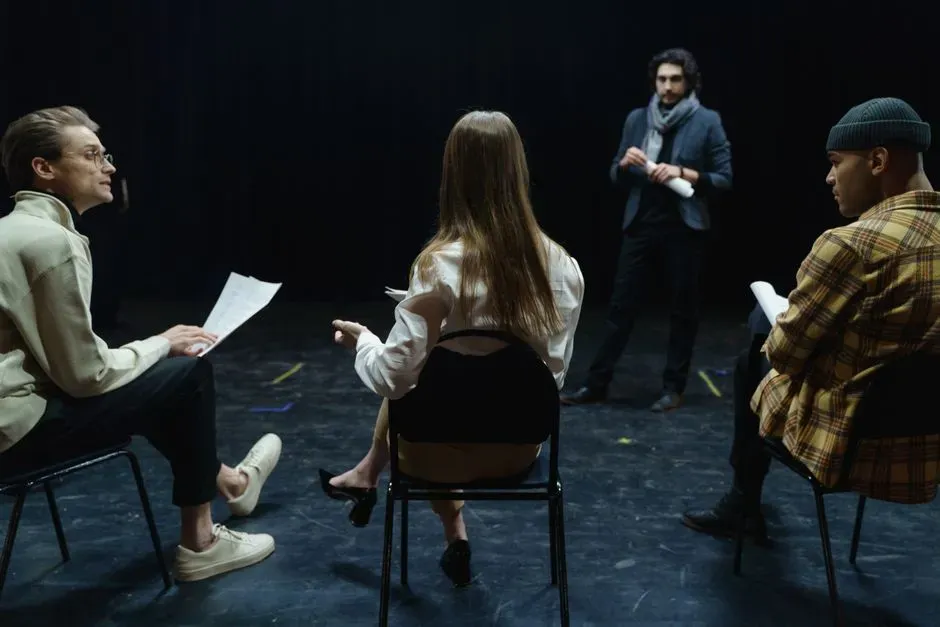
Casting directors can tell quickly whether you understand the scene. They notice if you’ve made specific choices about who your character is, what they want, and who they’re talking to. Reading the full breakdown and any notes provided is part of that homework.
Memorization helps, though it isn’t always required, especially when the production sends sides and expects you to work from them. If you do hold pages, know them well enough that your eyes can return to the camera line naturally. Stumbling over words usually reads as being underprepared.
Honest, Grounded Acting

On camera, small is often better. Over-the-top emotion that would work in a theater can feel forced on screen, where the lens catches every flicker. Reviewers tend to respond to truthful reactions and real listening.
Partner offer
That doesn’t mean playing it safe. A specific, believable choice beats a generic one, even if it’s a little unexpected. The aim is for the casting team to believe you in the moment.
Eye Line and the Reader

Where you look matters. Typically, you place your scene partner just beside the lens, not directly into it, unless the role is direct address. This lets viewers see your eyes while you still seem to be talking to someone.
Your reader, whether a friend or a hired partner, should be calm and flat enough not to overpower you. Their voice shouldn’t drown yours, and they shouldn’t be visible on screen unless instructions say so. A good reader keeps the rhythm of the scene without becoming part of the performance.
Following the Instructions Exactly
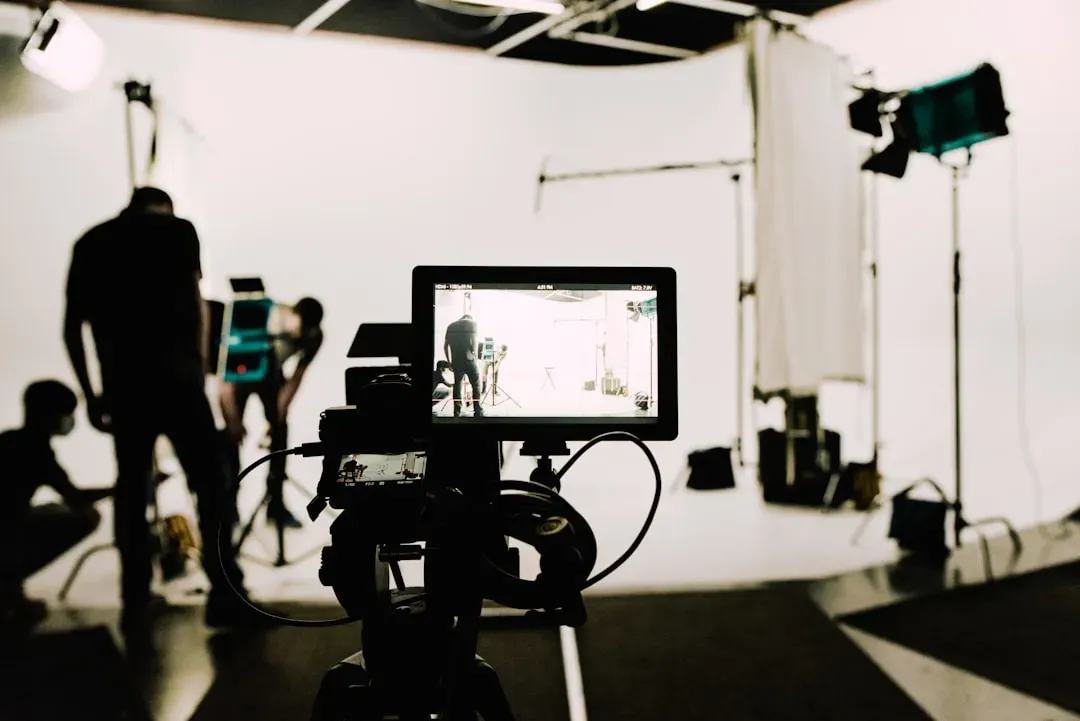
Submission details can feel like small print, yet they’re often a test. Casting offices usually specify things like file naming, slate content, length, file size, or wardrobe notes. Ignoring them can mean your tape is skipped before anyone sees your acting.
The slate is generally brief: your name, and perhaps your height, location, or agency if asked. Keep it relaxed and friendly, then move straight into the scene. Following directions shows you’re reliable, which matters when a production is hiring someone to show up on a busy set.
Costume Suggestion, Not a Full Costume

Dressing the part works best as a hint. A collared shirt can suggest a lawyer, and a plain work jacket can suggest a tradesperson, without looking like a Halloween outfit. Solid, flattering colors usually read better on camera than tight patterns or logos.
The point is to help the viewer picture you in the role while keeping attention on your face and voice. If you’re unsure, simple and neutral is safe.
Taking Direction in a Second Take

Sometimes casting asks for a callback tape with adjustments. They’re looking at how well you absorb notes and make real changes, not only repeat the first version. A noticeably different take shows range and flexibility.
Even on a first submission, a short second option can help if you have a distinct interpretation. Only include it if both takes are strong, and follow any limit on the number of files. Quality over quantity remains the rule.
Submitting on Time and Without Fuss

Deadlines are firm in most casting processes, and early submissions often get seen while reviewers are still fresh. Check that the link works, the file plays, and permissions are set correctly before sending. A broken upload can end the opportunity regardless of how good the performance was.
Keep your accompanying note short and professional. The tape should do the talking, and a smooth, well-organized submission helps the casting team trust you from the start.
Partner offer
Planning a trip to Vegas?
Compare hotel rates and show tickets on VEGAS.com.