
Watch enough prestige television and you’ll notice something odd. Some of the most convincing American characters on screen are played by people who grew up in London, Manchester or Glasgow. Often you only find out when the credits roll, or when the actor turns up on a talk show sounding entirely different.
Behind that illusion is usually a dialect coach, someone whose job is to be heard by no one. Their work covers far more than pronouncing a few words differently. Here’s what actually gets taught, and why it takes longer than most viewers would guess.
Starting With General American

Most coaches begin with a neutral baseline before touching anything regional. Many offer foundation sessions built around what a General American accent is and what its parts are. One coach’s workshop focuses on understanding that accent and its components, so the actor can build it from the ground up.
That baseline matters because it gives the actor a reference point. A Boston or Texas accent is easier to add once the standard sounds are secure. Without that base, the regional layer tends to wobble.
Retraining the R and the T

Two sounds do a lot of the heavy lifting. Standard British speech drops the R after a vowel, so words like “car” and “water” end differently. American speech keeps it, and a British actor has to learn to produce that curled or bunched tongue position without thinking about it.
The T is the other trap. In American speech it often softens into a quick tap between vowels, so “butter” sounds close to “budder.” Coaches drill these sounds in short word lists first, then move them into full lines of script.
Vowels That Won’t Cooperate
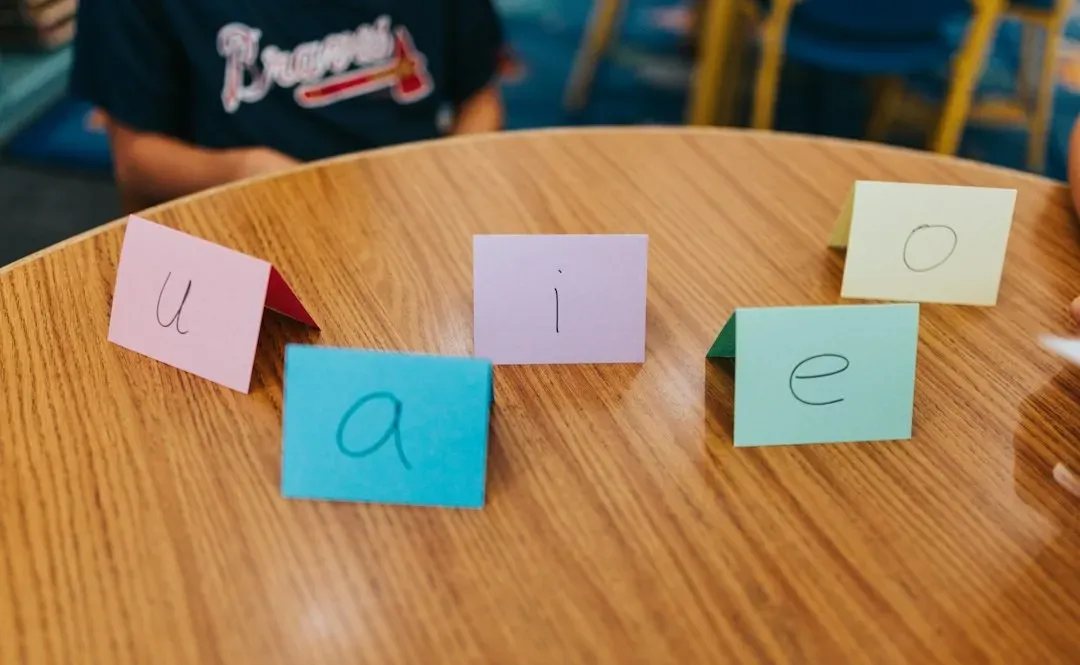
Vowels cause the quieter, more stubborn problems. Words like “dance,” “bath” and “can’t” use a different vowel in the two accents, and an actor can nail every consonant while one stray vowel gives the game away. Coaches often use phonetic symbols to pin these down precisely.
Many also give actors personalized word lists drawn from the script itself. That’s practical. A line the actor will say forty times in a scene deserves more attention than a sound that appears once.
Melody, Rhythm and Where the Voice Sits

Sounds are only half of it. Pitch patterns, stress and pace differ between the two accents, and an actor can have perfect vowels while the sentence tune still sounds British. Coaches work on how phrases rise and fall, and where emphasis lands.
Physical setup comes into it too. Jaw, lips and tongue sit a little differently, and the voice often rests in a different part of the range. When the body settles into those habits, the accent stops feeling like a mask.
Partner offer
Getting Specific With Regional Voices
An American role is rarely just American. The character might be from New York, the South, California or Minnesota, and each calls for its own preparation. Working coaches commonly list these among their specialties, and one London coach’s menu includes Standard American, New York, Californian, Southern and Minnesota accents, plus regional variations.
Class, age and background shape the sound as well. A Boston lawyer and a Boston dockworker don’t speak alike. Coaches usually ask for research, such as recordings of real speakers, before the actor settles on a voice.
Staying in the Accent on Set
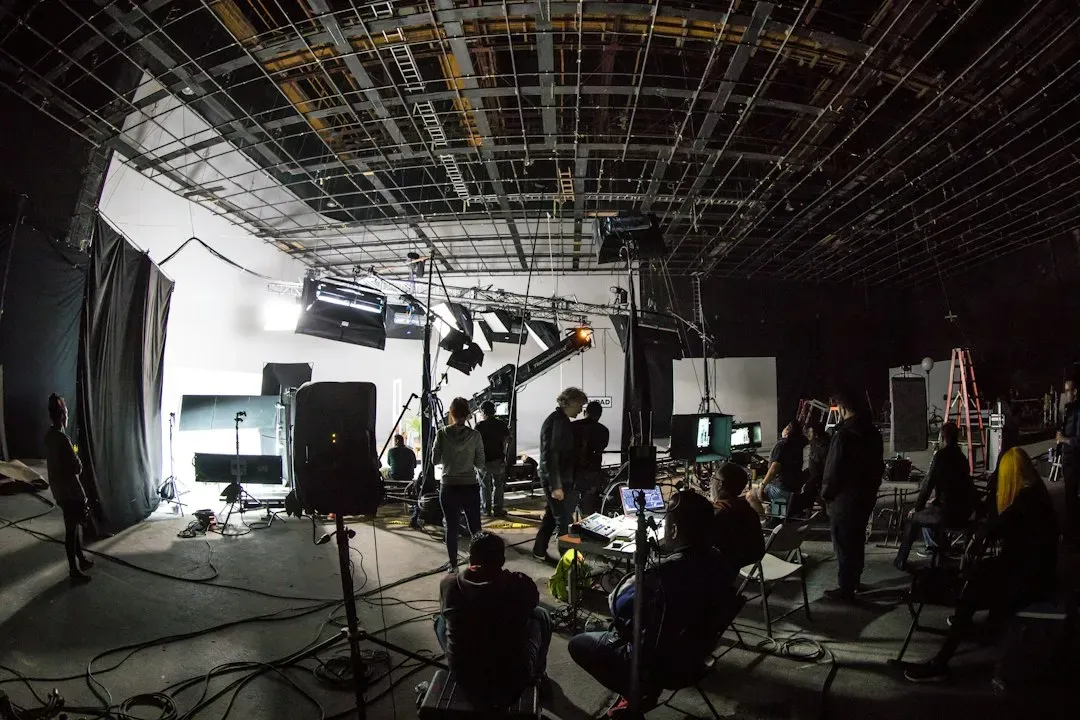
Learning an accent in a quiet room is one thing. Holding it through a long shooting day is another, and fatigue is where it tends to slip. One coach described shooting twelve hours a day and said she listens on set so the actor can focus on acting and she can flag any British sounds.
That on set ear is a big part of the job. Coaches note small slips between takes, often a single vowel or a stress pattern, and fix them before the scene moves on. Many actors also keep speaking in the accent between setups to stay in it.
Keeping the Performance Alive
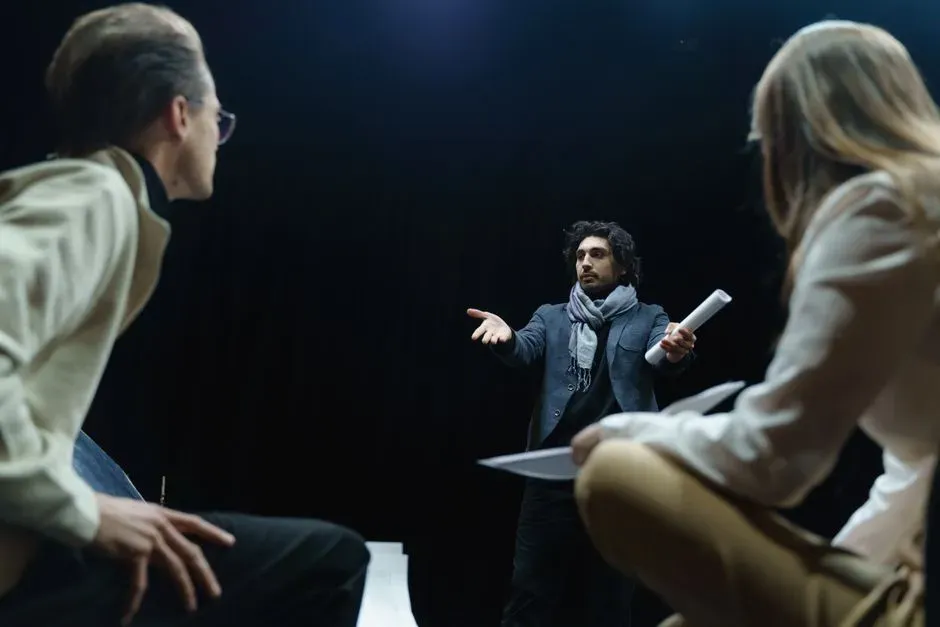
There’s a risk in all this precision. An actor who monitors every sound can end up stiff and self conscious. One Manchester coach says the aim is to sound authentic in the accent while keeping the performance alive.
For that reason, coaches try to make the accent automatic well before cameras roll. Once the sounds live in the body, the actor’s attention can go back to the scene partner and the emotion of the moment. The accent should disappear into the character.
Auditions, Self Tapes and Online Sessions
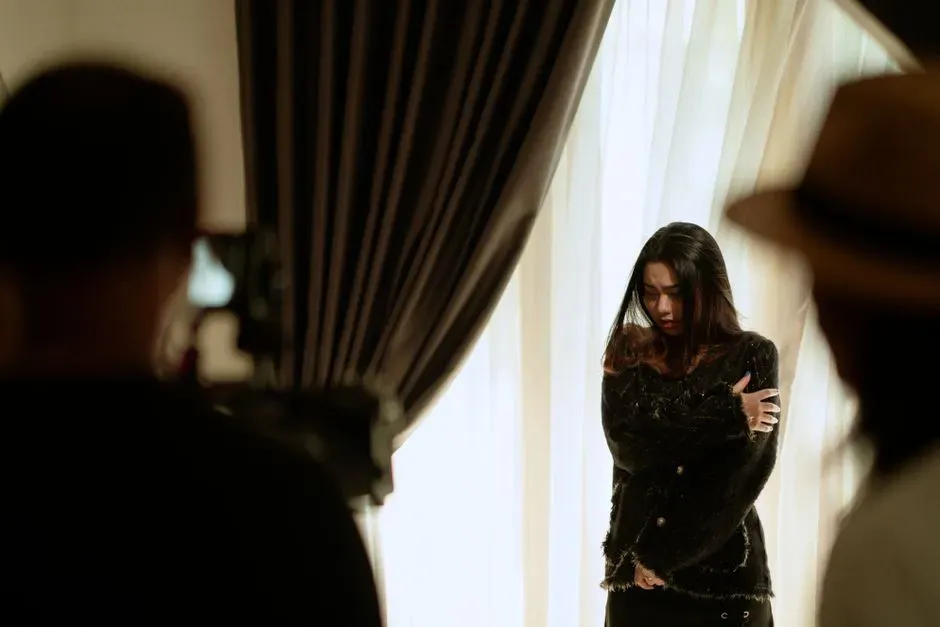
A good deal of this work now happens before an actor has even been cast. Coaches advertise help specifically for auditions, self tapes and productions for stage and screen, which reflects how much casting depends on a convincing recorded audition. Many sessions have moved online too, and some coaches offer online coaching worldwide.
Pricing varies widely. One West End coach lists a single fifty minute online dialect session at £135, with a discounted rate of £65 for self funding professional actors. Actors on a studio production usually have a coach provided, while those auditioning often pay for their own.
Where the Work Is Happening Now
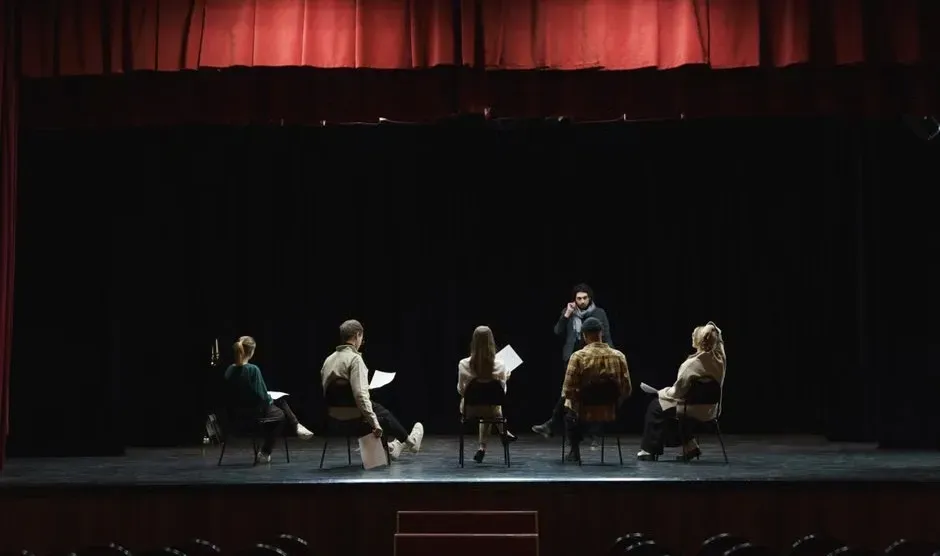
The demand is steady. Hollywood coach Rick Lipton has more than thirty years of experience with American, British and international accents, and his recent credits include American dialect work on Daredevil: Born Again, where he coached Charlie Cox. Coaches also credit British actors’ flexibility, with one saying they’re open to doing whatever it takes to create a character, including body language and mannerisms.
Other coaches have worked on prominent streaming and studio projects. Holly Renaut spent most of 2024 as acting and dialogue coach on the HBO Max show When No One Sees Us. The craft stays largely invisible, which is how the people doing it want it.
Partner offer
Planning a trip to Vegas?
Compare hotel rates and show tickets on VEGAS.com.