
Fame at its peak can feel like the only possible reality. The calls keep coming, the cameras follow every move, and for a working actor, the industry becomes the entire ecosystem of daily life. So when someone who has built decades of craft and public recognition decides to simply stop, it tends to confuse people on the outside. It reads as failure, or eccentricity, or some unexplained personal crisis.
The truth is usually more considered than that. Walking away from fame after 40 isn’t impulsive. It’s the product of experience, self-awareness, and a reckoning with what the industry actually costs. The actors who do it tend to know something that many still climbing don’t.
The Identity Trap That Fame Sets for Every Actor
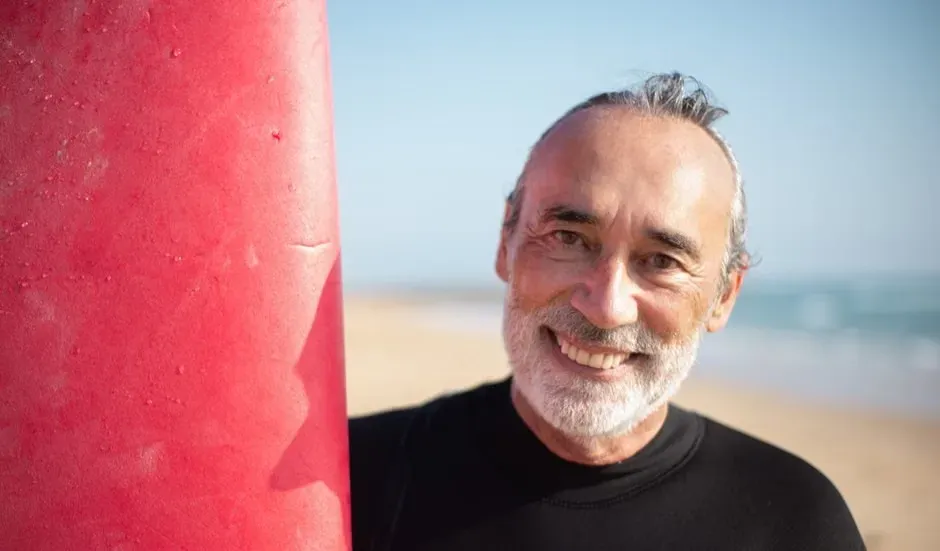
For an actor, stepping back from a career isn’t simply a professional transition. It’s often a matter of stepping back from a whole identity, a public face, and a life built around recognition and recurrency. That distinction matters enormously. Most professions allow a person to separate who they are from what they do. Acting, especially at the level of sustained public fame, rarely offers that separation.
Psychologists refer to this as “identity fusion,” a state in which a person’s self-concept is wrapped up in a job or role so tightly that they can’t distinguish the end of the work from the individual. It can make retirement difficult for actors and entertainers because losing the role can feel like a loss of self. Choosing to walk away anyway, fully aware of that psychological cost, says something real about where a person’s sense of self actually lives.
When the Industry Stops Making Creative Sense
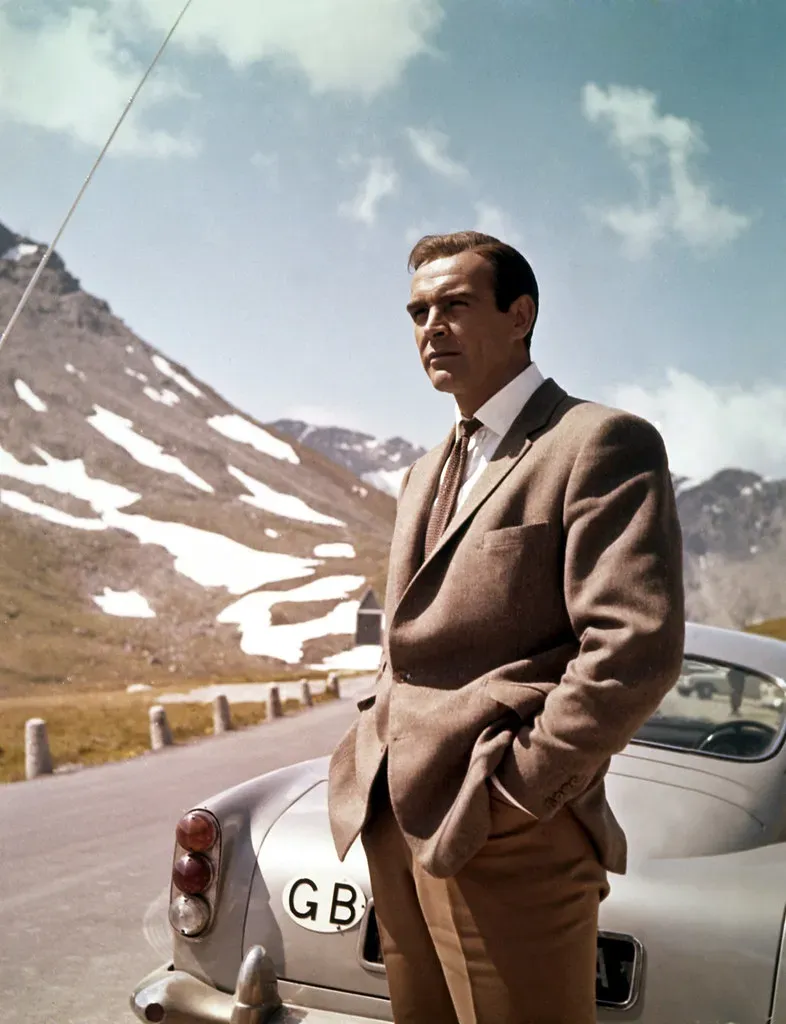
Sean Connery walked away from Hollywood after his last film, The League of Extraordinary Gentlemen in 2003. In interviews, he openly expressed frustration with Hollywood politics and the decline of quality scripts, which were the main reasons behind his leaving for good. He had nothing left to prove. Three decades of defining roles gave him the clarity to recognize when the work itself had stopped being worth the effort.
Being good at acting and being built for the industry are two very different things. Acting isn’t just saying lines in front of a camera. It’s endless auditions, constant rejection, and sometimes reshaping your body on demand. An actor who understands that distinction after forty years of living it and chooses to opt out isn’t retreating. They’re applying experience to a deliberate decision.
The Privacy Equation: What Fame Actually Costs Day to Day

For individuals in the entertainment industry, gaining fame often results in sacrificing privacy. The glitz and recognition that accompany a thriving career in showbiz also bring with them relentless scrutiny and a marked invasion of personal boundaries. Younger actors often accept this bargain without fully understanding what it means long-term. By forty, they do.
While fame grants public adoration and recognition, it can also breed an overwhelming sense of loneliness. Celebrities may find it challenging to engage in everyday activities without attracting attention. The isolation from normalcy and the pressure to maintain a perfect image can lead to feelings of alienation. Choosing privacy over recognition at this stage isn’t giving up. It’s trading one kind of life for another, with clear eyes about what each one contains.
Daniel Day-Lewis and the Deliberate Exit
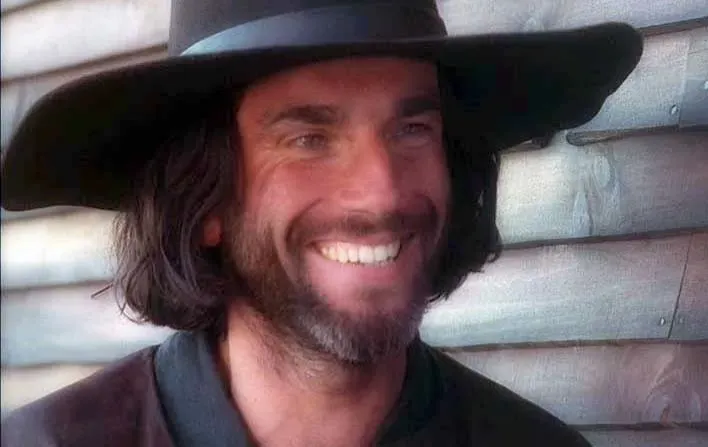
Daniel Day-Lewis earned three Academy Awards for Best Actor, for his roles as Christy Brown in My Left Foot, oil tycoon Daniel Plainview in There Will Be Blood, and Abraham Lincoln in Lincoln. He stood at the absolute top of his profession. He retired from acting twice: from 1997 to 2000, when he took up a new profession as an apprentice shoemaker in Italy, and again from 2017 to 2024.
He said he didn’t want to get sucked back into another project. He described how the impulse to stop acting had taken root in him and become a compulsion, something he felt he had to do. That kind of language, the language of compulsion rather than convenience, points to something genuine. Protective of his private life, he rarely grants interviews and makes very few public appearances, which suggests a person who had always valued interiority, even at the height of his fame.
Rick Moranis and the Quiet Moral Choice
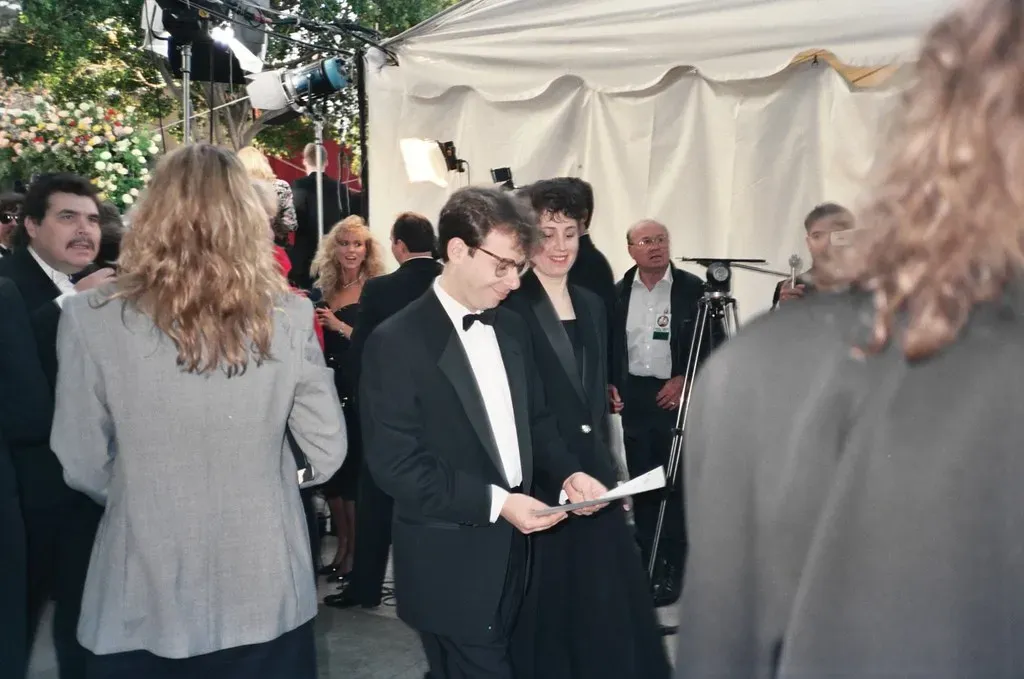
During the 1980s and early 1990s, Rick Moranis was a household name, known for his roles in hits like Ghostbusters, Honey I Shrunk the Kids, and Spaceballs. By most industry measures, his trajectory was upward and assured. Then everything changed on a personal level.
Partner offer
He took an extended break for a deeply personal reason. He left Hollywood to care for his kids after the death of his wife, Ann Belsky, who passed away in 1991 from breast cancer. That choice, to place family above a career that many people would have fought to preserve, reflects a scale of values that fame tends to obscure but rarely destroys in people who had strong ones to begin with. It’s one of the clearest examples of what walking away can actually signal.
Cameron Diaz: Choosing Simplicity Over Stardom
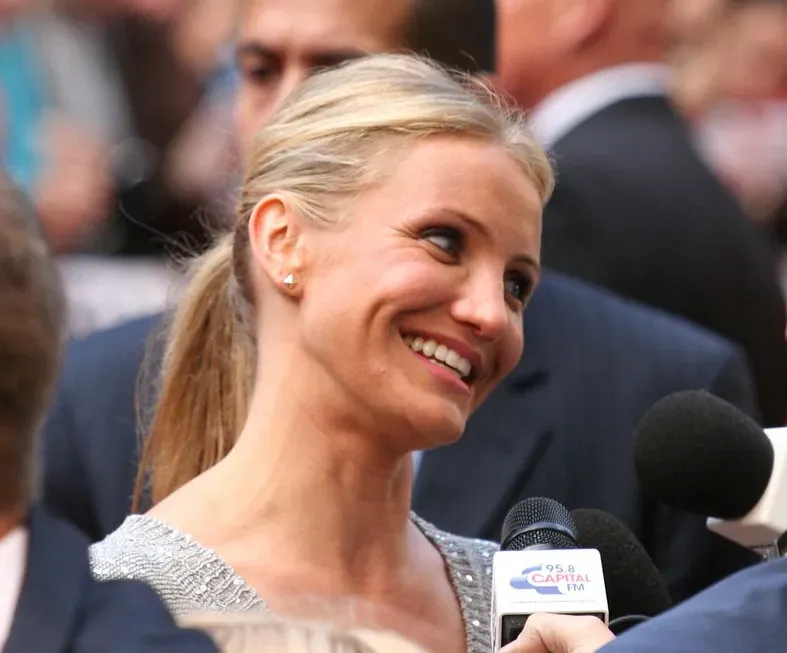
Cameron Diaz was once one of the highest-paid actresses in the world, beloved for her versatility in There’s Something About Mary, Charlie’s Angels, and The Holiday. After several years in the industry, she stepped away from acting in 2014 after starring in Annie, at the height of her Hollywood fame. The timing made the decision harder to explain to outside observers, which is partly why it was so widely discussed.
She decided that she wanted to live a simpler life, away from the demands of Hollywood and the intrusion that accompanies it. Since then, she has focused on wellness ventures, writing books, and starting a family. There was an eleven-year gap where she chose to focus on raising her children, a stretch long enough that it stopped looking like a break and started looking like a life she was choosing deliberately.
The Mental Health Dimension That Often Goes Unsaid

Fame can blur the lines between a person’s public persona and their real identity. Many celebrities may feel trapped in a role they must play, leading to an identity crisis. This struggle to remain authentic can create internal conflicts and contribute to mental health challenges, as they feel unable to express their true selves. For actors over forty, that tension rarely resolves on its own without some deliberate intervention.
Playing characters with mental illness or those undergoing emotional turmoil can affect an actor’s mental well-being. The line between the character and the actor’s identity can sometimes blur, leading to emotional strain. An actor who recognizes this pattern and chooses to step back is demonstrating a form of self-knowledge that isn’t always visible to fans or industry observers. It tends to look passive from the outside. From the inside, it’s the opposite.
What Thriving After Fame Actually Looks Like
It is rare for a true titan of the industry to simply walk away without a backward glance, but that is exactly what Gene Hackman did. After decades of delivering some of the most memorable performances in cinema history, he decided he had simply had enough of the studio grind. He traded the stress of memorizing lines for a quieter, creative existence, dedicating his retirement to painting and writing novels. He managed to pull off a graceful, total exit from the spotlight, proving that it is actually possible to leave Hollywood on your own terms.
What psychologists call “identity reconstruction” describes the process by which individuals, instead of clinging to what the world knew of them, shift toward something new. Hackman built a literary and artistic life. Moranis raised his children. Day-Lewis made shoes in Florence. Fame isn’t always a good thing, and some people find that out after they’ve become rich and famous, at which point the desire to keep being both simply evaporates, and they walk away in favor of doing the things they really want to do.
The Industry Has Changed, and That Changes the Calculation

The major Screen Actors Guild strike in 2023 focused heavily on issues around actors’ digital replicas, with the introduction of AI technology aiming to enhance audience experience, while reinforcing hierarchical relations between companies and actors. The landscape for working actors in 2026 is structurally different from what it was even ten years ago. The pressures have multiplied, not diminished.
The industry involves constant rejection, and sometimes reshaping the body on demand. It’s like living under a microscope where strangers dissect your appearance, your relationships, and make detailed public commentary about you. For an actor who has spent two decades absorbing exactly that kind of scrutiny, the decision to stop isn’t weakness. It reflects a sophisticated understanding of what the work actually demands and a willingness to honestly answer whether it’s still worth giving.
What the Choice Ultimately Reveals
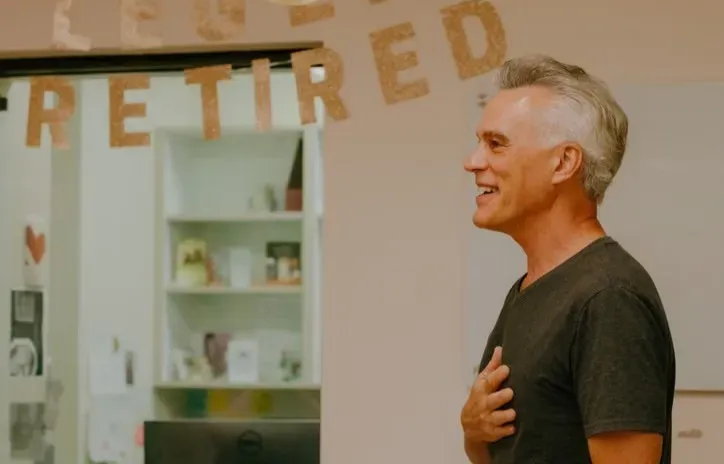
The people who step away from fame after forty are, with rare exceptions, people who have developed an identity strong enough to exist outside the industry that made them recognizable. That’s harder than it sounds. After decades of being photographed, trailed, celebrated, and chronicled, it’s not difficult to start mixing up exposure with worth. Resisting that confusion, and making a clear-eyed exit, is its own form of achievement.
While many dream of making it big in show business, those who already lived the dream have often decided to call it quits and stay away from the spotlight, whether from dissatisfaction with the scripts or a desire to live a normal life. The reasons are varied, but the underlying signal is consistent: a person who has figured out who they are when the cameras stop rolling. That knowledge, not the awards or the box-office numbers, is what walking away after forty quietly reveals.
Partner offer
Planning a trip to Vegas?
Compare hotel rates and show tickets on VEGAS.com.