Hollywood has always operated on an unspoken set of rules. Deliver the performance, keep a manageable reputation, and let the machine do the rest. Most actors follow those rules for decades without incident. Others, through a single fateful role, a public controversy, or a reputation that quietly spreads from one producer’s office to the next, find themselves on the wrong side of a system that never quite forgets. The word “blacklisted” rarely appears in an official press release. It happens quietly. Calls stop coming in, agents stop returning emails, and franchise roles suddenly disappear. The reasons vary more than people assume. Sometimes it’s a genuinely controversial performance. Other times it’s off-set behavior attached to the memory of a specific role. Here are seven career choices that have made actors almost impossible to cast again.
Playing Jesus Christ: Jim Caviezel and the Role That Closed Every Door

Few roles in film history have been as commercially successful and personally costly at the same time. In the early 2000s, Jim Caviezel was on the cusp of Hollywood stardom, with films like “Angel Eyes,” “The Count of Monte Cristo,” and “Frequency” to his name. When he took the lead in Mel Gibson’s 2004 biblical drama “The Passion of the Christ,” the film was a great commercial success but sharply divided audiences and critics, largely along political and religious lines.
Gibson himself called Caviezel the day after offering him the role and told him he may never work in Hollywood again if he accepted it. Caviezel took it anyway. Despite the film’s box office success, Caviezel claims “The Passion of the Christ” effectively ended his mainstream acting career, a claim his IMDb page more or less backs up. Since taking on the role of Jesus, he has largely starred in B-movie action flicks and faith-based films. The film grossed over 600 million dollars worldwide, which makes the freeze-out that followed all the more striking.
Being Difficult on the Most Beloved Franchises: Katherine Heigl’s Slow Exit

At the height of her powers in the early 2000s, Katherine Heigl made a name for herself through films like “Knocked Up” and “27 Dresses,” while also playing Dr. Izzie Stevens on “Grey’s Anatomy.” Her outspoken nature and public criticism of her most well-known projects earned her a reputation for being difficult, one she was still struggling to shed years later.
Her downfall accelerated in 2008 when she withdrew her own name from Emmy consideration, publicly stating that the writing on “Grey’s Anatomy” had not given her enough to work with. Writers and producers were not amused. She also made headlines for criticizing “Knocked Up,” calling it a little sexist, despite having starred in it. Roles slowed, and her reputation as someone hard to work with spread through the industry. Her case is a useful reminder that the label of “difficult” can stick far longer than any single controversial comment, and that perception, in Hollywood, often outlasts reality.
The Oscar Role That Nobody Wanted to Follow: Mo’Nique After “Precious”

Before 2009, Mo’Nique was mostly known as a stand-up comedian and comedy actress. That changed when she starred in Lee Daniels’ film “Precious.” Her turn as the profane mother of the titular character earned rave reviews and won her the Oscar for Best Supporting Actress. Despite the film’s significant success, it appeared to shut the door on any further achievements in the industry.
According to Mo’Nique, her refusal to do additional promotion for the film caused tension with producers, which led to her being labeled as difficult to work with. She had refused to campaign for the award, which would have involved unpaid press. Allegedly, Lionsgate, director Lee Daniels, and executive producers Oprah Winfrey and Tyler Perry were livid. Winning the industry’s highest honor turned out to be the beginning of a very long drought rather than a new chapter.
Playing a Controversial Sacred Figure: The Typecasting Trap of Iconic Religious Roles

Hollywood has a long track record of typecasting certain actors in specific roles, which is particularly prevalent among character actors who people can only see in one role. The cast of “Star Trek,” especially the original series, struggled with this issue for the rest of their careers. Nichelle Nichols, who played communications officer Uhura, believed that the role so defined her as an actress that no one was willing to hire her for anything else.
The sacred figure trap runs deeper than science fiction, though. After playing Dracula, Bela Lugosi was typecast primarily in horror and thriller roles. Although he became synonymous with the Dracula character, he actually played the vampire only twice. An addiction to opiates was a further obstacle to a more prestigious career, but being so closely identified with Count Dracula was the so-called millstone around his neck from which he never really escaped. When an actor becomes indistinguishable from a larger-than-life figure, whether saint or monster, audiences stop seeing the performer entirely.
Losing a Franchise Mid-Run: Johnny Depp’s Removal from Pirates of the Caribbean
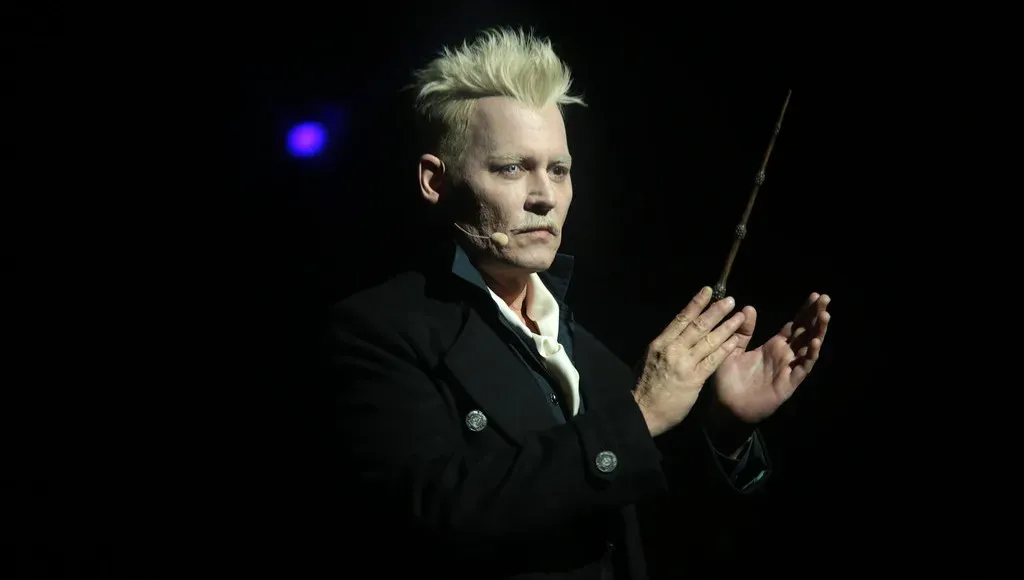
Depp was excised from his beloved “Pirates of the Caribbean” franchise, where he had originated his most commercial role to date as Captain Jack Sparrow. After appearing as the beloved character for fourteen years, his last appearance came in 2017’s “Pirates of the Caribbean: Dead Men Tell No Tales.” Warner Bros. had also asked him to resign from his role as Gellert Grindelwald in the “Fantastic Beasts” franchise, a part eventually recast with Mads Mikkelsen.
The 2020 libel trial acted as a catalyst for the downfall of Depp’s career, thrusting him into another sort of limelight entirely. The Johnny Depp vs. Amber Heard trial is long over, but Depp still hasn’t managed to revive his career. The franchise roles that once seemed permanently his were restructured entirely around his absence, which is a particular kind of professional erasure. Being removed from a running series while it continues without you sends a signal that is very difficult to walk back.
The On-Set Slur That Ended a Prime-Time Career: Isaiah Washington and Grey’s Anatomy
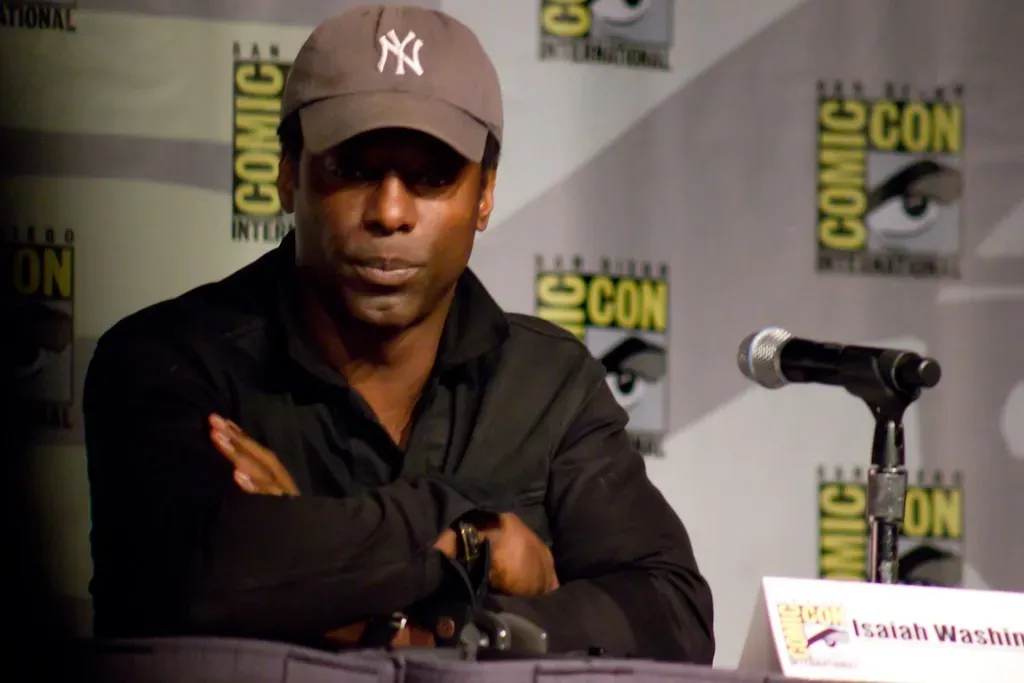
After three years of portraying cardiothoracic surgeon Preston Burke on “Grey’s Anatomy,” Isaiah Washington was cut from the show and allegedly blacklisted from Hollywood after using a gay slur when speaking about co-star T.R. Knight. According to reports, he used the slur twice, once on set during a heated moment with Patrick Dempsey and once backstage at the 2007 Golden Globe Awards.
The film industry often rewards talent and charisma, yet behind the scenes, a single incident or a reputation for being difficult can abruptly halt a thriving career. While some actors transition into smaller roles by choice, others find themselves excluded from major productions due to behind-the-scenes conflicts, political stances, or personal controversies. Washington’s case illustrated how a moment’s poor judgment during an otherwise celebrated role can permanently define an actor in the industry’s collective memory, regardless of the quality of the work itself.
Crossing Creative Boundaries With the Studio: Edward Norton and the Incredible Hulk

Edward Norton is widely recognized for his intense performances in “American History X” and “Fight Club,” but his reputation for creative interference has reportedly limited his opportunities. During the production of “The Incredible Hulk,” tensions arose between Norton and Marvel Studios over the final edit of the film. The studio opted to replace him with Mark Ruffalo for future installments of the Marvel Cinematic Universe.
While Norton remains active in prestige cinema, he is rarely cast in the large-scale franchise films that dominate modern Hollywood. Hollywood has always maintained an unspoken set of rules: keep your head down, deliver the performance, and let the machine do the rest. Some actors follow those rules for decades without a second thought. Others, through scandal, controversy, poor judgment, or genuinely bad luck, end up on the wrong side of the studios that once threw money at them. Norton’s situation was less about scandal and more about the perception that a star had prioritized his own creative vision over the studio’s, which in the franchise era is its own form of career risk.
Typecasting has ruined so many potentially great careers. Just ask the cast of “Gilligan’s Island” or “The Brady Bunch” how difficult it was to find work when their respective series ended. TV fans simply could not see many of those actors playing a different type of character. The broader pattern across all seven cases is the same. This phenomenon, often referred to as being “quietly blacklisted,” leaves many performers struggling to regain the momentum they once enjoyed during the peak of their stardom. A role sticks. An incident attaches itself to a name. The phone stops ringing. Sometimes the most defining performance of a career turns out to be the last one that truly mattered.