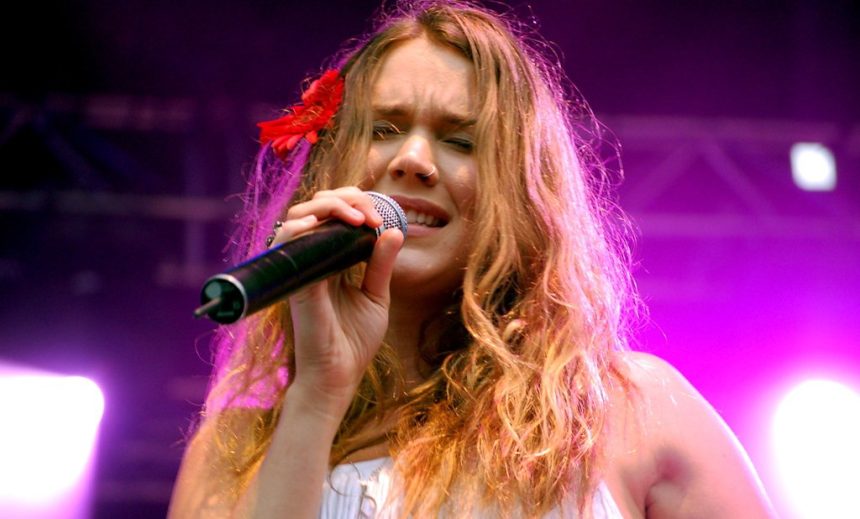
Every year the music industry crowns a handful of new names as the future of pop. Magazine covers get printed, award shows hand out “breakthrough artist” trophies, and record labels talk about five-album deals like they’re a done deal. Then, more often than anyone expects, the noise just stops. What follows is rarely a single dramatic ending. It’s usually a slow fade made up of legal disputes, burnout, quiet health struggles, or simply an industry that moved on to the next shiny thing before the last one had time to grow. Here’s a look at several singers who were once handed the “next big thing” label, and where their stories actually went.
Duffy: the Grammy winner who disappeared for a decade
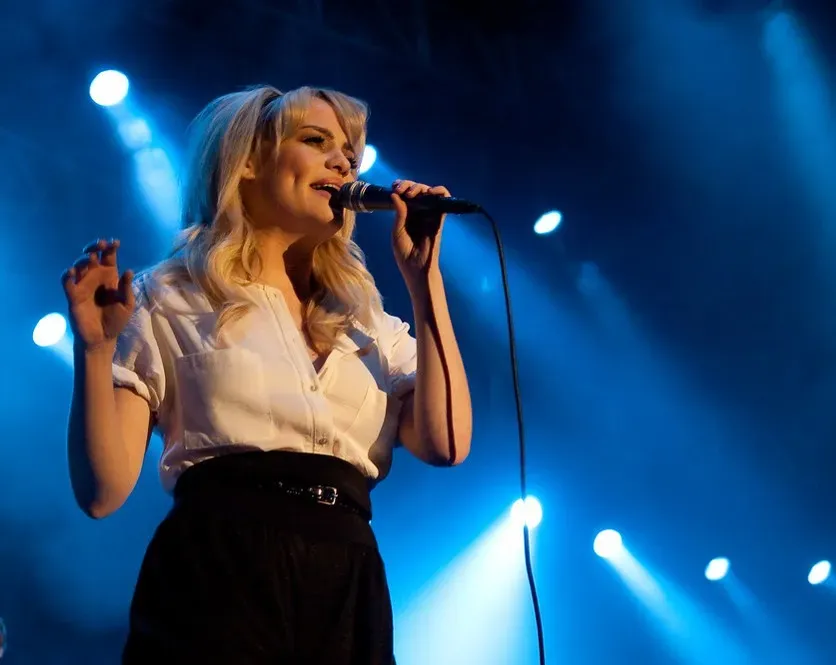
In 2008, few artists looked more like a sure thing than the Welsh soul singer Duffy. Her debut album topped the UK Albums Chart and also topped the charts in several music markets, following the lead single “Mercy,” which topped the UK Singles Chart and reached the top ten in twelve other countries. The following year she picked up a Grammy for Best Pop Vocal Album, along with three Brit Awards, and briefly seemed set to become one of the defining voices of her generation. Then, almost without warning, she vanished. Duffy vanished from the public eye in 2011, eventually self-reporting in 2020 that this had been due to experiencing abduction and rape, with all musical endeavours cancelled until a brief film appearance in 2015. It wasn’t until March 2025 that fans got a real sign of life, when Duffy appeared in a video posted to TikTok, lip-syncing to a garage remix of “Mercy,” with no release date announced for the track itself. More recently, Billboard reported that Duffy performed a secret London concert in July 2026, her first full show in fifteen years, suggesting the comeback fans had been quietly hoping for might finally be underway.
JoJo: the child star trapped by her own record label

JoJo scored one of the biggest teen pop hits of the mid-2000s with “Leave (Get Out),” and by thirteen she was already a chart fixture. What derailed her wasn’t a lack of talent or ambition. It was a legal mess with her label, Blackground Records, which kept new material from reaching fans for years while the case dragged on, a story she later laid out in detail in her own memoir. That memoir, Over the Influence, was released on September 17, 2024, following an announcement she made in an interview with People at the Billboard Women in Music event earlier that year. Since then, she’s been steadily rebuilding on her own terms. “Porcelain” arrived on October 2 that year, followed the next month by “Too Much to Say,” and her fourth extended play, NGL, dropped on January 24, 2025. She’s also found a second act on Broadway, having reprised her role of Satine in Moulin Rouge! opposite Aaron Tveit through October 2024, before being set to take over the role of Florence Vassy in the Broadway revival of Chess in June 2026.
Leona Lewis: the X Factor champion who finally got her second chance
Leona Lewis was the kind of talent show winner labels dream about. The first British female artist to top the US Hot 100 in over 20 years, Leona Lewis became The X Factor’s biggest solo star thanks to a powerful vocal range that drew comparisons to Whitney, Mariah, and Celine. “Bleeding Love” made her a genuine global star, yet oddly, she never got the full American rollout that a hit that size usually earns. Two decades later, that gap is finally closing. Despite being a global chart-topper and three-time Grammy nominee within two years of winning The X Factor, she had never toured the US, largely because the early explosion of her career kept her traveling everywhere rather than settling into one market. That changed with her announcement of a Las Vegas residency at the Venetian Resort called A Starry Night, running from October 2025 to January 2026, alongside news that she’s working on her first album in eleven years, due for release in 2026, this time written and produced entirely by herself.
Susan Boyle: the viral sensation who quietly kept fighting
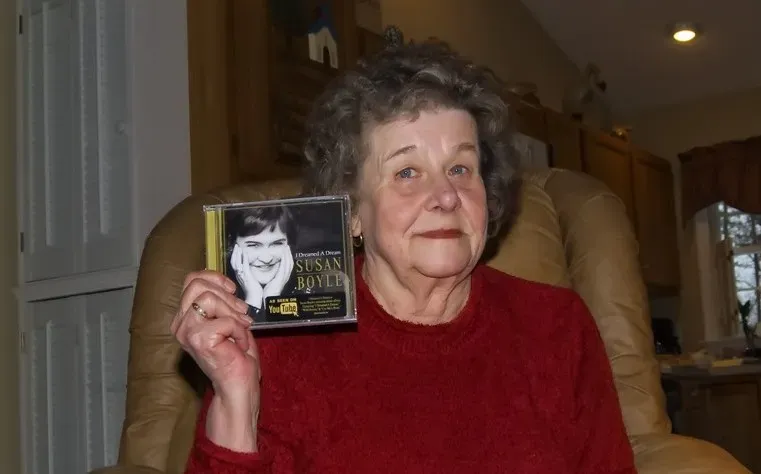
Before “viral” was even a word people used casually, Susan Boyle became one of the earliest examples of it. Her 2009 audition on Britain’s Got Talent turned an unassuming middle-aged woman from West Lothian into a global phenomenon almost overnight, and her debut album became the UK’s best-selling debut of all time. For a while, she was inescapable. Health setbacks eventually slowed her down, most seriously a stroke she suffered in 2022, during a period when she kept a low profile amid ongoing health concerns and complications. The comeback, though, has been real. Boyle marked a return to social media on April 1, 2025, after a two-year absence, announcing that she had made her return to the recording studio for the first time in six years, something she’d once been told she might never achieve again. By mid-2026 she was teasing something bigger, having posted about a “new era” beginning and releasing her first single in twelve years as part of a Cornetto summer advertising campaign.
Joss Stone: the teenage soul voice who chose quiet over fame
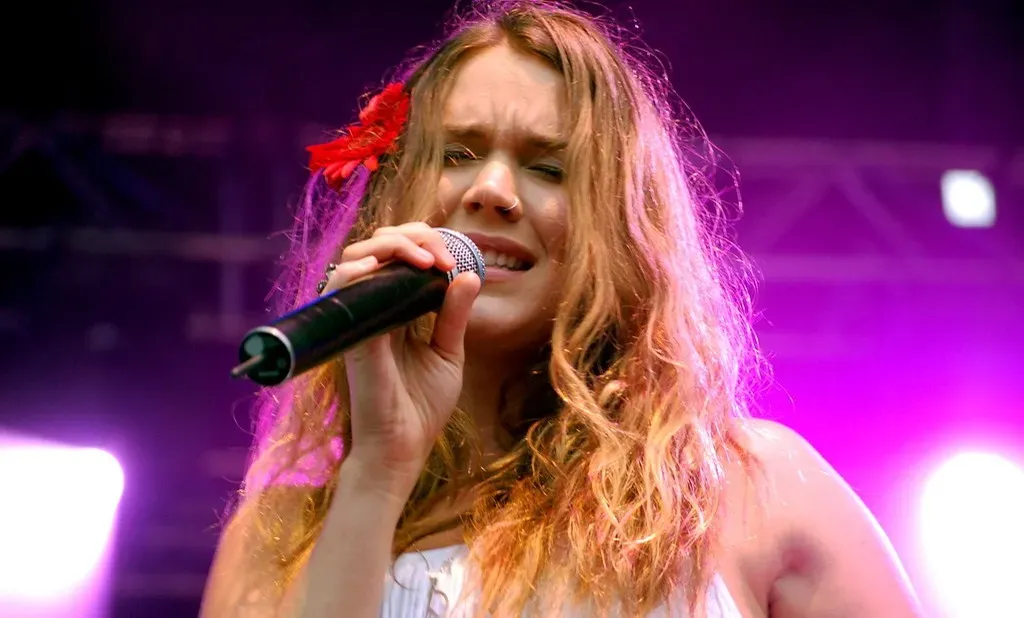
Joss Stone was barely out of her teens when critics started comparing her voice to Aretha Franklin and Dusty Springfield, an enormous burden to place on anyone. Her early albums earned Brit Awards, a Grammy nomination, and the kind of critical acclaim that usually locks an artist into superstardom for a decade or more. For a moment, she genuinely looked like Britain’s next great soul export. What actually happened was more of a deliberate retreat than a collapse. Stone kept releasing music steadily through the years that followed, but she never chased the pop machinery that made her early success possible, preferring smaller tours, independent releases, and a life largely out of the tabloid spotlight. She’s remained a respected name among soul and R&B fans without ever again matching the sheer commercial noise of her debut, which seems to suit her fine.
Partner offer
Colbie Caillat: the sunny hitmaker who stepped off the treadmill

“Bubbly” turned Colbie Caillat into one of the most inescapable radio voices of the late 2000s, a warm, breezy sound that fit perfectly into the acoustic-pop wave of that era. She followed it with several more hits and a Grammy win, and for a stretch it seemed like she’d be a permanent fixture of adult pop radio. Rather than keep grinding out solo albums indefinitely, Caillat shifted gears. She co-founded the country group Gone West, stepped back from the relentless solo touring cycle, and became more selective about which projects she took on. It’s less a story of decline than of an artist choosing a smaller, more sustainable version of a career that once threatened to swallow her whole.
Mýa: the R&B talent overshadowed by her own hit singles
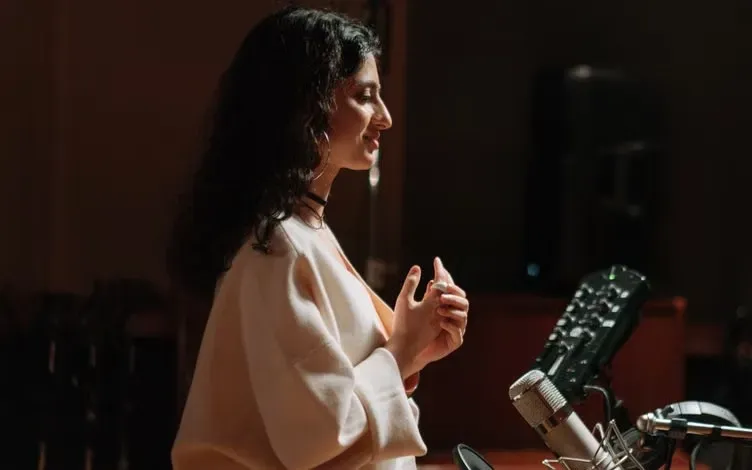
Mýa had the vocal chops, the choreography, and the industry connections. Her cover of “Ghostbusters” and her feature on “Lady Marmalade” alongside Christina Aguilera, Lil’ Kim, and Pink made her a household name in the early 2000s, and for a while she seemed poised to join that same tier of R&B and pop crossover stardom. Instead, she became something of an industry footnote next to her more famous collaborators, despite continuing to release music steadily on independent labels. She’s kept working in film, theater, and dance over the years, including a stint on Dancing with the Stars, without ever quite reclaiming the mainstream spotlight her early singles suggested was coming. It’s a familiar pattern in R&B: talent that never disappeared, just stopped being covered.
Sisqó: the one-hit wonder who never actually stopped performing
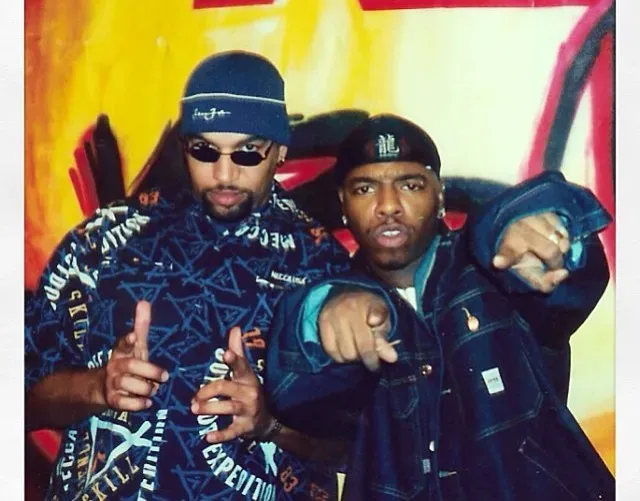
“Thong Song” was such a massive cultural moment in 2000 that it somewhat obscured the fact Sisqó had already built a solid career as the frontman of Dru Hill, a well-respected R&B group with several hits of its own. The solo explosion that followed felt like the natural next step for someone who’d clearly been building toward stardom for years. The follow-up material never landed with the same force, and Sisqó gradually became one of pop culture’s go-to examples of a novelty hit overshadowing a legitimate career. He never actually left music, though. He’s continued performing with Dru Hill on nostalgia circuits and R&B revue tours for years, a reminder that “one-hit wonder” status often says more about public memory than about an artist’s actual output.
Tiffany: the teen idol who outlasted the mall tour jokes

In 1987, Tiffany topped the charts with “I Think We’re Alone Now” at sixteen years old, famously performing at shopping malls across the country to build a fanbase before labels fully understood how to market teen pop. For a brief stretch, she was one of the biggest young stars in the country, selling millions of records and headlining her own tours. The transition into adulthood proved rockier than the ascent had been, with legal battles over her earnings and a music industry that had little patience for former teen idols trying to redefine themselves. She kept working steadily anyway, experimenting with country music, appearing on reality television, and touring nostalgia circuits well into her forties and beyond. Her career never matched those early highs again, but it never fully ended either, which is more than can be said for a lot of her contemporaries.
The pattern behind the fade

Partner offer
Planning a trip to Vegas?
Compare hotel rates and show tickets on VEGAS.com.