Long before their names appeared above a movie title, plenty of celebrated directors clocked in at jobs that had nothing to do with filmmaking, or jobs in the industry that ended faster than anyone expected. Some got let go for being too strange, others for being too slow, and a few simply clashed with a boss who didn’t share their vision. What makes these stories worth telling isn’t the firing itself, but what happened afterward. The following ten filmmakers all experienced an early professional setback that, at the time, probably felt like a dead end. Looking back, it reads more like a footnote on the way to something bigger.
Tim Burton and the Disney animation desk
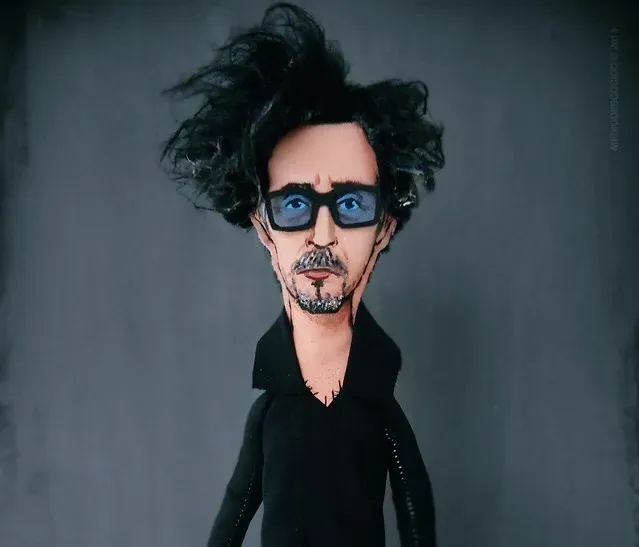
Tim Burton’s first real job out of the California Institute of the Arts was as an animator at Walt Disney Studios, where Burton’s first job after attending the California Institute of the Arts was as an animator at Disney, working for the company from 1981 to 1984, when he was fired by Disney after making the short movie Frankenweenie. Disney executives felt the project was inappropriate for children, and the studio parted ways with him not long after it wrapped.
The short was considered too grim for Disney, and Burton was notoriously fired. It turned out to be a strange kind of blessing, since the very short that cost him his job caught the attention of performer Paul Reubens, who hired Burton to direct what became his feature debut. Disney and Burton eventually made peace, collaborating on Alice in Wonderland and a feature length version of the same Frankenweenie years later.
James Cameron and his first directing job
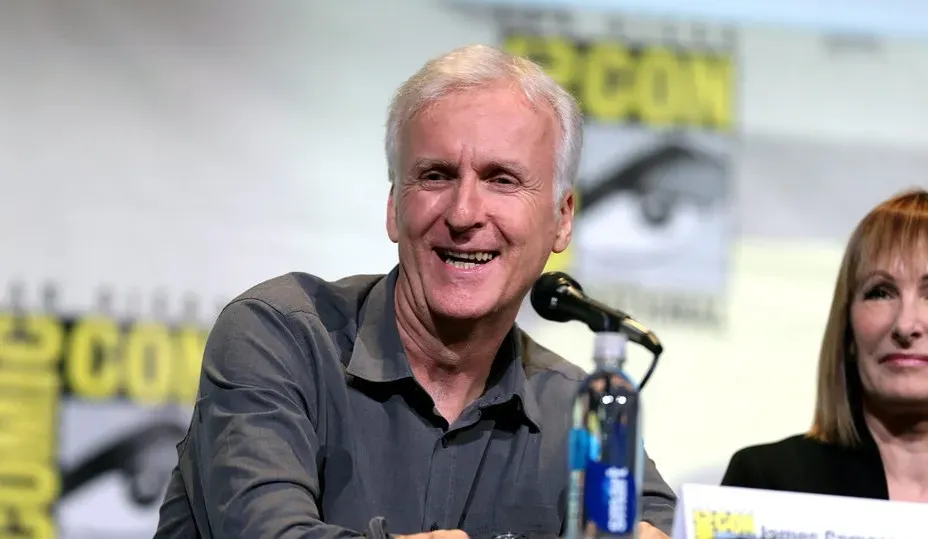
Before he became known for Titanic and Avatar, James Cameron got his first shot at directing a feature on the low budget sequel Piranha II: The Spawning. It did not go well. After working for years as a model builder, production designer and second-unit director on low-budget horror films, he had been fired from his first job as director in a feature film.
Cameron later described the experience bluntly, recalling that he got hired to do the film and they fired him after 10 days. Rather than treat it as a career ending moment, he used the frustration to write a script about a killer machine from the future. That script became The Terminator, and the rest of his career followed from there.
Robert Redford’s rough start in the oil fields
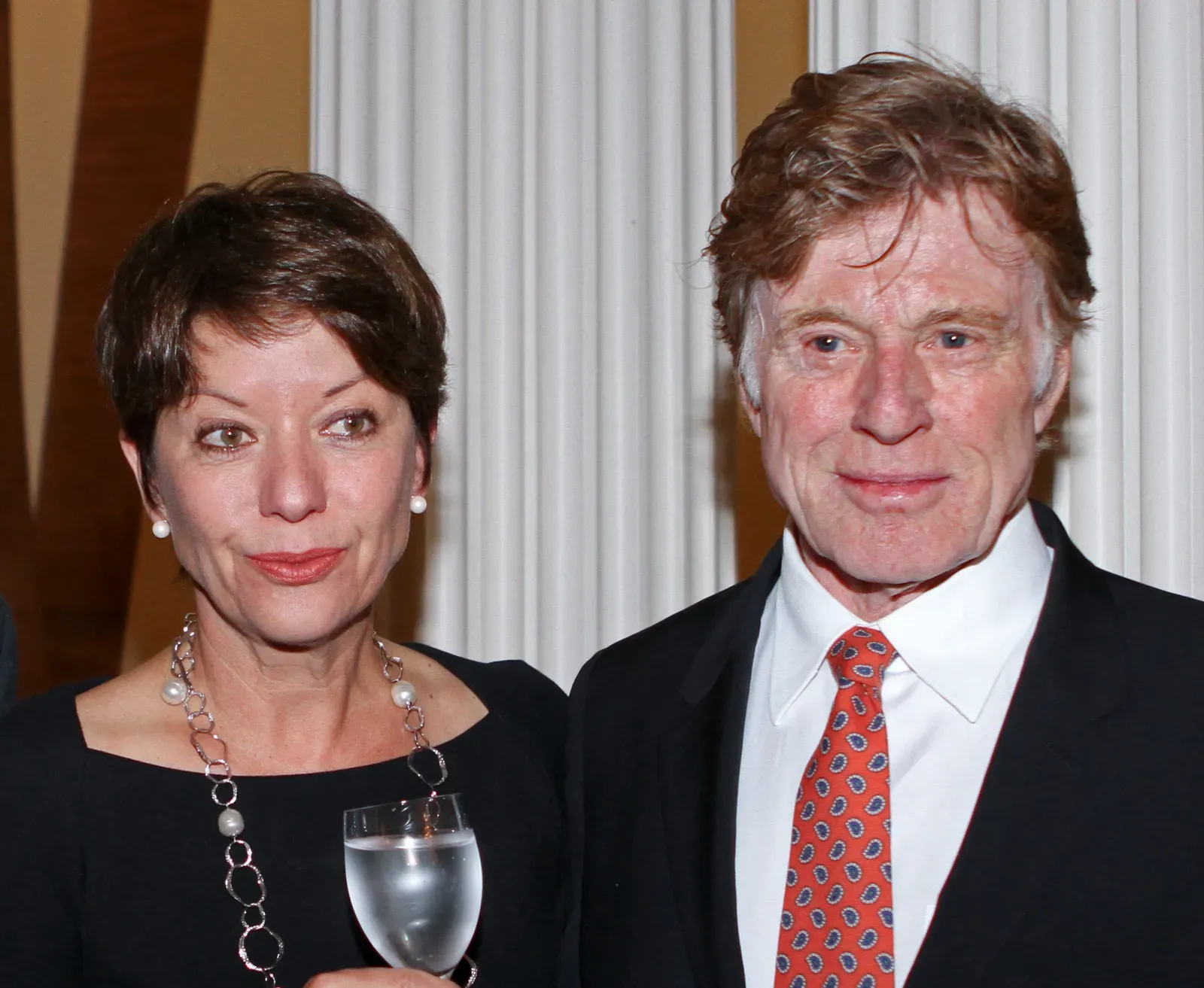
Long before Sundance or his Academy Award for directing Ordinary People, Robert Redford drifted through a string of manual labor jobs on the West Coast. One of them was at a California oil refinery, where getting fired from a California oil refinery for sleeping inside an oil tank wasn’t proof enough he wasn’t meant for manual labor, and he was also fired from the meager position of bottle washer after breaking more than a few glass bottles.
Another account puts it just as plainly, noting Robert Redford lost his job as an unskilled worker at Standard Oil for accidentally breaking glass bottles and falling asleep on the job. Redford went on to study painting and acting instead, eventually building a career that spanned both performing and directing, along with founding the festival that gave independent film its biggest annual showcase.
Walt Disney and the newspaper job that didn’t work out
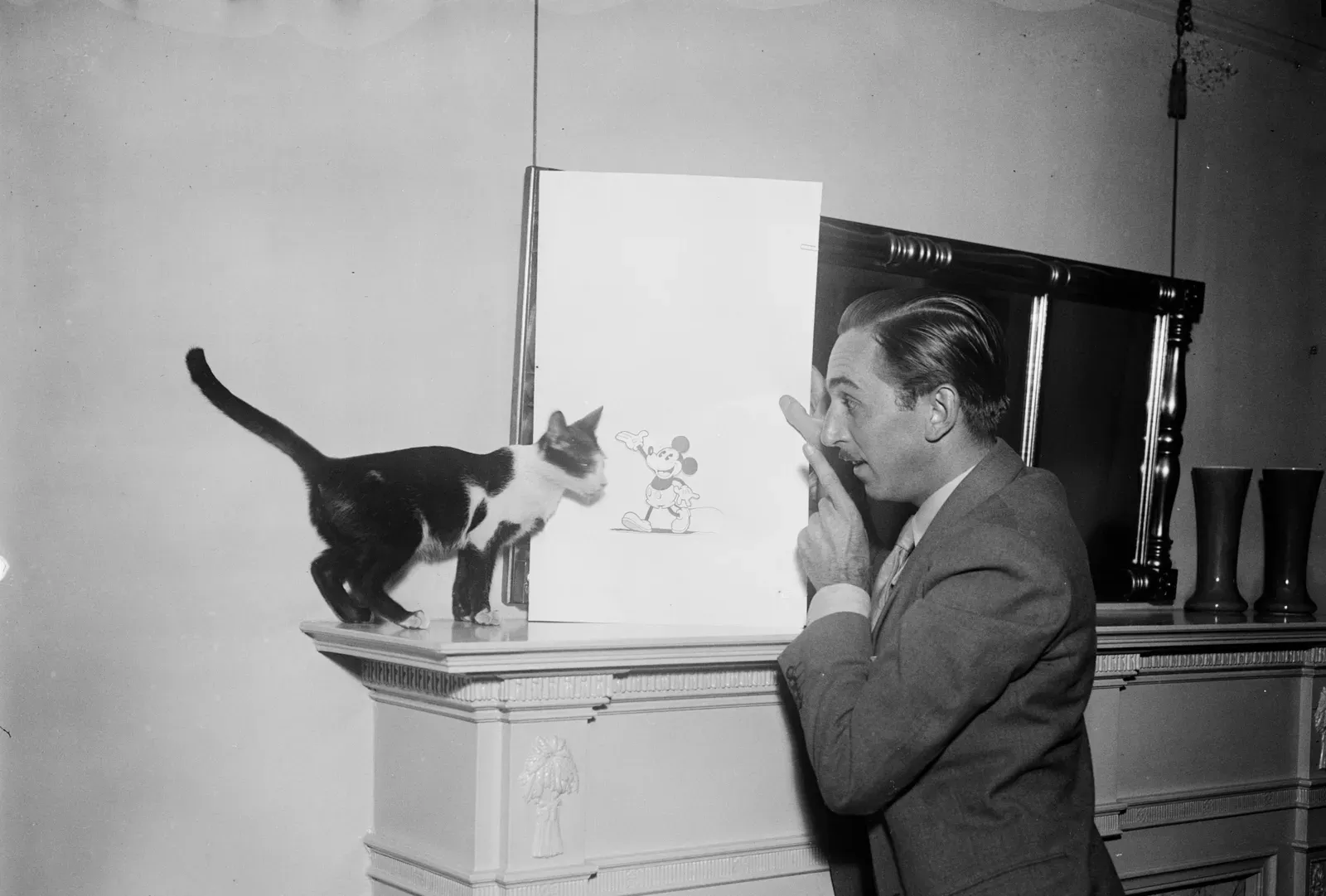
It is easy to forget that the man behind an entire entertainment empire once struggled to hold down a simple drawing job. It may be hard to believe, but the man who founded Disney was fired from his first job as a newspaper artist because he “lacked creativity”. He was working for the Kansas City Star at the time, doing basic illustration work that apparently did not showcase whatever spark his editors were hoping to see.
Another source frames the dismissal the same way, stating Walt Disney was fired as a cartoonist for the Kansas City Star newspaper because he “lacked imagination and had no good ideas”. Disney tried running his own small art business afterward, which also struggled, before he eventually moved into animation and built the studio that would carry his name for generations.
Michael Moore and his brief run at a national magazine
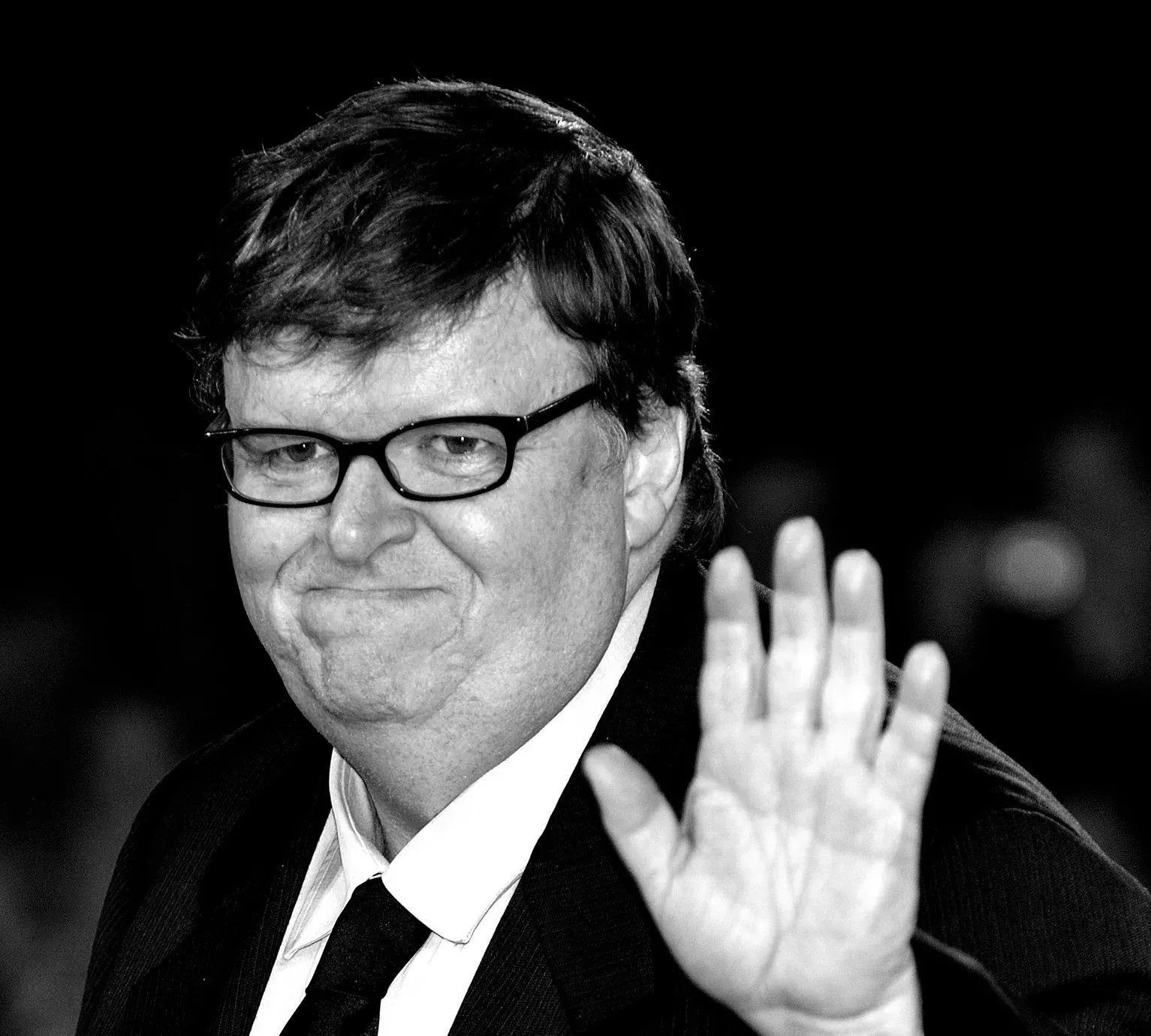
Before Roger & Me made him a household name in documentary filmmaking, Michael Moore took a job editing Mother Jones, a well regarded political magazine based in San Francisco. His tenure there was short and famously rocky, ending in a dismissal that later became part of his origin story as a filmmaker rather than a footnote he tried to hide.
Moore has spoken openly over the years about how that experience shaped his decision to make films on his own terms, answering to no editor or studio note. The settlement from that dispute is widely credited with helping fund his first film, which turned a small town factory closure into one of the most influential documentaries of its era.
Quentin Tarantino and the usher job that ended early
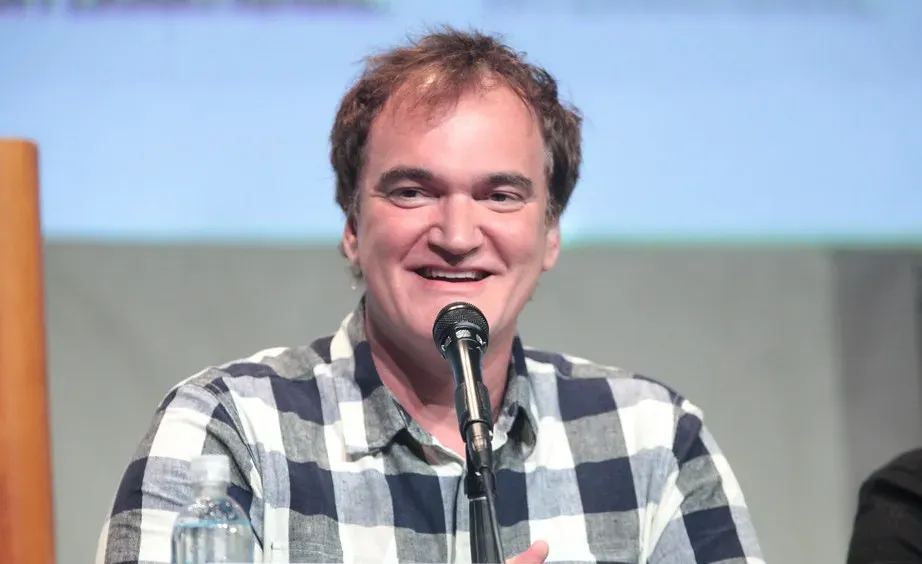
Long before Reservoir Dogs and Pulp Fiction, Tarantino held a series of odd jobs around Los Angeles while trying to figure out how to break into the film industry. One of the earliest was working as a movie theater usher, a job that reportedly did not last long, since he spent more time watching the films than doing his actual duties.
That obsessive love of movies eventually found a better outlet at Video Archives, the rental store where he spent years absorbing everything from martial arts films to obscure crime pictures. The knowledge he built there shows up in nearly every film he has made since, which suggests the early firing barely slowed him down.
John Lasseter’s unexpected exit from Disney

John Lasseter joined Disney as a young animator with big ideas about computer animation at a time when the studio had little interest in the technology. He pushed the idea anyway, developing a pitch for a computer animated short based on The Brave Little Toaster, which did not sit well with his supervisors.
The pitch reportedly led to his dismissal from the studio, a decision that in hindsight looks like one of Disney’s more costly mistakes. Lasseter moved on to Lucasfilm’s computer graphics division, which was later spun off and renamed Pixar, where he directed Toy Story and helped redefine what animated filmmaking could look like.
Clint Eastwood and the gas station that let him go
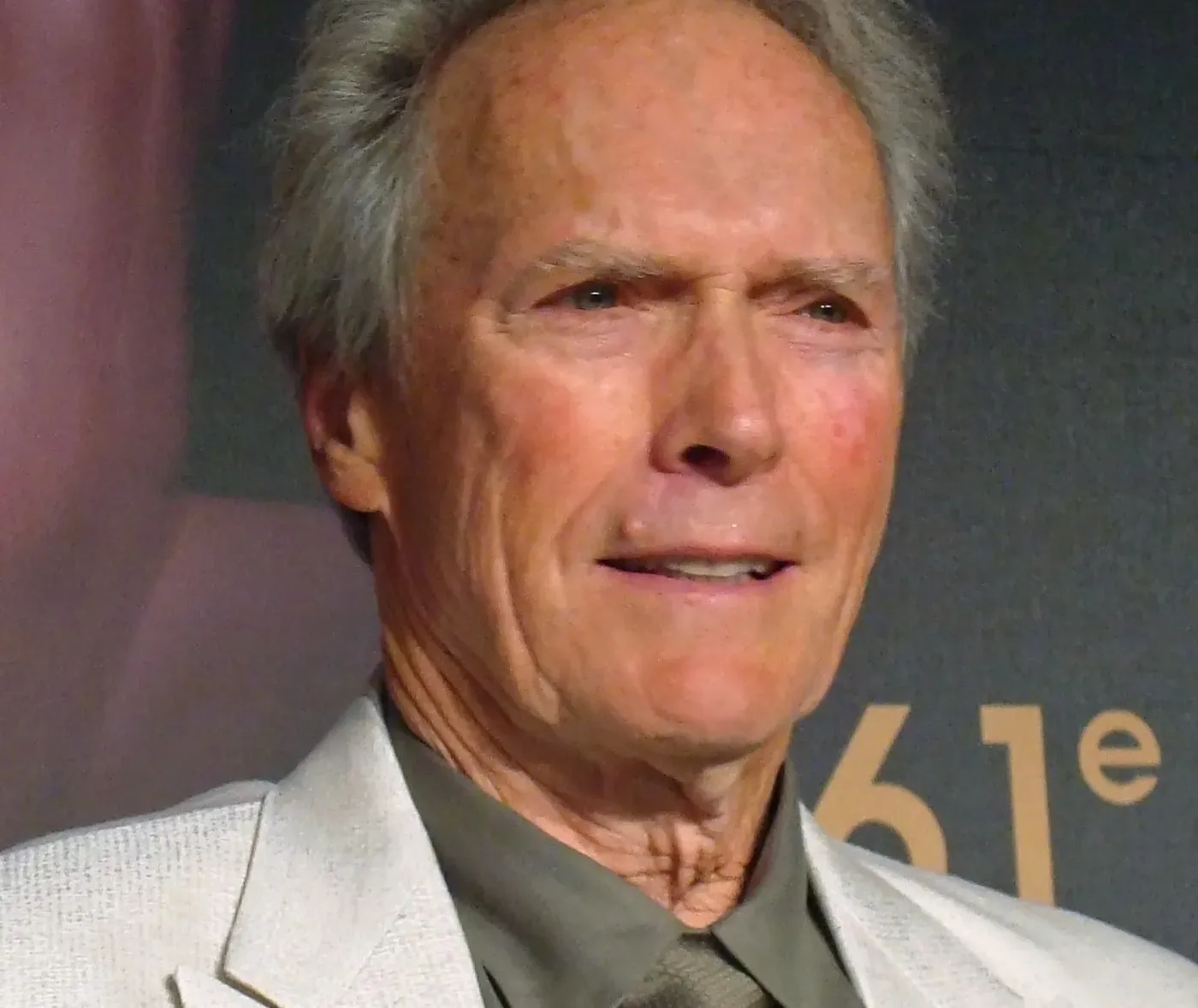
Before Rawhide made him a television star and long before he picked up his first directing Oscar for Unforgiven, Eastwood worked through a string of blue collar jobs in California. One of them was pumping gas, a job he reportedly lost for working too slowly for his employer’s liking.
He bounced between lifeguarding, logging, and firefighting in the years that followed, gathering the kind of practical, weathered experience that later showed up in the rugged characters he played and directed. It is a fitting detail for a filmmaker whose work often centers on people who keep going after setbacks.
John Hughes and his days in advertising

Before he became the voice behind Sixteen Candles and Ferris Bueller’s Day Off, John Hughes worked as a copywriter at an advertising agency in Chicago. He reportedly spent more time writing jokes and comedic bits on the side than focusing on the ad copy he was paid to produce, which did not endear him to his employer.
That mismatch between his real interests and his day job eventually led him toward magazine writing, where he sold humor pieces to National Lampoon. From there, the path to screenwriting and directing opened up, and Hughes spent the 1980s defining an entire genre of coming of age comedy.
Barbra Streisand and the switchboard that didn’t suit her

Long before she directed Yentl and The Prince of Tides, Barbra Streisand worked a series of unglamorous jobs around New York while trying to break into performing. One of them was as a switchboard operator, a role that reportedly ended quickly once it became clear the job was not a good match for her skills or her patience.
She kept pushing toward singing and acting instead, eventually building one of the most decorated careers in entertainment history. Directing came later in her life, but it added another layer to a career that started with far humbler and far less glamorous work.
None of these setbacks look like much on their own. A short film deemed too scary, a pitch a boss did not want to hear, a job that simply did not fit the person doing it. Yet each one turned into a quiet turning point, pushing these filmmakers toward the work that eventually made them famous.