Most people picture Las Vegas as a world of neon, poker chips, and endless desert heat. Snow? Not exactly the first thing that pops to mind. Yet less than an hour from the Strip, families are launching sleds down legit powder-covered hillsides while the city bakes in its usual dry warmth. It sounds almost too good to be true, honestly. But it is real, it is accessible, and it changes everything you thought you knew about a Las Vegas winter trip. Curious where to go and how to make the most of it? Let’s dive in.
The Surprising Snow Secret Just Outside Las Vegas
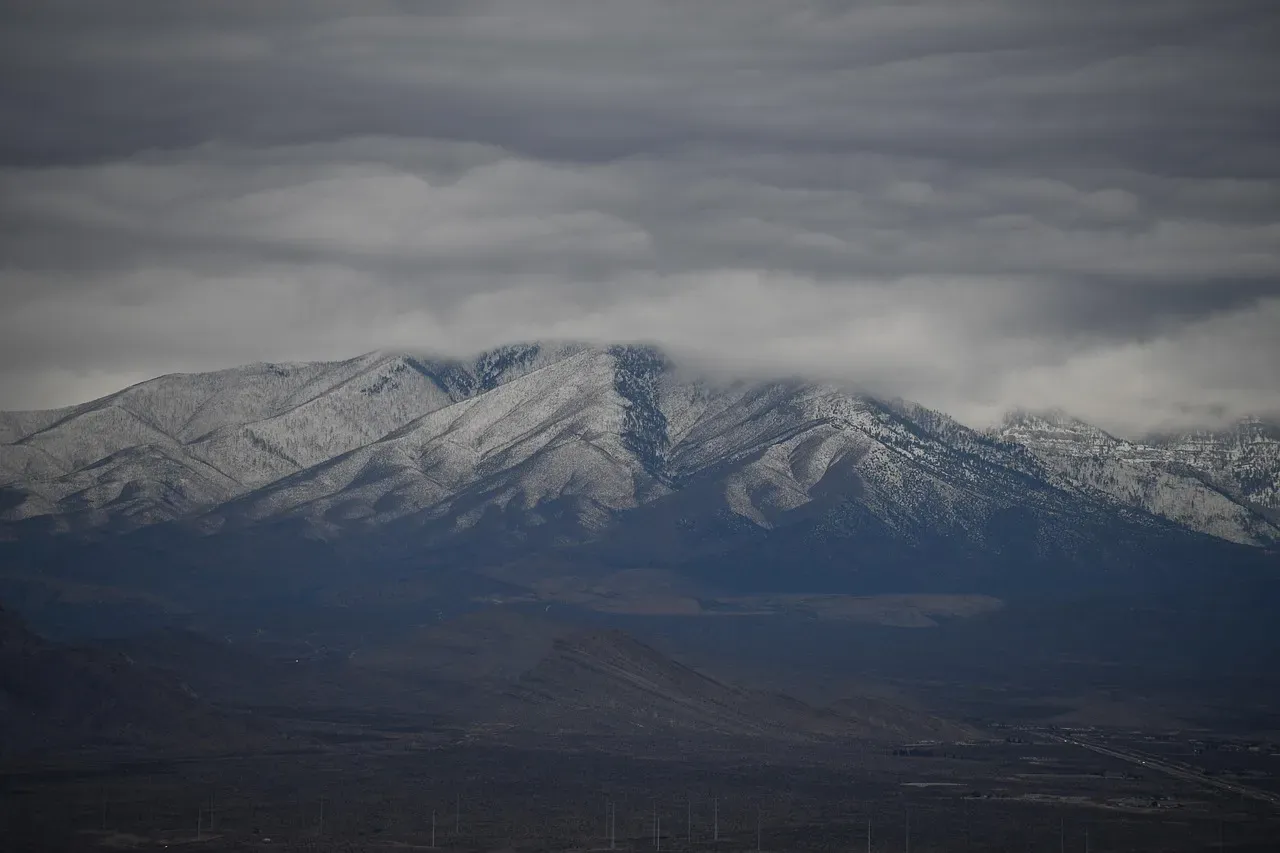
Here’s the thing most Vegas visitors never find out: real mountain snow is practically right next door. Mt. Charleston is only a forty five minute drive from Las Vegas, and there is tons of snow up there. This is not a long haul, and it does not require any serious mountain driving skills. Think of it like flipping a switch: one minute you are in the Mojave Desert, and forty five minutes later you are pulling on gloves and dragging a sled up a pine-lined hill.
The National Weather Service reports an annual average of only 0.3 inches of snow per year in the Las Vegas Valley itself, which makes Mt. Charleston feel even more miraculous by contrast. The mountain operates on its own climate, practically its own season. For locals and tourists alike, it is one of Southern Nevada’s best-kept secrets.
What Is Mt. Charleston, Exactly?
Just 35 miles northwest of Las Vegas is Mount Charleston, part of the Spring Mountains National Recreation Area, and Nevada’s eighth-highest mountain peak, as well as one of the top ten most topographically prominent peaks in the United States. That is a serious mountain, not just a scenic hill. With an elevation of 11,916 feet and being separated from other peaks by large, low basins, Charleston Peak is the most topographically prominent peak in Nevada.
Located in the Spring Mountains of Southern Nevada, Mt. Charleston is a year-round getaway for residents and visitors of Las Vegas. The temperature difference alone is stunning. In the summer months, the weather on the mountain is around 20 degrees cooler than the city. In winter, that gap means actual snowfall while Las Vegas stays dry and mild below.
Lee Canyon and Kyle Canyon: The Two Main Hubs
Most winter activities are centered around Lee Canyon and Kyle Canyon, two major access points separated by a high ridge but connected by roads, each offering unique amenities and recreational experiences. These are your two primary gateways into the winter playground, and they each have a distinct personality.
Lee Canyon is the main hub for snow sports, featuring the Lee Canyon Ski Resort as well as designated areas for snow play, snowshoeing, and winter camping. Kyle Canyon is home to the Spring Mountains Visitor Gateway, providing access to various winter hiking trails and year-round picnic areas. Together they cover a wide range of winter activities, from full ski resort runs to quiet family sledding afternoons.
Lee Canyon Ski Resort: More Than Just Skiing
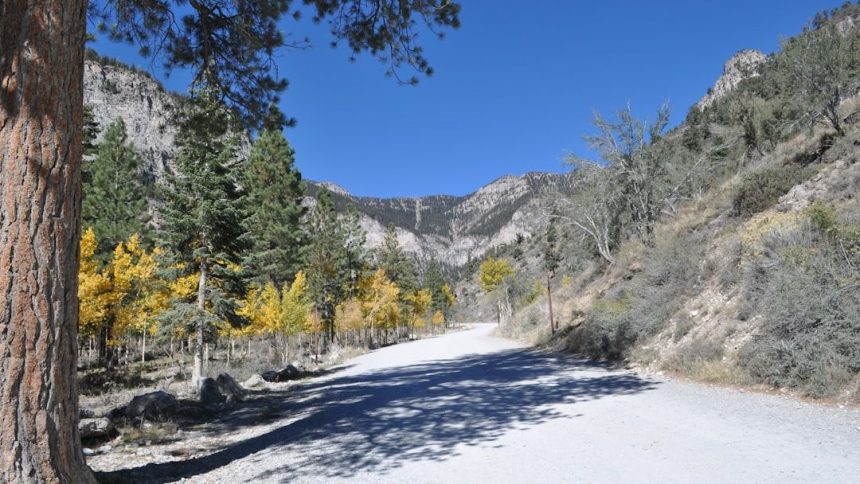
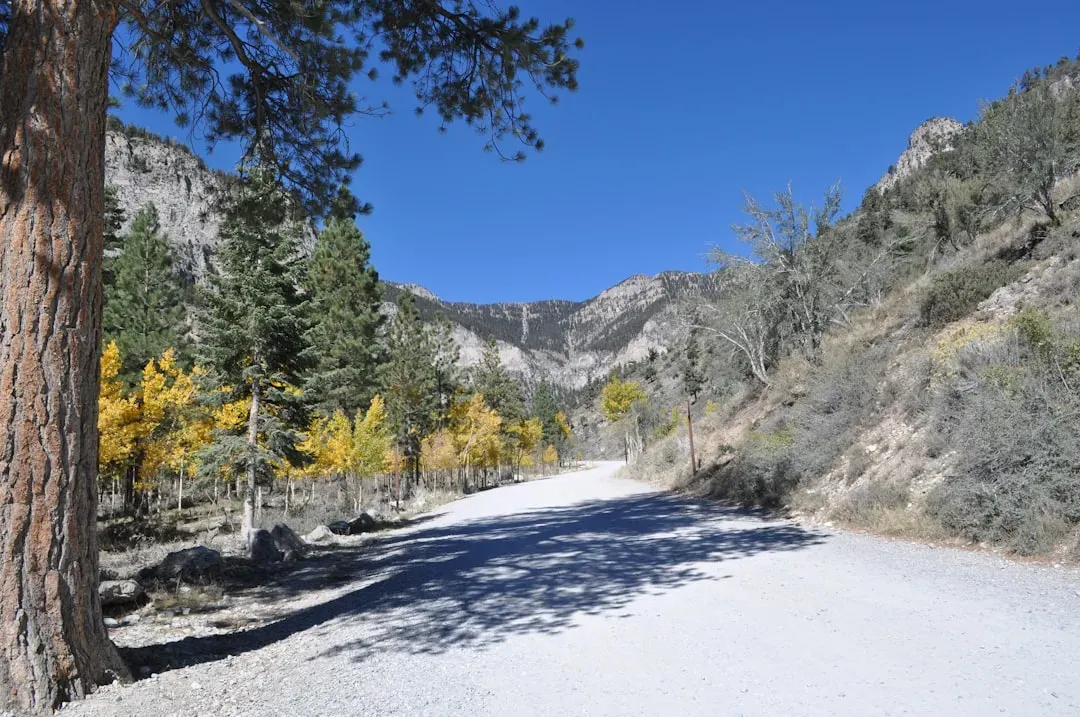
Lee Canyon is a ski and snowboard resort situated in the Spring Mountains National Recreation Area within the Humboldt-Toiyabe National Forest, approximately 35 miles northwest of Las Vegas, providing accessible winter sports to urban visitors via a roughly 45-minute drive from the Las Vegas Strip along the Mount Charleston Scenic Byway. That drive is genuinely scenic, winding up through Joshua trees and into a forest of ponderosa pines.
The resort features a base elevation of 8,510 feet, a summit elevation of 11,289 feet, and an 860-foot vertical drop, encompassing 195 acres of lift-served terrain and 250 acres of hike-to terrain across 31 trails rated 30% beginner, 30% intermediate, and 40% advanced. It operates five lifts, including three quad chairs, one triple chair, and one surface lift, and relies on an average annual snowfall of 129 inches supplemented by snowmaking capabilities to support its typical season from late November to mid-April. For a resort this close to a desert city, that is genuinely impressive infrastructure.
For the 2025-26 season, new trails have been added in the West Bowl, expanding accessible terrain. A $1 million investment in snowmaking enhancements for the 2025-26 season supports reliable operations. So the resort is actively growing, not just coasting on its novelty factor.
Where to Actually Sled: The Foxtail Snow Play Area
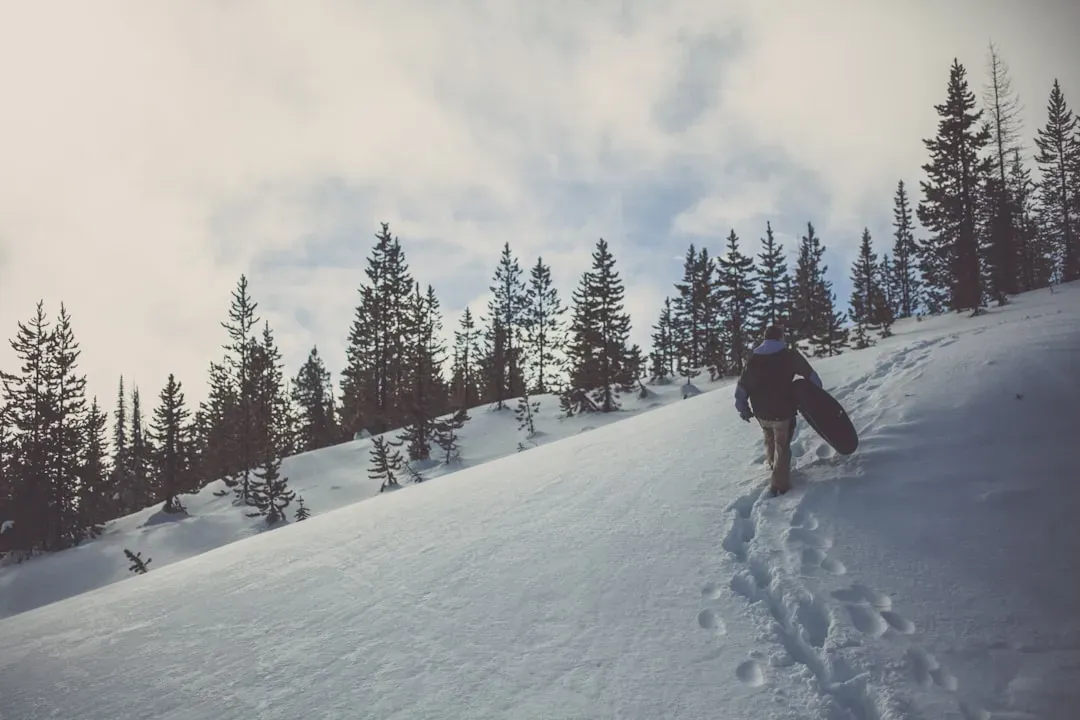
Not everyone wants to ski or snowboard, and that is completely fine. The dedicated sledding spot at Mt. Charleston is the Foxtail Snow Play Area. Sledding is encouraged at the Foxtail Picnic Area in areas that are free of trees and other hazards. The picnic area is open daily from 10 a.m. to 4 p.m., when there is more than 12 inches of snow on the ground.
When there is at least 12 inches of snow on the ground, Foxtail becomes a winter playground for sledding and tubing. Foxtail Group Picnic Area is located in the Spring Mountains National Recreation Area, just 47 miles from downtown Las Vegas. Just outside of Las Vegas, the Foxtail Group Picnic Site has the ideal conditions for the family-friendly sport thanks to a big hill with a gentle slope. It’s basically the sweet spot for families with younger kids who are not ready for ski boots.
Lee Meadows: The Free Open Sledding Spot
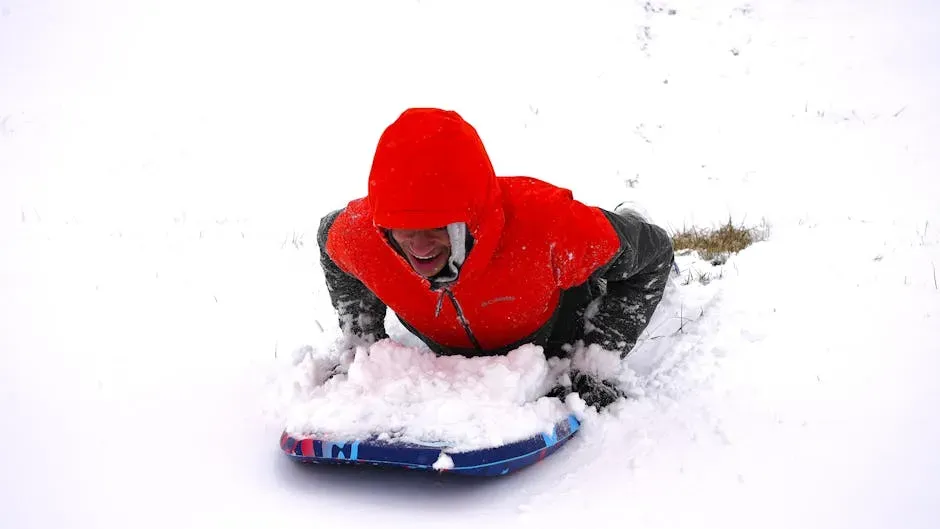
If you want to avoid the fee and just find open space, Lee Meadows is the go-to alternative. On occasions when plenty of snowflakes fall, lots of locals drive up State Route 156 with bright plastic sleds in tow. Sledding families congregate in Lee Meadows, and the forest of pines and firs fills with the sounds of laughter and joy. It is a real community gathering spot when conditions are right.
You will pass the Snow Play area on the left and continue about 1 mile until you get to Upper Lee Meadows in the Spring Mountains National Recreation Area. You can park your car on the left. This place is huge with lots and lots of snow, and it is wide so you do not have to worry about running into anyone sledding down the mountains. The extra space makes it especially appealing on busy weekends.
Snow Conditions and What to Realistically Expect
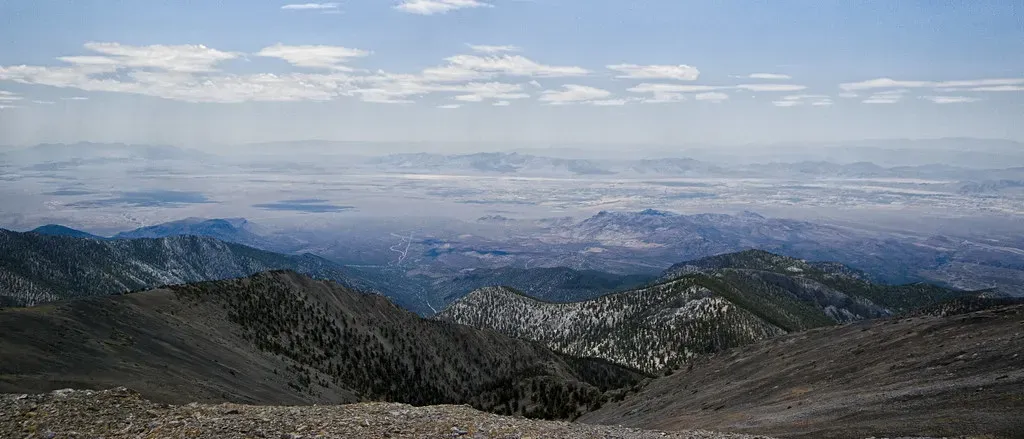
Let’s be real: mountain snow is never 100% guaranteed. But when it does fall at Mt. Charleston, it can be serious. Estimated seasonal snowfall for the 2025-26 season reached 58 inches from October 1, 2025 through early March 2026, which suggests a solid winter on the mountain. Average snow depth during the season is around 113 cm at summit elevation and 100 cm at the base elevation. Snow coverage is usually best during March, offering an average snow depth of 146 cm at summit elevation and 132 cm at the base.
The Weather page for Mt. Charleston offers multiple tools, tips, and webcams to monitor conditions and forecasts. Visitors should be prepared for high winds, storms, and potential snow, even if the Las Vegas forecast shows clear skies. Always check conditions before you drive up. The mountain operates on its own weather system entirely separate from the valley below.
The Snow Rules You Actually Need to Know
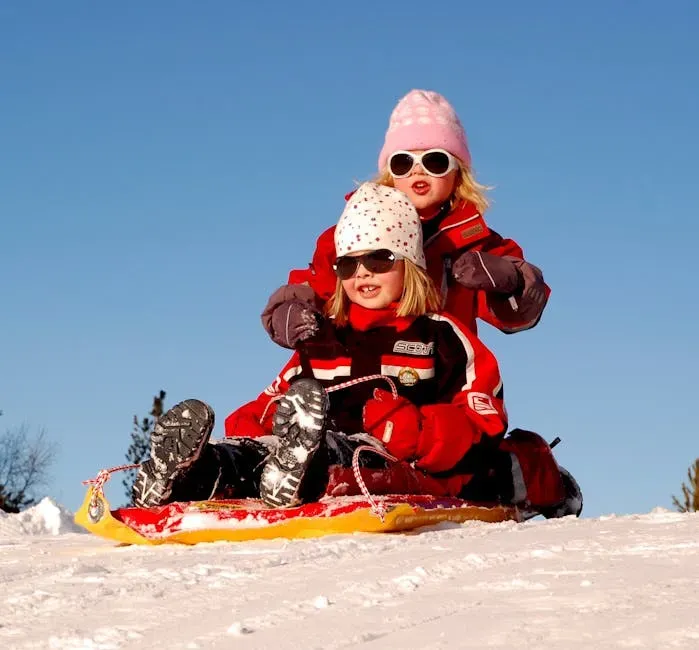
There are real safety rules up here, and they are worth taking seriously. Do not sled in areas with less than 12 inches of snow, stay clear of road traffic, and dangerous objects like trees and rocks. Sledding may be dangerous in icy conditions. Use sturdy sleds for snow play, not makeshift items like cardboard boxes.
Slopes along most of state routes in this area are inappropriate for sledding because they are very steep and full of trees. Sledding in these hazardous areas increases the chances of injury or even death. Stick to the designated zones. It sounds strict, but the terrain here is genuinely rugged and the road shoulders are not safe play areas.
Getting There: Crowds, Parking, and Timing
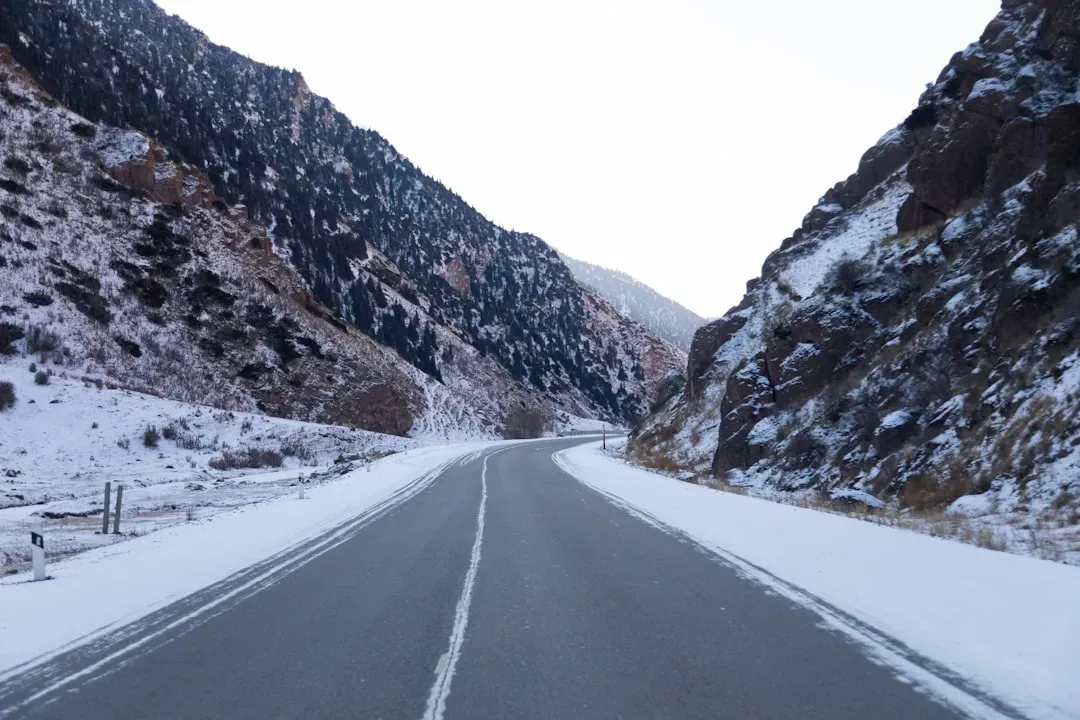
The biggest challenge at Mt. Charleston in winter is not the snow, it is the traffic. I think a lot of people underestimate how popular this place gets on a powder day. The popularity of Lee and Kyle Canyons during the winter season when snow is present can bring thousands of cars to the area, especially on weekends, holidays, and school breaks. It is best to be there before 9 a.m. on these days, or you may have to wait to go up the mountain if traffic is too congested.
From December through March, the Nevada Department of Transportation and partners implement parking restrictions at Mt. Charleston. Due to the number of winter visitors on the weekends and holidays, motorists will not be allowed to park or walk on the actual roadways. Fines begin at $190. That is a good reason to arrive early and use designated lots.
What to Pack and How to Stay Safe
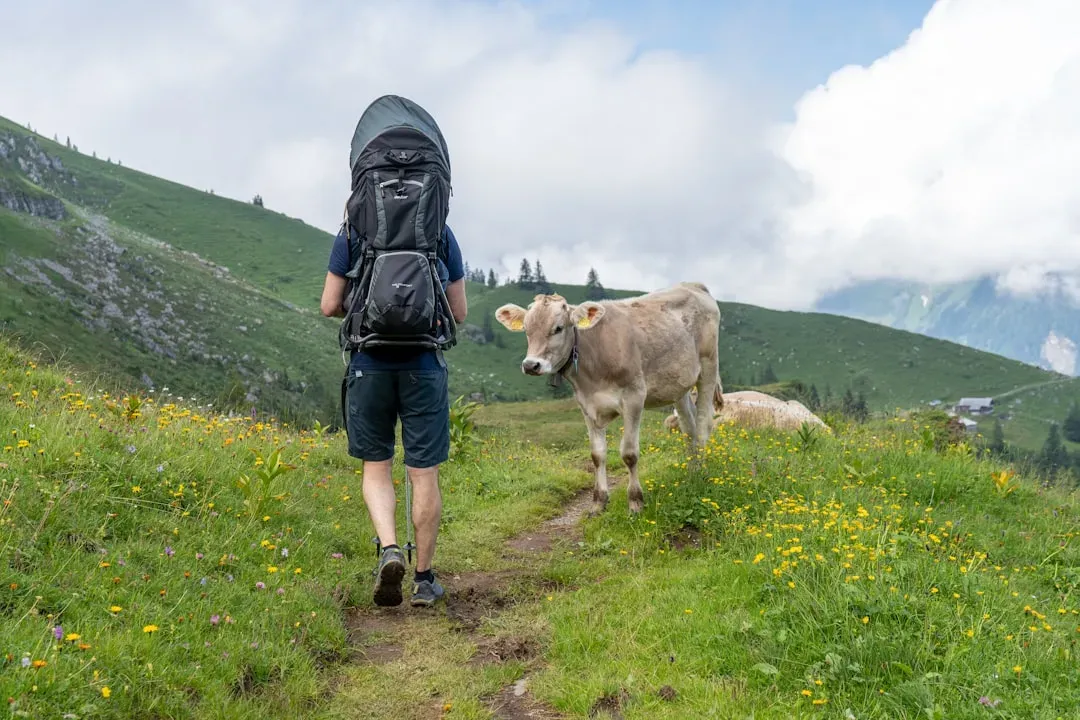
Coming from a desert city, people consistently underpack for Mt. Charleston. It is a genuinely wild swing in conditions. An optimal setup uses a base layer, an insulation layer of fleece or down, and a water and windproof outer shell. Avoid cotton; wool or synthetics are much better. Ensure boots are waterproof because hiking boots are often inadequate for deep snow, and protect extremities with a warm hat and properly fitting gloves and socks. Always pack extra clothes, as wet gear can quickly lead to hypothermia and other cold-related injuries.
When traveling to the Spring Mountains National Recreation Area after a winter storm, visitors should start with a full tank of gas because there are no gas stations on the mountain. Cell phone reception is not available in most areas on State Route 156, State Route 157 and State Route 158, so it is a good idea to tell relatives and friends where you are going. It is just 45 minutes from the Strip, but it is a real mountain with real mountain risks. Treat it accordingly.
Conclusion: The Snow Day Las Vegas Never Told You About
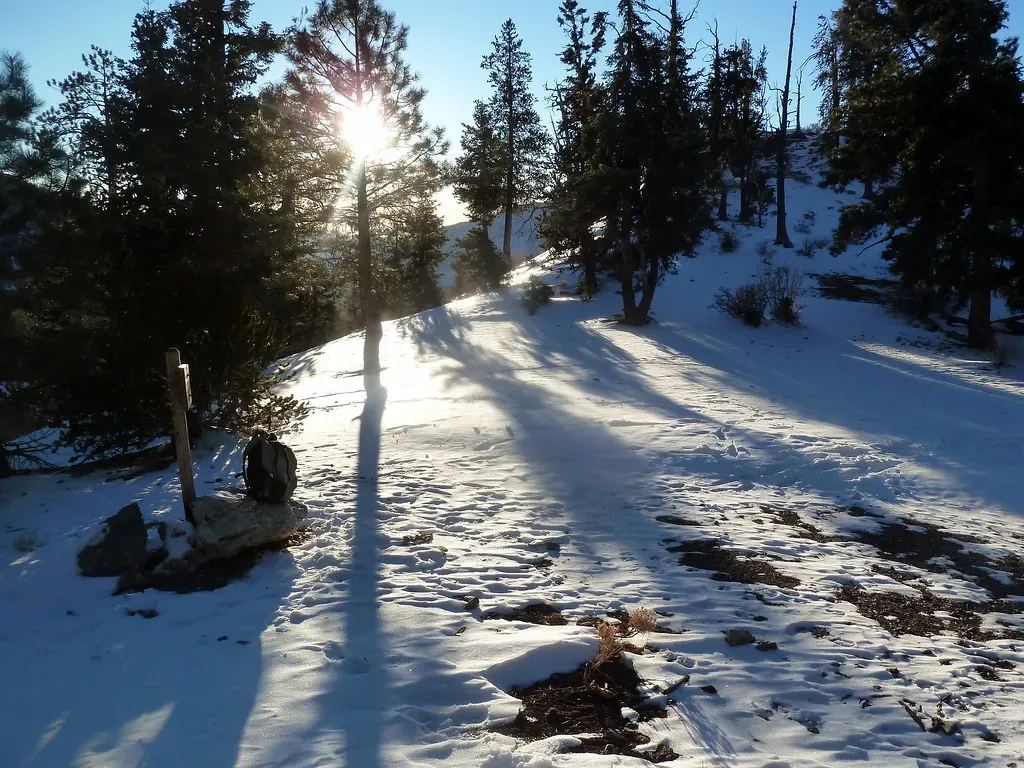
Most Vegas visitors never leave the air conditioning long enough to discover that a legitimate winter adventure is practically next door. During the winter months, the Spring Mountains National Recreation Area transforms into a picturesque snowy playground perfect for winter enthusiasts. Whether you enjoy skiing, sledding, snowshoeing, or simply taking in the stunning landscapes covered in snow, this area has something for everyone.
Whether you are a family with young kids hunting for a safe sledding slope, a skier looking for a quick resort fix, or just someone who wants to throw a snowball before heading back to the blackjack tables, Mt. Charleston delivers. It is one of those rare places where the contrast makes the experience feel almost surreal. A dry desert city. Real pine forests. Actual powder snow. All within a single morning’s drive.
What would you have guessed was hiding just 45 minutes from the Las Vegas Strip?