
Comedy is personal. What makes one person cackle out loud makes another roll their eyes and reach for the remote. Sitcoms have shifted their rhythm, tone, and targets so many times over the decades that your favorite era probably says more about your comedic instincts than you’d think.
From the tidy morality of the 1950s to the chaotic mockumentary style of the 2020s, each decade built its own comedic language. Figuring out which one actually fits your humor means looking past nostalgia and into the mechanics of what made you laugh in the first place.
The 1950s: Wholesome Setups and Physical Comedy


If you love comedy that’s gentle, visual, and built on exaggerated reactions, the 1950s might be your natural home. Shows like “I Love Lucy” leaned heavily on physical slapstick, with Lucille Ball’s rubber-faced expressions and elaborate set pieces doing most of the heavy lifting. The humor rarely relied on wordplay or irony; it was about watching characters get into absurd situations and dig themselves in deeper.
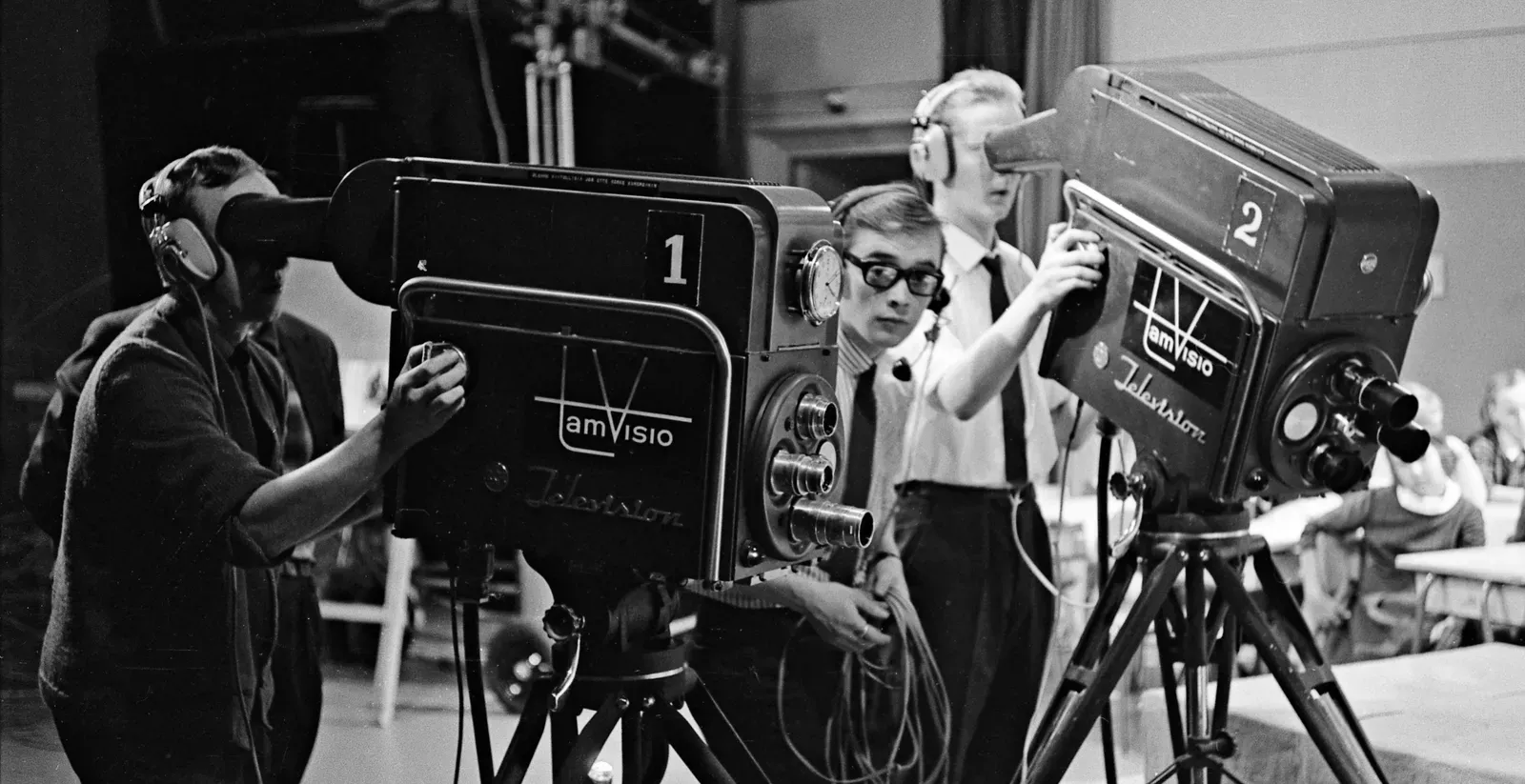
This era also established the multi-camera studio format with a live audience, a structure that still influences sitcoms today. If you find yourself preferring comedy that’s easy to follow, family-friendly, and built on clear cause-and-effect gags rather than subtext, you’re drawn to that ’50s sensibility. It’s comedy without cynicism, which some viewers still find refreshing in a media landscape full of irony.
The 1960s: Absurdist Premises and Gentle Satire

The 1960s pushed sitcoms into stranger territory with high-concept premises like “Bewitched,” “Gilligan’s Island,” and “The Munsters.” These shows didn’t just tell jokes; they built entire fantastical worlds and then played it straight, which created a different kind of humor rooted in situational absurdity rather than punchlines.
If your sense of humor enjoys a ridiculous premise taken completely seriously, that dry commitment to a silly concept, the ’60s likely resonates with you. There’s also a mild satirical edge in some of these shows, poking at suburban conformity or Cold War anxieties without ever getting preachy. Fans of this decade tend to enjoy comedy that’s whimsical and a little surreal, more about tone than sharp wit.
The 1970s: Social Commentary and Character-Driven Wit


The 1970s changed sitcom comedy fundamentally. Norman Lear’s “All in the Family” and its spin-offs tackled racism, sexism, and political division head-on, using humor as a lens for genuine social commentary rather than escapism. “M*A*S*H” blended dark humor with real emotional weight, proving sitcoms could be funny and heavy at the same time.
If you appreciate comedy that says something, that uses laughs to expose hypocrisy or challenge assumptions, the ’70s is likely your decade. This era rewarded viewers who wanted their humor layered with meaning, not just entertainment for entertainment’s sake. It’s a sensibility that values sharp dialogue and flawed, opinionated characters over broad gags.
The 1980s: Family Dynamics and Feel-Good Punchlines


The 1980s gave us “The Cosby Show,” “Family Ties,” and “Cheers,” shows that balanced genuine warmth with reliably structured jokes. This was the decade of the sitcom formula being refined: setup, complication, resolution, all wrapped in about twenty-two minutes with a hug or a laugh line at the end.
If you like humor that’s comforting and character-based, jokes that come from knowing people well rather than shock value, the ’80s fits your taste. “Cheers” in particular showed how a strong ensemble and witty banter in a single location could carry a show for over a decade. Fans of this era often enjoy comedy that rewards patience and familiarity with recurring characters.
The 1990s: Ensemble Banter and Ironic Detachment


The 1990s is often considered a golden age for sitcom writing, with “Seinfeld,” “Friends,” and “Frasier” refining a style built on rapid-fire dialogue and characters who were, often intentionally, pretty terrible people. “Seinfeld” famously built entire episodes around nothing, proving that observational humor about mundane annoyances could be riotously funny.
If you gravitate toward witty, ironic, slightly cynical comedy where characters are self-absorbed but weirdly relatable, this is probably your decade. The multi-camera format hit a technical peak here too, with tight editing and audience timing that still holds up. People who love this era tend to enjoy comedy that’s smart without being showy about it.
Partner offer

The 2000s: Awkwardness and the Mockumentary Shift


The 2000s brought a seismic shift with “The Office” and “Arrested Development,” both experimenting with single-camera formats and no laugh track. Comedy became more about cringe, awkward silences, and characters who were often oblivious to how ridiculous they looked to everyone else.
If you find humor in secondhand embarrassment, in watching someone dig a social hole they can’t climb out of, the 2000s speaks your language. This decade also embraced faster-paced joke density, with shows like “Arrested Development” packing in visual callbacks and running gags that rewarded rewatching. It’s a style built for viewers who like their comedy layered and a little uncomfortable.
The 2010s: Fast Jokes and Genre-Blending

The 2010s pushed comedy density even further, with shows like “Brooklyn Nine-Nine,” “Parks and Recreation,” and “Community” mixing heart, absurdity, and rapid joke turnover. Streaming’s rise during this decade also let sitcoms experiment more freely with format, tone, and episode length, since networks were competing against binge-worthy alternatives.
If your humor thrives on quick wit combined with genuine emotional stakes, jokes that don’t sacrifice character development for a laugh, the 2010s likely feels like home. This era also normalized more diverse casts and perspectives in mainstream comedy, broadening what “relatable” humor could look like. Fans of this decade tend to want comedy that’s clever but never mean-spirited.
The 2020s: Meta-Humor and Streaming Fragmentation


The current decade has splintered sitcom comedy across streaming platforms, giving us everything from the gentle optimism of “Ted Lasso” to the sharp workplace satire of “Abbott Elementary,” which won the Emmy for Outstanding Comedy Series conversations in recent years for its blend of mockumentary style and genuine warmth. Comedy now often plays with self-awareness, breaking format expectations or directly acknowledging genre tropes.
If you enjoy humor that’s aware of its own construction, comedy that can be sincere and self-referential in the same scene, the 2020s matches your sensibility. This era also reflects a broader trend toward shorter seasons and more serialized storytelling, even within a comedic framework. Viewers drawn to this decade often want jokes that feel earned through character rather than delivered as standalone punchlines.
Multi-Camera Versus Single-Camera: The Format That Shapes Your Laugh


Beyond decade, one of the biggest divides in sitcom humor is the format itself. Multi-camera shows with live audiences, common through the 1990s and still used in shows like “The Big Bang Theory,” rely on broader jokes and timing built for immediate audience reaction. Single-camera shows, dominant since “The Office” popularized the style in the 2000s, allow for subtler visual gags, silences, and reactions that a live audience laugh track would ruin.
If you’ve noticed you consistently prefer one format over the other regardless of the decade, that preference might matter more than the era itself. Someone who loves the immediacy of a studio audience’s laughter might feel just as at home in the 1970s as in modern multi-camera holdouts. Meanwhile, single-camera fans often skip straight from 2000s mockumentaries to today’s prestige comedies, treating decades in between as less relevant to their taste.
What Streaming Data Suggests About Modern Sitcom Preferences


Streaming platforms have made it easier to track which decades of comedy actually hold up with audiences, and older sitcoms remain surprisingly resilient. “Friends” and “The Office” have consistently ranked among the most-streamed library titles on platforms like Max and Peacock in recent years, showing that 1990s and 2000s comedic sensibilities still translate well to modern viewing habits. This staying power suggests that character-driven, rewatchable humor ages better than shows relying heavily on topical references.
Meanwhile, newer shows compete in a much more fragmented landscape, where a hit sitcom needs to work across multiple platforms and shorter attention spans. This fragmentation itself might be shaping the humor of the 2020s toward tighter, more meme-friendly moments that travel well outside the original episode. Understanding this shift helps explain why some viewers feel modern sitcoms hit different, not necessarily worse, but built for a different kind of comedic consumption entirely.
Finding Your Decade

Your comedic taste likely isn’t confined to a single decade, but noticing which era’s rhythm consistently makes you laugh out loud, rather than just smile politely, tells you something real about your humor. Maybe you love the earnest silliness of the ’60s but also can’t resist the biting irony of the ’90s, and that’s fine; comedy taste rarely fits into one tidy box.
What matters more is recognizing the specific mechanics behind your laughter, whether it’s physical comedy, social satire, awkward silences, or self-aware meta humor. Once you know what actually triggers your laugh, you can find it across any decade, old or new, streaming or reruns.
Partner offer
Planning a trip to Vegas?
Compare hotel rates and show tickets on VEGAS.com.