There’s a particular kind of debate that never really ends among movie lovers and readers alike: which came first for you, the film or the page? Some adaptations are so iconic that most people saw them in theaters decades before ever picking up the source material, while others draw fans who read the book first and then argued for years about casting choices. Below are ten adaptations where the order you experienced them in probably shaped how you feel about the story altogether.
1. The Godfather (1972)
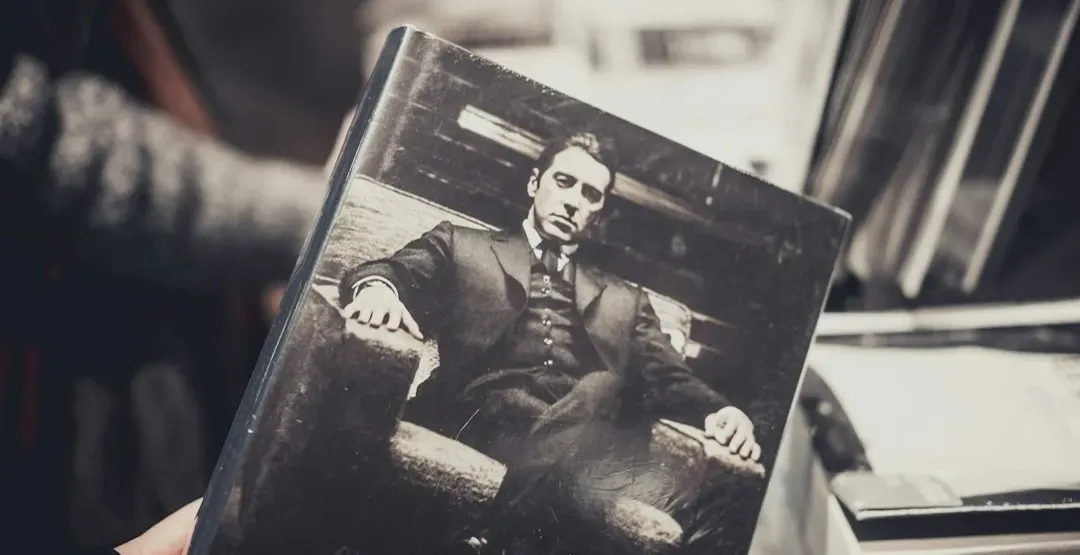
Mario Puzo’s novel was already a bestseller when Francis Ford Coppola turned it into a film, but the movie eclipsed the book so thoroughly that most people today have never read a single page of the original text. Puzo actually co-wrote the screenplay with Coppola, which helped the film retain the novel’s pulpy energy while trimming its more melodramatic subplots. The book leans harder into some side characters, including a lengthy detour involving Lucy Mancini that never made it to screen.
For decades, film schools have taught the movie as a standalone masterpiece, separate from its literary roots. Many viewers are surprised to learn it was based on a novel at all, given how thoroughly the film has become the default cultural reference point. This is one case where watching first is overwhelmingly the norm rather than the exception.
2. Jaws (1975)
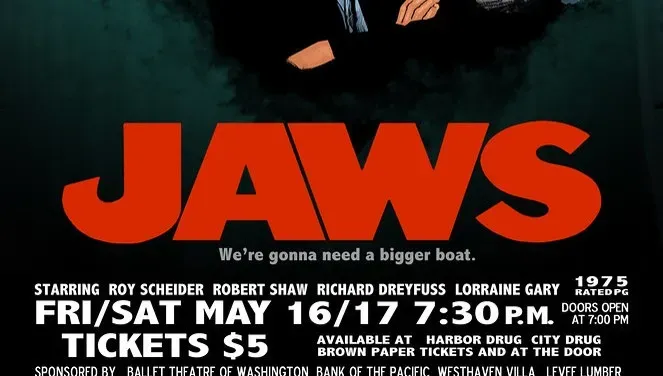
Peter Benchley’s novel came out in 1974, just a year before Steven Spielberg’s film adaptation hit theaters and changed the summer blockbuster forever. The book is notably darker and more cynical than the movie, with an affair subplot involving Ellen Brody and Matt Hooper that Spielberg cut entirely. Benchley himself later expressed regret over how the novel and its shark-hunting themes contributed to real-world fear and hunting of sharks.
Most audiences experienced the film first, largely because Spielberg’s marketing and the film’s cultural impact arrived with such force that the source novel became almost a footnote. Reading the book afterward often surprises people with how much grittier and less heroic the human characters are. The film’s more streamlined, suspense-driven structure is part of why it’s remembered as a genre-defining classic.
3. Fight Club (1999)
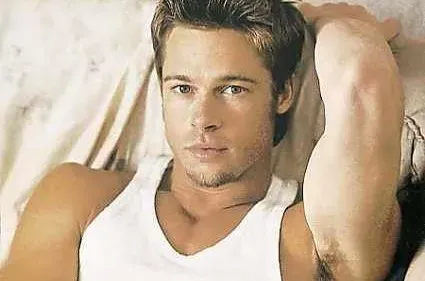
Chuck Palahniuk’s 1996 novel had a modest readership before David Fincher’s film adaptation turned it into a cultural phenomenon, especially among younger audiences discovering it on home video. The film’s ending differs from the book’s, and Palahniuk has said in interviews that he actually prefers the movie’s version. Its stylized visuals and Brad Pitt’s magnetic performance as Tyler Durden gave the story a different texture than the sparse, journal-like prose of the novel.
A huge number of fans came to the book only after quoting the movie’s dialogue for years, treating the film as the primary text and the novel as supplementary material. This reversal is fairly unusual since Palahniuk was already an established literary voice, yet Fincher’s adaptation became the more widely recognized version of the story. It’s a rare case where the author himself has publicly favored the screen version.
4. The Shining (1980)
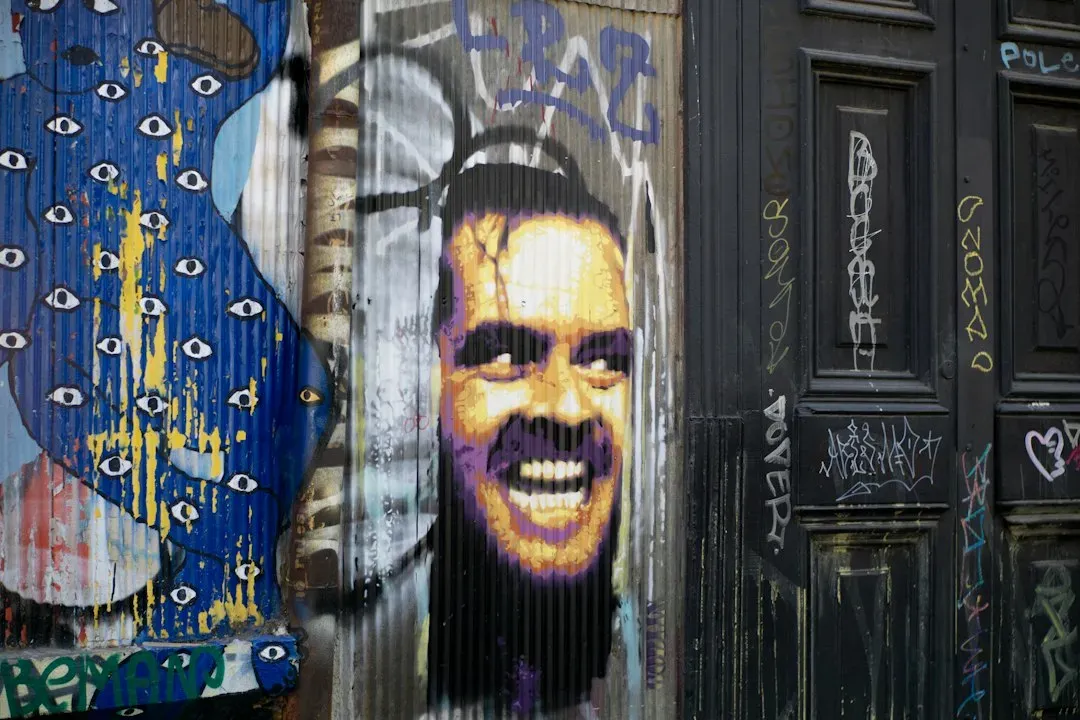
Stephen King’s 1977 novel and Stanley Kubrick’s film adaptation are famously at odds, with King himself criticizing Kubrick’s interpretation for years, particularly the portrayal of Jack Torrance and the ambiguous ending. Kubrick removed much of the novel’s supernatural backstory and instead built dread through atmosphere and Jack Nicholson’s unraveling performance. King was unhappy enough with the result that he later helped produce a more faithful 1997 miniseries adaptation.
Because Kubrick’s film has such a strong visual identity, including the hedge maze and the Overlook Hotel’s geometry-defying hallways, it’s often the version people encounter first, especially through pop culture references. Readers who come to the novel afterward frequently find a warmer, more redemptive story than the icy horror of the film. The gap between the two versions is wide enough that they almost function as separate stories sharing a premise.
5. Forrest Gump (1994)
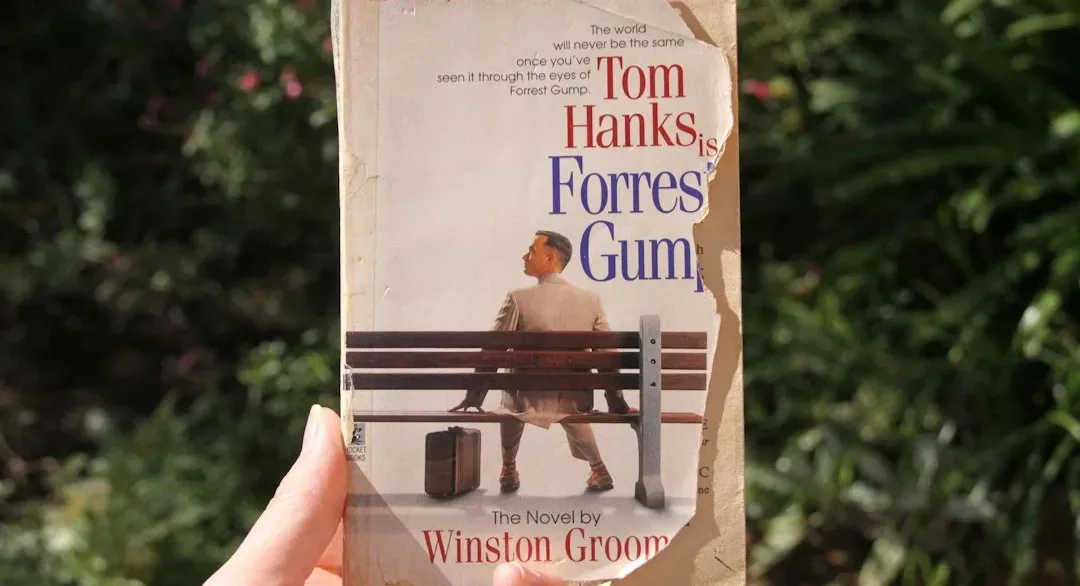
Winston Groom’s 1986 novel is considerably stranger and more satirical than Robert Zemeckis’s film, featuring a Forrest who goes to space and wrestles professionally, among other absurdist detours. The film adaptation, starring Tom Hanks, smoothed out much of that chaos and leaned into sentimentality, historical nostalgia, and technical innovation like its digital effects blending Forrest into archival footage. It went on to win Best Picture at the 1995 Academy Awards.
Given the film’s massive box office success and cultural staying power, most people have only ever known the Zemeckis version, with the novel remaining a curiosity for hardcore fans. Groom reportedly felt somewhat sidelined by how different the tone of the movie became compared to his book. Watching the film first tends to make the novel feel almost like fan fiction by comparison, even though it came first chronologically.
Partner offer
6. The Lord of the Rings trilogy (2001-2003)
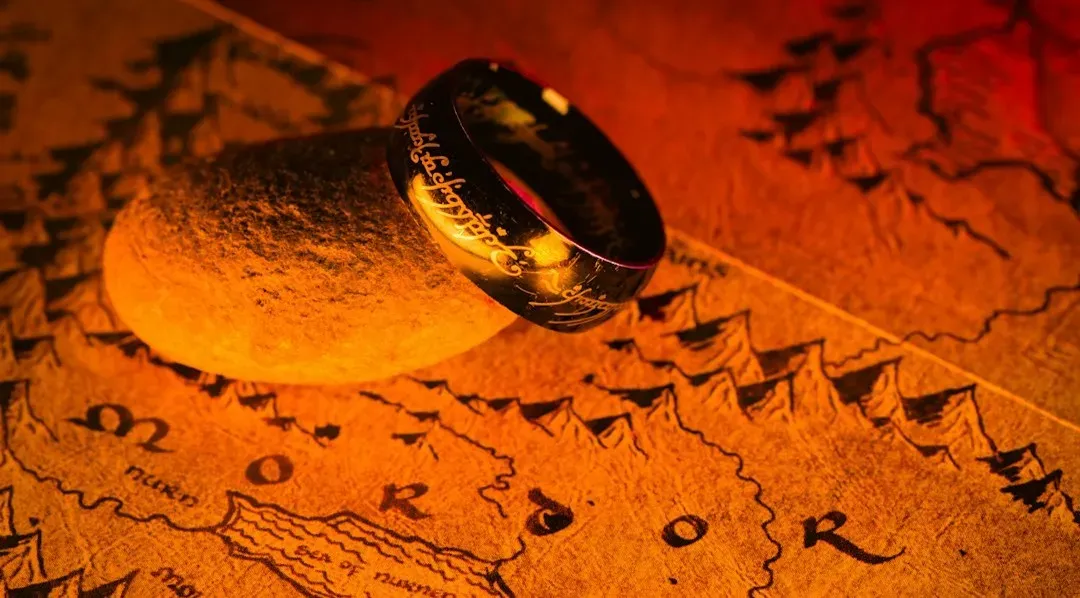
J.R.R. Tolkien’s books had a devoted following for decades before Peter Jackson’s trilogy, but the films introduced Middle-earth to a mainstream audience on a scale the novels never reached on their own. Jackson’s adaptations condensed and restructured significant portions of the text, most notably removing Tom Bombadil entirely and altering the pacing of the journey to Mordor. The trilogy’s technical achievements, from Andy Serkis’s motion-capture Gollum to the sweeping New Zealand landscapes, gave the story a visual scale that print simply couldn’t replicate.
An entire generation of fans came to the films first during the early 2000s and only later attempted the denser prose of Tolkien’s original text, often finding it slower and more digressive than expected. The appendices and linguistic detail that make the books so beloved by dedicated readers rarely translate to screen, which is part of why the films function as their own self-contained experience. For many, the movies remain the entry point into Middle-earth even now.
7. Harry Potter series (2001-2011)
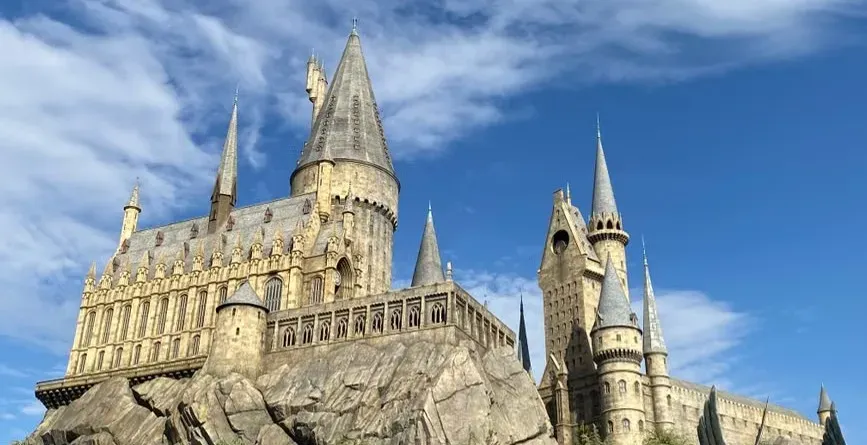
J.K. Rowling’s novels were already publishing phenomena before Warner Bros. began adapting them, but the films reached an even wider global audience, including many viewers who never read a single book. As the series progressed, the movies became increasingly selective about which subplots to include, cutting characters like Peeves the Poltergeist and trimming down the political intricacies of the later books. This selective adaptation became more noticeable as the source novels grew longer and more complex.
Because the films were released across a full decade, many younger viewers grew up watching the movies as their primary experience of the story, sometimes picking up the books afterward to fill in gaps the films skipped. The visual world of Hogwarts, largely built through production design and later reinforced by theme parks, became inseparable from how audiences imagine the books themselves. For a significant portion of fans, the films are simply the definitive version.
8. Gone Girl (2014)

Gillian Flynn wrote both the 2012 novel and the screenplay for David Fincher’s film adaptation, which helped keep the twisty plot mechanics largely intact between formats. The film trimmed some of the novel’s diary-style structure and tightened the pacing, but the central marriage-gone-wrong mystery and its infamous midpoint twist remained faithful to the source. Rosamund Pike’s performance as Amy Dunne earned her an Academy Award nomination and became closely associated with how readers now picture the character.
Because the film arrived just two years after the book’s release and was heavily marketed around its twist ending, plenty of viewers experienced the surprise on screen before ever encountering it in print. Flynn’s direct involvement in the screenplay meant the adaptation avoided many of the tonal shifts seen in other book-to-film transitions. Watching first here doesn’t spoil much extra material, since the film and book largely mirror each other’s structure.
9. The Hunger Games (2012-2015)

Suzanne Collins’s trilogy was a young-adult publishing sensation before Lionsgate’s film series turned Katniss Everdeen into a broader pop culture figure through Jennifer Lawrence’s performance. The films largely preserved the books’ plot beats, though they shifted some scenes from Katniss’s first-person narration into wider, more visually dramatic sequences the novels couldn’t fully capture, particularly the Capitol’s aesthetic and the arena violence. Splitting the final book, Mockingjay, into two films also gave certain political subplots room to breathe that felt rushed on the page.
Many casual moviegoers came to the franchise through trailers and marketing rather than the young-adult book section, especially as the films expanded the story’s audience well beyond its original teen readership. The 2023 prequel film, The Ballad of Songbirds and Snakes, and the 2025 announcement of a new prequel novel and film adaptation, Sunrise on the Reaping, have kept the franchise active for both readers and moviegoers well into the current decade. This ongoing expansion means new fans are still choosing which format to experience first.
10. No Country for Old Men (2007)
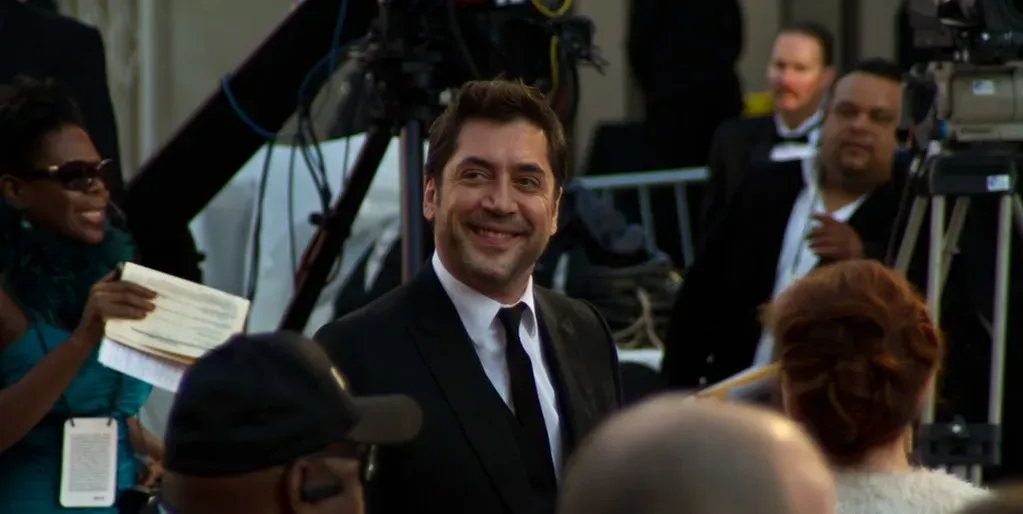
Cormac McCarthy’s 2005 novel is sparse and unflinching, and the Coen brothers’ film adaptation is notable for how closely it follows the book’s dialogue and structure, sometimes lifting passages almost verbatim. The film won Best Picture at the 2008 Academy Awards, with Javier Bardem’s portrayal of Anton Chigurh becoming one of the most memorable screen villains of the era. The Coens’ restraint in adapting McCarthy’s prose, rather than reshaping it for typical genre conventions, is part of why critics consider this one of the more faithful literary adaptations in modern cinema.
Because the film was so critically acclaimed and widely discussed during awards season, many viewers encountered Chigurh and the story’s bleak violence on screen first, only later discovering how closely the dialogue matches McCarthy’s original text. Readers who come to the novel afterward often note how little was changed, aside from trimming some of McCarthy’s interior narration. This adaptation stands out as one where watching first doesn’t create much distance from the source material at all.
Ten stories, ten different relationships between page and screen, and no single right way to have experienced any of them. Some adaptations reward reading first, letting the imagination build the world before a director’s version locks it in place. Others, like several on this list, arrived with such cultural force that the film became the default version regardless of which came first chronologically.Partner offer
Planning a trip to Vegas?
Compare hotel rates and show tickets on VEGAS.com.