Cult films earn their status differently than blockbusters do. They don’t need opening weekend numbers or awards buzz. Instead they build a following slowly, often through midnight screenings, word of mouth, or a strange resurgence years after their initial release. The nine films below represent a mix of eras and genres, but each one demands a specific kind of viewer, someone willing to sit with discomfort, absurdity, or ambiguity rather than a tidy resolution.
Eraserhead (1977)
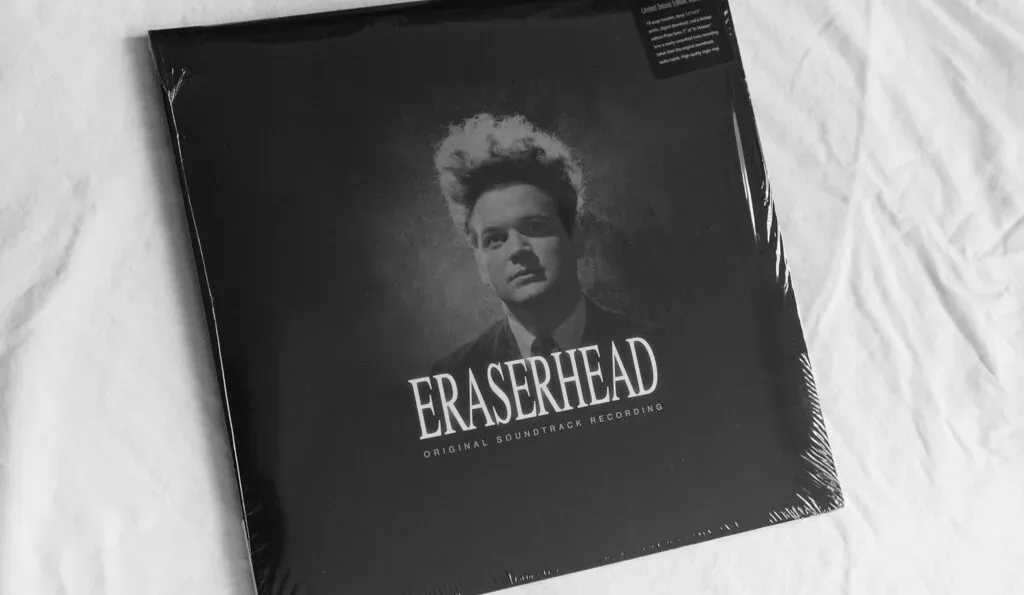
David Lynch’s feature debut took nearly five years to complete, shot mostly at night using facilities at the American Film Institute. The black and white nightmare about a man raising a mutated infant became a fixture of midnight movie circuits in the late 1970s, playing alongside films like Pink Flamingos and The Rocky Horror Picture Show. Its sound design, built almost entirely from industrial noise and static, still influences horror and experimental filmmakers today.
Lynch financed part of the production himself and relied on donations from friends, including actress Sissy Spacek, to finish it. The film’s slow theatrical rollout through 1977 and 1978 helped cement the midnight movie phenomenon in American cities. Watching it today still feels disorienting, which is exactly the point.
El Topo (1970)

Alejandro Jodorowsky’s acid western blends violence, religious symbolism, and surrealism into something that resists easy categorization. It became one of the founding texts of midnight cinema in New York after John Lennon reportedly championed it, helping secure its distribution through Allen Klein’s company. The film’s mix of Peckinpah-style shootouts and Buddhist and Christian iconography confused mainstream critics on release but found a devoted following willing to decode its symbolism.
Jodorowsky has said the film was meant to function almost like a spiritual exercise rather than a conventional narrative. That ambition shows in its structure, which splits into two distinct halves separated by years within the story itself. Even decades later, film scholars still debate what specific meaning, if any, the director intended for its more baffling sequences.
The Rocky Horror Picture Show (1975)

Few films have a legacy as tied to audience participation as this one. Shadow casts, prop throwing, and call and response dialogue turned failing theatrical runs into a decades long tradition that continues at theaters worldwide, including regular screenings still held today. The film itself, based on Richard O’Brien’s stage musical, mixes campy horror tropes with glam rock and open sexuality that felt genuinely transgressive for mainstream American theaters in 1975.
Tim Curry’s performance as Frank N. Furter became so iconic that it overshadowed much of his later career, for better or worse. The film struggled at the box office initially before distributor Lou Adler experimented with midnight slots, a move that essentially saved it from obscurity. Its persistence as a live participatory event, rather than just something people watch, is part of what separates true cult status from simple nostalgia.
Pink Flamingos (1972)

John Waters made this film in Baltimore for a reported budget under twenty thousand dollars, using a cast largely made up of friends and local performers, most notably Divine. The film’s deliberate vulgarity, including its notorious final scene, was designed as a direct provocation against mainstream taste and Hollywood polish. It quickly became a staple of midnight screenings and helped define what would later be called the “trash cinema” movement.
Waters has spoken often about how the film’s shock value was intentional rather than accidental, meant to challenge audiences rather than simply gross them out. Divine’s performance turned the drag performer into an underground celebrity whose influence still surfaces in contemporary queer cinema and camp aesthetics. The film’s low budget origins also became part of its mythology, proof that outrageous ideas didn’t need studio money to find an audience.
Repo Man (1984)

Alex Cox’s punk infused sci-fi comedy about a disaffected young man who falls into the world of car repossession barely registered at the box office during its original run. Its soundtrack, featuring bands like Black Flag and Iggy Pop, became almost as influential as the film itself within punk subculture. Universal Pictures reportedly struggled to market it, unsure whether to sell it as comedy, science fiction, or something else entirely.
The film’s blend of deadpan humor and genuine anti-authoritarian attitude found a second life on home video and cable television throughout the late 1980s. Harry Dean Stanton’s performance as a world weary repo man gave the film an unexpected emotional anchor amid its chaos. It remains a touchstone for viewers interested in the intersection of punk culture and genre filmmaking.
Partner offer
The Room (2003)

Tommy Wiseau’s melodrama has become arguably the most famous “bad movie” of all time, celebrated specifically for its baffling dialogue, inconsistent plotting, and bizarre tonal shifts. Midnight screenings modeled after Rocky Horror grew organically in Los Angeles before spreading nationally, complete with audience rituals like throwing plastic spoons during a framed photo that inexplicably includes one. The 2017 film The Disaster Artist, based on a memoir by co-star Greg Sestero, brought Wiseau’s story to a much wider audience and reframed the film’s legacy for a new generation.
Wiseau reportedly spent millions of his own money financing the project, and the exact source of those funds remains a subject of ongoing speculation and mystery. Critics have noted that the film’s sincerity, rather than any attempt at irony, is precisely what makes it compelling to watch collectively. Its status has only grown since 2003, proving that cult appeal doesn’t require technical competence, just genuine commitment to a vision.
Donnie Darko (2001)
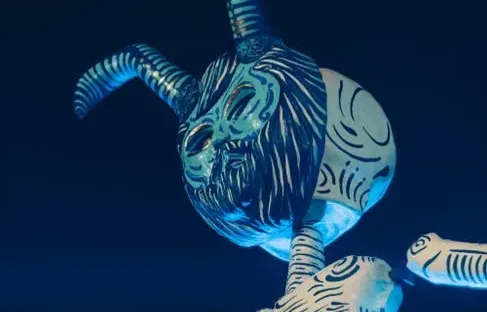
Richard Kelly’s time travel drama initially struggled commercially, releasing just weeks after the September 11 attacks, which made its plot involving a plane engine falling from the sky a difficult sell to distributors and audiences alike. It found new life through DVD sales and college dorm room screenings throughout the early 2000s. Jake Gyllenhaal’s performance as a troubled teenager navigating visions of a doomsday and a menacing rabbit figure named Frank helped the film build a passionate online fanbase.
Kelly released a director’s cut in 2004 that expanded on the film’s mythology, though it divided fans who preferred the ambiguity of the original theatrical version. The film’s mix of adolescent alienation and philosophical time travel puzzles gave it staying power well beyond typical teen drama fare. Its soundtrack, filled with 1980s new wave tracks, also became a defining part of its identity among fans who rewatched it obsessively.
Office Space (1999)

Mike Judge’s workplace satire flopped in theaters, earning back barely half its modest budget during its initial run. Its afterlife on cable television and home video, however, turned it into a defining text for anyone who has ever hated their cubicle job. Phrases and scenes from the film, including its infamous printer destruction sequence, entered everyday office culture in a way few comedies manage.
The film’s satire of corporate meaningless work and middle management absurdity has aged remarkably well, arguably becoming more relevant as remote work and gig economy frustrations have grown in recent years. Judge, who also created Beavis and Butt-Head and King of the Hill, brought a similarly dry, observational tone to office culture that audiences immediately recognized as authentic. Its steady rediscovery by younger viewers on streaming platforms throughout the 2020s suggests the frustrations it satirizes remain very much alive.
Fight Club (1999)
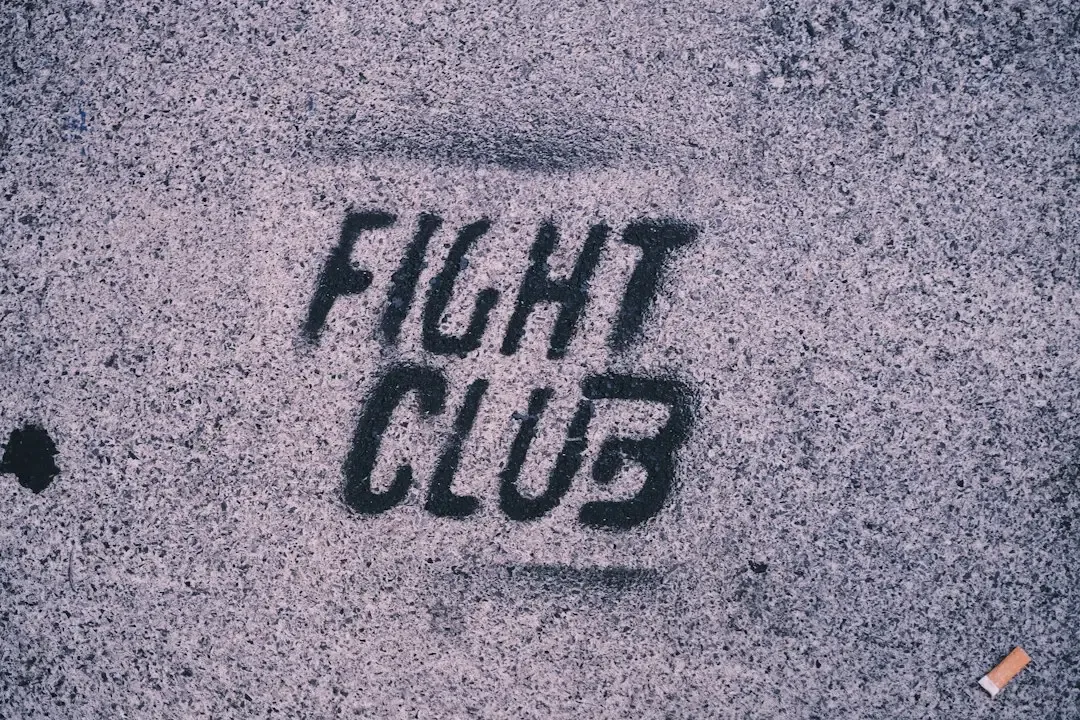
David Fincher’s adaptation of Chuck Palahniuk’s novel divided critics on release, with some dismissing it as nihilistic or irresponsible given its violent content and themes. Its home video performance told a different story, turning it into one of the most discussed films of its era among a younger demographic drawn to its critique of consumerism and masculinity. Edward Norton and Brad Pitt’s performances, along with the film’s twist ending, became endlessly referenced across internet culture in the years that followed.
Fincher has discussed in interviews how the film’s marketing struggled to capture its satirical intent, leading some audiences to misread its message entirely. That tension, between the film’s actual critique and its adoption by some as an endorsement of the very behavior it satirizes, has fueled ongoing debate about its legacy. Decades later, it remains a frequent subject of reassessment, with critics and audiences continuing to argue over what exactly the film was trying to say.
Partner offer
Planning a trip to Vegas?
Compare hotel rates and show tickets on VEGAS.com.