


There are places that disappear from the map but never really leave the city. The Stardust Resort and Casino is exactly that kind of ghost. Nearly two decades after it was imploded in the early hours of a March morning, locals in Las Vegas still feel its absence in a way that’s hard to explain to outsiders. It wasn’t the fanciest casino on the Strip. It wasn’t the newest. But something about it hit different, as people say now. Let’s dive in.
1. It Was Born on a Scale the World Had Never Seen

The Stardust opened on July 2, 1958, as the world’s largest hotel. Think about that for a second. Not the largest in Las Vegas. The largest anywhere on the planet. The original sign, built by the Young Electric Sign Company, stood as the largest cantilever in the world at opening, with nighttime visibility reported three miles away. The hotel contained over one thousand guest rooms, regarded as a world record, and possessed the largest swimming pool and casino in Nevada.
The Stardust Resort and Casino was a casino resort located on 60 acres along the Las Vegas Strip in Winchester, Nevada. Sixty acres. That is not a building, that is a small town. The Café Continental Stage, considered the most technically advanced stage in Las Vegas at the time, possessed the latest lighting and sound equipment along with hydraulic lifts to raise performers ten feet above and thirty feet below the stage.
Honestly, modern megaresorts get a lot of credit for scale, but the Stardust was doing it first and doing it with genuine style. Opened in 1958, this establishment was more than just a hotel; it was a symbol of the Space Age, a time when dreams seemed limitless, much like the desert sky above. That feeling of limitlessness is something the slick glass towers of today simply don’t replicate.
2. It Was Las Vegas’s First Real Casino for Everybody

It is credited with being Las Vegas’ first mass-market casino, thanks to cheap rates and loss-leading food and drinks. This was a radical idea at the time. While other Strip properties chased high rollers and Hollywood royalty, the Stardust opened its arms to regular people. Tony Stralla’s dream for The Stardust was clear: it would be a casino unlike any other, offering an inviting experience to the average visitor. His unique business model was revolutionary for the time, charging just $5 a day for rooms and gifting each guest $5 in chips.
While it lacked the sophistication of The Sands or the opulence of The Desert Inn, The Stardust found its charm in accessibility and the sense of belonging it offered to the everyman. That sense of belonging is not something you can bottle up and sell in a rebrand. The Stardust primarily catered to a middle class clientele for much of its history, and at the time of its closing, it was one of the few remaining Strip resorts to still offer affordable amenities; newer resorts were becoming increasingly upscale.
It’s hard not to feel a little resentful about what replaced it. The new Strip is spectacular, no question. But it often feels built for people with an unlimited expense account. The Stardust was built for your dad, your uncle, and the retired couple from Omaha who saved up all year just to come.
3. The Sign Was a Piece of Living Art

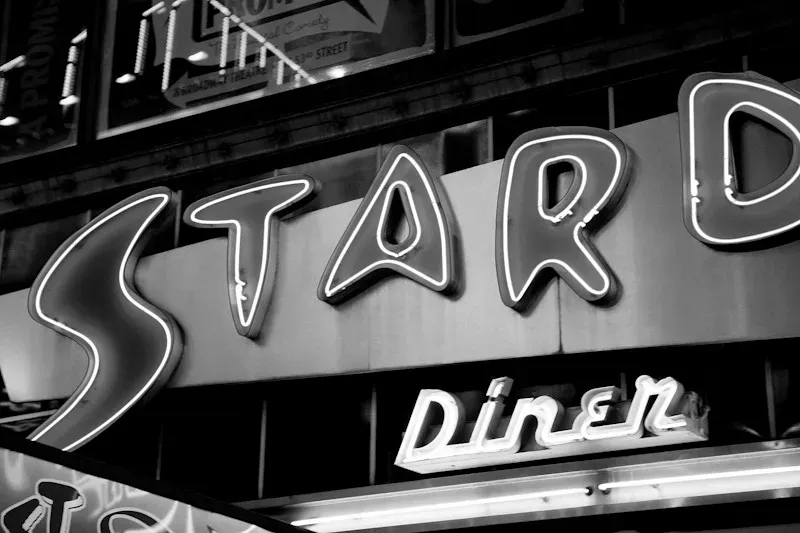
Designed by Paul Miller from Ad Art, the mega-pylon signage became an emblematic feature on The Strip after its installation in 1968. Towering at an impressive height of 188 feet and stretching across 90 feet wide, it showcased a vibrant plume of pastel stars that danced against the Nevada sun. No photo really does it justice. You had to see it at night, when those stars seemed to cascade down from an infinite height.
The Stardust neon sign was once called the “Queen of the Strip,” according to Johann Rucker, the research and content delivery manager for the Neon Museum, since its massive 188 feet tall and 90 feet wide original frame with its letters were surrounded by bright stars. That title was earned. It was the visual anchor of the north Strip for decades. The original, now preserved in the Boneyard, exploded across the skyline in a cosmic burst of stars and futuristic lettering. It echoed America’s obsession with the Space Race and promised a taste of the extraordinary.
The 1958 Stardust façade sign was 216 feet long and 37 feet high, wrapping around two sides of the building, and was lit with 7,100 feet of neon tubing and 11,000 incandescent bulbs. It weighed 129 short tons, contained 32,000 feet of wiring, and drew 3,000 amps. That is not a sign. That is an engineering achievement. You simply cannot build something with that kind of soul on purpose.
4. It Invented the Modern Sports Book

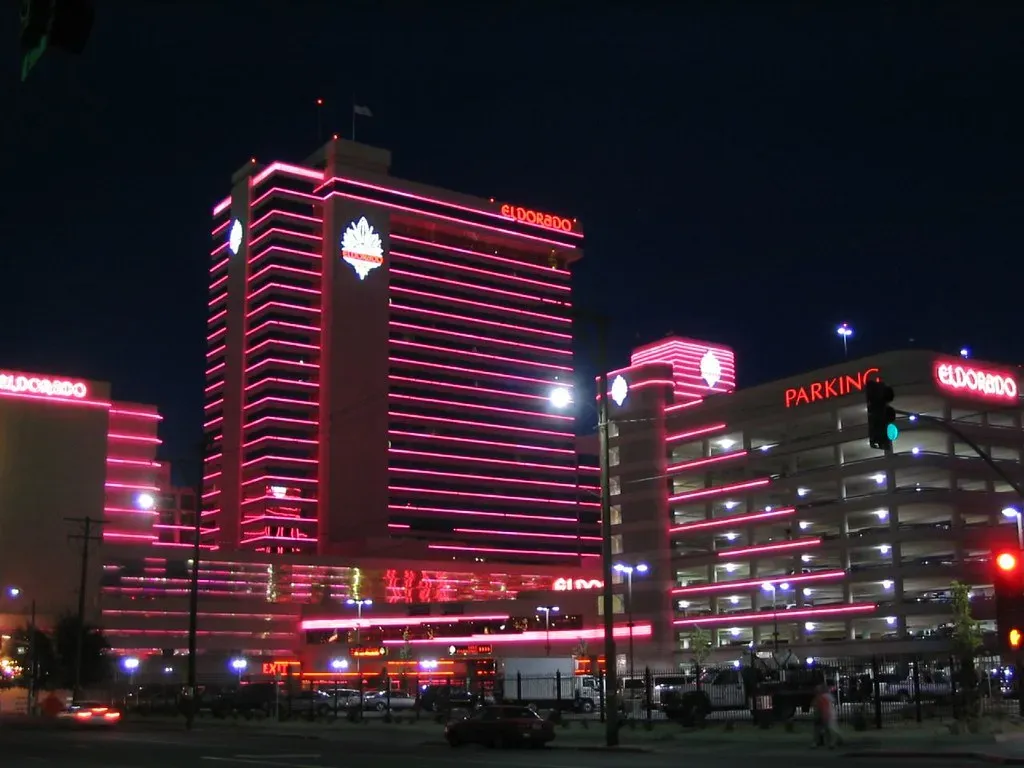
Here’s the thing most people don’t know when they walk into a sleek sportsbook today with massive video screens and digital betting kiosks. The whole concept traces directly back to the Stardust. Frank “Lefty” Rosenthal created the first sports book that operated from within a casino, making the Stardust one of the world’s leading centers for sports gambling.
Today every major casino in Las Vegas has sports book salons modeled after the one Rosenthal put in at the old Stardust. Every single one. That is a legacy so foundational it rarely gets mentioned out loud. Rosenthal, who was once called “the greatest living expert on sports gambling” by Sports Illustrated, is credited with bringing increased exposure to sports betting to Las Vegas in the 1970s.
Rosenthal introduced the first sportsbook at the Stardust Casino in 1976. His innovative betting systems and odds-making expertise attracted high-rollers and casual bettors alike. His operation became a model for other casinos. If you have ever placed a bet on a football game inside a casino, there’s a straight line connecting that moment back to the Stardust. It’s a debt the industry rarely acknowledges.
5. Hollywood Immortalized It for All the Wrong Reasons

The Stardust had mob connections. That is well documented and not exactly a secret. The fictional Tangiers resort in Martin Scorsese’s 1995 film Casino reflected the story of the Stardust Resort and Casino, which had been bought by Argent Corporation in 1974 using loans from the Teamsters Central States Pension Fund. Argent was owned by Allen Glick, but the casino was believed to be controlled by various organized crime families from the Midwest.
Over the next six years, Argent Corporation siphoned off between $7 and $15 million using rigged scales. This skimming operation, when uncovered by the FBI, was the largest ever exposed. Scorsese turned this dark chapter into one of the great American crime films. The primary character Ace is inspired by Frank Rosenthal, also known as “Lefty”, who ran the Stardust, Fremont, Marina, and Hacienda casinos in Las Vegas for the Chicago Outfit from 1968 until 1981.
I know it sounds strange, but the infamy actually deepened people’s attachment to the place. In 1983, a federal grand jury indicted fifteen people in a conspiracy to skim at least 1.6 million dollars from the Stardust. This resulted in several convictions and the Gaming Control Board banning Rosenthal from all Nevada casinos for life. It was the kind of operatic drama you can’t manufacture. No corporate resort today comes anywhere close to that level of raw, complicated history.
6. The Entertainment Was Genuinely Groundbreaking

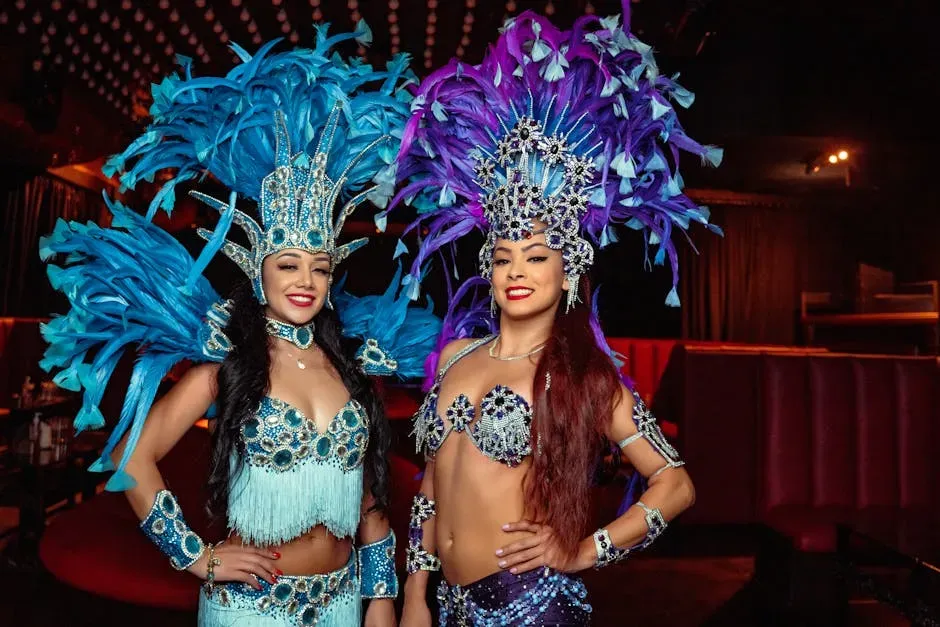
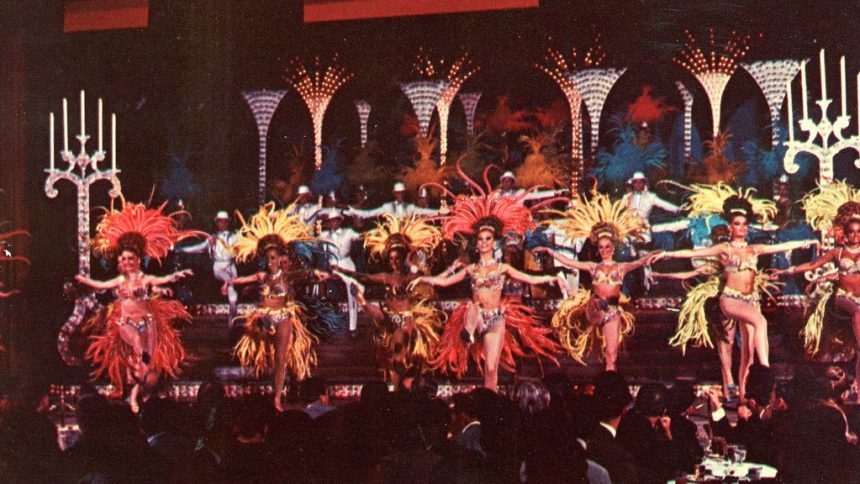
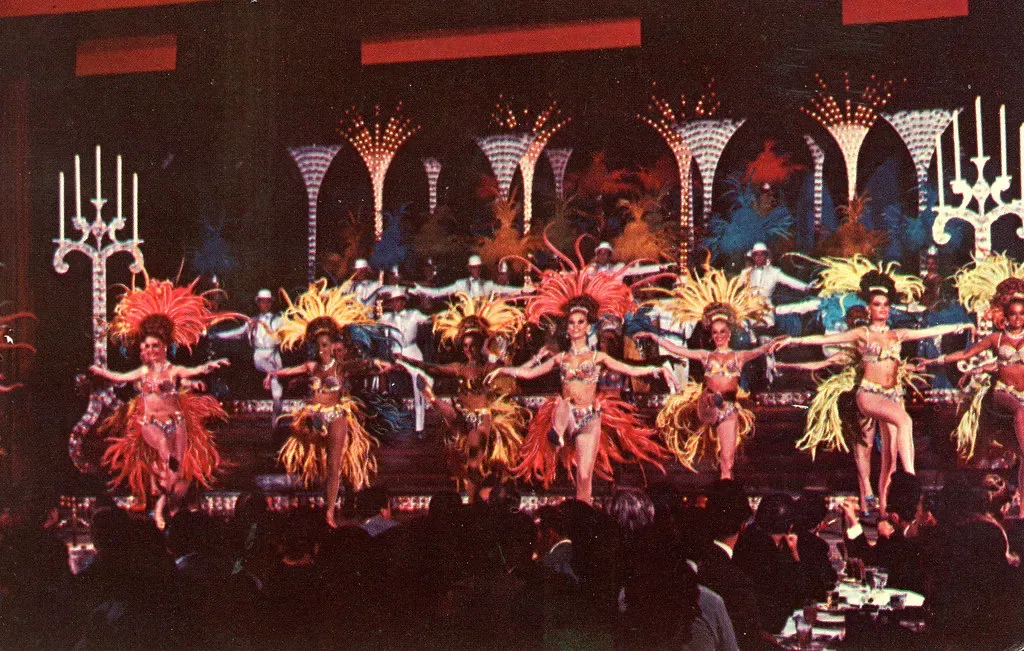
The Stardust imported the cabaret and burlesque show, Lido de Paris, staged by Donn Arden from France. The troupe arrived in Las Vegas on June 20, 1958, and performed at the grand opening of the Café Continental on July 4, 1958. This was a defining cultural moment. Las Vegas had never seen anything quite like it. According to KTNV Channel 13, the “Lido De Paris” show was the first topless French-inspired revue in Las Vegas, which caused a good amount of attention to the casino.
The Stardust hosted numerous entertainers and shows throughout its history. At its opening, it debuted Lido de Paris, which featured topless showgirls. The show continued playing until 1991, when it was replaced by a modernized show known as Enter the Night. Thirty-three years. One show ran for thirty-three years. That kind of consistency is almost unfathomable in today’s entertainment landscape. Wayne Newton was the resort’s resident headliner from 2000 to 2005. Other entertainers who performed at the Stardust include Don Rickles, Tim Conway, Harvey Korman, Siegfried and Roy, and Steve and Eydie.
7. The Implosion Drew Thousands and Shook the City

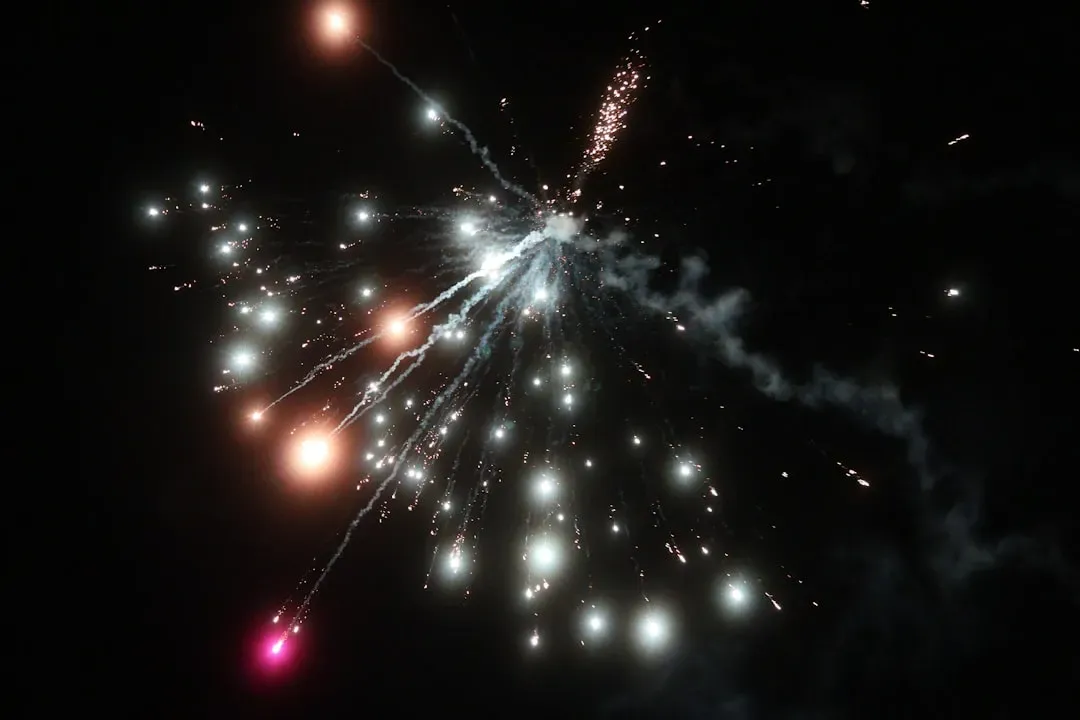
Smaller buildings were demolished in early 2007, and the two towers were imploded at 2:34 a.m. on March 13, 2007, after a four-minute fireworks show. Thousands of spectators watched the implosion from nearby areas. People came out in the middle of the night to say goodbye. That tells you everything about what this place meant. The towers contained more than 500,000 tons of concrete and steel, and it took more than 20 minutes for the resulting dust to disappear.
The blast that imploded the Stardust Hotel and Casino on March 13, 2007, generated a massive dust cloud that chased revelers into cars, buses and nearby Las Vegas casinos. There is something poetic about that image. The dust of history rolling down the Strip in the dark. Its closure in 2006 marked the end of an era, and the demolition of the Stardust in 2007 was a poignant moment for fans of classic Las Vegas.
It took 428 pounds of explosives to fell the two buildings. Twenty water cannons sprayed the dust cloud, which blanketed the area in gray ash, and the main drag of the 24-hour gambling haven was temporarily shut down. They actually had to shut down the Las Vegas Strip. That happened. And then, for the first time in decades, that stretch of road was just a dark, quiet street.
8. What Replaced It Never Filled the Void
Boyd Gaming announced in January 2006 that it would close and demolish the aging Stardust to build a new project, Echelon Place, on the site. The plan sounded ambitious. It didn’t go as intended. Construction on the Echelon project was halted in 2008 because of financial problems caused by the Great Recession. Genting Group bought the Echelon project in 2013 and announced plans to finish it as Resorts World Las Vegas. It opened in 2021, after several delays.
So between 2007 and 2021, there was an empty lot where the Stardust once stood. A fourteen-year gap. Resorts World is a fine property by modern standards. But it is not the Stardust. Today’s visitors may find themselves wandering through Resorts World Las Vegas, an ambitious venture born out of those original plans, which incorporates some remnants from Echelon’s incomplete structures yet stands distinctly modern compared to its predecessor’s charm.
Resorts World pays homage to its predecessor with a special Stardust sculpture. A sculpture. That is what a half-century of history gets reduced to. It’s a generous gesture but let’s be real, it’s a bit like replacing someone’s home with a condo and putting a framed photo of the old house in the lobby.
9. The Sign Lives On at the Neon Museum

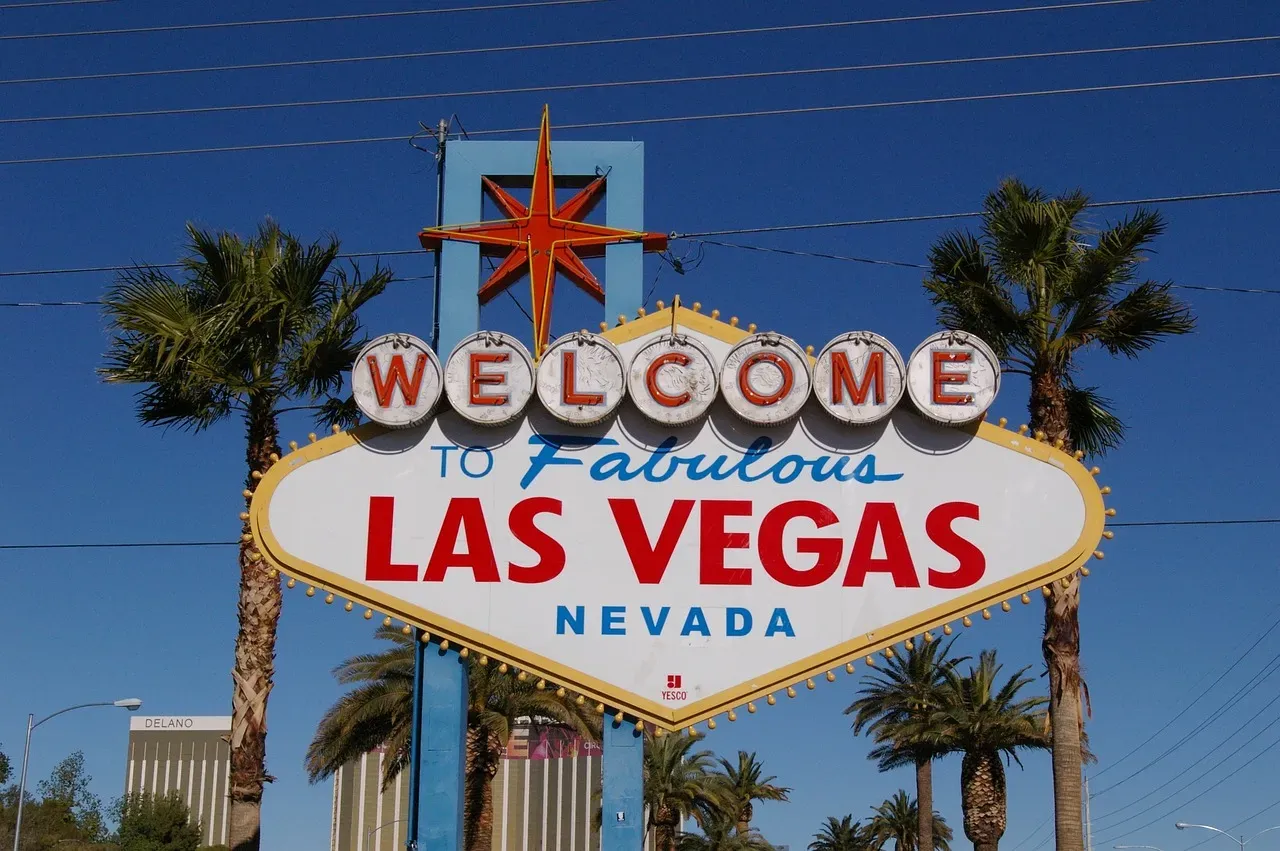
The Stardust roadside sign was dismantled in February 2007 and was given to the Neon Museum. A 56-foot-wide sign, for the property’s Lido de Paris show, was also acquired by the museum and added to its tour in 2023. At least Las Vegas had the wisdom to preserve something. Now just the letters, which are roughly 17 feet tall, still get lit up at the Neon Museum, at 770 Las Vegas Blvd.
As recently as June 2024, the affection for the Stardust sign was still generating news. A craftsman traveled to Las Vegas to donate his tribute and replication of the sign, once called the “Queen of the Strip,” which stood 188 feet tall and 90 feet wide, to the museum’s education collection. A private citizen drove to Vegas just to give the museum a handmade replica of a sign that stopped existing nearly two decades ago. That kind of devotion doesn’t happen for resorts people have simply forgotten.
The original lettering was given to the city’s Neon Museum and was eventually refurbished in 2020. It’s hard to say for sure, but I think the fact that the city keeps tending to these remnants says something real about collective grief. This isn’t just nostalgia. It’s mourning.
10. The Brand Refused to Die, and That’s Telling

Due to the brand’s lasting popularity, Boyd launched its Stardust Social Casino online game in 2020. The following year, Boyd partnered with FanDuel to launch Stardust-branded online casinos in Pennsylvania and New Jersey. Think about that. A casino that was demolished in 2007 still had enough brand recognition to anchor a major online gaming partnership fourteen years later. That is not a dead legacy. That is a living one.
You can literally touch history by playing slot machines from the Stardust at the Orleans casino. Orleans is owned by the aforementioned Boyd Gaming. The old machines are still spinning somewhere. Boyd clearly understands that the name carries weight most modern casino brands would pay anything to have. The Los Angeles Times wrote that the resort went from being “the world’s largest hotel to one of the smallest on the Strip, from glamour to infamy to middle-class normalcy.”
That trajectory, from record-breaking giant to beloved neighborhood institution, is exactly why people mourn it. The Stardust was never too good for you. It grew old alongside the city’s own working-class soul. And when it came down, something irreplaceable came down with it. The neon sign is in a museum. The slots are in a local casino. The sports book template is everywhere. But the Stardust itself? It exists only in photographs, in memory, and in the kind of conversation that starts with “you should have seen it when…”
What does it say about a city that keeps finding new ways to keep a demolished building alive? What do you think, was tearing it down the right call, or did Las Vegas lose more than it gained? Tell us in the comments.


