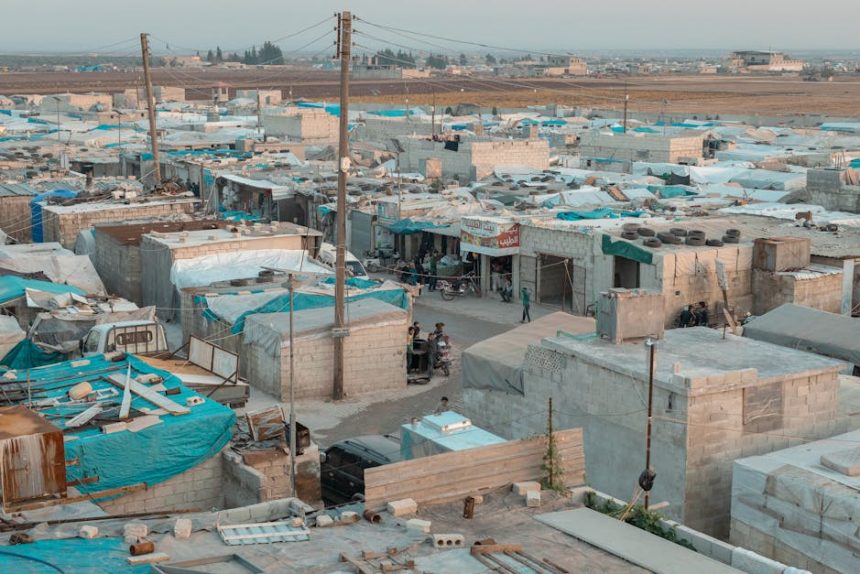
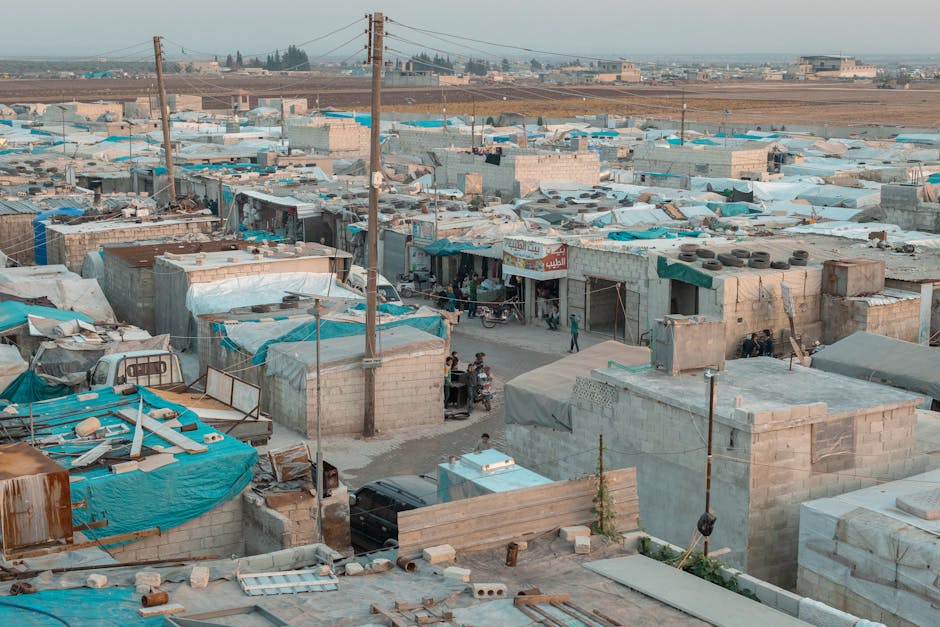

A Shortage Deepens Nationwide (Image Credits: Pexels)
Las Vegas – Skyrocketing home prices and a stubborn supply shortage have turned the national housing debate into a heated contest of finger-pointing.
A Shortage Deepens Nationwide
The United States entered 2026 grappling with a housing supply gap that exceeded 4 million homes by the end of 2025.[1][2] New construction failed to keep pace with household growth, leaving millions priced out of the market. Experts highlighted persistent barriers that slowed building efforts across the country.
This deficit stemmed from years of underbuilding, exacerbated by economic pressures and local policies. Demand surged in popular areas, yet supply lagged far behind. Families faced tough choices as affordability eroded.
Politicians Trade Accusations
Democrats often pointed to institutional investors snapping up single-family homes, arguing they fueled price hikes. Republicans countered by blaming excessive government regulations and restrictive zoning laws for choking new development. Each side sought villains to rally voters amid widespread frustration.[3]
In Nevada, similar rhetoric emerged. Lawmakers debated investor curbs while others decried “not in my backyard” opposition that blocked projects. The result remained the same: stalled progress and rising costs. This blame game distracted from shared challenges like inflation and high interest rates.
Las Vegas Bears the Brunt
Home sales in the Las Vegas Valley plunged to their lowest levels since 2007 last year, even as listings climbed.[3] Median prices hovered near records despite mortgage rates lingering around 6 percent. Institutional buyers acquired over 99,000 homes in southern Nevada since the Great Recession, per local reports.
Partner offer

High construction costs, stringent regulations, and community pushback compounded the issue. Builders cited permitting delays and compliance burdens as major hurdles. The market shifted toward buyers early this year, with homes lingering longer on the market, yet affordability stayed elusive.[4]
Regulations as Roadblock, Not Remedy
America cannot regulate its way out of a housing shortage, as restrictive rules often hinder the very supply needed to stabilize prices. Zoning limits, environmental reviews, and building codes added significant costs, making projects unviable in many areas. Deregulation advocates argued that easing these constraints would spur construction without sacrificing safety.
- Permitting processes delayed timelines by months or years.
- Height restrictions and density caps prevented efficient land use.
- Impact fees inflated upfront expenses for developers.
- NIMBY activism amplified local opposition to growth.
- Energy mandates raised material and labor demands.
Congress responded with bipartisan efforts in 2026, including bills to streamline zoning and permitting nationwide. Proposals aimed to incentivize communities to build more while curbing large investor dominance in single-family markets.[5][6] These steps signaled a shift toward supply-focused reforms.
Charting a Balanced Path Ahead
Addressing the crisis demands boosting supply through targeted deregulation, not endless new mandates. Policymakers must prioritize builder incentives and infrastructure support to close the gap. Local leaders in places like Las Vegas played a crucial role by reforming outdated rules.
Early 2026 forecasts suggested modest relief if rates eased further, but sustained building remained essential. The focus shifted from vilifying stakeholders to enabling solutions.
Key Takeaways
- U.S. faces over 4 million home shortage; Las Vegas sales hit 2007 lows.
- Blame on investors and regs distracts from underbuilding root causes.
- Deregulation and zoning reform offer real supply boosts via Congress.
True progress lies in constructing more homes efficiently. What steps should your community take next? Share your thoughts in the comments.
Partner offer
Planning a trip to Vegas?
Compare hotel rates and show tickets on VEGAS.com.