



Something quiet and slow is happening across the United States, and honestly, it’s one of the most fascinating cultural shifts in recent memory. Millennials, the generation that once flooded into cities and chased urban dreams, are now turning their backs on skyscraper skylines and looking toward something entirely different: small towns. Farmers markets. Front porches. A Saturday morning without a 45-minute commute.
But this isn’t nostalgia. It’s not some romantic escape from reality. It’s a calculated, data-backed move – and it’s reshaping what “luxury” means for an entire generation. The story behind it goes far deeper than anyone expected. Let’s dive in.
The Great Reversal: Census Data Tells the Story


The University of Virginia’s Weldon Cooper Center for Public Service recently published an analysis of 2024 census data, detailing a notable exodus of younger people from big cities to more rural areas in recent years. The numbers are genuinely striking. Between 2020 and spring 2024, two-thirds of population growth for those aged 25 to 44 occurred in areas with fewer than 1 million residents or rural counties.
Perhaps the most striking finding from the 2023 age estimates is that since 2020, small towns and rural areas have been attracting younger adults at the highest rate in nearly a century. Despite major corporations issuing return-to-office mandates, migration to small-town America among younger demographics actually increased in 2023, upending the previous decade’s stats.
These aren’t retirees heading for the countryside. These are professionals and parents relocating to benefit their families, jobs, finances, and their own mental and physical health. That difference matters. A lot.
The Affordability Crisis That Changed Everything


Here’s the thing: cities got expensive. Not just “a little pricier” expensive. Genuinely, painfully, dream-crushingly unaffordable. The median price of a home in Los Angeles County is just under $960,000, which is 14 times the median annual household income of $82,455 in that county, according to the most recent U.S. Census data.
The Millennial homeownership rate is roughly half in non-metropolitan parts of the country compared to just over a third in the nation’s largest urban markets, which tells you everything about where the math actually works. In today’s housing market, home affordability is a major driver of relocations, and it often leads Americans to smaller cities.
Home prices have surged by more than half since 2020, and elevated interest rates are further compounding the costs of owning a home. For millennials watching their homeownership dreams evaporate in real time, small towns started looking less like a consolation prize and more like a smart strategy.
Remote Work Unlocked the Map

Think of remote work as the master key that finally opened the door. Remote work and a renewed emphasis on work-life balance have opened up possibilities and allowed relocating Americans to prioritize lifestyle and affordability over proximity to traditional metropolitan employment hubs.
The pandemic enabled remote work like never before. Companies realized jobs can be done remotely, and many employees don’t want offices anymore. Combine this with broadband expanding to rural areas and small towns, aided by government-funded incentives, and people can now live in the country while working for city companies from home offices.
It’s a simple but profound equation: keep the city salary, ditch the city cost of living. The willingness to move for affordability is fueled by the growing acceptance of remote and hybrid work, with geographic flexibility becoming the norm rather than the exception.
Rural Dreams Are Actually Mainstream

Contrary to what many assume, the desire for small-town living isn’t a niche preference. It turns out it’s quite mainstream. Data from a poll of over 1,400 people reveal that cities are generally out of favor for the bulk of Americans. A plurality – nearly two-fifths – would move to a small town or rural area if they could pick anywhere to live in the country, while roughly a quarter would want to live in a city.
For years, rural areas and small towns consistently lost some of their most talented young people, who moved to urban centers. Recent census data indicates, however, that this “brain drain” phenomenon is subsiding as both millennials and more Americans of all ages are increasingly choosing to live in suburbs and smaller cities.
A researcher at the University of Minnesota who has been documenting rural population trends for more than 25 years says young adults are increasingly coming to these areas for the cheaper cost of living and new opportunities. That’s not a fringe movement. That’s a shift in values.
The New Definition of Luxury


Let’s be real: luxury used to mean rooftop bars and Michelin stars within walking distance of your apartment. For millennials rethinking their lives in 2025 and 2026, that definition has completely changed. High-net-worth individuals are increasingly seeking more meaningful and personalized travel experiences, with a growing inclination toward exclusive destinations and curated itineraries that prioritize privacy, comfort, and authenticity.
Over nine in ten high-net-worth travelers now prefer heritage-rich, culturally rooted itineraries instead of standardized luxury stays. This reflects a broader desire for meaningful engagement with local communities, artisanal workshops, and unique destinations.
Space, silence, nature, community – these are the new status symbols. A farmhouse with a wraparound porch says something in 2026 that a downtown loft simply cannot. Luxury hospitality is at an inflection point. What once revolved around material comfort is now defined by conscience, culture, and connection.
Boutique Hotels Are Fueling the Small-Town Renaissance
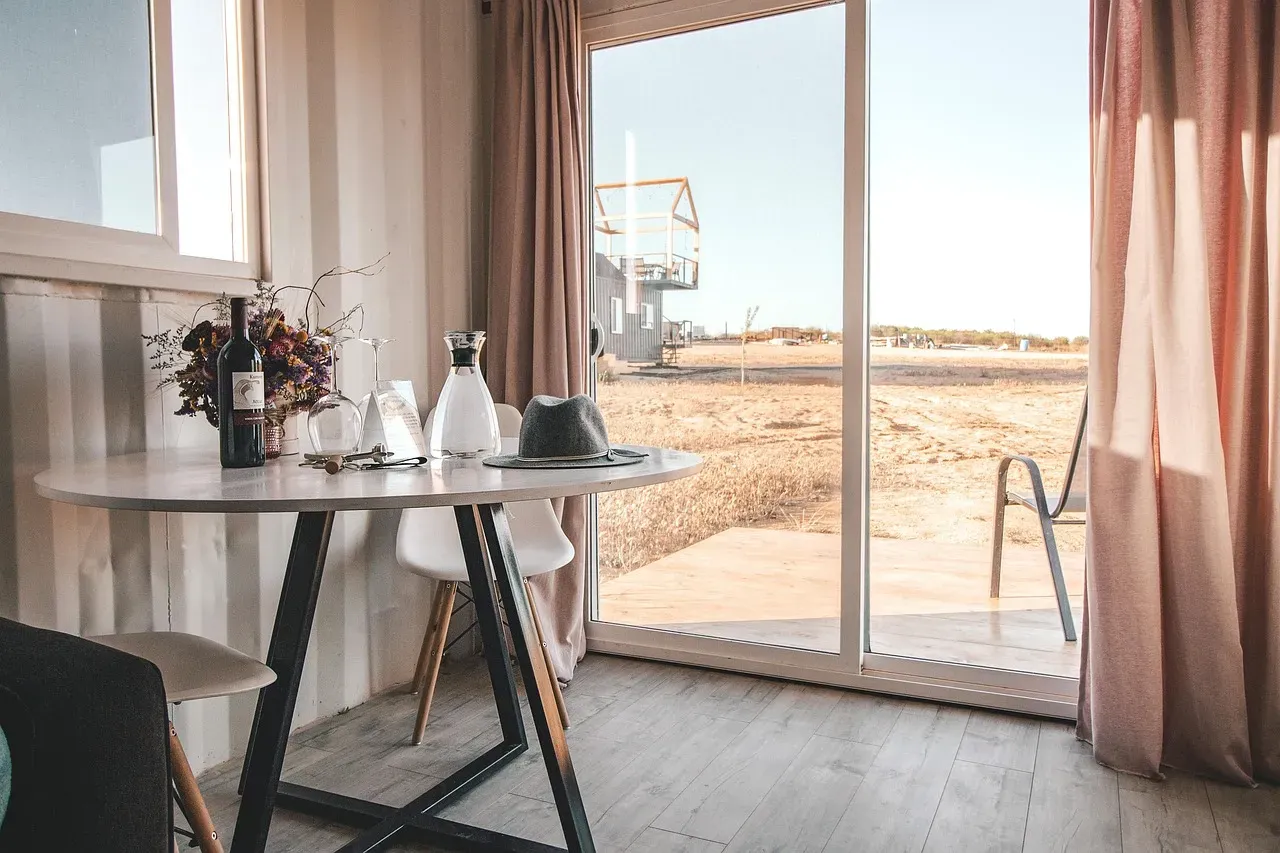
Everywhere you look in small-town America, something interesting is happening to the local hospitality scene. Historic buildings are being transformed into intimate, design-forward boutique hotels that feel unlike anything you’d find on a corporate hotel booking app. Unlike standardized accommodations, boutique hotels offer unique architecture, custom interior design, and curated experiences often rooted in local culture, traditions, and gastronomy, allowing travelers to connect more deeply with their destinations through locally inspired decor, community-based excursions, and artisanal cuisine.
Millennials and Gen Z represented nearly three-fifths of boutique hotel clientele in 2024, showing a clear trend toward experience-oriented and social media-friendly accommodations. That’s an enormous market signal. The U.S. boutique hotel market is expected to grow at a compound annual growth rate of 7.0% from 2024 to 2030. Small towns are increasingly at the center of that growth story.
The Short-Term Rental Boom in Small Communities

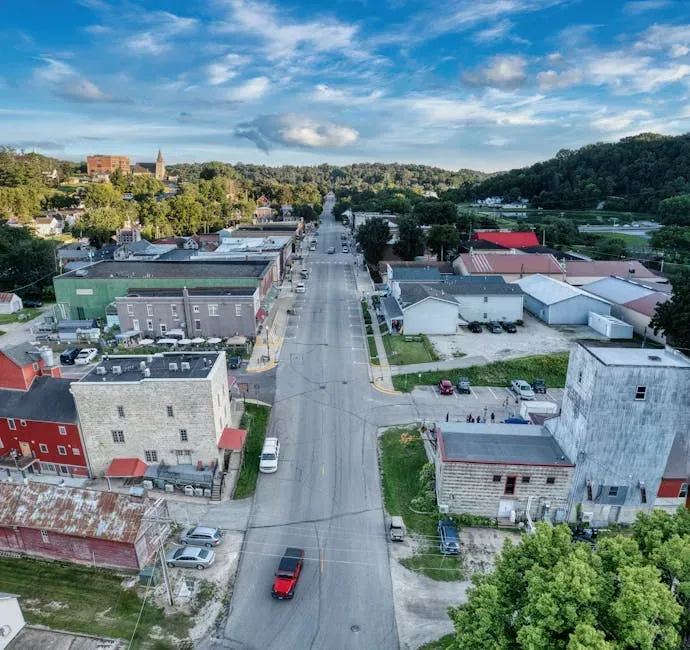
Alongside boutique hotels, the short-term rental market is also reshaping small-town economies in a big way. Investors are paying close attention, and the data confirms the opportunity is real. According to AirDNA, small cities and rural areas saw a year-over-year increase of roughly one-sixth in listings in 2024, while midsized cities only grew by about a tenth.
Trails, lakes, national parks, historic downtowns: these are the anchors driving short-term rental demand in places that, just a decade ago, weren’t on anyone’s investment radar. There is a marked uptick in interest for inland U.S. destinations, with states such as Michigan, Wisconsin, Minnesota, and Tennessee climbing into the top ten most-searched for 2025, reflecting travelers’ appetite for lakefront escapes, mountain retreats, and small-town charm.
Since 2020, national parks have surged in popularity, and their allure continues to grow. These destinations boast some of the most unique five-star accommodations, such as Four Seasons Jackson Hole, Amangani, and Caldera House near Yellowstone. That’s the convergence of nature and luxury in action.
Younger Generations Are Spending on Experiences Over Things


This whole movement is rooted in something deeper than just housing economics. It’s about values. Surveys indicate that over three-quarters of millennials and Gen Z prefer to spend on experiences rather than things, sustaining a healthy appetite for vacations, concerts, festivals, and other hotel-generating activities.
Consumer preferences are shifting decisively toward experiential travel, where affluent individuals prioritize meaningful, immersive experiences over traditional luxury amenities. This transformation reflects broader cultural changes emphasizing personal growth, authentic cultural engagement, and unique memory-making opportunities.
Small towns offer exactly that. Think of it like this: a weekend in a city is predictable. A weekend in a small Appalachian town with a farm-to-table restaurant, a working pottery studio, and a trout stream out back is an experience you’ll actually remember. A massive $84 trillion intergenerational wealth transfer is underway in the U.S. alone, shifting influence from Baby Boomers to Gen X, Millennials, and Gen Z, and that generation is spending differently.
The Millennial Family Factor


I think one of the most underreported drivers of this entire shift is simply: starting a family. Cities are genuinely tough places to raise kids when you’re watching every dollar. Housing, entertainment, groceries, parking – almost everything costs more in cities. Childcare alone can be nearly as much as a mortgage payment.
Married millennials are more likely to want to move out to the country, with roughly three in ten expressing this preference, compared to roughly two in ten singles. That’s a meaningful gap, and it makes intuitive sense. When you have a partner and maybe a kid on the way, the calculus changes entirely. In small towns, people suddenly get more house and land than imagined, while entertainment costs are lower, allowing them to pursue the American dream.
The Risk: Are Small Towns Becoming Too Popular?

Here’s the uncomfortable truth that comes with this trend. Small towns are wonderful partly because they haven’t been “discovered” yet. The shift could make smaller city markets more expensive in the long run. Smaller, popular move-to cities with an established millennial presence are seeing increased demand, which not only boosts their growth as economic and cultural hubs but also intensifies competition in their housing markets, potentially driving up prices and reshaping affordability.
It’s hard to say for sure how this plays out in every region, but places like Asheville, Bozeman, and Hudson, New York have already begun to feel the squeeze. Overtourism has led to a shift toward “destination dupes,” where travelers opt for lesser-known alternatives to overcrowded hotspots. These destinations provide similar charm with fewer crowds, making them ideal for those seeking a more relaxed experience.
The very qualities that draw millennials to small towns – authenticity, affordability, community – can erode under the weight of their own popularity. The towns that manage that tension wisely will be the ones worth watching over the next decade.
Conclusion: The Quiet Revolution Has Already Begun
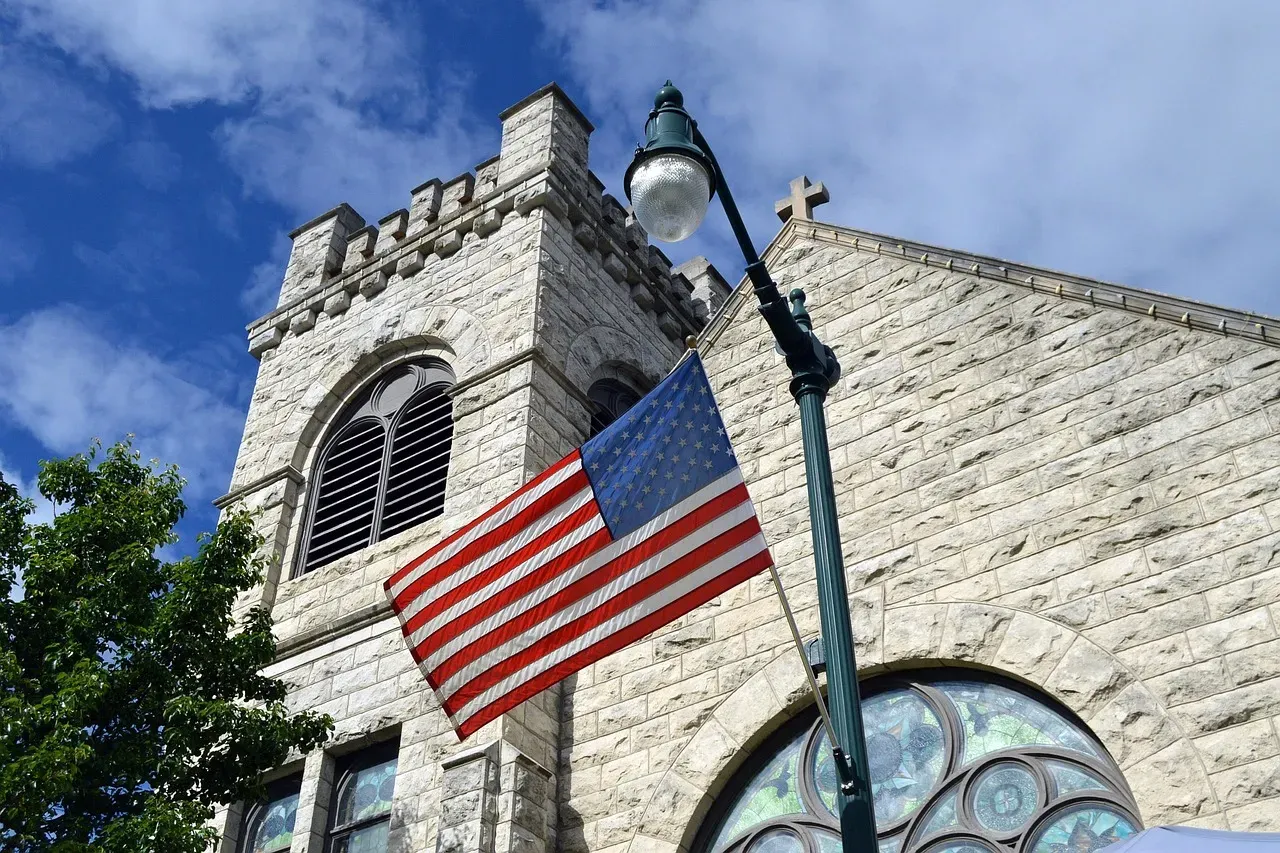
What’s happening in Small Town America isn’t a trend in the way that word usually gets used. It isn’t a fleeting social media moment or a pandemic-era quirk that will fade once offices fully reopen. The data is clear, the economics are compelling, and the values driving it are deeply rooted in what this generation actually wants from their lives.
Millennials grew up being told that cities were where ambition lived. Now, increasingly, they’re discovering that ambition looks different once you’re in your late 30s with a family, a mortgage goal, and a genuine need for peace and quiet. Small towns are offering something no city can fully replicate: the feeling that there’s enough room to breathe. Enough space to actually build something that lasts.
The real question isn’t whether this shift is happening. It clearly is. The question is whether small towns across America are ready to rise to the moment – and preserve what made them worth moving to in the first place. What do you think? Is small-town living the future of the millennial dream, or is the city still calling? We’d love to hear your take in the comments.


