There’s something unmistakable about a performer who genuinely moves you. It’s not just technical skill or stage presence. It’s the sense that the person in front of you has actually lived something, that what they’re communicating costs them in some real way. Audiences feel this instinctively, even when they can’t name it.
What’s surprising is how consistently that quality traces back to early hardship. Research backs up what many longtime observers of the arts have quietly suspected: the most riveting performers frequently emerge not from comfortable, cushioned childhoods, but from ones marked by loss, poverty, instability, or neglect. The connection is real, complicated, and worth understanding properly.
What the Research Actually Shows

According to a study published in Frontiers in Psychology, performing artists who experienced more abuse, neglect, or family dysfunction in childhood tend to have a more intense creative process. This wasn’t a small or informal survey. The cross-sectional study examined 234 professional performers, including dancers, opera singers, actors, directors, and musicians.
The artists with more childhood adversity were more likely to be fantasy prone, experience more shame and anxiety, and had experienced more traumatic events. Yet the researchers also found that these artists tended to report more intense creative and existential experiences. That tension between suffering and creative intensity is not incidental. It appears to be central.
The Concept of Post-Traumatic Growth

Traumatic encounters that shatter people’s assumptions can result in positive experiences. Positive experiences following traumatic events are what researchers Tedeschi and Calhoun refer to as “Post-Traumatic Growth.” The concept emerged in the mid-1990s and has since been studied extensively across disciplines.
Tedeschi and Calhoun estimate that roughly half of people who experience traumatic events end up experiencing post-traumatic growth as a result. For performers, that growth often shows up as a deepened emotional vocabulary, a compulsion to create, and a relationship to storytelling that feels less like a career choice and more like a survival mechanism.
Fantasy Proneness and the Imagination as Shelter

A study of 234 performing-arts professionals found that those who experienced intense childhood trauma reported higher levels of anxiety and internalized shame, but they were also more fantasy prone, a factor that may enhance creativity. For many children in chaotic households, fantasy isn’t entertainment. It’s a coping tool.
Illness and instability create new possibilities because they disrupt psychological equilibrium, break old habits, and force artists to develop different creative strategies. A child who retreats into invented worlds to escape an unpredictable home life is, unknowingly, building the imaginative muscle that will later make them extraordinary on stage or screen.
Poverty as a Specific Kind of Fuel
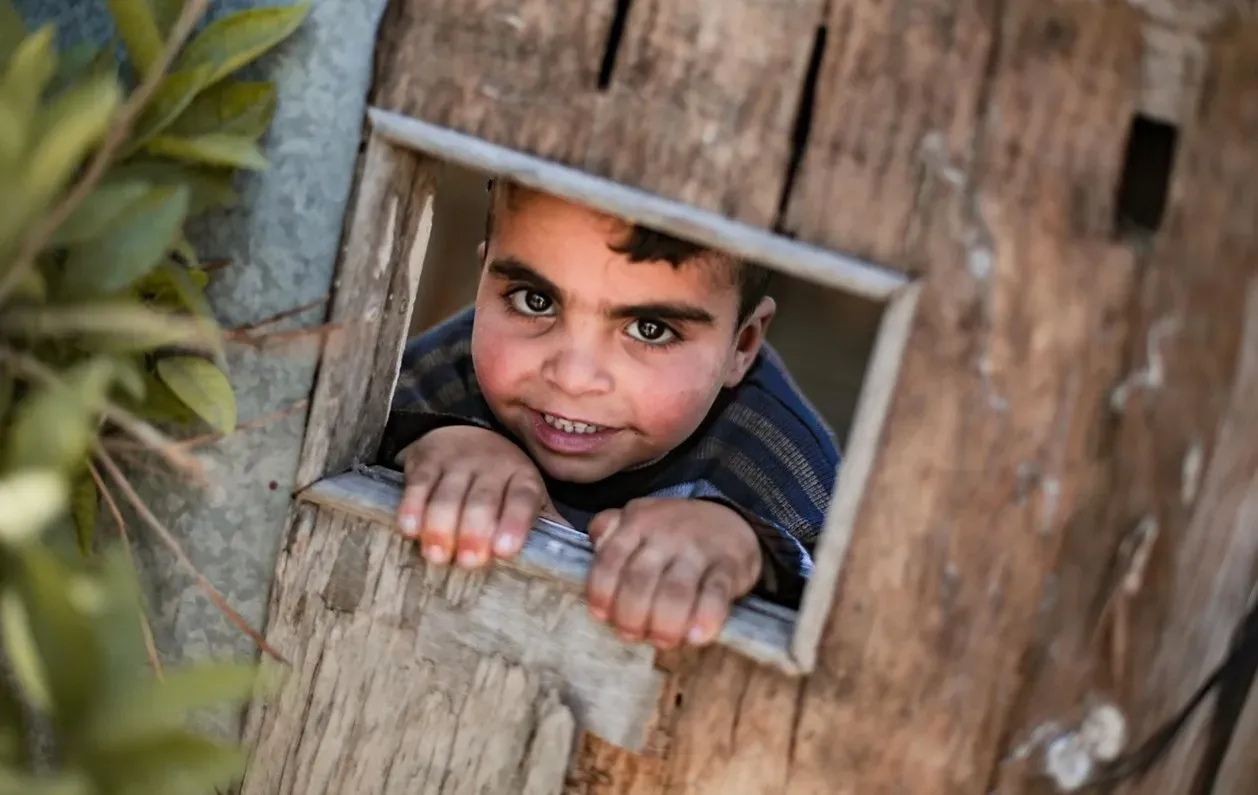
The link between economic hardship and eventual artistic greatness shows up with striking regularity across performance traditions. Country music icon Dolly Parton grew up with very little in a one-room cabin in the woods with dirt floors. Eminem was raised by a single mother in Detroit and his tumultuous family life as a child became the inspiration for many of his hit songs.
Oprah Winfrey had a very challenging upbringing, and she not only experienced extreme poverty, but also physical and sexual abuse. These aren’t minor footnotes in otherwise smooth stories. For many great performers, early deprivation created a hunger, urgency, and emotional rawness that shaped everything that followed.
Adversity and the Creative Accomplishment Connection
Researchers Damian and Simonton employed historiometric methods to examine the biographical materials of 291 African American celebrities, including artists and scientists. Their findings indicated a significant positive correlation between creative accomplishment and adversities experienced in the celebrities’ lives, including bereavement, parental discord or divorce, loss of friends or relatives, childhood illness, abuse, and poverty.
In a separate study, researchers discovered a moderate correlation between the number of traumatic events endured by everyday individuals and their creativity levels. The pattern isn’t confined to famous names. It appears to operate more broadly across populations, suggesting something genuinely structural in how hardship shapes creative output.
The Stage as a Place of Meaning-Making
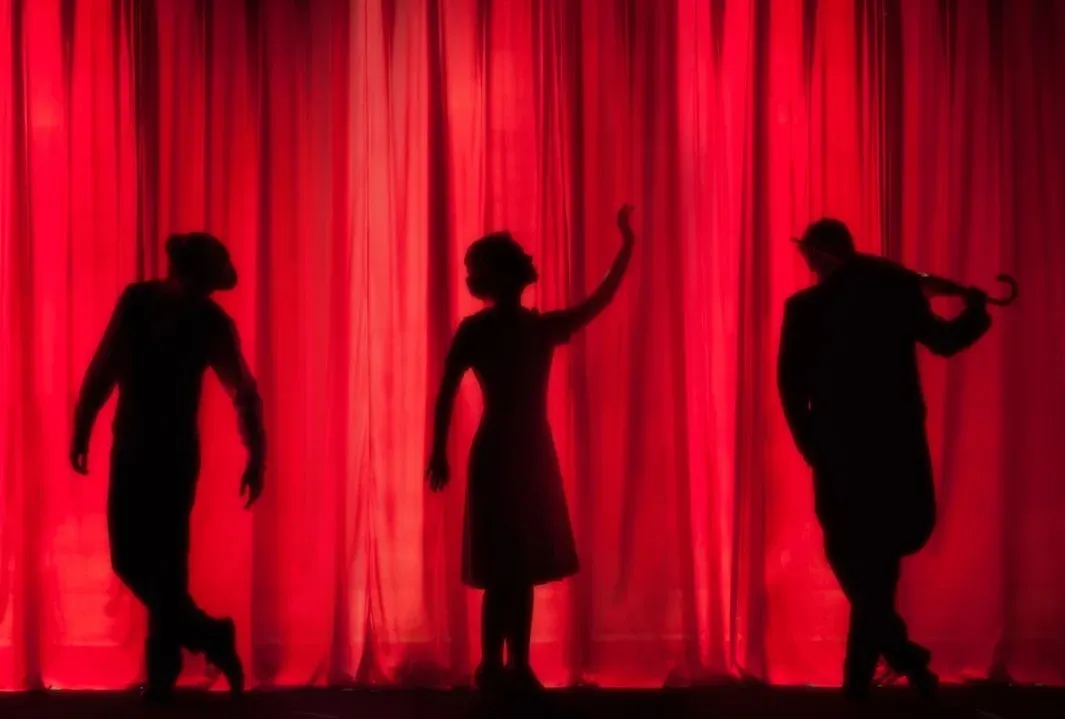
In general, performing artists who experienced a high amount of trauma may suffer more pathology, but they also thrive with heightened flow experiences and value the creative process as a healing and meaningful component in their lives. This framing matters. The stage isn’t just where these performers work. It’s where much of their psychological processing happens.
Creativity seems to serve both as a coping strategy and an expression of personal growth. For a performer whose early years offered few places to feel safe or seen, the act of performing can become an almost sacred ritual of self-articulation. Performers in research samples identified frequent flow experiences, a finding that indicated they valued the positive integrative experience of performing.
Real Examples Beyond the Headline Names

Regarded as one of the best country singers of all time, Shania Twain had an extremely rough childhood. Due to financial struggles, Twain and her four siblings often went to school hungry. Her father was abusive, and in 1987, both her parents died in a car crash, forcing her to raise her siblings alone.
Hilary Swank lived in poverty as a child, raised in a trailer park in Washington. She dropped out of high school at 15 and drove to Los Angeles with her mother to pursue her acting dream while living in a car. She went on to win two Academy Awards. Jewel Kilcher was raised in Homer, Alaska, in a home with no indoor plumbing, and learned to yodel while performing in nightclubs with her father. These aren’t outliers. They represent a pattern too consistent to be coincidence.
The Emotional Sensitivity That Comes With Surviving
Growing up in an unstable environment trains a child’s nervous system to read a room. Detecting mood shifts, interpreting silences, and anticipating danger are survival skills in dysfunctional households. On a stage or in front of a camera, those same capacities translate into emotional precision and authentic reactivity that polished training rarely fully replicates.
Research shows that intrusive rumination is positively correlated with post-traumatic growth and creativity. Psychological resilience is also positively correlated with both post-traumatic growth and creativity, and post-traumatic growth and creativity are themselves positively correlated. The emotional agility that comes from surviving difficulty, in other words, doesn’t vanish when the difficulty does. It becomes a permanent resource.
The Important Caveat: Not All Trauma Converts to Greatness

It would be dishonest to romanticize suffering. Researchers acknowledge that some people experience psychological distress regarding a traumatic event for the rest of their lives. Childhood adversity often causes serious harm, and not everyone with a difficult beginning finds a creative outlet that channels it productively. The presence of hardship is not itself a guarantee of greatness.
Artists do not generally produce great work while they are in the midst of suffering, but afterwards. What separates those who transform adversity into art from those who are simply damaged by it often comes down to support systems, access to creative outlets, and something harder to define: a temperament that bends toward expression rather than withdrawal. Creativity is associated with enhanced executive functioning, resilience, and optimal functioning. The transformation is real, but it is never automatic.
Why Audiences Sense the Difference
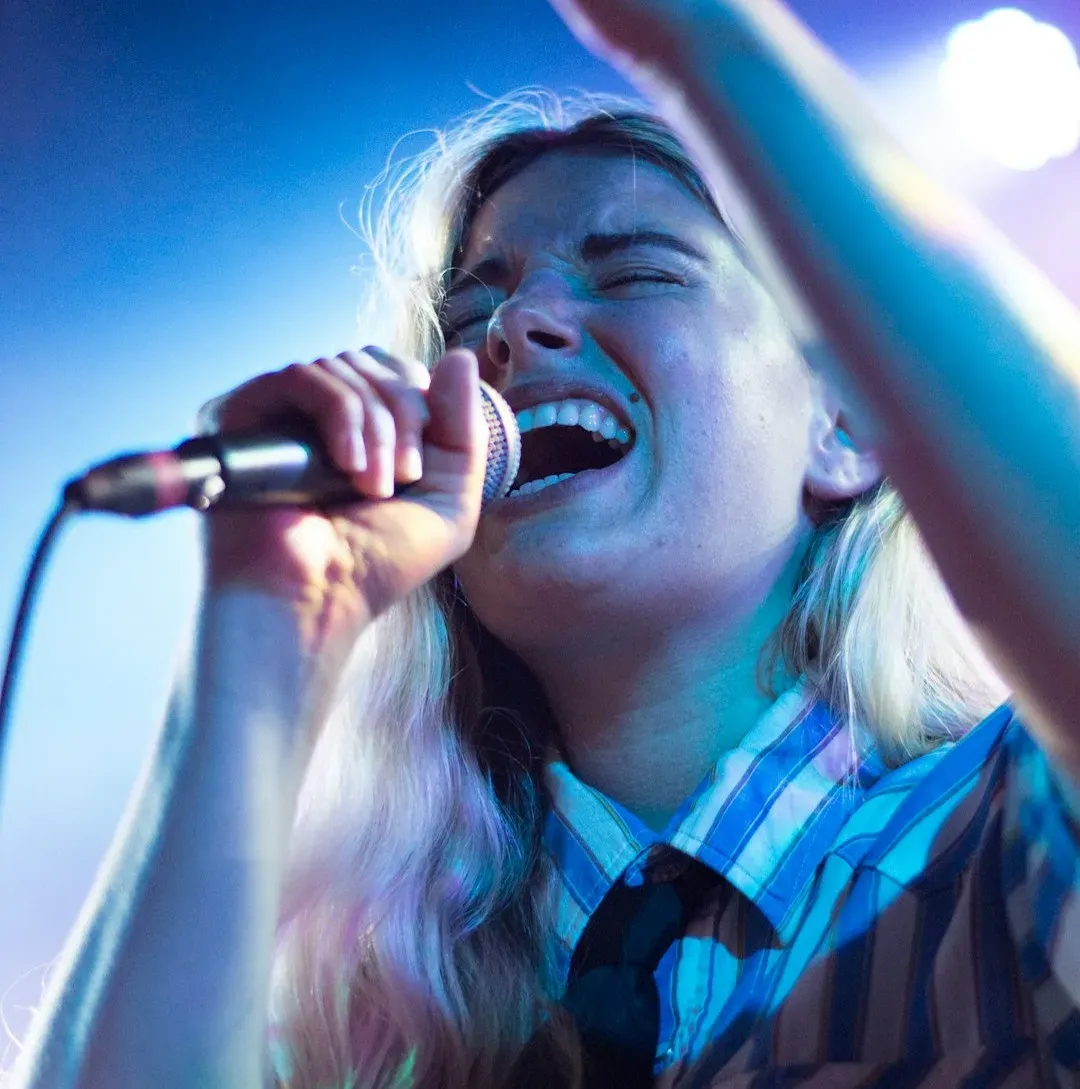
Technically proficient performers are everywhere. What audiences genuinely respond to is something harder to teach. There’s a particular quality in a performer who has worked through real experience, a specificity in the way they inhabit a moment, a willingness to be emotionally exposed that doesn’t look like performance at all.
Creativity is often born from vulnerability. Performers have access to a deep well of emotions, thoughts, and experiences that yields meaningful art. When that well has been deepened by genuine hardship, the art it produces carries a weight that audiences recognize, even without knowing its source. The most compelling performers don’t just entertain. They make people feel less alone in their own difficult experiences, and that capacity almost always grows from having genuinely needed it themselves.