
There’s a particular kind of quiet desperation that doesn’t make the highlight reels. No one films the night a future superstar seriously considers quitting, or the morning they wake up not knowing where their next dollar is coming from. These are the moments that exist only in memory, carried quietly into arenas and recording studios years later. The stories below aren’t about overnight success. They’re about the ragged, unglamorous stretch that came right before it, the period where keeping going required something beyond ambition. Eight singers walked right up to that edge.
Jewel: Performing in Coffee Shops From Her Car

After leaving her abusive father’s home in Alaska at 15, Jewel eventually landed in San Diego with dreams of making it as a musician. When she refused her boss’s sexual advances, he withheld her paycheck in retaliation, and she lost her car shortly after, finding herself without housing. There was no backup plan, no family cushion to fall back on. She was genuinely on her own.
Living out of her car, she started gigging in a local coffee shop just to try to get by, performing at the Innerchange Coffeehouse in Pacific Beach and slowly building a following one acoustic set at a time. Atlantic Records discovered her in 1993, and her 1995 debut album “Pieces of You” became one of the best-selling debut albums of all time, going 12-times platinum. Today, she’s sold over 30 million albums worldwide.
Ed Sheeran: Sleeping on London’s Circle Line Trains

Ed Sheeran has revealed that he was homeless for two and a half years and slept rough outside Buckingham Palace in London before becoming famous, detailing his experience in his book “A Visual Journey.” Most people his age were working steady jobs or finishing university. Sheeran was calculating which London arches had heating ducts.
He spent a week catching up on sleep on Circle Line trains, going out to play a gig, waiting until 5am when the Underground opened, sleeping until noon, then heading to a music session and repeating the cycle. He later returned to Buckingham Palace, this time to perform at Queen Elizabeth II’s Diamond Jubilee Concert in 2012, a detail that says everything about how dramatically a few years can flip a life around.
Lizzo: Quitting Music After Losing Everything

Lizzo, born Melissa Jefferson, was a flute prodigy studying music at the University of Houston when tragedy struck. At 21, her father died, sending her into a deep depression. She dropped out of college, lost her dorm room, and spent a year living in her car and crashing with friends. It wasn’t a rough patch. It was a genuine collapse of everything she’d built.
She later told Trevor Noah that after her father passed away, she quit music entirely, saying she had no reason to do it anymore because she had been doing it for him. She survived by sleeping on her drummer’s floor, staying in her car, and sneaking into a 24-Hour Fitness to shower. She came back anyway, and the Grammy Awards she’d eventually win came from an artist who had already decided, at her lowest point, that music wasn’t worth it.
Elvis Presley: Told to Go Back to Driving a Truck
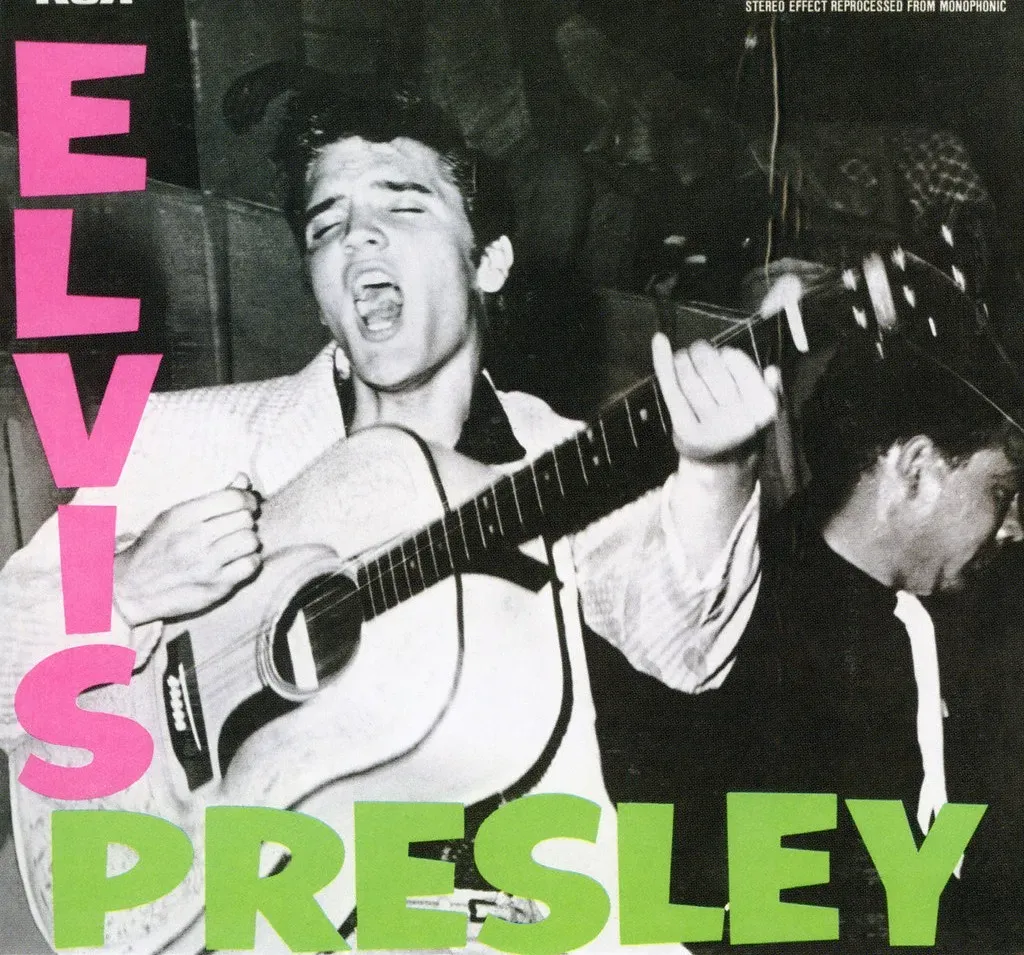
Before he was a truck driver, Elvis grew up in abject poverty in Tupelo, Mississippi, coming of age in a heavily segregated region still reeling from the Great Depression. By spring 1954, Presley was working as a delivery driver for Crown Electric Company when producer Sam Phillips invited him to record at Sun Studio. He was one bad audition away from staying behind the wheel permanently.
In 1954, a promising 19-year-old Elvis hoped to leave his mark at the Grand Ole Opry. Instead, he bombed. Although his commanding stage presence would later solidify his legacy as the King of Rock ‘n’ Roll, Elvis failed to win over the audience and Opry executives, and by his own account, he was advised to give up music entirely. He soon recorded for Sun Records, then moved to RCA Victor, and by 1956 his national fame made him a mainstream star far beyond the Opry’s original expectations.
Partner offer
Madonna: Fired and Nearly Broke in New York City

So famous she only needs one name, Madonna had a series of major failures before she became the diva she is today. When she first moved to New York City, she was fired from a series of jobs and barely managed to support herself. Many days, she had just a few dollars to her name. She also experienced violence in the city and was rejected by multiple managers. The early 1980s version of Madonna was a long way from stadium tours.
Before all the fame and glory, Madonna had dropped out of high school. After leaving school, she moved to New York City where she worked as a waitress at a Dunkin’ Donuts. The gig reportedly didn’t last a full day. She finally managed to secure a record deal and became the biggest pop star of the 1980s, building one of the most durable entertainment careers in modern history from those lean, uncertain early years.
Katy Perry: Three Label Deals That All Collapsed

Katy Perry is a world-renowned pop star now, but the start of her career was rough. She experienced setbacks that were enough to make anyone throw in the towel. Her first album was a gospel record that sold just a few hundred copies before her label abruptly closed its doors. Two more record deals tanked in the next few years. Three separate attempts, three dead ends. Most people stop at one.
Undeterred, Perry kept working steadily as a backup singer and found occasional gigs for herself. She finally signed on to Capitol Records, and her work with them produced her two breakthrough hits, “Hot n Cold” and “I Kissed a Girl.” She’s since won countless awards and even performed at the Super Bowl Halftime Show. The runway to that Super Bowl halftime stage was paved with years of rejection most fans never heard about.
Cyndi Lauper: Told She Would Never Sing Again

In the late 1970s, Cyndi Lauper was singing in various cover bands, but by 1977 her vocal cords became so damaged she was told that she would never sing again, and she had to communicate using a pen and paper. That’s not a minor setback for any singer. That’s the end of the road, medically speaking. For someone whose entire identity was built around music, it must have felt like the ground disappearing.
A year later, after working with a vocal coach who suggested she stick to performing her own music using her own voice instead of trying to replicate someone else’s, she released her debut album “She’s So Unusual.” She became the first female artist to have four consecutive US Billboard top five hits from one album. The same voice that doctors said was gone became one of the most distinctive in pop history.
Beck: Eight Dollars and a Guitar in New York

Before Beck became a genre-bending icon, he was just another struggling musician trying to make it in New York. In 1989, with only $8 in his pocket and a guitar in tow, he left the West Coast in search of opportunity. What he found instead was a harsh reality – no money, no home, and no easy way forward. Eight dollars. That’s roughly the cost of a subway ride and a sandwich, nothing more.
While it would be an instrumental time artistically, with him befriending a group of acoustic musicians who collectively helped him refine his craft, he was homeless most of the time in the city. It was the prospect of facing another freezing winter in New York that drove his return to Los Angeles in early 1991. The move proved to be the right one. Just two years later, “Loser” launched him into the mainstream, turning his years of struggle into something far greater.
The through line in all eight stories isn’t talent alone. Plenty of talented people quit. What kept these singers going, often barely, was something harder to name: a stubborn refusal to let the worst chapter be the final one. The meal they almost couldn’t afford turned out to be the last one before everything shifted.Partner offer
Planning a trip to Vegas?
Compare hotel rates and show tickets on VEGAS.com.