The music industry has a way of making everything look effortless. Sold-out shows, chart-topping records, red carpet appearances. What rarely makes the highlight reel are the hospital rooms, the terrifying diagnoses, and the quiet moments of uncertainty where a career, or a life, could have gone a completely different direction.
Some singers have faced health battles so severe that recovery itself seemed unlikely, let alone a return to the stage. These four stories stand out, not for their drama, but for the sheer improbability of what came after.
Selena Gomez: A Kidney Transplant at 25 That She Called Life or Death

With a series of Instagram posts in September 2017, Selena Gomez shared that she had undergone a kidney transplant at just 24, due to lupus-related organ damage. The announcement genuinely shocked the public, partly because few had known how serious her condition had become. The pop star later recalled learning that the disease was affecting her kidneys, explaining that her doctors told her she had lupus nephritis, one of the most common complications of lupus, and that she would need a kidney transplant. She admitted it “actually got to a point where it was life or death.”
The kidney was donated by her good friend, actress Francia Raisa. Gomez had initially gone through an exhaustive search to see if any family members were a match for her to get a new kidney. For roughly half of all people with systemic lupus erythematosus, a major organ like the kidneys, heart, lungs, or brain will be damaged by the disease. Kidneys are commonly affected because autoimmune proteins can be deposited there, causing inflammation that can, over time, lead to kidney failure. Despite the gravity of what she went through, Gomez recovered, continued performing, and has since become an outspoken advocate for not only lupus but several mental illnesses as well.
Rod Stewart: Two Cancers, a Lost Voice, and a Career That Never Stopped
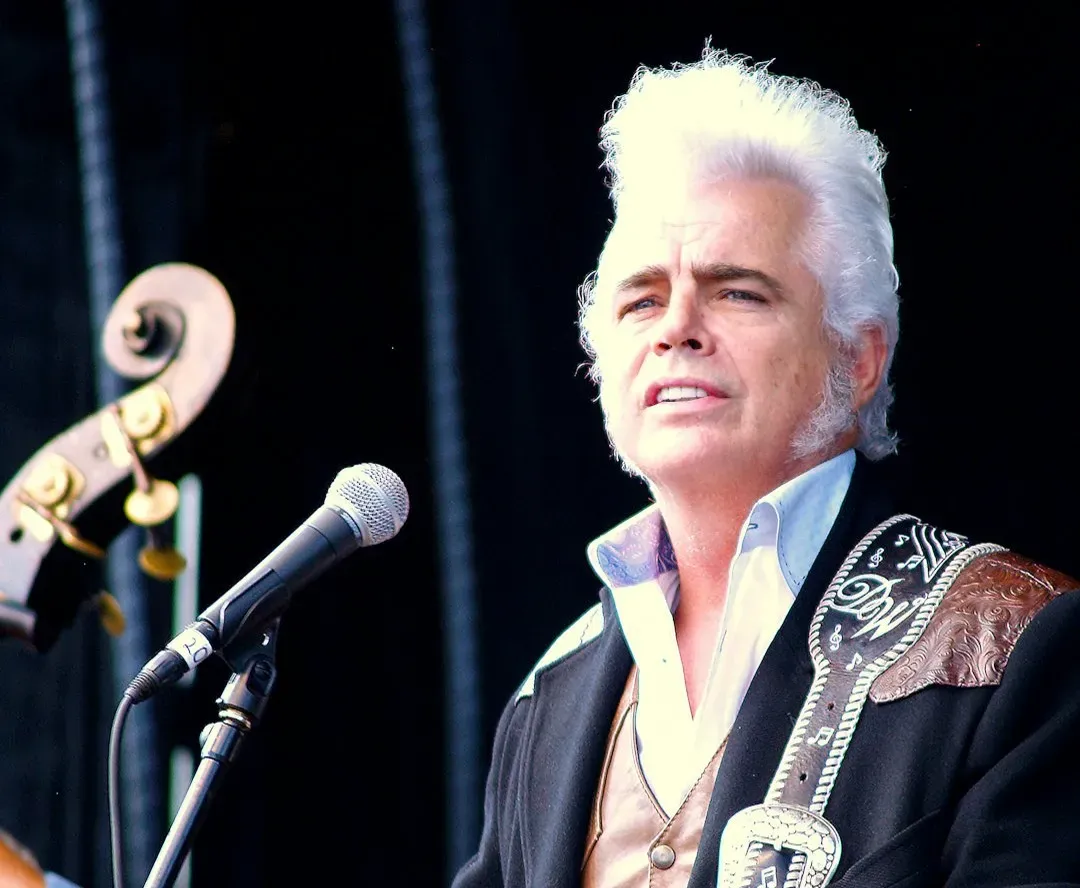
Rod Stewart had a decades-long career extending back to the 1960s before he received a terrifying diagnosis of thyroid cancer in 2000 that made his “palms go cold.” The scene played out much as it does for thousands of people: Stewart was waiting on test results from a routine checkup when his doctor said they had found something on his thyroid. The next day he went in for a biopsy, and the results indicated that he had cancer. Malignant, no less. It only took two days for Stewart to go back to the hospital for surgery.
What made his story especially striking was what the surgery temporarily took from him. The treatment did rid him of the cancerous cells in his body, but at the same time it also took his voice. “It had totally gone,” recalls Stewart. “It was scary because I couldn’t sing a note.” It took some time and muscle memory, but his legendary voice eventually came back. That alone would have been enough, but Stewart had a much more difficult time battling prostate cancer, though he managed to win that fight as well. It took three years from his 2016 diagnosis to be declared cancer-free.
Partner offer
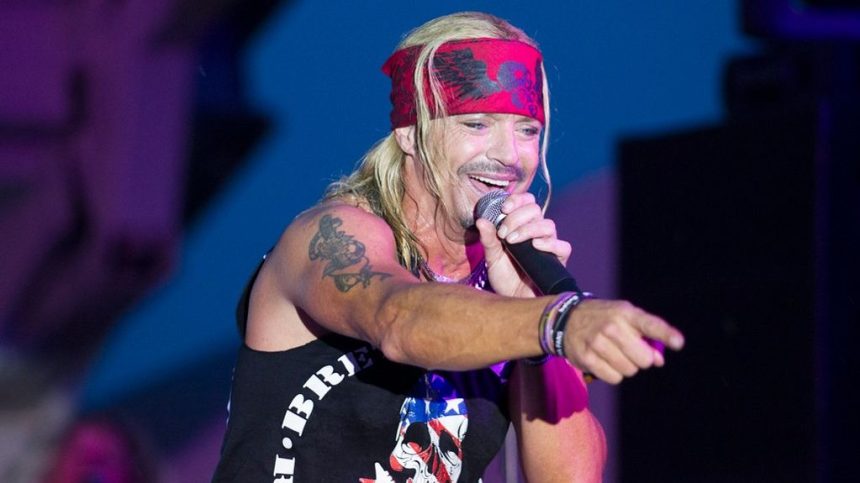
Bret Michaels: A Brain Hemorrhage That Sounded Like a Gunshot

Poison singer Bret Michaels had a brain hemorrhage in 2010 following an emergency appendectomy. When it happened, he was slurring his words, could not move his head, and needed to be carted to the emergency room. He told doctors that his two young daughters should not see him in such a condition before he died. That detail, more than any clinical description, captures how close the situation really was. Michaels had suffered a subarachnoid hemorrhage, a type of stroke where a blood vessel bursts at the brain stem and fluid starts to fill the region.
It took almost two weeks of intensive, in-hospital care for him to recover. Horrifying as this was, Michaels considers himself lucky. What’s rarely mentioned in his story is that his health had never been straightforward to begin with. Michaels is also a Poison singer who was only six years old when he was first diagnosed with type 1 diabetes. Like others with the condition, he has been an outspoken advocate for people with diabetes and has helped raise tens of millions of dollars through his organization, the Life Rocks Foundation. Surviving a brain hemorrhage on top of a lifelong serious illness made his recovery all the more remarkable.
Klaus Meine: The Scorpions Singer Who Couldn’t Speak, Let Alone Sing

Back in 1982, Scorpions singer Klaus Meine was rolled into a hospital to remove polyps and nodules from his vocal cords. When the vocal folds flap to make noise, they rub against each other and can develop what are essentially calluses in the throat. Those calluses can go away on their own, but not for someone like Meine, singing for a massive touring band whose discography defines rock history. In 2005, Meine recalled that he could not even talk after surgery. The silence that followed must have felt permanent.
It took six or seven months for him to be able to sing again, although he knew he could always fall back on family life at home if his time as a singer was done. Thankfully, Meine made a full recovery, and the Scorpions’ biggest years were still ahead. The band scored the biggest global hit of its career years after Meine’s medical scare: “Wind of Change” from 1990’s “Crazy World,” which reached No. 4 on the Billboard Hot 100. The song became the theme of the fall of the Berlin Wall in 1989 and the overall disintegration of the Soviet hold on Eastern Europe. A career nearly silenced forever ended up producing one of the most culturally significant songs of the twentieth century.
What connects these four singers is not just a capacity for physical endurance, but the particular cruelty of facing a condition that directly threatened the one thing their careers depend on most. Whether it was a voice, a kidney, or a functioning brain, each of them stood at the edge of losing everything. The fact that they didn’t is worth remembering whenever a comeback is taken for granted.
Partner offer
Planning a trip to Vegas?
Compare hotel rates and show tickets on VEGAS.com.