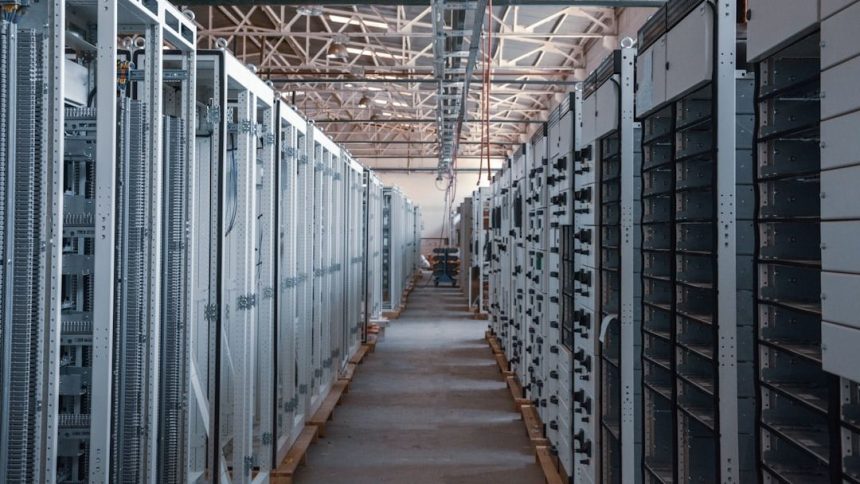
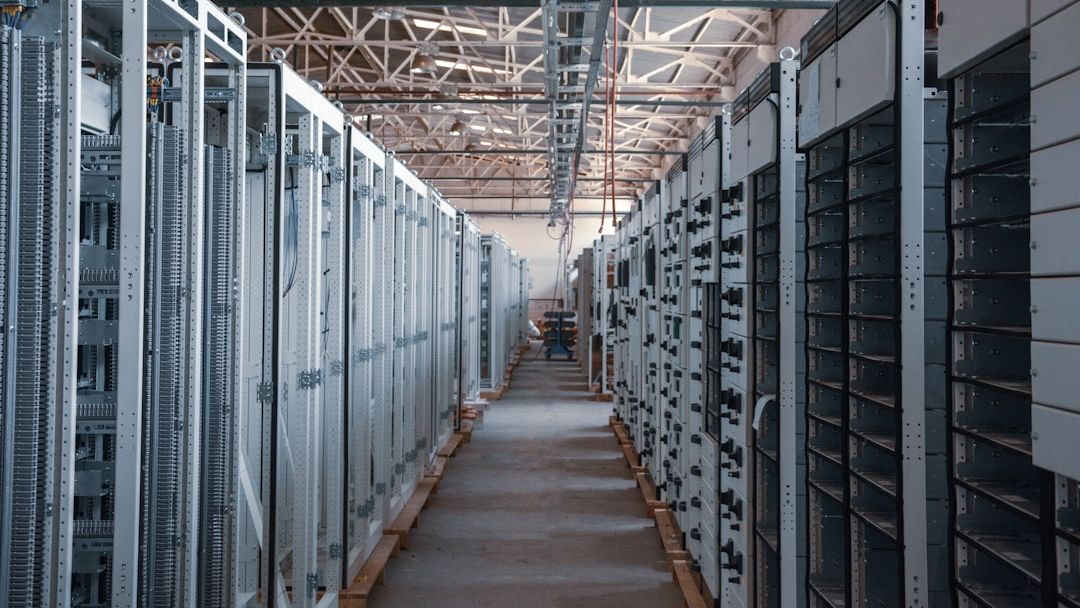
Elon Musk’s xAI adds more unpermitted gas generators for data centers – Image for illustrative purposes only (Image credits: Unsplash)
Southaven, Mississippi – Elon Musk’s xAI has more than doubled the number of natural gas generators operating without permits at its local data center. The increase reflects the intense power demands that accompany rapid growth in artificial intelligence infrastructure. Regulators and nearby residents now face questions about how such facilities secure reliable electricity while meeting environmental standards.
Scale of the Power Expansion
The Southaven site has added generators at a pace that outstrips initial plans. Each unit supplies backup or supplemental electricity when grid power falls short or when demand spikes during model training runs. Company filings show the total count has risen sharply since xAI first announced operations in the area. This pattern mirrors similar moves at other large-scale computing projects that require constant, high-capacity energy sources. Local utility records indicate the generators run on natural gas delivered through existing pipelines. Their unchecked status means they have not undergone the full review process that normally examines air emissions and noise levels. Officials have noted the equipment operates under temporary allowances while permanent approvals remain pending. The doubling therefore represents both a technical response to load growth and a regulatory gap that continues to widen.
Regulatory and Environmental Context
Mississippi environmental rules require permits for stationary combustion sources above certain thresholds. These permits typically set limits on nitrogen oxides, carbon monoxide, and other pollutants released during operation. Without them, the generators fall outside routine monitoring and reporting requirements. State agencies have confirmed the additional units remain in this unpermitted category. Data centers of this size consume electricity equivalent to small cities, especially when running continuous AI workloads. Natural gas generators provide a quick way to bridge shortfalls, yet they also produce greenhouse gases and local air pollutants. The absence of permits leaves open how cumulative emissions from the expanded fleet will be tracked over time. Environmental groups have flagged the situation as part of a larger pattern in which AI buildouts move faster than oversight mechanisms.
What Matters Now
The immediate priority is clarifying how xAI will bring the full generator fleet into compliance while maintaining reliable power for its computing operations.
Looking Ahead
Future expansions at the site will likely require even greater electricity capacity. Grid operators and state regulators are evaluating whether new transmission lines or permitted on-site generation can keep pace. The outcome will shape how similar AI facilities across the country balance speed of deployment against environmental accountability. Continued monitoring will determine whether the current approach sets a precedent or prompts tighter rules for the sector.