There’s a strange injustice built into Hollywood. Sometimes a film’s marketing misfires, a release date lands badly, or the subject matter is just a little too strange for the multiplex crowd. The actor still showed up, still gave everything they had, and the film quietly sank. The performance, often extraordinary, ends up buried under the weight of something that had nothing to do with the work itself. Box office success is a poor measure of a movie’s quality, and some great actors do their best work in commercial flops. Box office receipts are also affected by marketing campaigns, timing, and several other factors that have nothing to do with the content of the movie itself. What follows are ten actors whose greatest screen moments happened in films most people never got around to seeing.
Naomi Watts in Mulholland Drive (2001)
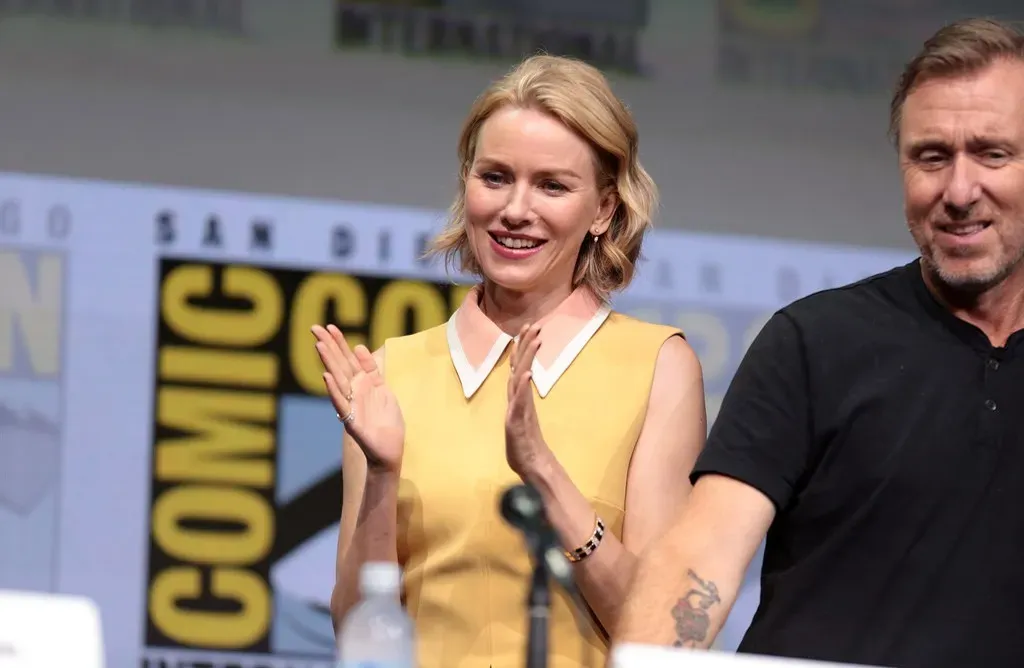
Mulholland Drive is a 2001 mystery film written and directed by David Lynch, following an aspiring actress newly arrived in Los Angeles, where she befriends a car crash victim suffering from amnesia. The film was originally conceived as a television pilot for ABC before Lynch repurposed it into a feature, and its deeply unconventional structure kept general audiences at arm’s length on release.
From the moment she steps onscreen, Watts carries the film’s eerie, dreamlike energy entirely on her shoulders, moving effortlessly between wide-eyed innocence and eerie desperation. Lynch’s puzzling narrative demanded an actress to convey highly complex emotional layers, and Watts delivered with astonishing precision. Her ability to inhabit both Betty’s naivety and Diane’s darker, fractured reality makes her performance a masterclass in vulnerability and controlled chaos. The critical consensus on Rotten Tomatoes calls Mulholland Drive “a twisty neo-noir with an unconventional structure that features a mesmerizing performance from Naomi Watts.”
Robert De Niro in The King of Comedy (1982)
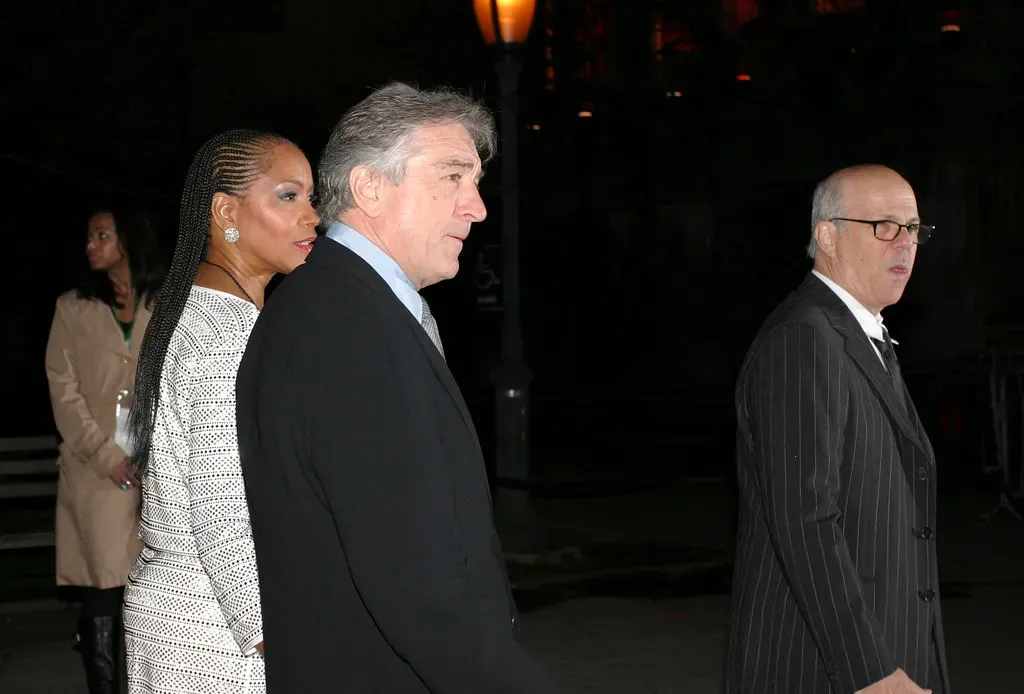
The King of Comedy stars Robert De Niro as Rupert Pupkin, an aspiring comedian who begins stalking his idol. Although considered one of Hollywood’s greatest directors, Martin Scorsese is no stranger to box office bombs. Acclaimed works such as Raging Bull, After Hours, and Hugo all underperformed commercially. However, The King of Comedy remains Scorsese’s biggest financial disappointment, earning a measly $2.5 million compared to its $19 million budget.
American Film, Empire, and The New York Times have all cited The King of Comedy as one of cinema’s greatest works. Many critics and scholars view it as a companion piece to Scorsese’s Taxi Driver. The King of Comedy was also a major inspiration for Todd Phillips’ Joker. De Niro’s portrait of delusional celebrity obsession feels almost prophetic today, and the restraint he brings to Pupkin, playing him with unnerving sincerity rather than obvious menace, is what makes it so unsettling.
Joaquin Phoenix in The Master (2012)
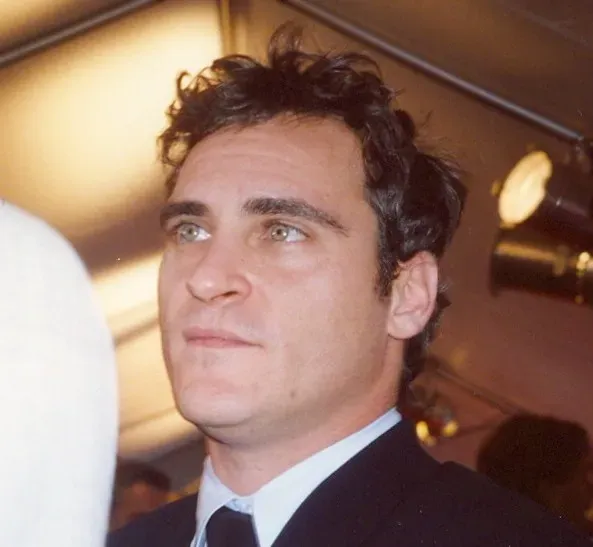
Directed by Paul Thomas Anderson, The Master is impressive on a variety of fronts, with a particular highlight being the slew of underrated performances from its star-studded cast. The film focuses on the relationship between war veteran Freddie Quell, played by Joaquin Phoenix, and Lancaster Dodd, played by Philip Seymour Hoffman, the head of a religious movement that begins to intrigue and inspire Quell.
The Master made $28 million while having a budget of $32 million, which did not bode well for a film vying for various Oscar nominations. Along with its renowned cinematography, The Master features two of the greatest acting performances of the 2010s from Joaquin Phoenix and Philip Seymour Hoffman. The BBC voted The Master the 24th best film of the 21st century. Phoenix contorts his body into something rawly physical throughout, carrying a quiet fury beneath every scene that’s difficult to look away from.
Ellen Burstyn in Requiem for a Dream (2000)
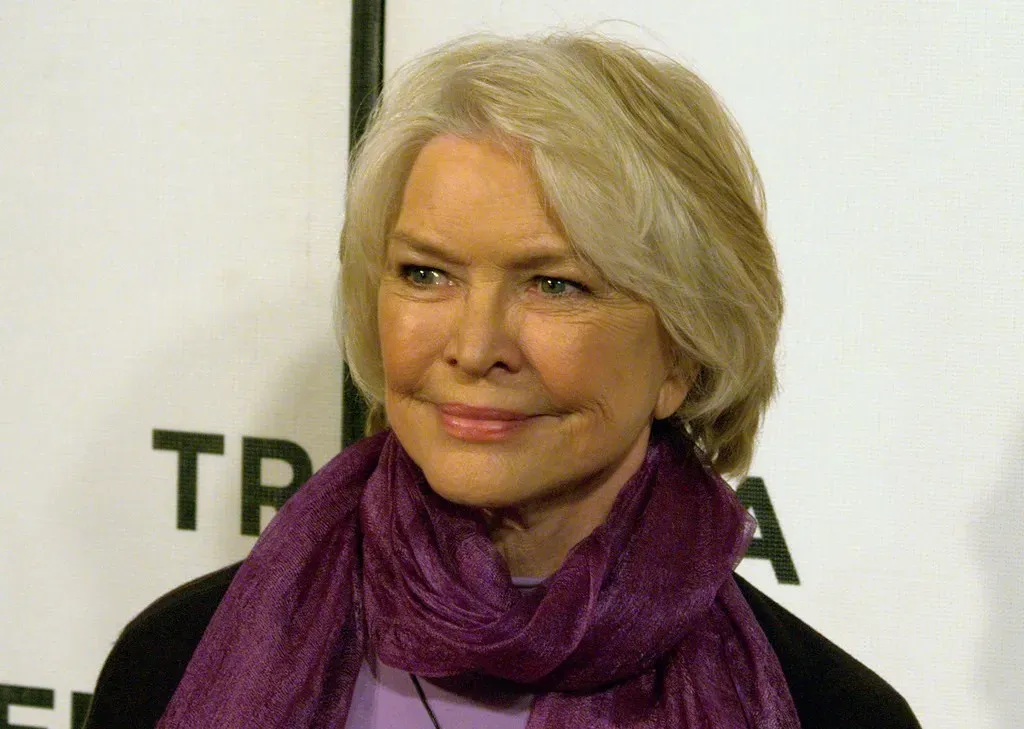
Ellen Burstyn earned her sixth Academy Award nomination for Requiem for a Dream. She gave a harrowing portrayal of a woman addicted to diet pills in the edgy, disturbing drama directed by Darren Aronofsky and starring Jared Leto and Jennifer Connelly. The standout performer of the film was Ellen Burstyn, who earned Oscar, Golden Globe, and Screen Actors Guild nominations for her work.
An NC-17 rating is a box office death warrant, so Aronofsky had to appeal to have it switched to R. He was denied and was unwilling to remove the sections that warranted the original rating. This is partly responsible for the relatively low receipts from theaters, which came to only about $7 million worldwide. During Burstyn’s impassioned monologue about how it feels to be old, cinematographer Matthew Libatique accidentally let the camera drift off-target. When director Aronofsky called “cut,” he realized Libatique had let the camera drift because he had been crying during the take and fogged up the eyepiece. That was the take used in the final print.
Winona Ryder in Heathers (1988)
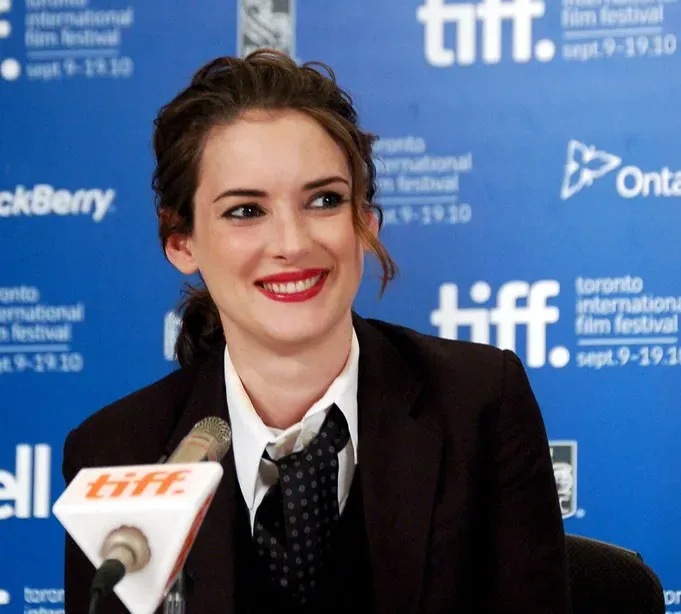
Heathers is a 1988 satirical teen film written by Daniel Waters and directed by Michael Lehmann, in both of their respective film debuts. It stars Winona Ryder, Christian Slater, Shannen Doherty, Lisanne Falk, and Kim Walker. It follows downtrodden high school student Veronica Sawyer, who falls in love with a misanthropic newcomer intent on murdering popular students and staging their deaths as suicides.
Ryder’s agent initially begged her to turn the role down, saying the film would “ruin her career.” Critical reaction was largely positive, and Ryder’s performance was positively received, with The Washington Post calling her “Hollywood’s most impressive ingénue.” Despite its critical success, Heathers was a box-office flop, but has achieved the status of a cult film in following decades. It was shot with a budget of three million dollars and only made a total of $1.1 million at the U.S. box office.
Jake Gyllenhaal in Donnie Darko (2001)
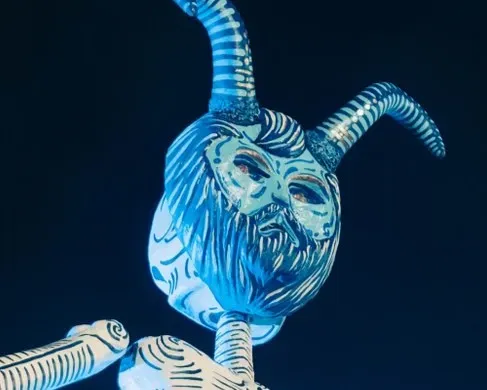
Donnie Darko is a 2001 science fiction psychological thriller written and directed by Richard Kelly in his directorial debut. It stars Jake Gyllenhaal, Jena Malone, Drew Barrymore, and Patrick Swayze. Set in October 1988, the film follows Donnie Darko, a troubled teenager who inadvertently escapes a bizarre accident by sleepwalking. He has visions of Frank, a mysterious figure in a rabbit costume who informs him that the world will end in 28 days.
Partner offer
When it was released in 2001, it had a lackluster box office performance mainly because it came out around the time of the September 11 disaster. Budgeted with $4.5 million and filmed over the course of 28 days, it grossed just under $7.7 million worldwide. Richard Kelly’s debut feature is described by critics as “a daring, original vision, packed with jarring ideas and intelligence and featuring a remarkable performance from Jake Gyllenhaal as the troubled title character.” The film went on to become one of the defining cult artifacts of the early 2000s.
Michael Fassbender in Steve Jobs (2015)
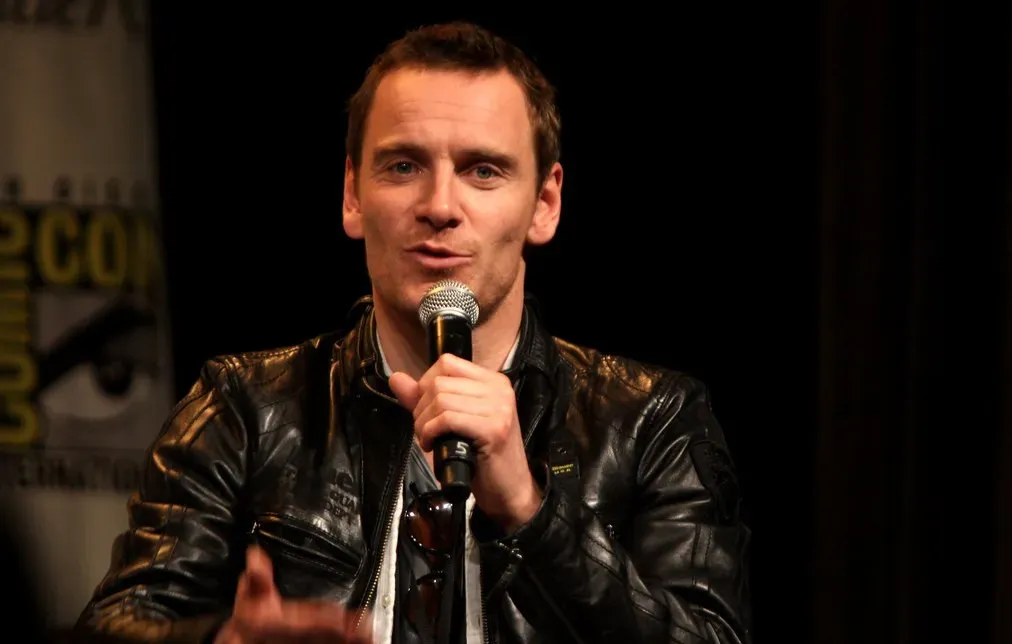
There have been a few film adaptations of the life of Apple co-founder Steve Jobs, but one that stood out to critics was 2015’s Steve Jobs. It starred Michael Fassbender in the titular role and covered Jobs’ life from 1984 to 1998. One would think an Oscar-baiting biographical drama about Steve Jobs from Oscar winners Danny Boyle and Aaron Sorkin would light up the box office for adult moviegoers, but the movie only grossed $17 million at the domestic box office and $34 million worldwide.
Michael Fassbender and Kate Winslet were both Oscar-nominated for their performances as Steve Jobs and Joanna Hoffman. Fassbender portrays Jobs almost entirely through language, pacing, and psychological pressure, delivering each of the film’s three real-time acts as a kind of escalating verbal chess match. It’s an uncommonly interior performance for a biopic, and the lack of audience turned up to appreciate it remains one of the more baffling commercial disappointments of that decade.
Tom Hardy and Nick Nolte in Warrior (2011)
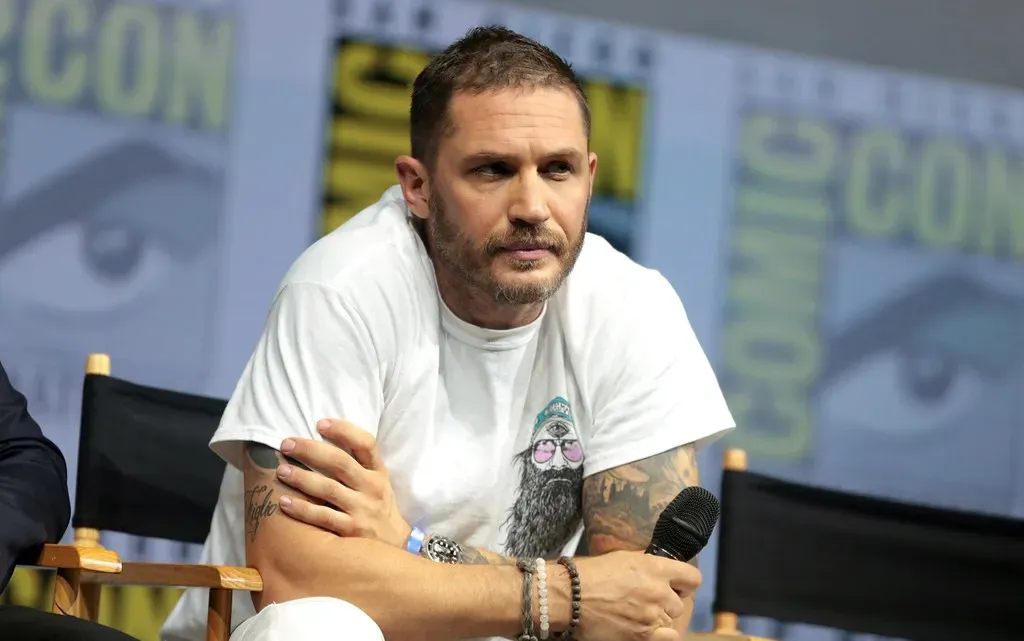
Gavin O’Connor’s Warrior is one of the decade’s most emotional sports dramas, mainly due to visceral performances by Tom Hardy, Joel Edgerton, and Nick Nolte. The $25 million Lionsgate release earned strong critical support and even landed Nolte in the Best Supporting Actor Oscar race, but an early September release date worked against the buzz, as the film bombed with just $13 million in the U.S.
Nick Nolte’s performance won him an Oscar nomination. The poor showing at the box office didn’t reflect the buzz around the film, perhaps because it didn’t boast the Hollywood stars like Christian Bale and Mark Wahlberg who were in The Fighter that came out earlier that year. Tom Hardy, barely known at the time, played a withdrawn MMA fighter with an almost feral physical stillness. Both he and Nolte deserved far more recognition than the film’s box office take allowed.
Scarlett Johansson in Under the Skin (2013)
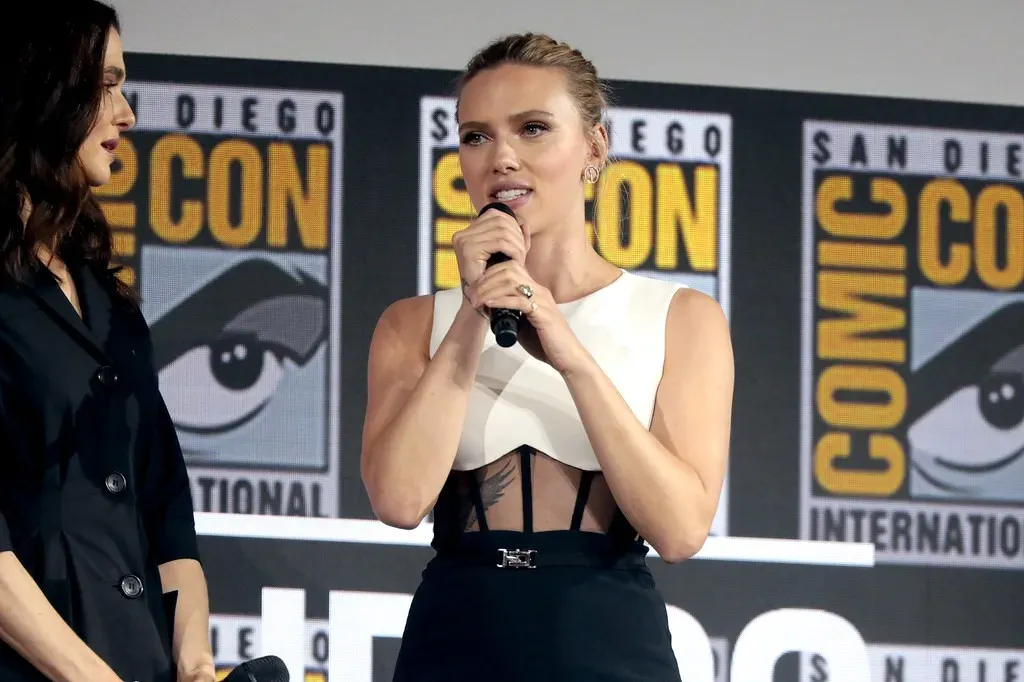
Scarlett Johansson gives one of the most astonishing performances of her career in Under the Skin, a film that received critical acclaim but failed to recoup its budget. No other movie has ever allowed her to reinvent her physicality and relationship with the camera so thoroughly. Playing an alien who takes the shape of a human woman and wanders about Scotland seducing men into a bizarre parasitic trap, Johansson nails the concept of a non-human being slowly acclimating to humanity, physically and emotionally.
The film is the most abstract and image-driven work of director Jonathan Glazer’s career. With minimum dialogue and virtually non-existent exposition, he dares viewers to understand and feel his disconcerting sci-fi opus for themselves. Johansson tells a whole story just with her face. The film barely registered commercially, which makes a certain dark sense. It was the kind of performance that demands total attention, and not many were paying it.
Ben Affleck in Hollywoodland (2006)
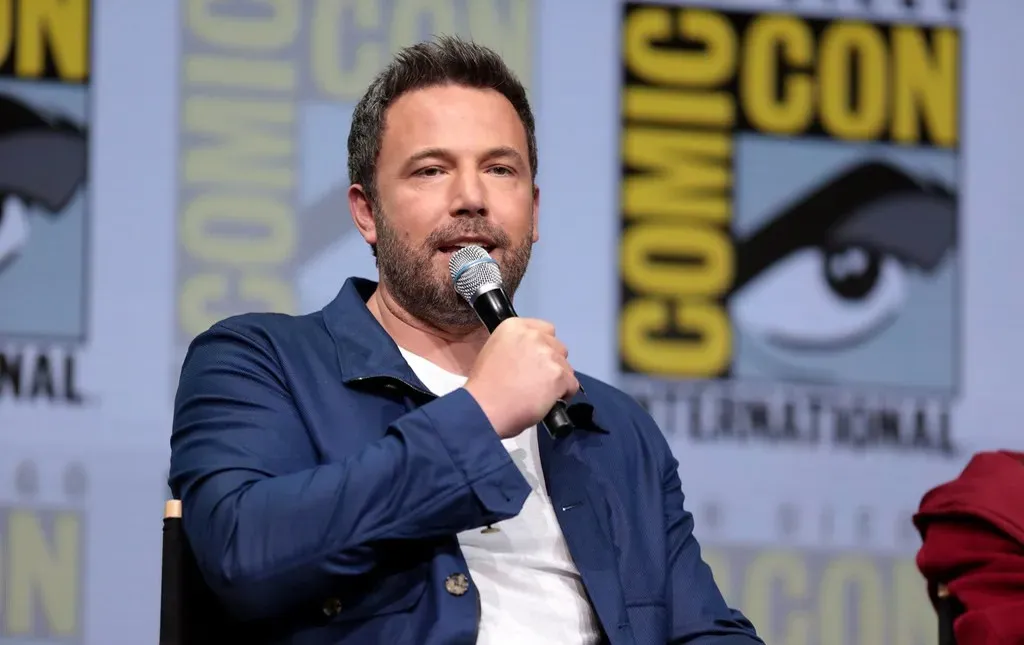
In the 2006 film Hollywoodland, Ben Affleck played real-life Superman actor George Reeves. Playing a historical figure continually tests an actor’s abilities, but Affleck made for an incredibly convincing Reeves. Everything from his accent to his mannerisms captured a convincingly good Reeves and Superman alike.
Hollywoodland has its own cult following, but it never received the recognition it deserved, meaning Affleck’s performance continues to go unappreciated. As far as playing the role of a real person goes, Affleck was just a perfect fit for his subject, not to mention how brilliantly he captures the tension of the gun scene, which was inspired by an actual event. The film arrived during a period when Affleck’s public image was at a low point, which almost certainly discouraged audiences. Looking back, it stands as the most surprising, emotionally nuanced work of his career.
There’s a certain quiet tragedy in all of this. Performances that could have defined careers, or reshaped how audiences saw a familiar face, simply floated past without enough people to receive them. The screen doesn’t lie about that kind of work. Time, at least, has a way of correcting the record.
Partner offer
Planning a trip to Vegas?
Compare hotel rates and show tickets on VEGAS.com.