Breaking up is hard to do, and apparently doing it more than once is even harder to resist. Rock and pop history is littered with bands who swore off each other for good, only to end up back on stage together a few years later, sometimes more than twice. These stories are rarely simple. They involve money, ego, grief, nostalgia, and occasionally genuine affection winning out over old grudges.
What follows are ten acts whose on-again, off-again relationships have played out publicly for decades. Some are still together as of 2026, some have split for what looks like the final time, and a few remain maddeningly unpredictable. Either way, their patterns of splitting and reforming say as much about the music business as they do about the people who made the music.
1. Guns N’ Roses

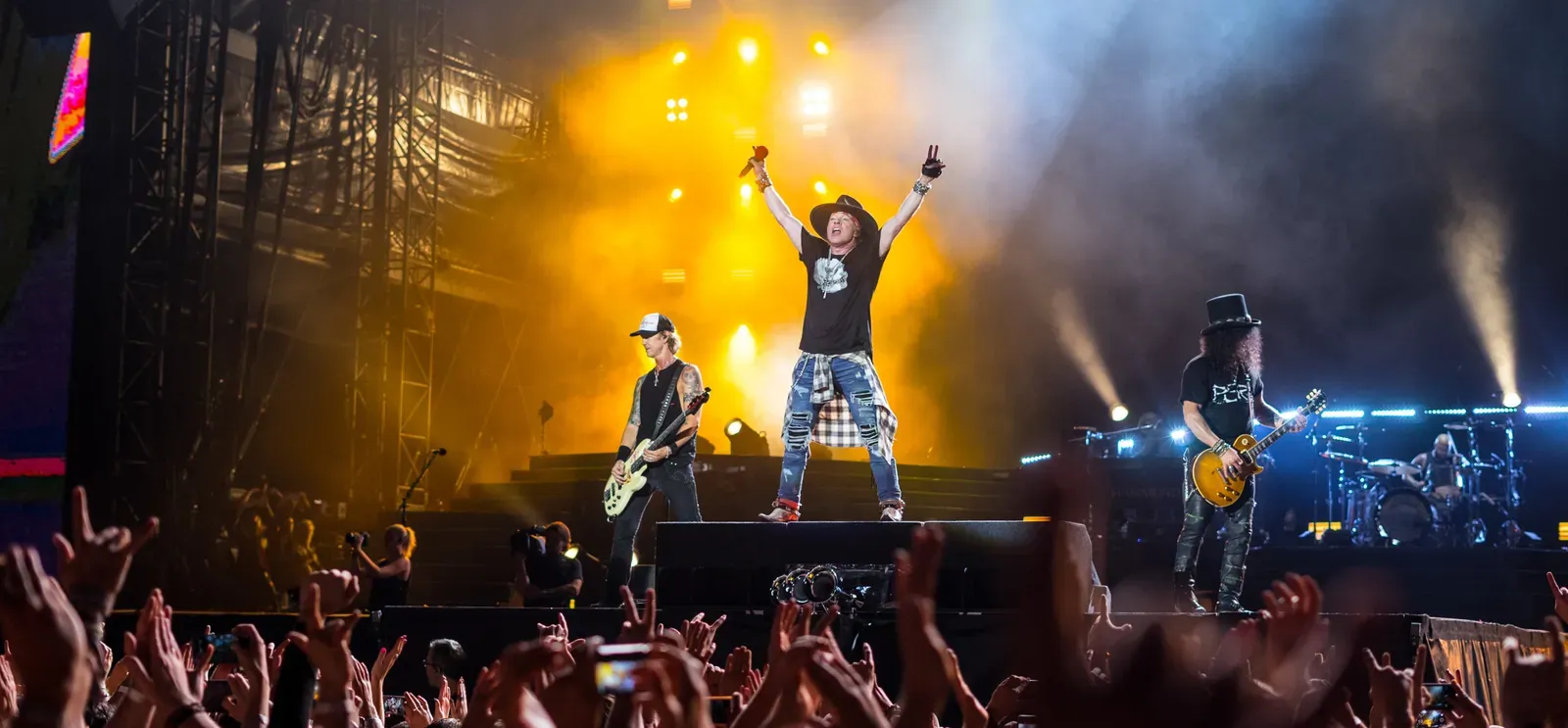
Slash officially exited the band in 1996 after years of escalating tension with Axl Rose, and Duff McKagan followed not long after, leaving Rose as the only member from the classic Appetite for Destruction lineup still using the name. He left in 1996, and Duff McKagan followed the next year. For nearly two decades the two camps communicated mostly through lawyers and the press, with Rose once suggesting a reunion would only happen when one of them died.
That prediction didn’t hold up. Fans finally got most of the reunion they’d long hoped for when Slash and McKagan returned to the lineup for GNR’s Not in This Lifetime tour in 2016. The band has continued performing together since, with 2026 dates announced at Brazil’s Monsters of Rock and the UK’s Download Festival, showing this particular reconciliation has real staying power.
2. Fleetwood Mac

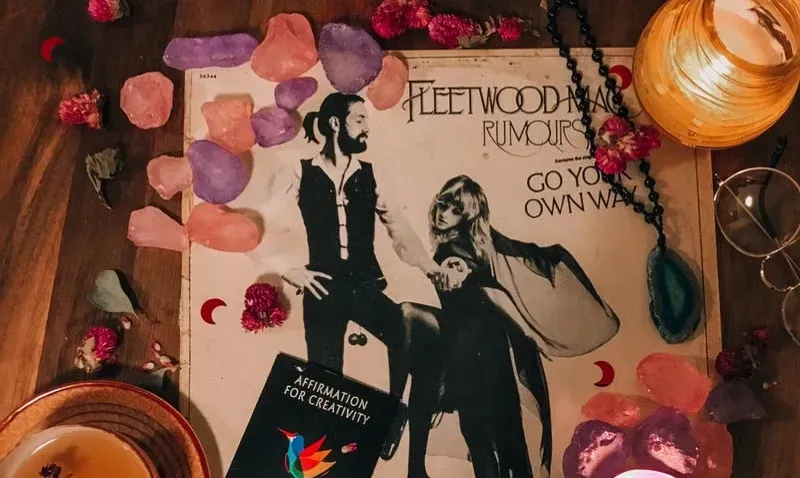
Few bands have cycled through breakups quite like this one. Members left over drugs, religion, and mental health struggles as early as the late 1960s and 1970s, and the band’s most famous incarnation, the one behind Rumours, was held together through romantic breakups within the group itself. They disbanded briefly between 1996 and 1997 because Mick Fleetwood did not see a future for the band at the time, before a reunion tour brought them temporarily back to life.
The lineup shuffling continued well into the 2010s. Their fractured relationship caused turmoil, but Nicks and Buckingham remained bandmates in Fleetwood Mac until Buckingham was fired from the band in 2018 over a tour disagreement. With Christine McVie’s death in 2022, most observers, including Stevie Nicks herself, consider a full reunion essentially closed, though the band’s decades of splitting and regrouping make it one of the genre’s defining case studies.
3. Black Sabbath

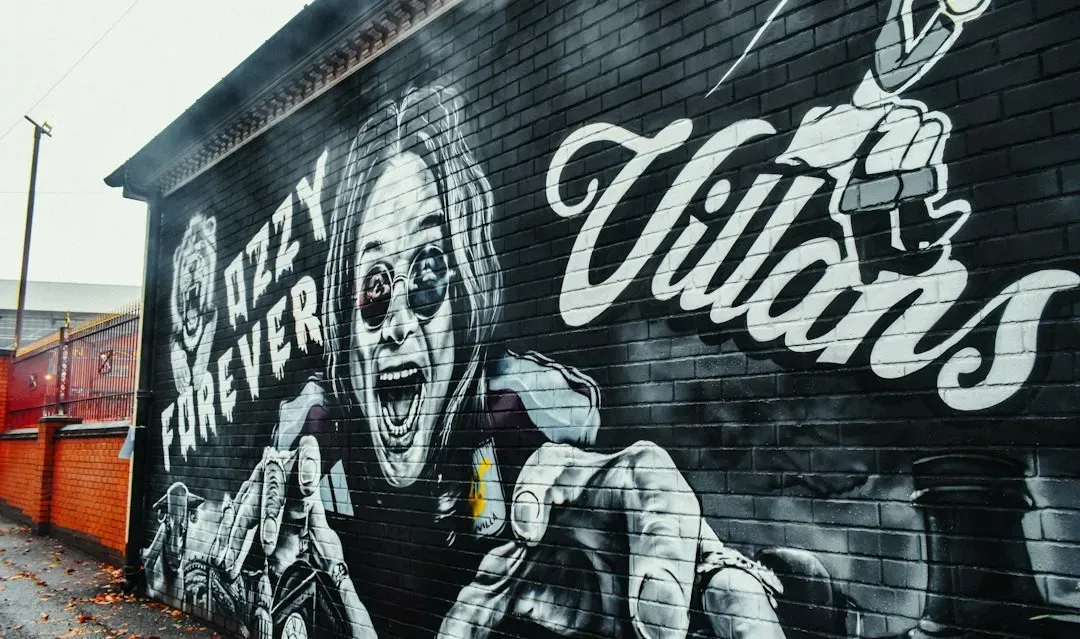
Ozzy Osbourne’s exit from Black Sabbath in 1979 was only the first of many chapters. Although Ozzy was fired from the band in April 1979, Sabbath did a number of one-off reunions between 1985 and 1992, from which two of their 1997 performances made it onto the 1998 live album Reunion. Singers came and went across the 1980s and 1990s, including Ronnie James Dio, Ian Gillan, Glenn Hughes, and Tony Martin, each stint ending the way the last one had.
The most celebrated comeback arrived decades later. After a series of lineup changes and internal conflicts, the original lineup, including Ozzy Osbourne, reunited in 2011 for the album 13 and a subsequent world tour, marking the first time in 35 years that the original members had worked together on new material. The band closed the loop for good in July 2025, when the last time all four original members performed live together before that had been at the close of the Ozzfest tour in 2005, and Ozzy’s farewell concert brought them back one final time.
4. Eagles

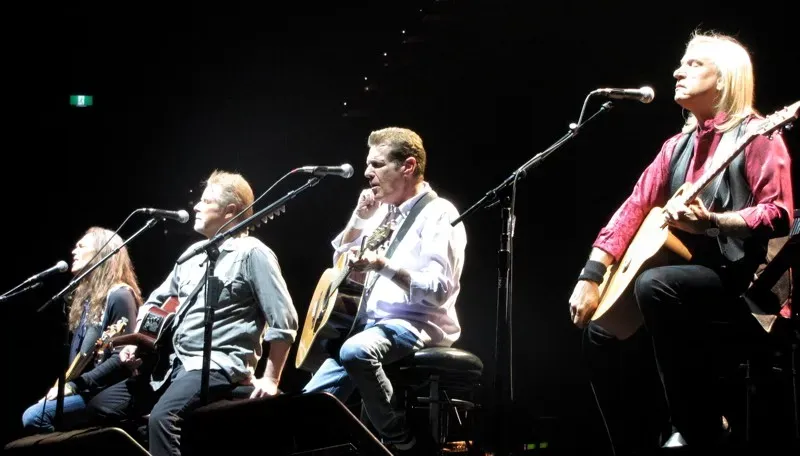
The Eagles’ 1980 split remains one of rock’s more theatrical endings. The band’s super-smooth brand of soft rock belied warring personalities, and things came to a head at a gig in Long Beach, California, dubbed the “Long Night at Wrong Beach.” Don Henley famously said the band would reunite when hell froze over, a line that would come back to haunt him.
Fourteen years later, hell apparently did freeze. In 1994 the Eagles reunited for the aptly named Hell Freezes Over tour, a title that by design poked fun at Henley’s earlier pronouncement, and the reunion was highly successful, leading to new albums and tours. Despite various lineup changes over the years, in part due to the passing of Glenn Frey in 2016, the Eagles have continued to tour and perform, maintaining their legendary status in rock music. That makes at least two distinct eras of separation and return, spanning the original 1970s lineup breakup through Frey’s death and the band’s decision to carry on regardless.
5. Take That

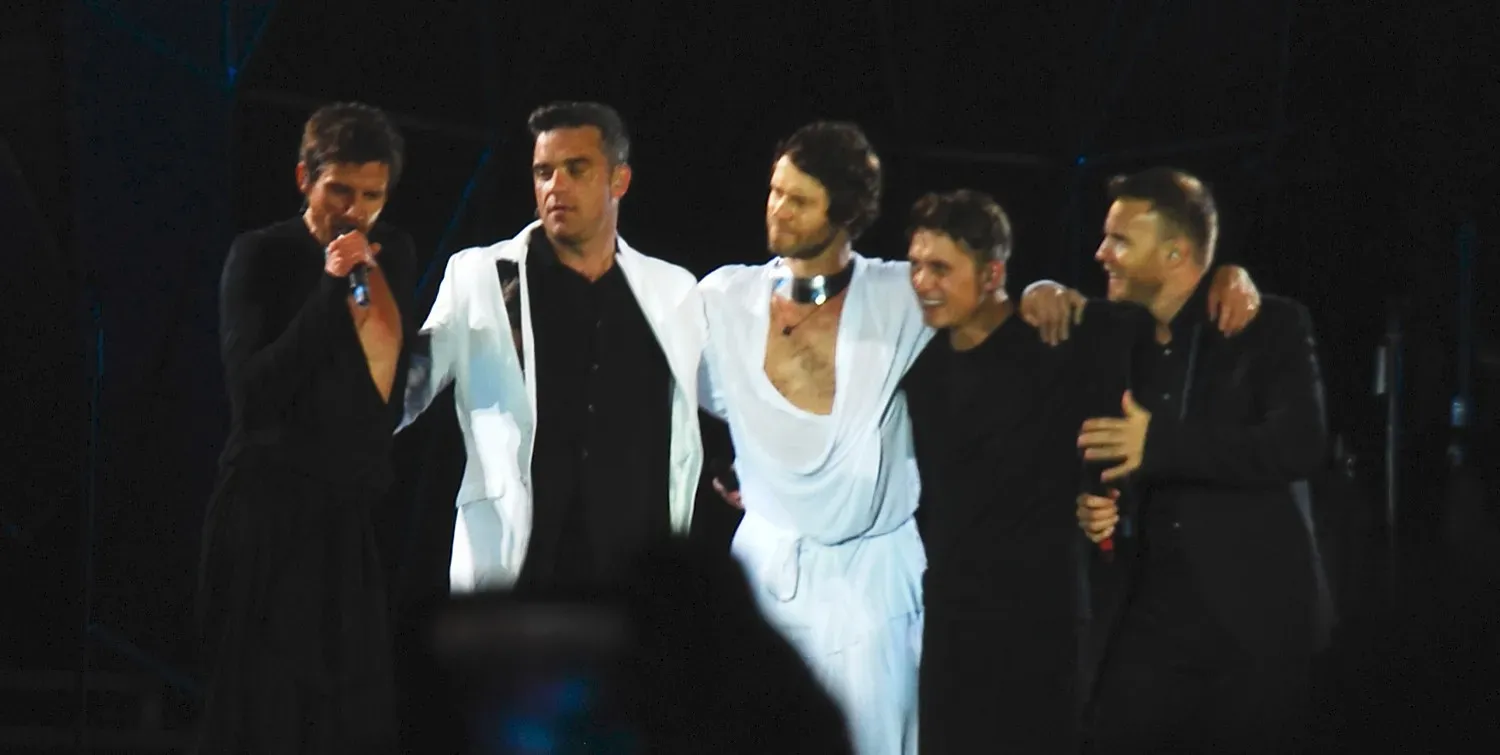
Take That’s history reads almost like a soap opera script. In 1995 Robbie Williams left the band for a solo career, in 1996 Take That disbanded entirely, in 2006 the group regrouped without Williams, and in 2010 Williams rejoined for the album Progress before leaving again in 2011, this time amicably. That is essentially three separate splits and two reunions within a fifteen-year window, an unusually rapid cycle even by pop standards.
The remaining members, Gary Barlow, Howard Donald, and Mark Owen, have continued touring as a trio since Jason Orange’s 2014 departure, while Williams has floated the idea of yet another reunion. Williams has said he is “sure” there will be a second reunion of Take That, though he has tied the timing to how his former bandmates receive his 2024 biopic Better Man. As of 2026, no formal announcement has followed, but the door has clearly never been fully closed.
6. Cream

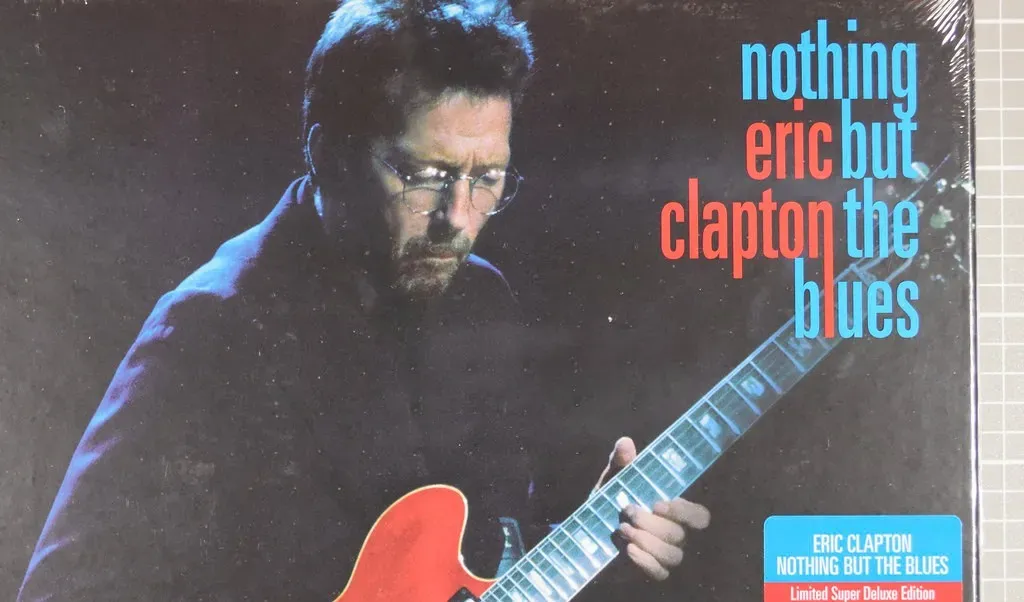
Eric Clapton, Jack Bruce, and Ginger Baker formed one of rock’s first great power trios in 1966, but personal friction, particularly between Bruce and Baker, ended the group after just two years. Cream played their farewell shows in late 1968 and went their separate ways, with each member moving into other high-profile projects during the early 1970s.
The trio reconvened briefly in 1993 to perform when they were inducted into the Rock and Roll Hall of Fame, a short but symbolic reunion that reminded audiences of their chemistry. They came together again in a more substantial way in 2005 for a run of reunion concerts at London’s Royal Albert Hall and New York’s Madison Square Garden, marking the second time the band had set aside old tensions to play together after their original split.
7. Guided by Voices

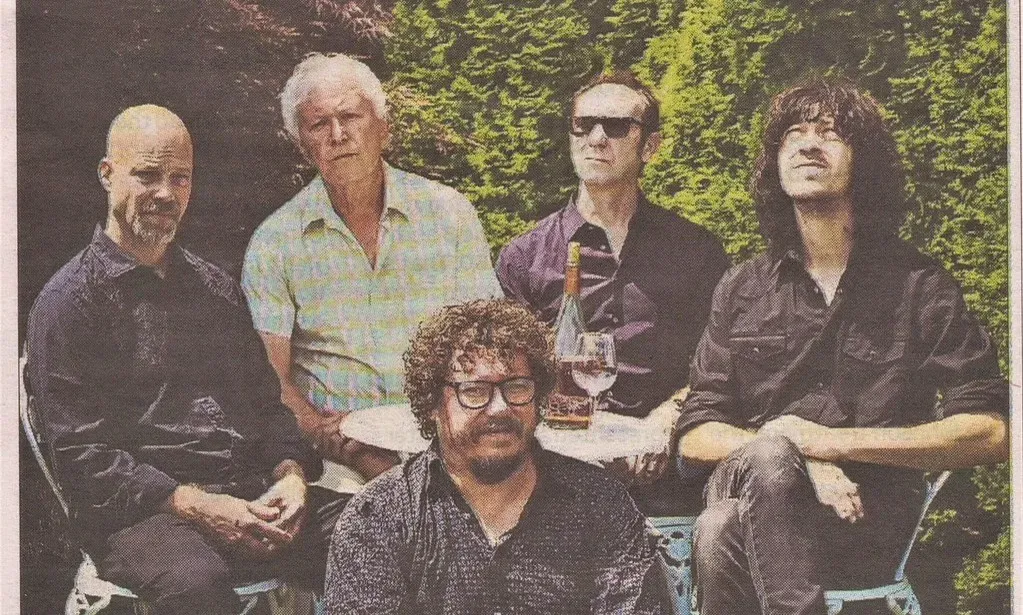
Robert Pollard’s lo-fi indie rock outfit has one of the more chaotic band histories in modern rock, built around Pollard himself as the only constant member through dozens of lineup shifts. The band that had built a cult following through the 1990s effectively disbanded in 2004 when Pollard decided to end that particular era of the group and pursue solo work.
Pollard reunited the classic mid-1990s lineup in 2010 for a string of acclaimed shows and new recordings, a reunion that fans had spent years hoping for. That version of the band split again by 2014 due to renewed personal friction among members, yet Pollard kept the Guided by Voices name alive with new musicians, and later brought some of the classic lineup back together again for further one-off appearances, making the group’s history of splitting and regrouping almost as much a part of its identity as the music itself.
8. Culture Club

Boy George’s band shot to global fame in the early 1980s before internal conflict, largely tied to George’s personal struggles at the time, led to their breakup in 1986. The band’s first reunion came in 1998, when the original lineup got back together for a tour and new material, riding a wave of 1980s nostalgia that was sweeping through the music industry.
That reunion didn’t last either, and the band drifted apart again before regrouping once more in the 2010s for a series of tours that continued intermittently into the following decade. The pattern of coming together for a tour, drifting apart, and eventually finding their way back has repeated enough times that longtime fans have learned not to assume any breakup is truly permanent.
9. The Smashing Pumpkins

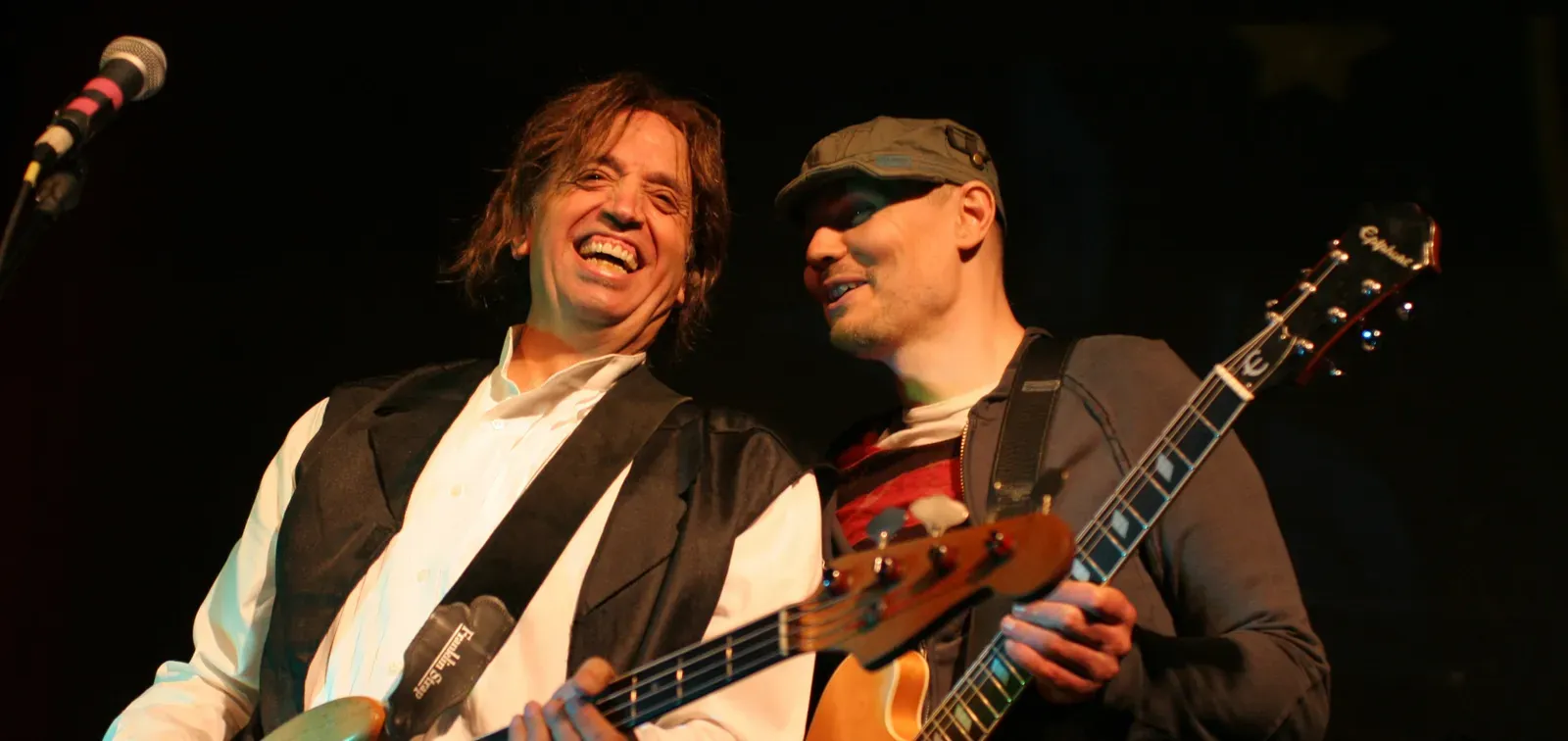
Billy Corgan disbanded the Smashing Pumpkins in 2000 after a farewell tour, declaring the band finished following years of internal strife and lineup instability. He revived the name in 2006 with an almost entirely new lineup, a move that original members James Iha and D’arcy Wretzky were not part of, effectively creating a reunion in name only.
The band’s history became more complicated from there, with further personnel changes throughout the 2010s. A more meaningful reunion arrived when James Iha rejoined in 2018 alongside drummer Jimmy Chamberlin for new music and touring, bringing back three quarters of the original lineup after roughly two decades apart, even though bassist D’arcy Wretzky remained separate from the group.
10. Simon & Garfunkel

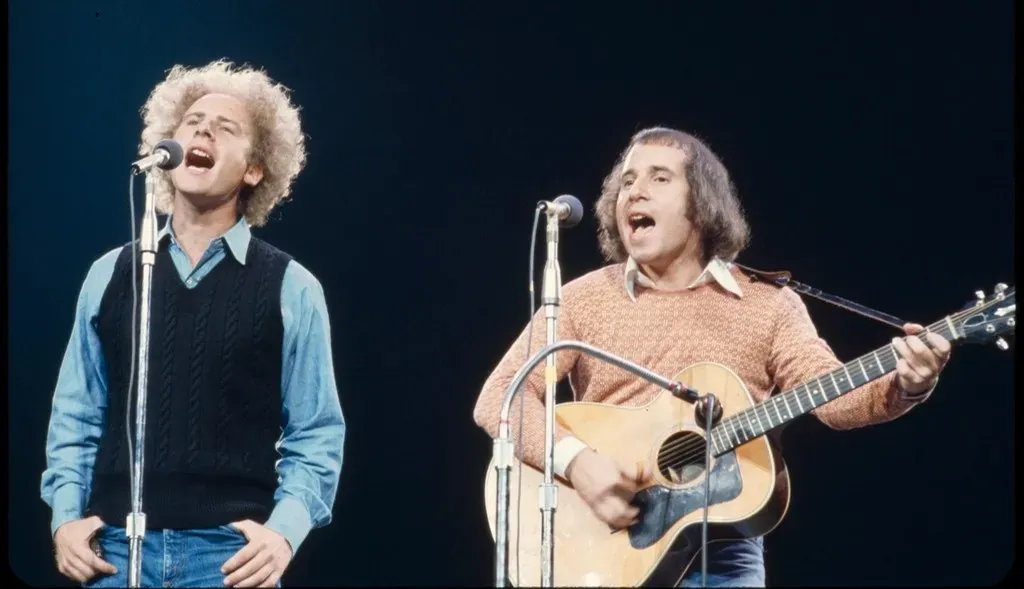
Paul Simon and Art Garfunkel ended their partnership in 1970 at the height of their fame, worn down by creative disagreements that had been building for years. They reunited for one enormous free concert in New York’s Central Park in 1981, drawing hundreds of thousands of people and proving the demand for their music together had never really faded.
Further reunions followed sporadically over the next two decades, including a run of shows in the early 1990s and a more extensive Old Friends reunion tour in 2003 and 2004. Their relationship has remained famously prickly in the years since, with periods of public sniping between tours, which makes their repeated willingness to share a stage again all the more notable.
Taken together, these stories suggest that breaking up rarely means what fans assume it means in the music business. Money, nostalgia, unfinished business, and sometimes simple exhaustion with being apart tend to pull people back together long after the doors seemed to have closed for good. Whether any of these acts have truly played their last reunion show is impossible to say with certainty, and that uncertainty is precisely what keeps audiences hoping.