The Academy has crowned nearly a hundred films as its Best Picture winner since 1929, and the quality of that list is, frankly, all over the map. Some choices look brilliant with hindsight, others feel like relics of a different era’s taste. This ranking pulls ten genuinely notable winners and stacks them against each other, starting with the shakiest pick and working toward the one that still feels untouchable decades later.
10. Crash (2005)

Crash beat Brokeback Mountain for the 2006 Best Picture Oscar, and that single fact has followed the film around ever since. Paul Haggis’s ensemble drama about racial tension in Los Angeles was praised at the time for its ambition, weaving together strangers whose lives collide over one tense stretch of days. Critics and audiences were split even then, but the passage of time has not been kind to its heavy-handed dialogue and coincidence-driven plotting.
Looking back from 2026, Crash is frequently cited in retrospectives as one of the weakest Best Picture choices of the modern era. The film’s message about prejudice gets delivered through speeches rather than earned character moments, which dates it badly next to more subtle work from the same year. It sits at the bottom of this list not because it’s a bad movie outright, but because so many stronger films lost to it.
9. Green Book (2018)
Green Book told the story of a Black classical pianist and his Italian American driver touring the segregated South in 1962, and it won Best Picture for the 2019 ceremony. Viggo Mortensen and Mahershala Ali carried the film with genuine chemistry, and Ali picked up a Supporting Actor Oscar for his performance. The movie was warm, well-made, and easy to watch, which is exactly the criticism leveled against it.
Detractors argued the film simplified a complicated historical relationship into a feel-good road trip, prioritizing comfort over nuance. It beat Roma and BlacKkKlansman that year, both films widely considered more ambitious and formally daring. Green Book remains a pleasant watch, but it’s rarely mentioned among the era’s essential films the way its Oscar win might suggest.
8. Chicago (2002)
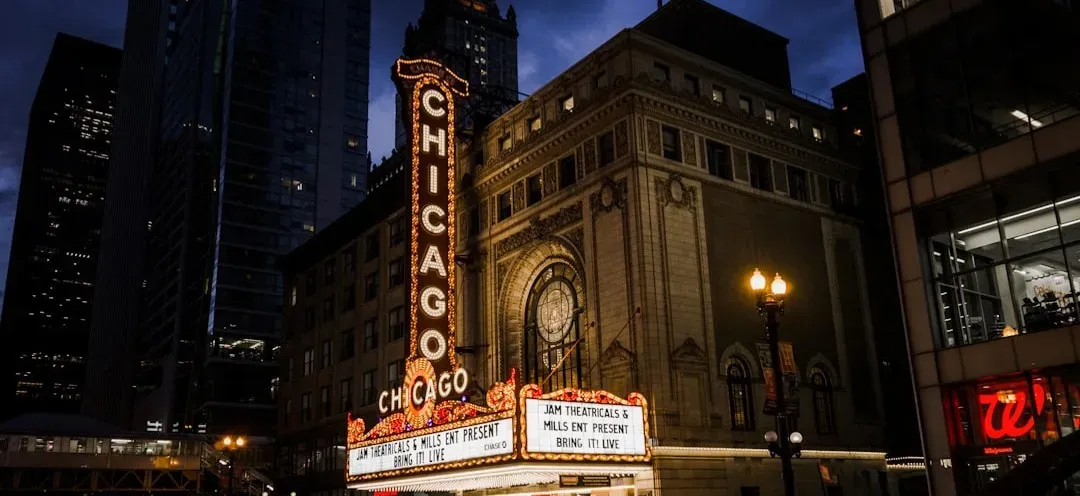
Chicago brought the movie musical roaring back to relevance when it won Best Picture for 2002, the first musical to take the top prize since Oliver! in 1968. Rob Marshall’s adaptation of the Kander and Ebb stage show leaned into flashy editing and fantasy sequences to dodge the awkwardness of characters bursting into song mid-scene. Catherine Zeta-Jones, Renée Zellweger, and Richard Gere all threw themselves into the material with visible enthusiasm.
The film is genuinely entertaining, sharp with its satire of fame and celebrity justice, and it deserves credit for reviving a dead genre. Still, against the field it beat that year, including The Pianist and Gangs of New York, Chicago feels more like a fun crowd-pleaser than a landmark work. It earns its spot here as a solid, stylish winner rather than a transcendent one.
7. Argo (2012)
Argo dramatized the real 1980 rescue of six American diplomats from Tehran using a fake Hollywood film production as cover, and Ben Affleck directed it with real precision. The film won Best Picture for 2012 despite Affleck himself missing a Best Director nomination, a snub that became one of that year’s biggest awards storylines. Tension built through editing rather than action set pieces, and the final airport sequence remains a masterclass in nerve-wracking pacing.
Critics have since noted the film took liberties with the actual events, particularly around the role of Canadian diplomats, which drew some pushback after release. Even so, Argo holds up as tight, confident filmmaking that never overstays its welcome. It’s a strong Best Picture winner, just not one that ranks among the absolute best of the category’s history.
6. The Shape of Water (2017)

Guillermo del Toro’s fantasy romance won Best Picture for 2017, marking a rare moment when a genre film with monster movie roots took home the Academy’s top honor. Sally Hawkins played a mute cleaning woman who falls for a captive amphibious creature in a Cold War era research facility, and del Toro’s visual craftsmanship carried the film’s more fantastical elements. The production design alone earned enormous praise, turning a modest budget into something that looked lush and otherworldly.
What sets this film apart from other winners on this list is how personal it feels, clearly the product of a filmmaker chasing a singular vision rather than chasing consensus. Some critics found the plotting slight, and the film has drawn comparisons to earlier stories with similar premises. Still, its win helped signal that the Academy was willing to reward strange, heartfelt storytelling over safer prestige dramas.
5. Spotlight (2015)

Spotlight followed the Boston Globe’s investigative team as they uncovered systemic child abuse cover-ups within the Catholic Church, and it won Best Picture for 2015 in a famously understated ceremony moment. Tom McCarthy directed with a deliberate lack of flash, letting the reporting process itself carry the tension rather than manufactured drama. Michael Keaton, Mark Ruffalo, and Rachel McAdams anchored an ensemble that never reached for a single showy moment.
The film’s restraint is exactly what makes it effective; it treats journalism as patient, grinding work rather than a thriller. Critics have consistently praised its accuracy and its refusal to sensationalize deeply painful subject matter. Spotlight remains one of the more quietly powerful Best Picture winners of the past decade, gaining respect rather than losing it with time.
4. No Country for Old Men (2007)
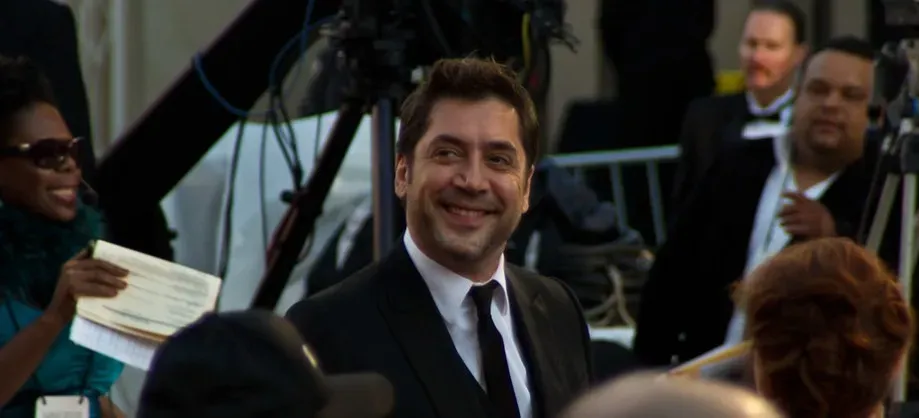
The Coen brothers adapted Cormac McCarthy’s novel into a bleak, tense chase film that won Best Picture for 2007, and Javier Bardem’s performance as the hitman Anton Chigurh became instantly iconic. The film strips away conventional resolution, denying audiences the closure most crime thrillers promise. Roger Deakins’s cinematography turned the Texas landscape into something vast and indifferent, matching the story’s fatalistic tone.
What makes this winner stand out is its confidence in ambiguity, trusting viewers to sit with discomfort rather than tying everything into a neat bow. It beat There Will Be Blood that year, another towering film, making 2007 one of the stronger overall fields in Oscar history. No Country for Old Men has only grown in reputation since its release, now regularly cited among the finest films of its decade.
3. Parasite (2019)

Bong Joon-ho’s Parasite made history at the 2020 ceremony as the first non-English language film to win Best Picture, a moment that felt genuinely seismic for the Academy. The film’s genre-shifting structure, moving from dark comedy to thriller to tragedy within a single story about class division, impressed critics and audiences alike across the globe. It also won Best Director, Best Original Screenplay, and Best International Feature Film the same night, an unprecedented sweep for the category.
The film’s success reflected a broader shift in how international cinema was being embraced by American audiences and the industry itself. Parasite’s craftsmanship, from its meticulous production design to its razor-sharp script, has held up remarkably well in the years since. It stands as a genuine turning point for the Oscars, proof that the ceiling for foreign language films had finally been broken.
2. Casablanca (1943)
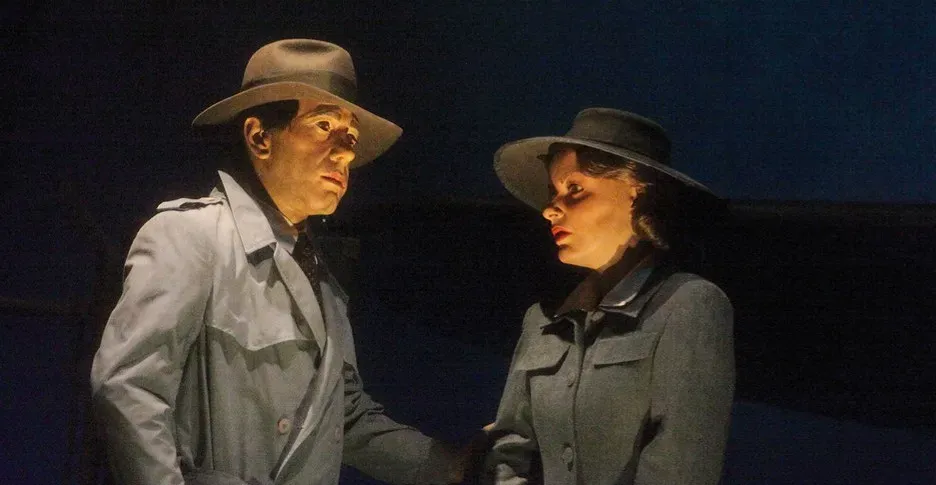
Casablanca won Best Picture for 1943 and has since become one of the most quoted, most referenced films in American cinema history. Humphrey Bogart and Ingrid Bergman starred in a wartime romance set in Vichy-controlled Morocco, a story built on sacrifice, longing, and moral compromise under the shadow of Nazi occupation. Its production was famously chaotic, with the script reportedly still being revised during filming, yet the finished film feels effortless.
Decades later, Casablanca remains a touchstone for how romance and political stakes can be woven together without either side feeling diminished. Its dialogue has entered the cultural vocabulary in a way few films ever manage. Few Best Picture winners have aged as gracefully or remained as widely beloved across generations of viewers.
1. The Godfather (1972)
Francis Ford Coppola’s The Godfather won Best Picture for 1972 and is routinely ranked among the greatest American films ever made, not just among Oscar winners. Marlon Brando’s performance as Vito Corleone, alongside Al Pacino’s transformation from reluctant son to ruthless successor, gave the crime genre a operatic weight it had never carried before. The film balanced intimate family drama with sprawling criminal enterprise, making violence feel both shocking and inevitable.
Its influence runs through decades of filmmaking that followed, shaping how directors approach organized crime, family loyalty, and moral corruption on screen. The sequel, released in 1974, also won Best Picture, making this one of the rare franchises to claim the award twice. The Godfather earns the top spot here because it remains, even now, the film most people point to when asked what a perfect Best Picture winner looks like.
Ranking Best Picture winners is always a little subjective, shaped by personal taste and how a film has aged since its win. Still, some patterns hold steady: originality, restraint, and craftsmanship tend to age far better than films that simply felt safe at the time. The list above reflects both the highs and the lower points of a century of Oscar history, and it’s a reminder that the “best” label doesn’t always guarantee lasting greatness.