Writers spend years inside their own sentences, so it’s a little surprising to learn which books they keep going back to. The answers are rarely what you’d guess. Some choose a Victorian classic, some a slim novella they read as teenagers, and a few pick the book that more or less built their career.
The ten below come from interviews, essays, prefaces, and lectures, so each pick can be traced to something the author said or did. A few are plain declarations of love, while others show up through repeated rereading, translation, or teaching.
Emma by Jane Austen, Chosen by J.K. Rowling
J.K. Rowling has said many times that Jane Austen is her favorite author. She has singled out Emma, Austen’s 1815 comedy about a matchmaking young woman who misreads nearly everyone around her.
Rowling has also tied the book to her own craft. Austen plants clues in plain sight and then springs a surprise, and Rowling has described admiring that technique. It’s easy to see the same habit in the Harry Potter mysteries, where small details early on pay off books later.
The Great Gatsby by F. Scott Fitzgerald, Chosen by Haruki Murakami

Haruki Murakami has called The Great Gatsby one of the most important books in his life. He put his admiration into practice by translating it into Japanese, and that version was published in 2006.
He has said he read the novel again and again over the decades. For a writer known for dreamlike, jazz-tinged prose, the choice makes sense. Gatsby is short, musical, and haunted by longing.
David Copperfield by Charles Dickens, Chosen by Charles Dickens
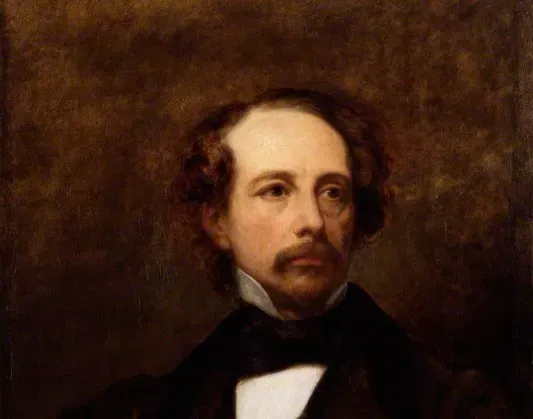
Dickens didn’t leave us guessing about his own favorite. In a later preface to David Copperfield, he said he loved one of his novels the way a parent might quietly love one child most, and that child was David Copperfield.
The book appeared in 1850 and draws on Dickens’s own life, including his childhood work in a blacking factory. That autobiographical thread likely explains the bond. It was the most personal story he ever turned into fiction.
The Divine Comedy by Dante Alighieri, Chosen by Jorge Luis Borges
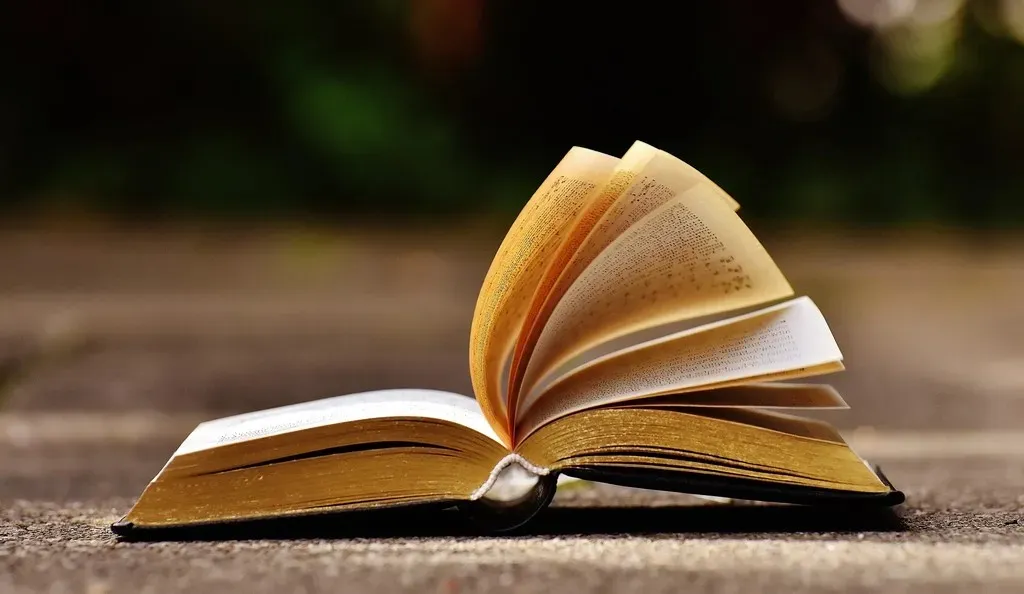
Jorge Luis Borges returned to Dante throughout his life, and he made no secret of the reason. He considered the Divine Comedy the best book literature has produced.
He spoke about it in lectures later collected in Seven Nights, which was published in 1980. By then he was blind, so he leaned on memory, and he could recite long passages of the poem. For Borges, reading Dante was a lifelong habit.
Gulliver’s Travels by Jonathan Swift, Chosen by George Orwell
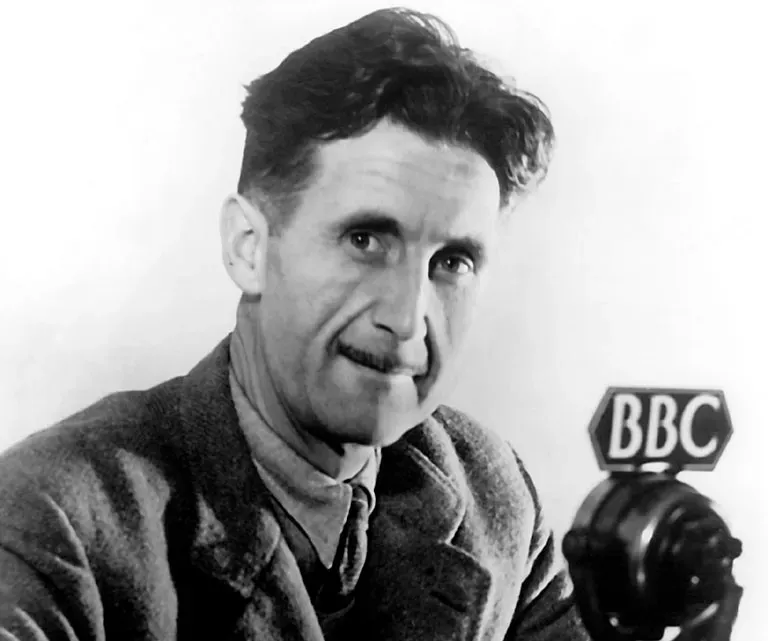
George Orwell wrote about Gulliver’s Travels in his 1946 essay on politics and literature. He admitted that he disagreed with much of Swift’s outlook, yet he said the book was one he could hardly go six months without rereading.
Partner offer
Swift’s 1726 satire gave Orwell a model for turning political anger into a story. You can feel that influence in Animal Farm, where a simple fable carries a sharp argument. Orwell clearly valued the book for how it was built, even when he didn’t share Swift’s views.
Adventures of Huckleberry Finn by Mark Twain, Chosen by Ernest Hemingway
In his 1935 book Green Hills of Africa, Hemingway wrote that all modern American literature comes from Huckleberry Finn. It’s one of the most quoted pieces of praise one American novelist has given another.
He added a caveat, though. He felt the book loses its strength near the end, once Jim is captured, and he advised readers to stop there. So the favorite came with a critic’s honesty attached.
The Metamorphosis by Franz Kafka, Chosen by Gabriel García Márquez
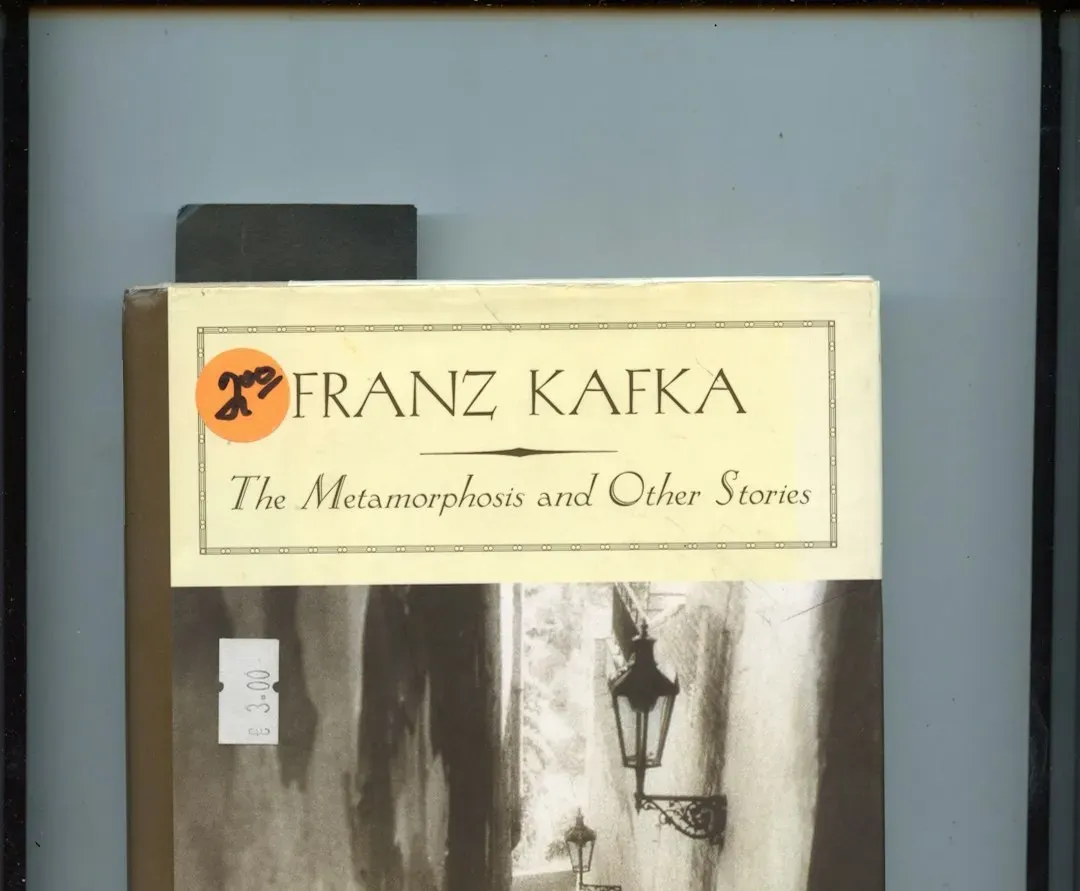
Gabriel García Márquez has often recalled reading Kafka’s The Metamorphosis as a young man in Colombia. A friend lent him the story, and it showed him that fiction could treat the impossible in a flat, matter of fact voice.
That discovery shaped his own style. The tone of magical realism in One Hundred Years of Solitude, where extraordinary events are narrated as ordinary, owes a visible debt to Kafka’s tale of a man who wakes up as an insect.
Ulysses by James Joyce, Chosen by Vladimir Nabokov
Vladimir Nabokov taught Ulysses to university students, and he spoke of it as the greatest masterpiece of twentieth century prose. In interviews he grouped it with Kafka’s The Metamorphosis, Andrei Bely’s Petersburg, and the first volume of Proust’s In Search of Lost Time.
His lecture notes on the novel were published after his death in Lectures on Literature. They show how closely he read it, tracking small details of the Dublin day that Joyce built so carefully. Nabokov wasn’t a casual admirer, he was a very attentive one.
Paradise Lost by John Milton, Chosen by Philip Pullman
Philip Pullman has spoken often about his love for Milton’s epic poem, first published in 1667. He borrowed the title of his trilogy, His Dark Materials, from a phrase in Paradise Lost.
The trilogy reworks Milton’s themes of rebellion, temptation, and a fall from innocence, though Pullman takes them in a very different direction. He has also edited and introduced an edition of the poem for Oxford University Press. It’s a clear case of a favorite book turning into the raw material for a new one.
Moby-Dick by Herman Melville, Associated with Cormac McCarthy
Cormac McCarthy rarely gave interviews, but in a rare 1992 conversation with The New York Times he named Melville among the few writers he valued, alongside Faulkner and Dostoevsky. Moby-Dick is the Melville book most readers connect to him, and critics regularly point to its echoes in his work.
Blood Meridian, published in 1985, is the clearest example. Its biblical cadences, its violence, and its philosophical villain Judge Holden recall Captain Ahab’s world. McCarthy didn’t often explain his tastes, so this pick rests on that single interview and on what the prose itself shows.
Partner offer
Planning a trip to Vegas?
Compare hotel rates and show tickets on VEGAS.com.