History has never been a clean, settled record. It shifts as new evidence surfaces, as voices once excluded begin to be heard, and as older assumptions get questioned by the people who inherited them. Some of those shifts are gradual, the result of decades of scholarly debate. Others trace back to a single, startling error that set the record wrong for generations.
Three identity mistakes stand out not just for being wrong, but for shaping classrooms, textbooks, and how entire generations understood themselves and others. Each one carries a lesson about what happens when a confident misidentification gets treated as fact before anyone looks closely enough to question it.
1. Columbus Called Them “Indians” – and the Word Outlasted the Error

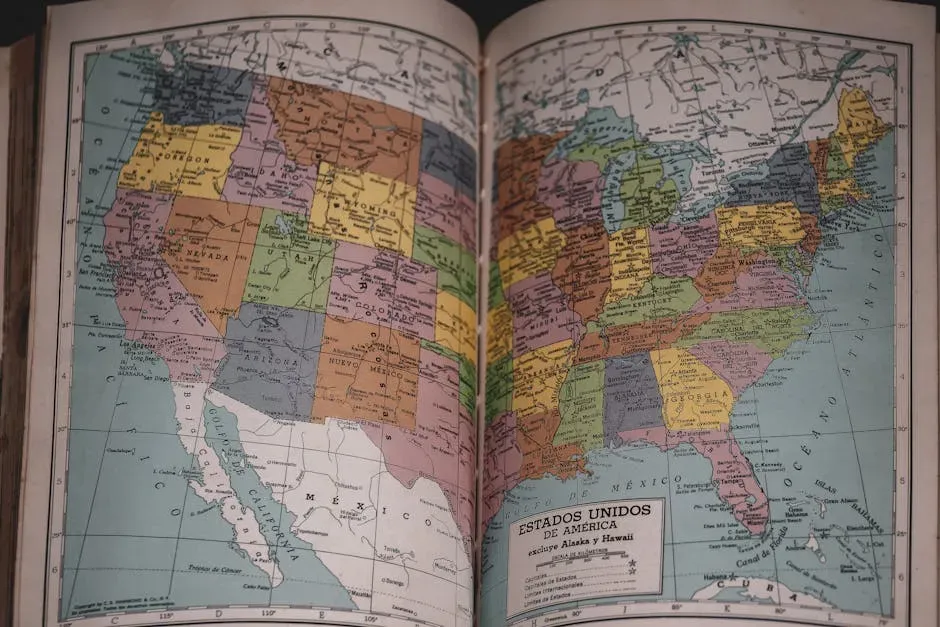
Upon finding the native Lucayans on the small Caribbean island where he made landfall, Columbus dubbed them “Indians,” under the mistaken impression that he had navigated all the way to the eastern shores of Asia. The label stuck almost immediately, and the reasons it did reveal how badly European geographic understanding had lagged behind European ambition. Columbus thought the distance from the Canary Islands to Japan was about 4,440 km, when in fact it’s about 19,000 km. That staggering miscalculation was not a random blunder. The information available to Europeans on the size of the Earth came from ancient Greek sources, and Columbus’s calculations led him to believe that the world was smaller than it actually was.
The extent to which Columbus was aware that the Americas were a wholly separate landmass is uncertain; he never clearly renounced his belief he had reached the Far East. This persistent refusal to accept reality meant the misnomer lived on long after explorers and mapmakers had corrected the geography. Explorers and cartographers quickly figured out that Columbus was utterly mistaken, and yet even now his monumental error lives on in the word “Indian” to refer to indigenous peoples throughout the Americas. That is what happens when an identity label gets institutionalized before anyone with the power to correct it bothers to do so. Today, terms like “Native Americans” or “Indigenous People” are used to refer to the original inhabitants of the Americas, which is considered far more accurate and respectful. The shift in language inside classrooms took centuries, and educators still debate how fully the correction has been made.
2. Magellan “Circumnavigated the Globe” – Except He Didn’t Finish


When studying the Age of Exploration in history, most people come across the name of Ferdinand Magellan, who is credited with being the first person to circumnavigate the globe. Circumnavigation means to “travel around the full length of something.” People are shocked to learn that Magellan actually died around three quarters of the way through his journey; therefore, Magellan was not actually the first person to sail around the world. This is one of those facts that tends to stop students cold when they finally hear it. It was a Spanish captain called Juan Sebastián Elcano, who actually worked for Magellan, who really achieved this feat.
Only about 40 men and one ship, the Victoria, completed the circumnavigation, and Magellan himself died in battle in the Philippines in April 1521. Elcano brought the Victoria home to Spain in September 1522, completing a journey that Magellan had launched but could not finish. Juan Sebastián Elcano’s contributions, while monumental, are sometimes overshadowed by Magellan’s leadership during the expedition’s initial stages. Magellan developed a reputation as a visionary and leader who initiated the expedition and secured the necessary funding from the Spanish crown. Moreover, Magellan’s death in the Philippines during the expedition added a tragic and heroic note to his legacy, an element that often resonated deeply with both contemporaries and later historians. Historical narratives often emphasize the beginnings of great endeavors rather than their completion. This is not a minor footnote. Enrique, an enslaved man Magellan had purchased before the journey, could understand and speak the indigenous people’s language when the expedition reached the Philippines. It turned out he was likely raised there before his enslavement, making him, not Magellan, the first person to circumnavigate the globe. The identity of who truly “first” sailed around the world is far more complicated than most textbooks have historically acknowledged, and slowly, geography and history curricula are beginning to reflect that.
3. Slavery Was Misidentified in Textbooks – Taught as Labor, Not as Atrocity

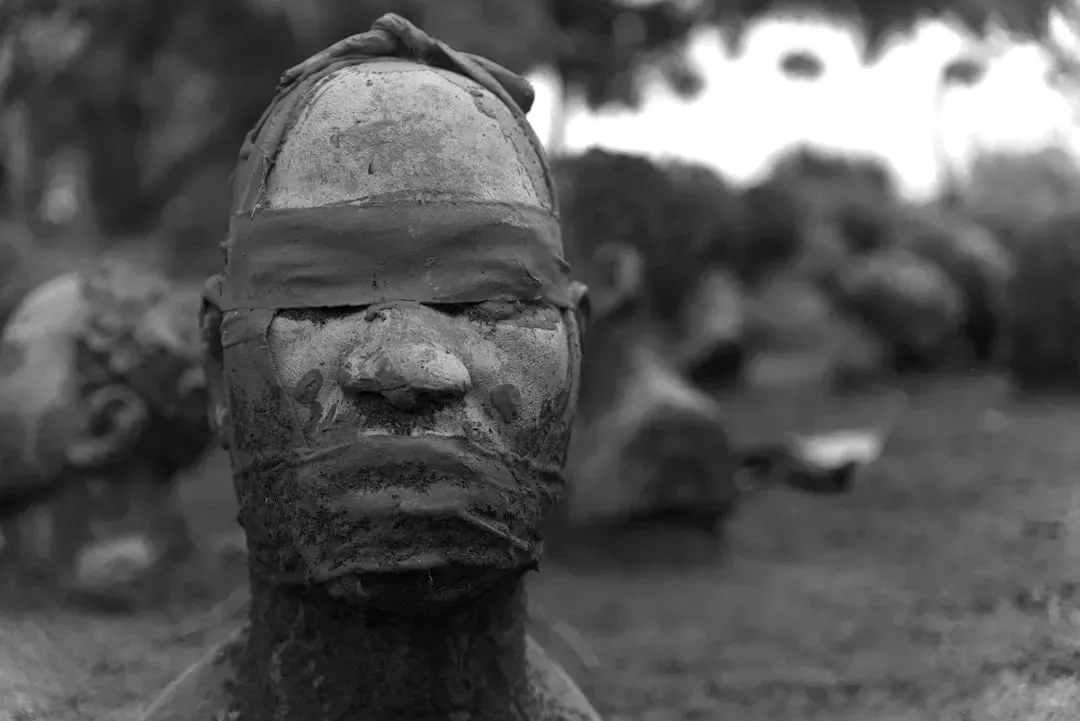
Throughout the 20th century, textbooks often glossed over slavery, treating it not as central to the American story but as an unfortunate blemish washed away by the blood of the Civil War. Students rarely learned that slavery had for a time been prevalent in the North or that the economy of the North was long reliant on the South’s slave-labor production. This wasn’t just an incomplete picture. In some cases, it was an outright misidentification of the institution itself. A caption in a widely used textbook read: “The Atlantic Slave Trade between the 1500s and 1800s brought millions of workers from Africa to the southern United States to work on agricultural plantations.” The word “workers” rather than “enslaved people” is not a careless synonym. It reframes an identity, erasing the coercion, violence, and dehumanization that defined the experience.
Of all the histories written, none used the evidence left by first-hand accounts, or testimonials, of those who were actually enslaved. When John Blassingame published The Slave Community in 1972 as one of the first academic studies of American slavery to use slave testimonies as evidence, the historical discourse around this subject was radically and irrevocably changed. That shift, from external description to the words of those who actually lived the experience, forced educators to reckon with how profoundly the identity of enslaved people had been erased from the record. Neo-Confederates campaigned for a narrative called the Lost Cause, a myth described as “a psychological response to the trauma of defeat.” Two of the main components of the myth were that the South’s secession from the Union had little or nothing to do with the institution of slavery, and that enslaved people benefited from slavery due to benevolent slave owners. These claims shaped classroom materials for decades. A survey of nearly 1,800 K-12 social studies teachers found that while nearly 90 percent agreed that “teaching and learning about slavery is essential to understanding American history,” many reported feeling uncomfortable teaching slavery and said they get very little help from their textbooks or state standards. The gap between what educators know should be taught and what the materials actually support remains one of the most consequential unresolved tensions in history education today.
Each of these three errors shares a common thread: someone in a position of authority assigned an identity, and that assignment was repeated in classrooms long after the mistake became clear. The word “Indian,” the name “Magellan,” the label “worker” – none were innocent slips. They shaped how students understood people, places, and events that still matter. Correcting the record doesn’t erase history. It makes the history more honest, and ultimately, more useful to the people who have to live with its consequences.