Long before streaming libraries and prestige dramas, American living rooms filled up with horses, saloons and dusty main streets. In the late 1950s, Westerns took up a huge share of the prime time schedule, and a handful of them became cultural fixtures.
This list sticks to ten shows that defined the genre on the small screen. Each one left a different mark, whether through longevity, tone, or sheer star power.
Gunsmoke
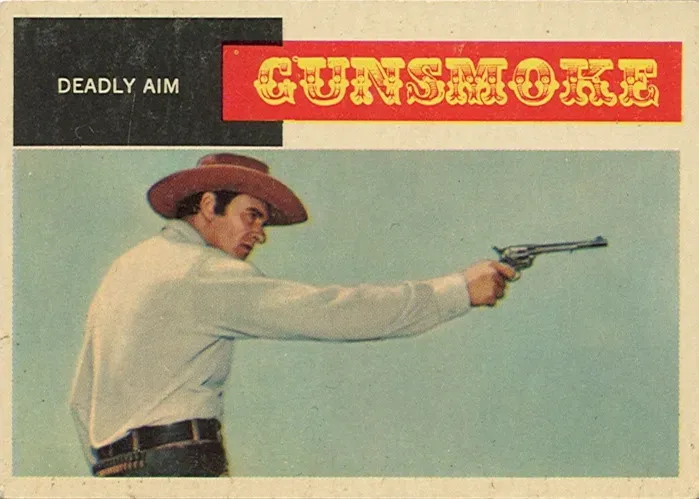
Gunsmoke started on CBS in 1955 and became the standard by which other Westerns were measured. It ran for twenty seasons, ending in 1975, which made it the longest running prime time live action series of its era. The show was set in Dodge City, Kansas, and followed Marshal Matt Dillon.
James Arness played Dillon for the entire run. Milburn Stone, Amanda Blake and Dennis Weaver rounded out the core cast. The series began as a radio drama, and that heritage shows in its tight, character driven stories.
Bonanza
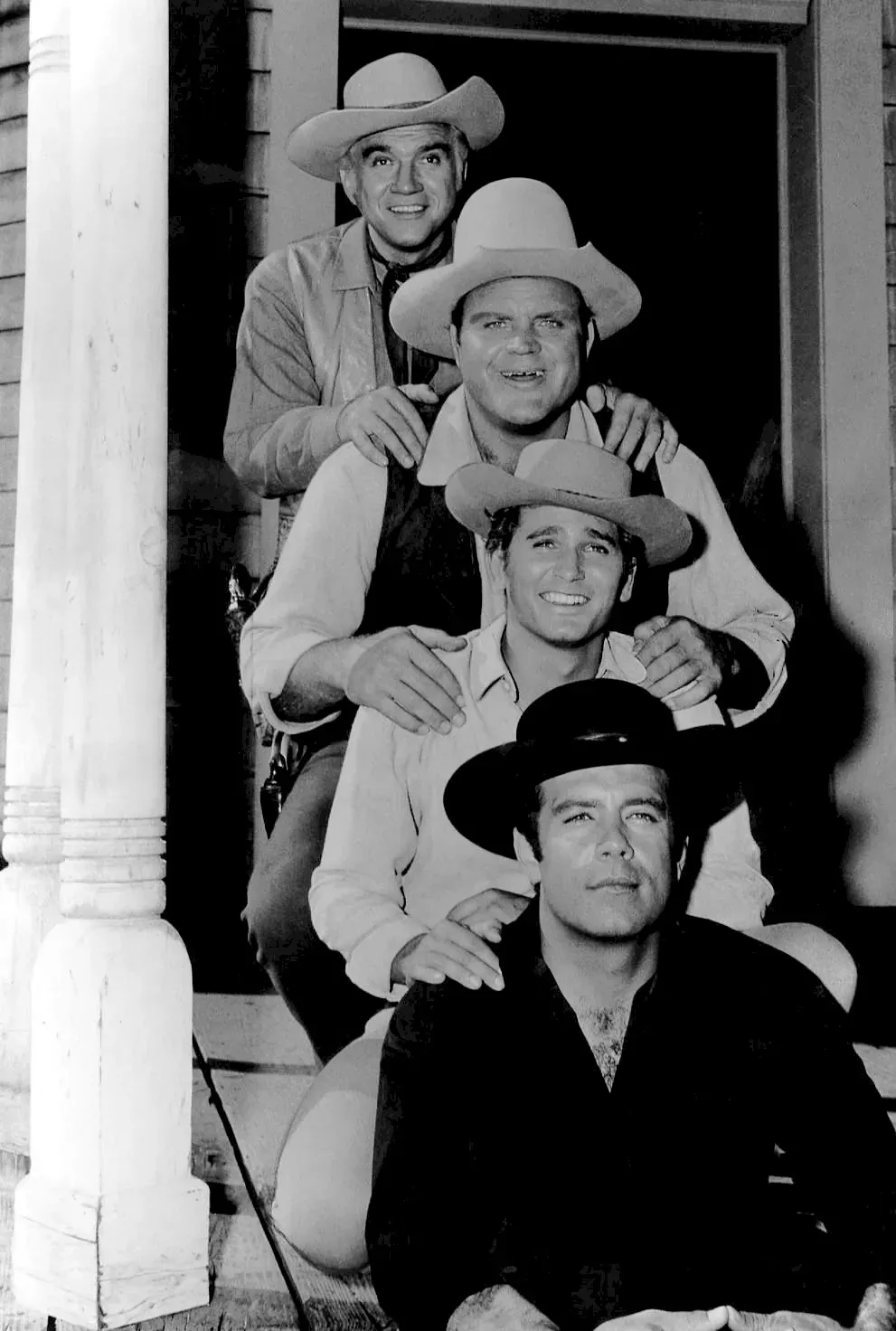
Bonanza premiered on NBC in 1959 and ran until 1973. It followed the Cartwright family on the Ponderosa ranch near Virginia City, Nevada. Lorne Greene played patriarch Ben Cartwright, with Pernell Roberts, Dan Blocker and Michael Landon as his sons.
It was among the first Westerns broadcast in color, which suited its sweeping landscapes. Rather than a lone lawman, it centered on family loyalty, and that gave it a warmer feel than many rivals.
Rawhide
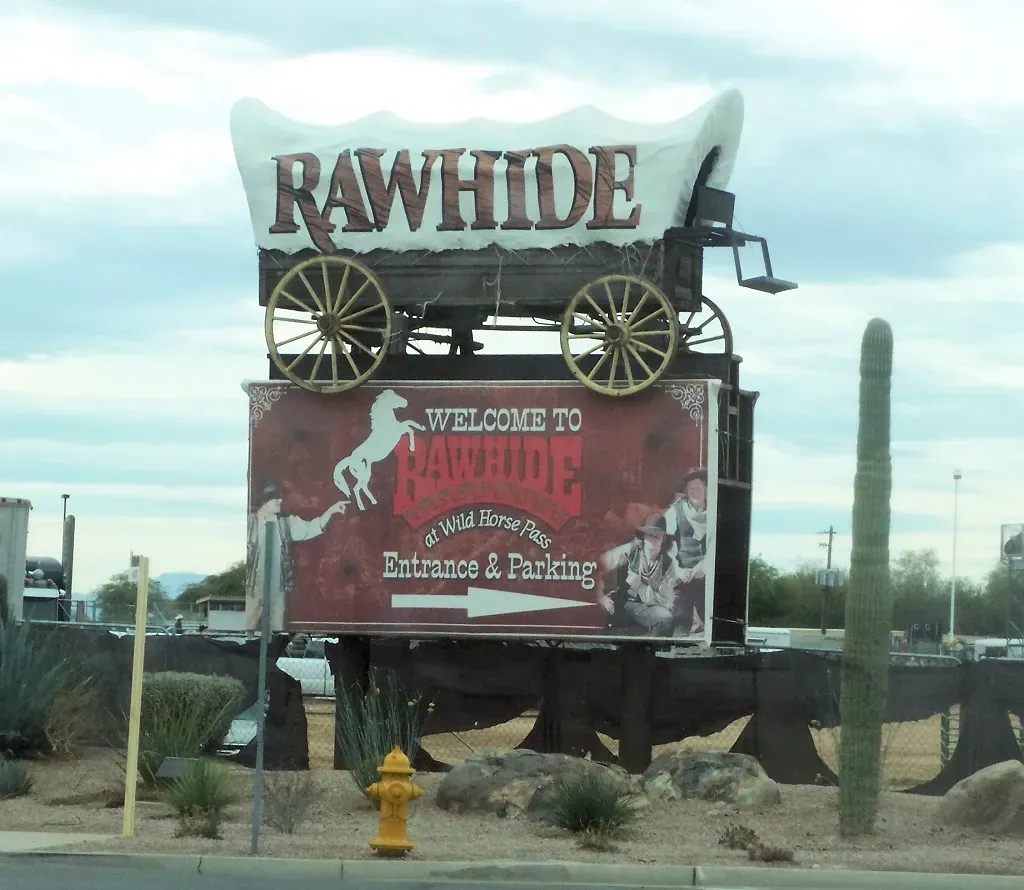
Rawhide ran on CBS from 1959 to 1965 and followed a cattle drive from Texas to Missouri. Eric Fleming played trail boss Gil Favor, while a young Clint Eastwood played ramrod Rowdy Yates. Eastwood’s later film career gives the show extra curiosity value today.
The weekly journey format meant new towns and new trouble in nearly every episode. Its theme song became widely recognized, and it remains one of the most familiar pieces of television music from the period.
The Virginian
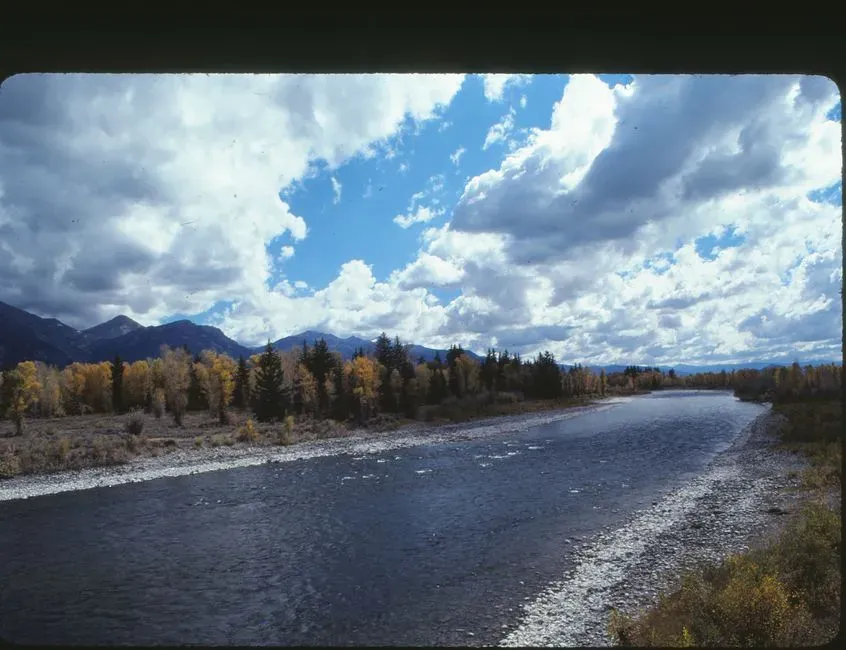
The Virginian debuted on NBC in 1962 and ran nine seasons. It was TV’s first ninety minute Western, which gave stories more room to breathe. The setting was the Shiloh Ranch in Wyoming, and the title character was never given a name.
James Drury played the Virginian, and Doug McClure and Lee J. Cobb were among the regular cast. Its longer format let it feel closer to a small movie each week.
Wagon Train
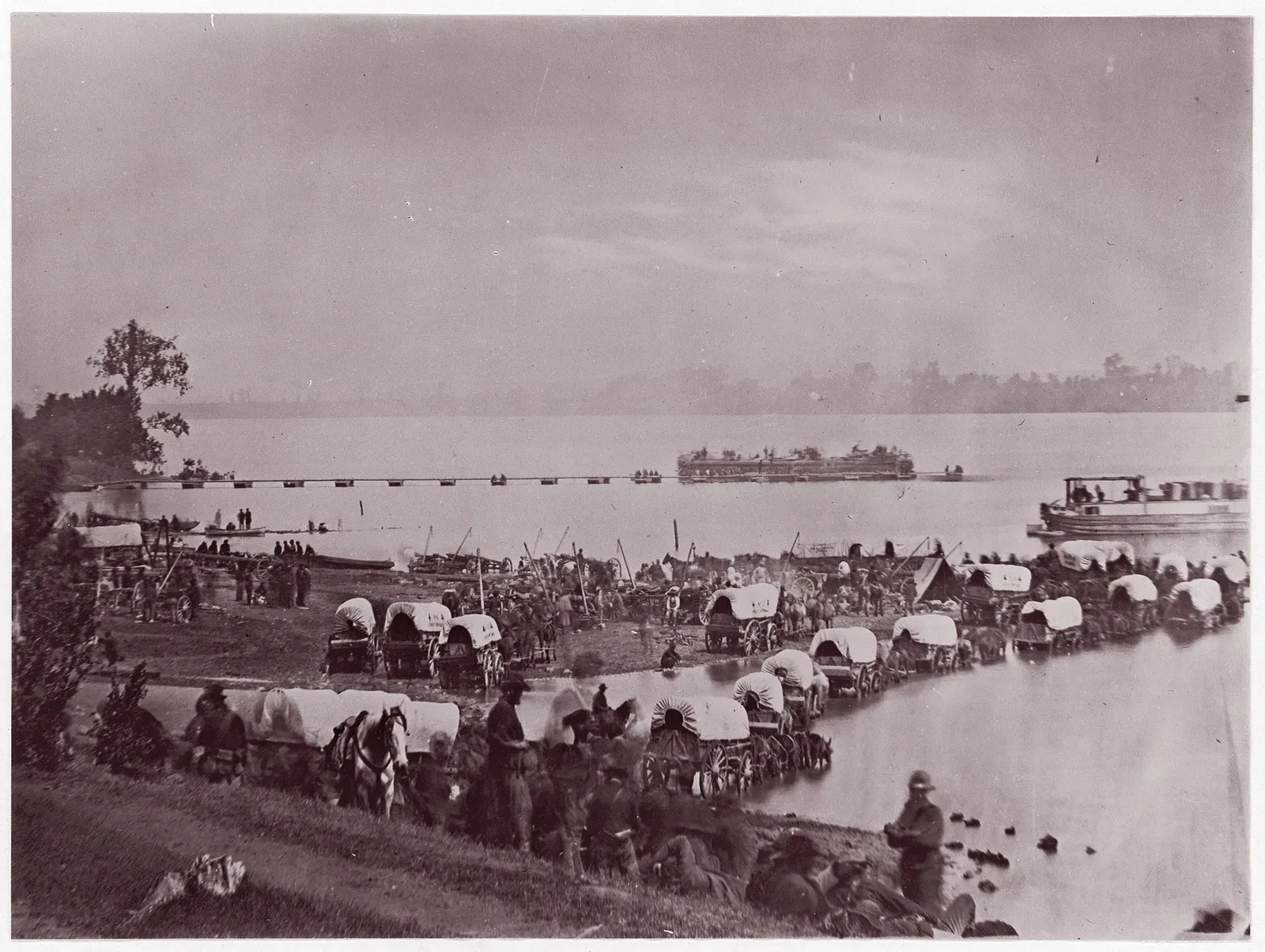
Wagon Train began on NBC in 1957 before moving to ABC, and it ran until 1965. The premise followed a wagon train heading west from Missouri to California. Ward Bond led the cast as wagon master Seth Adams until his death in 1960, after which John McIntire took over.
Partner offer
Its structure worked like an anthology, with guest stars carrying many episodes. That approach drew big names of the day and kept the show flexible for years.
Have Gun, Will Travel
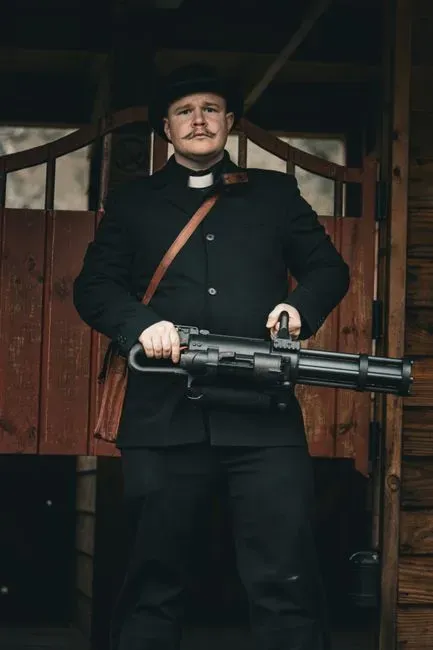
Have Gun, Will Travel aired on CBS from 1957 to 1963. Richard Boone starred as Paladin, a refined gunfighter for hire who lived in a San Francisco hotel. He carried a business card with a chess knight on it, a detail fans still remember.
Unlike many heroes of the era, Paladin quoted poetry and read classic literature. The show often leaned toward moral puzzles instead of simple shootouts.
The Rifleman
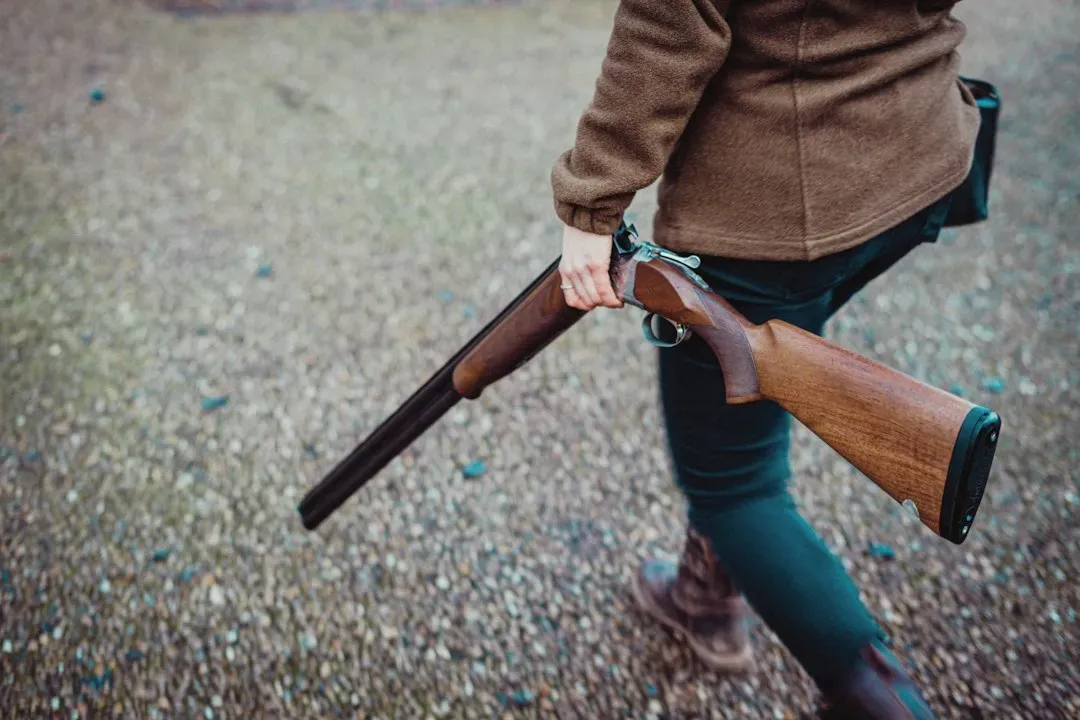
The Rifleman ran on ABC from 1958 to 1963. Chuck Connors played Lucas McCain, a widowed rancher raising his son Mark, played by Johnny Crawford, in New Mexico. McCain’s modified Winchester rifle was the show’s signature image.
What set it apart was the father and son relationship at its center. Episodes often focused on lessons about honor and responsibility, not just action.
Maverick
Maverick premiered on ABC in 1957 and played against type. James Garner starred as Bret Maverick, a gambler who preferred a clever escape to a fight. Jack Kelly joined as his brother Bart, and the two often alternated episodes.
The series mixed comedy into the genre, and its humor made it stand out. Garner’s easy charm helped launch his long career, and the show ran until 1962.
The Lone Ranger
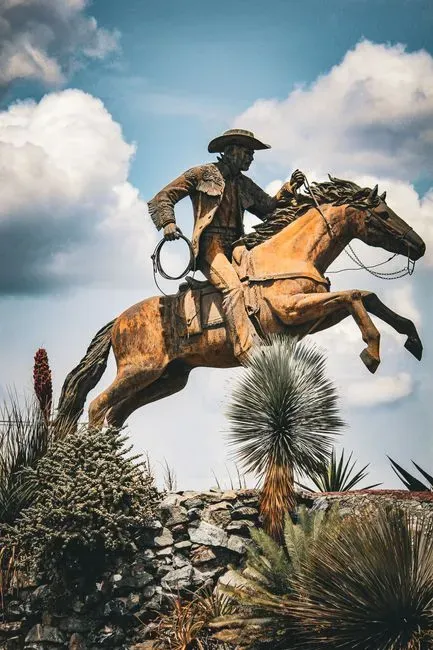
The Lone Ranger reached ABC in 1949, making it one of the earliest TV Westerns. Clayton Moore played the masked lawman, with Jay Silverheels as his companion Tonto. The character had already been a hit on radio in the 1930s.
The show ran until 1957 and shaped the image of the heroic cowboy for a generation of children. Its William Tell Overture theme is still tied to the character in popular memory.
The Big Valley
The Big Valley ran on ABC from 1965 to 1969, set on a California ranch in the 1870s. Barbara Stanwyck starred as Victoria Barkley, the strong willed matriarch of a wealthy family. Richard Long, Peter Breck, Lee Majors and Linda Evans played her children.
It gave a woman command of the central household at a time when few Westerns did. Stanwyck won an Emmy for her work on the series, which underlined how seriously the role was taken.
Partner offer
Planning a trip to Vegas?
Compare hotel rates and show tickets on VEGAS.com.