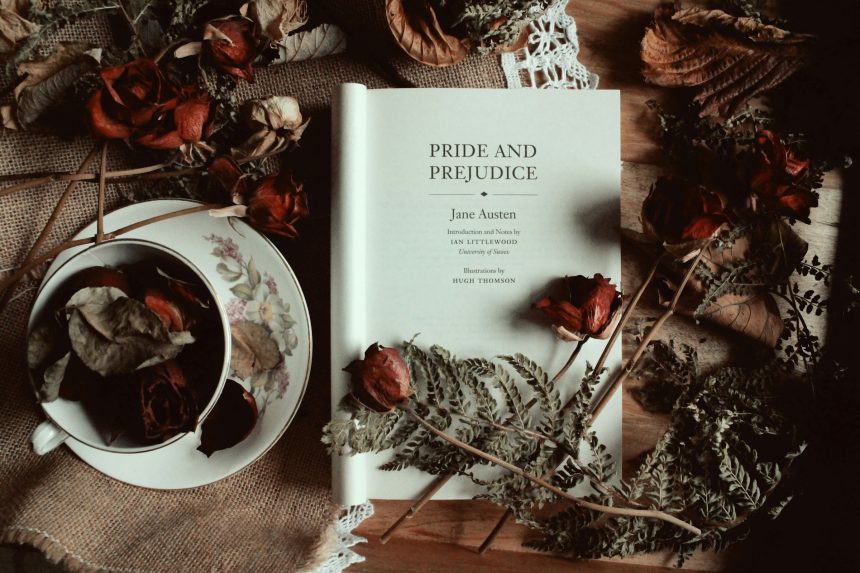
Jane Austen finished six novels, and almost everyone has a favorite line from at least one of them. Her sentences travel well. They show up on tote bags, in wedding toasts, and in the middle of group chats.
Still, knowing a line and knowing where it lives are two different skills. Below are eight famous moments, described in plain words rather than quoted, so you can guess the novel before each answer. The year 2025 marked 250 years since her birth in 1775, and her books are as widely read now as ever.
1. The Truth About Single Men and Fortunes
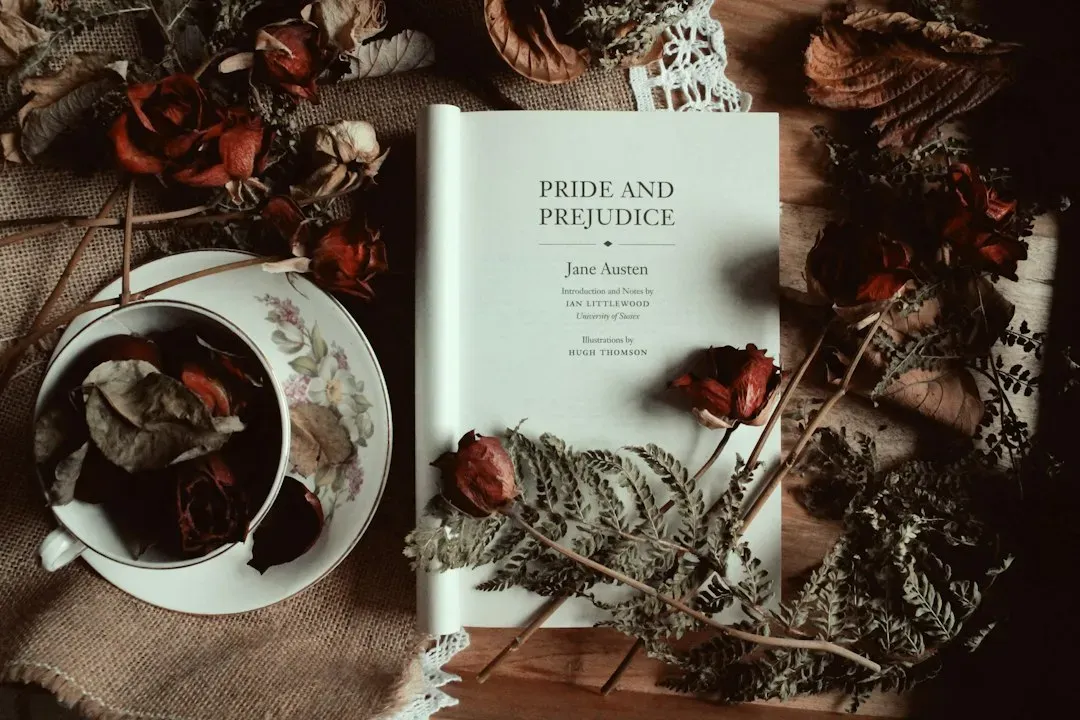
Picture a novel that opens by announcing, with perfect confidence, that a single man with a large fortune must be looking for a wife. The narrator says it as if it were a law of nature. Of course, the joke is that it describes the neighbors’ hopes far better than the man’s own.
This is Pride and Prejudice, published in 1813. It’s one of the most recognized openings in English fiction. The irony sets up the whole story, in which the Bennet family’s marriage worries drive the plot.
2. A Proposal Nobody Wanted to Hear
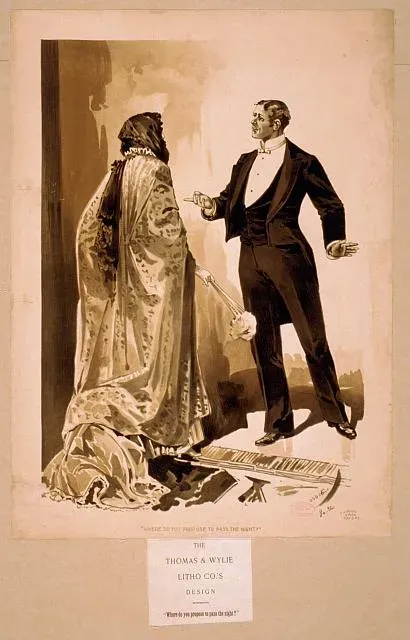
Now imagine a man declaring that his feelings have overpowered him and that he loves a woman despite her family and her position. He expects gratitude. What he gets is a firm refusal.
That’s Mr. Darcy’s first proposal to Elizabeth Bennet, and it’s another Pride and Prejudice moment. Austen uses the scene to show how pride can sour even sincere affection. Elizabeth’s rejection is the turning point that forces both characters to rethink what they believed about each other.
3. A Heroine Who Won’t Marry

Here a confident young woman explains that she has no need to marry. She has money, a comfortable home, and plenty of authority in her small village. Why would she give that up?
The speaker is Emma Woodhouse, in Emma, published in 1815. Austen reportedly described her as a heroine few readers besides herself would like. Emma’s certainty is the setup, and the novel spends its length gently dismantling it.
4. The Rebuke After Box Hill
In this scene, a respected friend tells a clever woman that she was cruel. She had mocked a talkative, poorer neighbor in front of everyone at a picnic. The woman is mortified, and she cries all the way home.
It’s Mr. Knightley scolding Emma, so this is Emma again. The scene is often cited as the emotional center of the book. Emma’s growth begins here, because the criticism comes from someone whose opinion she values.
Partner offer
5. A Letter Written in Agony and Hope
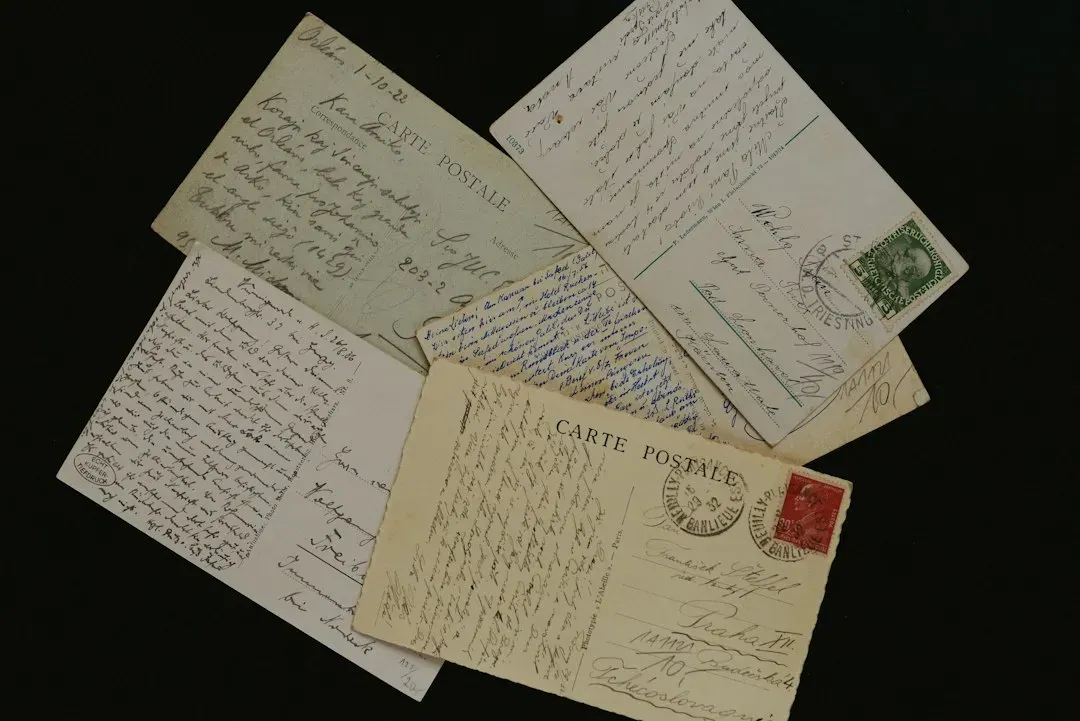
A naval officer scribbles a note while pretending to talk about something else in the room. He tells the woman he once lost that he can no longer stay silent. He says he’s torn between pain and hope, and that he has loved no one else.
This is Captain Wentworth’s letter to Anne Elliot in Persuasion. The book appeared in December 1817, after Austen’s death that July, though the title page carried the date 1818. Many readers treat the letter as the most romantic passage she ever wrote.
6. In Defense of the Novel
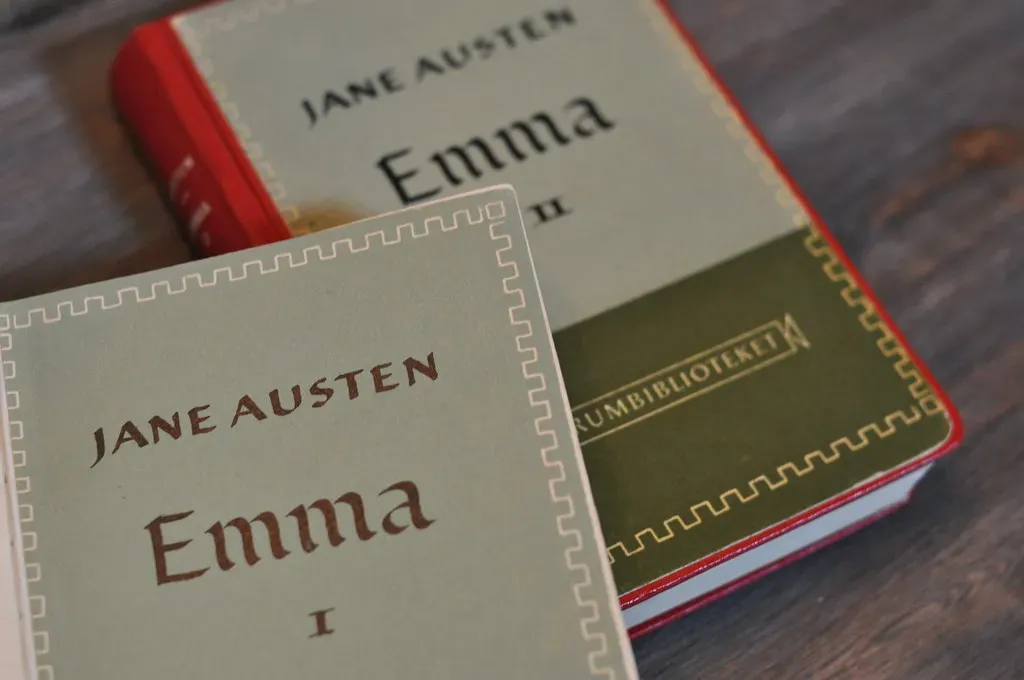
A witty young clergyman remarks that anyone who doesn’t enjoy a good novel must be remarkably dull. He says it lightly, though Austen clearly means it. The heroine beside him has read too many Gothic tales and is prone to imagining sinister secrets.
That’s Henry Tilney in Northanger Abbey, which was published together with Persuasion after Austen died. It was one of her earliest drafts, and it playfully mocks the fashionable horror fiction of her day. Underneath the parody sits a sincere defense of reading fiction.
7. Elinor on Esteem and Restraint
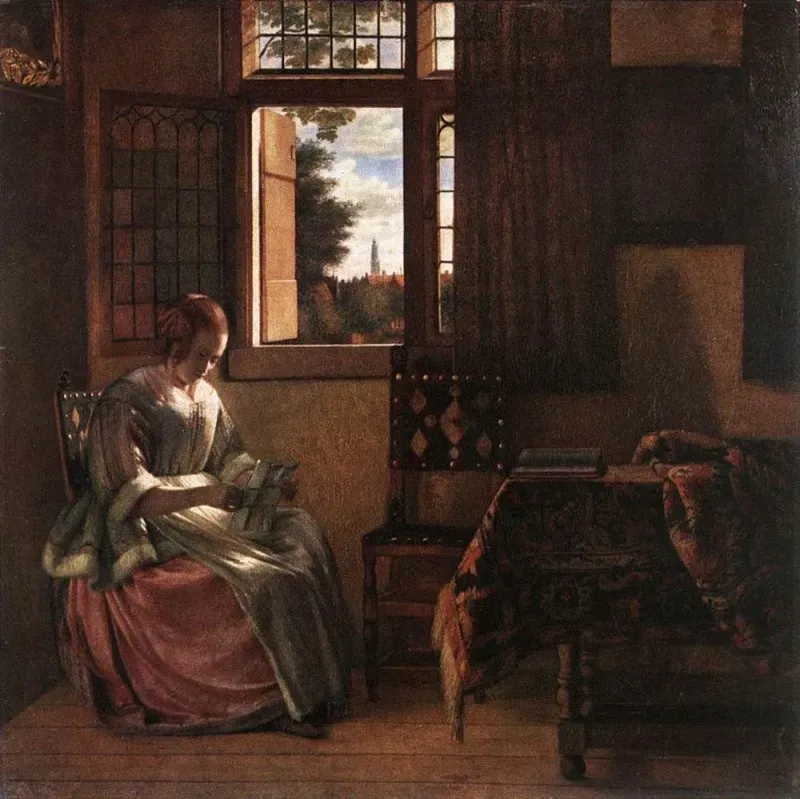
In this scene, a sensible sister is pressed to admit how she feels about a quiet man. She won’t gush. She says only that she thinks very highly of him, and that she values and respects him.
The speaker is Elinor Dashwood in Sense and Sensibility, Austen’s first published novel, which appeared in 1811. Her careful understatement contrasts with her sister Marianne’s open emotion. The book’s whole structure rests on that pairing.
8. A Narrator Who Looks Away From Misery
Finally, imagine a narrator who announces that other writers can linger over guilt and unhappiness. She herself wants to wrap up the troubles quickly and return to a calmer ending. It’s a rare moment where Austen steps forward and talks directly to the reader.
The novel is Mansfield Park, published in 1814. Its heroine, Fanny Price, is quieter than most Austen leads, and the book is often considered her most morally serious. The narrator’s brisk handling of the final scandals tells you how she wants the story to be remembered.
Your Answer Key
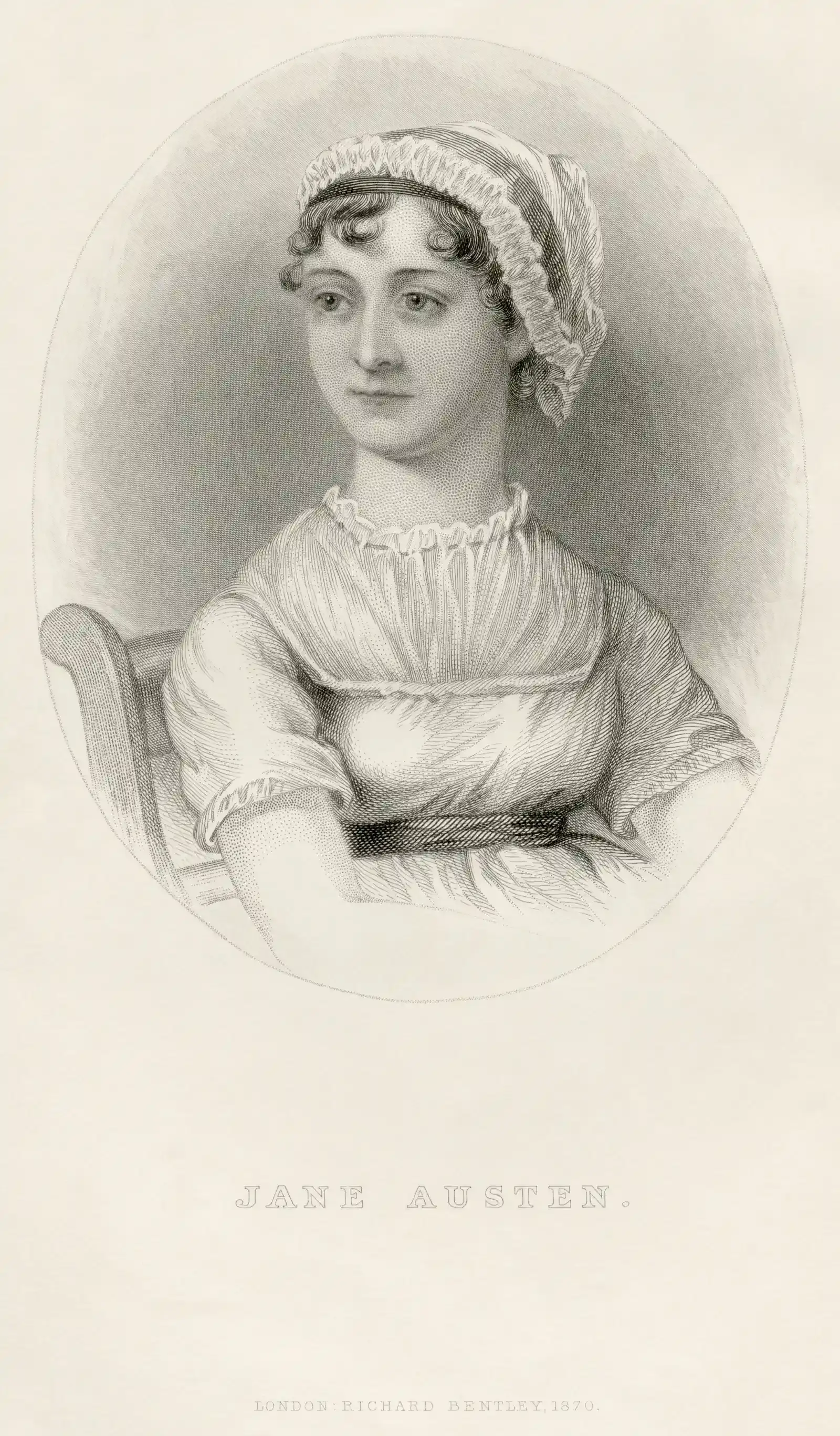
![Your Answer Key (Immediate image source: British Library, digital (?) record number c4190-04, shelf mark 10855.e.8. British Library Images Online (search for "Jane Austen")
Original source: from the frontispiece of James Edward Austen-Leigh, Memoir of Jane Austen, London 1870. James Edward Austen-Leigh lived 1798 - 1874.[1]
Online source:http://ocw.nd.edu/political-science/political-science/mary-wollstonecraft-and-mary-shelley/JaneAustenpic.jpg
Kirkham, Margaret. "Portraits". Jane Austen in Context. Ed. Janet Todd. Cambridge: Cambridge University Press, 2005. ISBN 0-521-82644-6., Public domain)](https://nvmwebsites-budwg5g9avh3epea.z03.azurefd.net/lasvegasnews/2be94961895fa2cd659536ed9c8f53a2.webp)
The eight answers are Pride and Prejudice twice, Emma twice, then Persuasion, Northanger Abbey, Sense and Sensibility, and Mansfield Park. That covers all six of her finished novels.
By publication, the order runs Sense and Sensibility in 1811, Pride and Prejudice in 1813, Mansfield Park in 1814, Emma in 1815, and Northanger Abbey and Persuasion together in late 1817.
Partner offer
Planning a trip to Vegas?
Compare hotel rates and show tickets on VEGAS.com.