Most moviegoers know within the first twenty minutes whether a film is going to pay off. Critics, however, tend to know much sooner than that. Over years of watching hundreds of films a year, they develop a kind of early-warning instinct, a pattern recognition built from thousands of hours in the dark.
The signals aren’t always obvious to a casual viewer, but they’re consistent enough that professional critics have learned to trust them. Some are technical, some are structural, and a few are almost invisible until you know what you’re looking for. Here are the ten red flags that experienced critics notice almost immediately.
1. The Opening Scene Dumps Information Instead of Creating Intrigue

Opening a film with an exposition dump is almost always a fatal sign. It signals that the screenwriters couldn’t find an organic way to deliver background information through story, so they front-loaded it all at once. The audience ends up receiving a lecture before they’ve had any reason to care.
If a film relies on blatant exposition, it’s a red flag for poor storytelling and a lack of subtlety. Good movies trust their audience to pick up on the details without having them explicitly spelled out in a forced conversation. Critics recognize this problem instantly, because strong films earn their backstory rather than explaining it away.
2. The Cinematography Feels Generic or Flat
Critical reviews frequently point to a trend of films that, despite massive budgets and cutting-edge visual effects, suffer from visually uninspired or even detrimental cinematography. This disconnect between technological capability and artistic execution suggests a systemic issue, perhaps rooted in shifting production priorities or a dilution of core filmmaking craft.
Critics scrutinize the technical aspects of filmmaking, including cinematography, editing, sound design, and visual effects, assessing the skill and artistry with which these elements are employed to enhance the storytelling and create a distinct visual and auditory experience. When those elements feel interchangeable with any other mid-budget production, it tells critics that no one with a real visual sensibility was steering the ship.
3. The Dialogue Sounds Like No One Has Ever Spoken to Another Human
Poor scripts plague many disasters, featuring dialogue that feels unnatural, plots that defy logic, or character development that never materializes. Critics catch this immediately because stilted dialogue breaks the spell of belief that every good film depends on. When characters talk at each other rather than to each other, the whole scene collapses.
Unconvincing performances can completely derail a film, regardless of how strong the other elements might be. Bad acting often stems from weak direction, poorly written dialogue, or simply a miscast actor. The trouble is that it’s often impossible to separate weak performance from weak writing in the first few minutes, but experienced critics can usually tell where the fault lies.
4. Characters Explaining Things They Would Already Know
When a film has one character spill out every plot detail to another character who should already be well aware of it, it’s a red flag for poor storytelling and a lack of subtlety. Critics call this “maid and butler” dialogue, where two characters essentially explain the world to each other for the audience’s benefit. It’s a structural shortcut that signals lazy screenwriting.
When characters narrate their own lives to people who should be familiar with the script, it is like the filmmakers are underestimating the audience’s intelligence and disrespecting the art of storytelling. That disrespect tends to carry through the entire film, not just the opening act.
5. The Pacing Is Already Off in the First Act
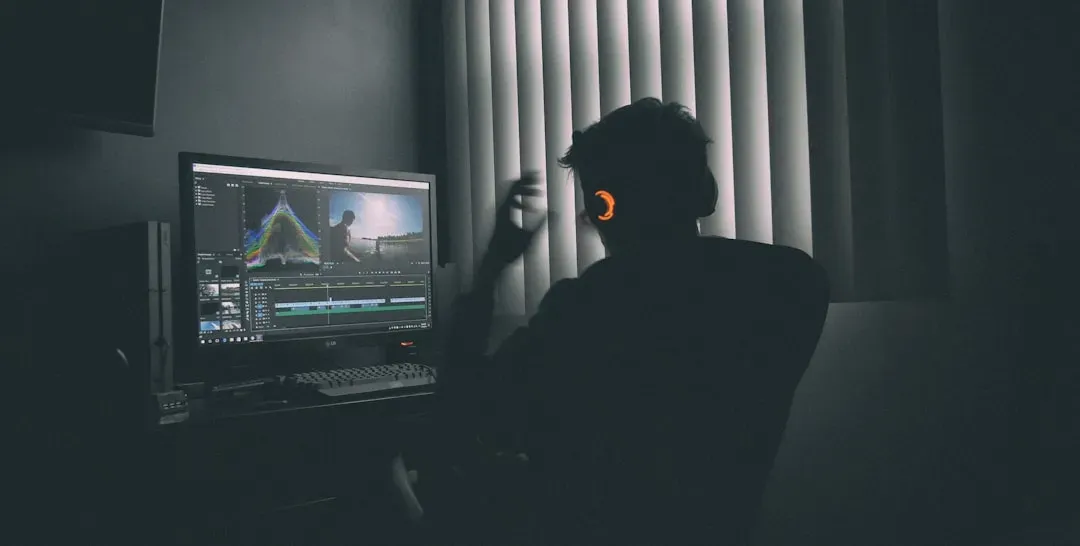
An unnecessary scene can slow down the act and therefore slow down the entire movie. Even the dialogue of one scene can ruin the flow of an entire film. Critics are trained to watch pacing the way a conductor listens for timing. When the rhythm feels wrong in the first reel, it rarely corrects itself later.
Partner offer
A well-paced movie should make you completely unaware of whether it’s moving too fast or slow. That invisibility is the goal. The moment a viewer starts noticing drag or confusion about where the story is going, the film has already made a structural error that competent editing should have caught.
6. The Acting Feels Disengaged or Mismatched
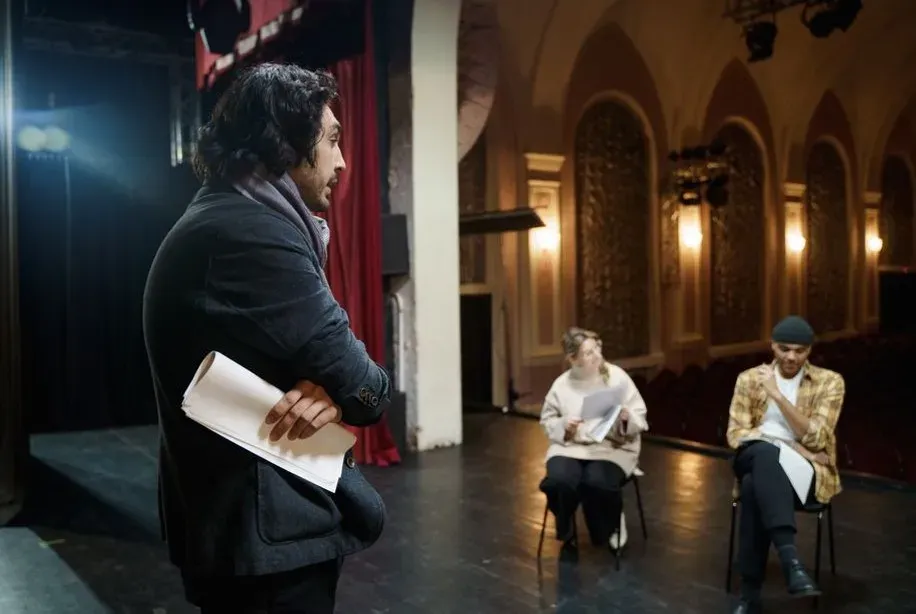
Characters need to show significant change or growth as the story unfolds, and performance quality shines through line delivery, emotional authenticity, and actor chemistry. When one or more performers seem like they’ve arrived on the wrong set, critics pick up on the tonal collision right away. A miscasting decision usually reflects a production process where something went wrong before cameras even rolled.
What should’ve been seen as a red flag can now be depicted as a glaring warning, since despite talented casts, actors can appear uninvested in a film as they deliver flat performances that perfectly match stiff direction. Disengagement is contagious on screen. When lead performers coast, supporting actors tend to follow.
7. Jarring Editing That Pulls You Out of the Scene
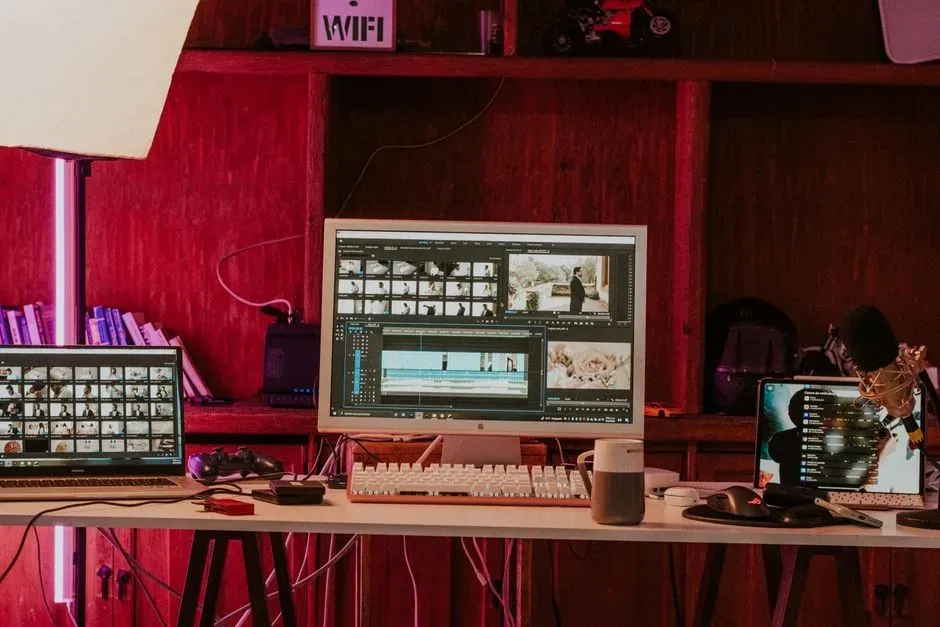
Shoddy cinematography, jarring editing, muddy sound, and an inappropriate musical score are all signs of a poorly made film. These technical failings can distract from the story and create a sense of amateurism. Editing is one of the least visible crafts in film when it’s done well, but one of the most glaring when it isn’t. A cut that arrives too early or too late pulls attention away from the story and toward the mechanics.
If your favorite films seem to drag out conflict or action even slightly longer than necessary, this may indicate a lack of editorial finesse. Critics who watch films professionally develop an almost physical sensitivity to this. The moment a scene overstays its welcome, it registers as a problem that will likely repeat itself throughout the runtime.
8. The Score Tells You How to Feel Instead of Deepening What You Already Feel
Critics look for the effectiveness of sound design and score integration as a core element in evaluating a film’s overall strength. Overbearing music is one of the most common signs of a production that doesn’t trust its own storytelling. When a score swells dramatically over a scene that hasn’t earned any emotion yet, critics treat it as a compensatory tool rather than a compositional one.
A heavy-handed score is essentially the filmmaker announcing anxiety about whether the audience is feeling the right thing. Strong films let the scene do its work and use music to deepen a feeling that’s already present. When those roles are reversed, the effect is closer to manipulation than art.
9. The Story Has No Clear Stakes or Direction

Films fail critically for numerous reasons, often involving fundamental breakdowns in storytelling, performance, or technical execution. One of the most reliable early signs of trouble is when the first act fails to establish what a character wants, what stands in the way, and why it matters. Without those anchors in place, audiences drift rather than engage.
Nothing pulls you out of a film faster than glaring plot holes or inconsistencies in character behavior. These are signs of sloppy writing or a lack of attention to detail. Critics become especially alert when a story starts contradicting its own internal logic early. It’s a reliable signal that the screenplay wasn’t developed or stress-tested enough before production began.
10. Studio Fingerprints Are Visible Everywhere
Studio interference frequently compounds problems, as executives attempt to salvage troubled productions through reshoots, re-edits, or misguided marketing campaigns. Critics who have seen enough films can often detect the seams where studio notes have been stitched into a movie. Tonal lurches, abrupt character changes, and scenes that feel like they belong to a different film are all common signs.
Sifting through inferior movies to find the very worst is an exercise of value, because every truly bad film carries a kind of lesson, a litany of cinematic sins to be avoided. The most damaging studio interference tends to sand down a film’s distinctive edges in pursuit of broader appeal. What’s left is something that critics describe as feeling like a by-the-numbers cash grab, competently assembled, but with no real reason to exist.
Partner offer
Planning a trip to Vegas?
Compare hotel rates and show tickets on VEGAS.com.