A band name has to do a lot of work. It sits on posters, album sleeves and streaming pages, and it usually gets chosen long before anyone knows whether the group will matter.
Plenty of musicians have borrowed theirs from somewhere else, whether a novel on the shelf, a cult movie or a spot on the map. Some of the stories behind those choices are neat. Others are stranger than you’d expect.
Steppenwolf

The Canadian American rock group took its name from Hermann Hesse’s 1927 novel Steppenwolf. The book follows a man torn between his civilized side and a wilder, more solitary one. The band formed in Los Angeles in the late 1960s around singer John Kay, who was born in Germany.
The name reportedly came from their producer, Gabriel Mekler, who had been reading Hesse. It stuck, and it suited a group with a heavy, restless sound. “Born to Be Wild” became their best known song, and its appearance in the 1969 film Easy Rider cemented its reputation.
Joy Division
This Manchester group got its name from a novel, though a grim one. House of Dolls, published under the pen name Ka-Tzetnik 135633, describes a Nazi concentration camp, where “Joy Division” was the name for groups of women forced into sexual slavery. The band had started out as Warsaw before switching names in 1978 to avoid confusion with another group.
The choice drew criticism then and has done so since. Even so, the band became hugely influential in a short time. Singer Ian Curtis died in 1980, and the surviving members went on to form New Order.
Steely Dan
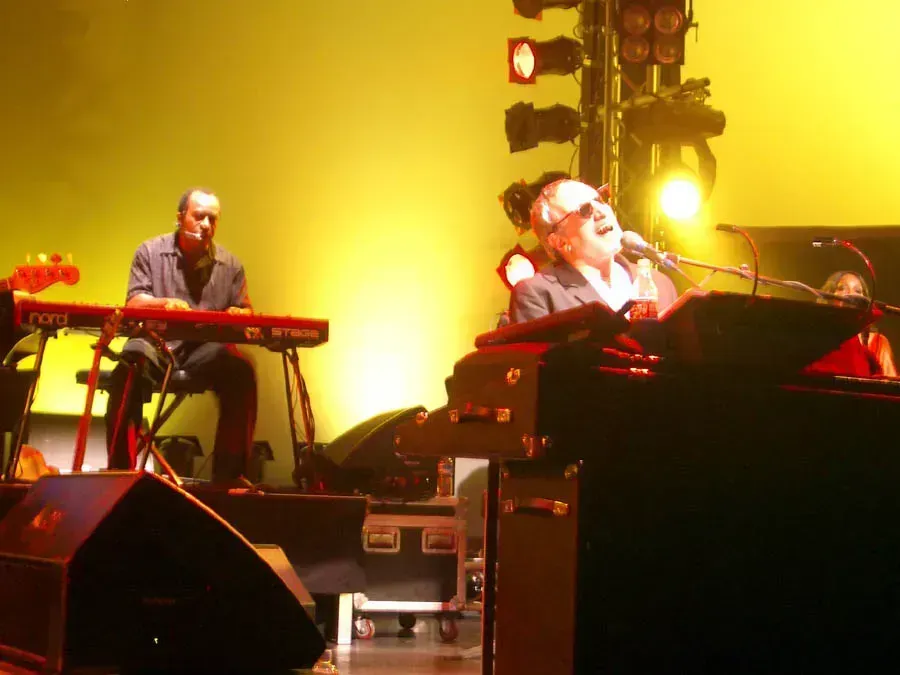
Walter Becker and Donald Fagen took their band’s name from William S. Burroughs’ novel Naked Lunch. In the book, Steely Dan is a steam powered sex toy, which makes it one of rock’s more irreverent borrowings. Fagen and Becker liked the odd, slightly absurd sound of it.
The name gave no hint of the music, which was polished and jazz inflected, with meticulous studio work. Their debut album, Can’t Buy a Thrill, arrived in 1972. Over time the band became known as much for sonic perfectionism as for that strange literary reference.
Heaven 17

Heaven 17 came out of Sheffield in 1980, formed by Martyn Ware and Ian Craig Marsh after they left The Human League. Their name came from Anthony Burgess’s novel A Clockwork Orange, in which a fictional pop group of that name is mentioned. It’s a small background detail in the book, which makes it a clever pick.
The group leaned into synthesizers and sharp, politically aware lyrics. Their 1983 hit “Temptation” remains the song most people connect with them. The band later formed a production company called British Electric Foundation, which had actually come first.
Duran Duran
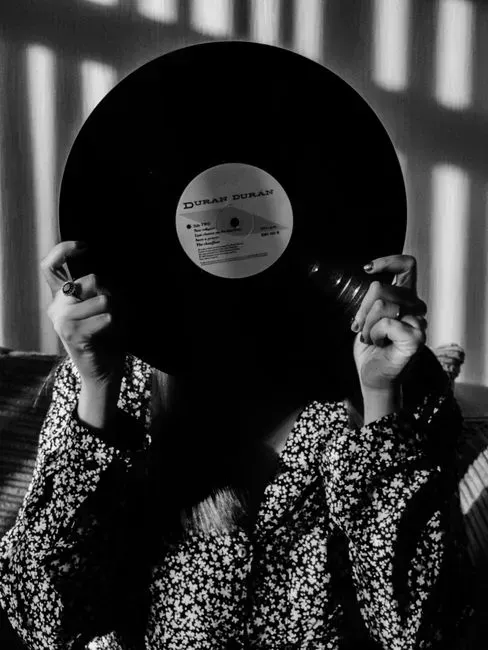
The Birmingham band’s name comes from Barbarella, the 1968 science fiction film starring Jane Fonda. In it, a villain called Dr. Durand Durand appears, and the group slightly altered the spelling. The band formed in 1978 around Nick Rhodes and John Taylor, and they had a connection to a Birmingham club also named after the film.
The name matched their glossy, futuristic image through the 1980s, when they became one of the defining acts of the music video era. They were inducted into the Rock and Roll Hall of Fame in 2022. Few band names so clearly trace back to a single movie character.
Chicago
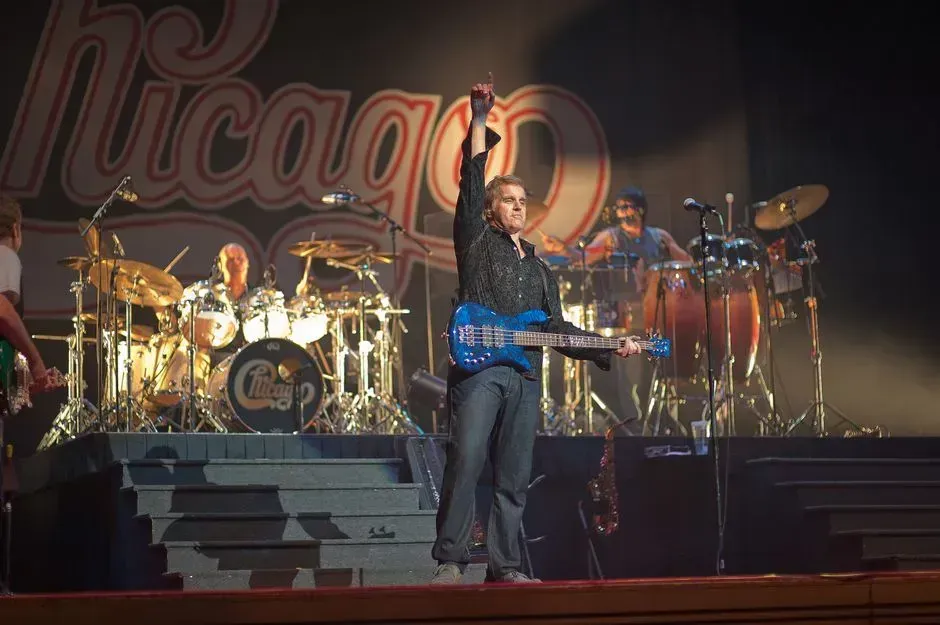
Chicago took its name from the city where it was formed in 1967, though the original name was longer. The group first called itself Chicago Transit Authority, after the city’s public transport system. When the real transit authority objected, the band shortened it to Chicago, starting with its second album.
That simple name became a long running brand. The band mixed rock with horn arrangements and had a string of hit singles across the 1970s and 1980s. Chicago was inducted into the Rock and Roll Hall of Fame in 2016.
Kansas

Kansas took its name from the U.S. state where its members came together, with its roots in the Topeka music scene of the early 1970s. The band merged players from several local groups before settling on the name and a progressive rock sound. It was a plain, regional label for music that was anything but plain.
Their biggest breakthrough came in the late 1970s. “Carry On Wayward Son” appeared in 1976, followed by “Dust in the Wind” in 1977, which remains one of their most recognized songs. The name tied them to the American Midwest even as their sound reached well beyond it.