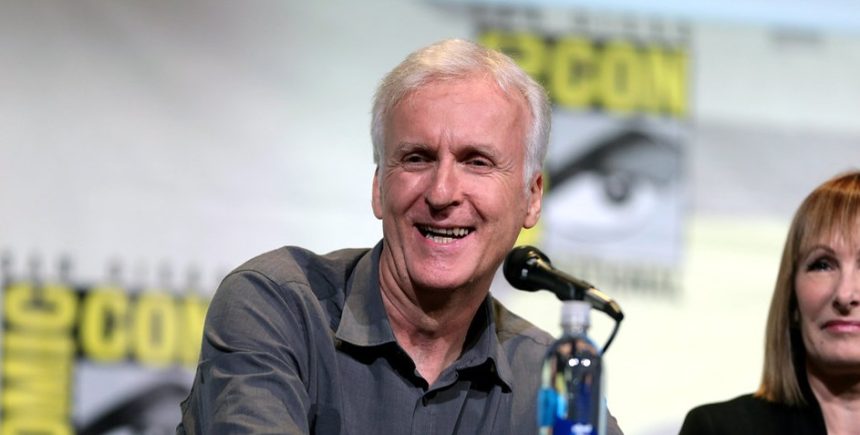
Hollywood likes to sell the idea that a finished film was always meant to look the way it does. In reality, plenty of iconic movies almost went a completely different direction, because the person originally cast in the lead role got pulled off the set before the cameras stopped rolling for good. Sometimes it was a matter of chemistry, sometimes timing, and sometimes personal trouble that had nothing to do with talent. What follows are ten well documented cases where a director made the difficult call to replace their leading actor while a production was already underway, reshaping the finished film in ways audiences rarely think about.
1. Robert Zemeckis recasts Marty McFly in Back to the Future
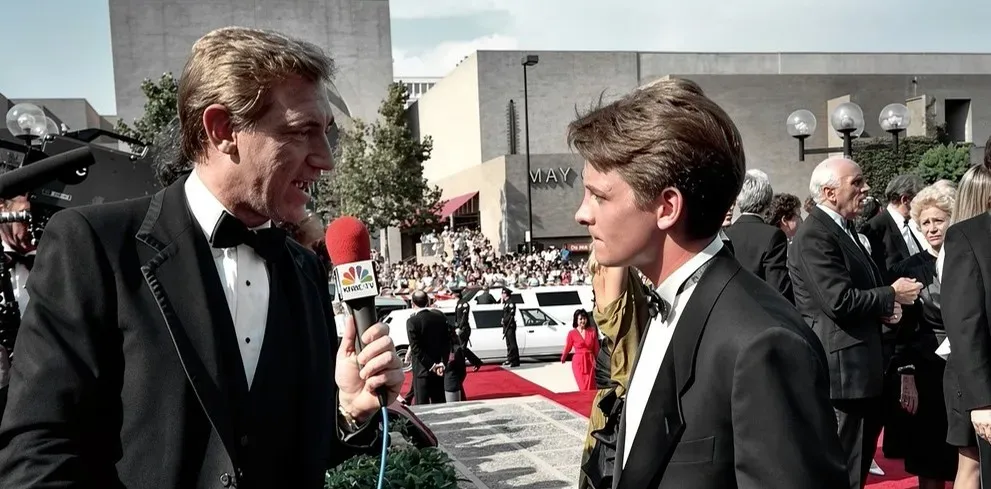
Eric Stoltz spent weeks filming the role of Marty McFly before anyone stepped in. Director Robert Zemeckis had originally wanted Michael J. Fox, but Fox was busy shooting Family Ties, so Stoltz got the part instead. The team behind Back to the Future wanted to cast Michael J. Fox in the lead role of Marty McFly, but couldn’t because he was tied up shooting Family Ties, so they went with Eric Stoltz instead, until Zemeckis and producer Steven Spielberg realized weeks into production that Stoltz wasn’t getting many laughs in rough cuts.
The fix required scrapping a significant chunk of footage and starting fresh with Fox, who juggled the film with his television schedule. The change rippled beyond the lead role too. Melora Hardin was also recast as Jennifer Parker because she was taller than the new male lead, with executives reportedly feeling it emasculated the character to have a taller girlfriend. It turned into one of the more famous recasting stories in movie history, precisely because the final film worked so well.
2. Francis Ford Coppola replaces his Apocalypse Now lead
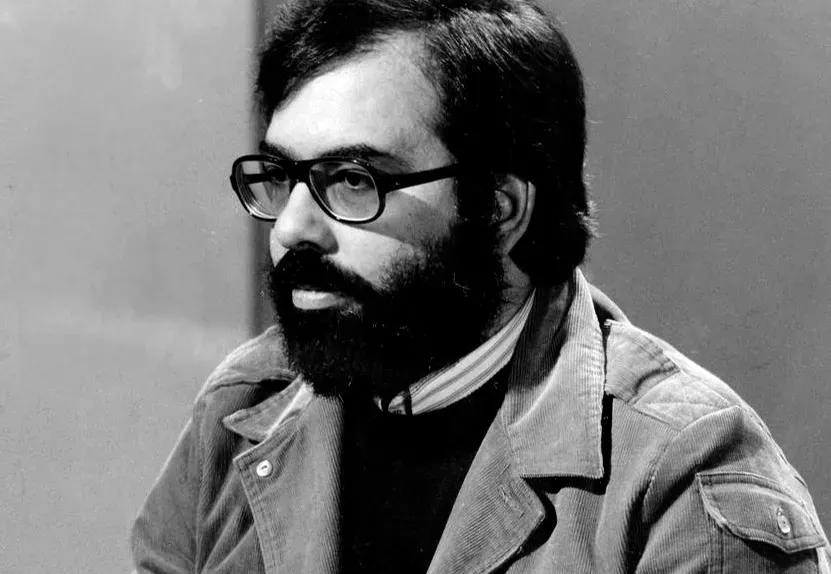
Harvey Keitel was cast as Captain Willard in Apocalypse Now and had already been shooting for a stretch when Francis Ford Coppola decided the performance was not what the film needed. Keitel spent weeks filming before Coppola concluded a different approach was needed, and Martin Sheen stepped into the lead role, with much of the footage having to be reshot. Considering how notoriously chaotic that shoot already was in the Philippine jungle, adding a full recast to the mix only heightened the sense of a production spiraling out of control.
Keitel has disputed some of the framing around his exit over the years. Coppola famously replaced him a week into filming, though Keitel has denied claims that he was fired because he didn’t want to stay in the jungle, noting he had spent three years in the Marine Corps in the jungle himself. Whatever the exact reason, Sheen’s performance became inseparable from the film’s legacy.
3. James Cameron swaps out his Aliens marine
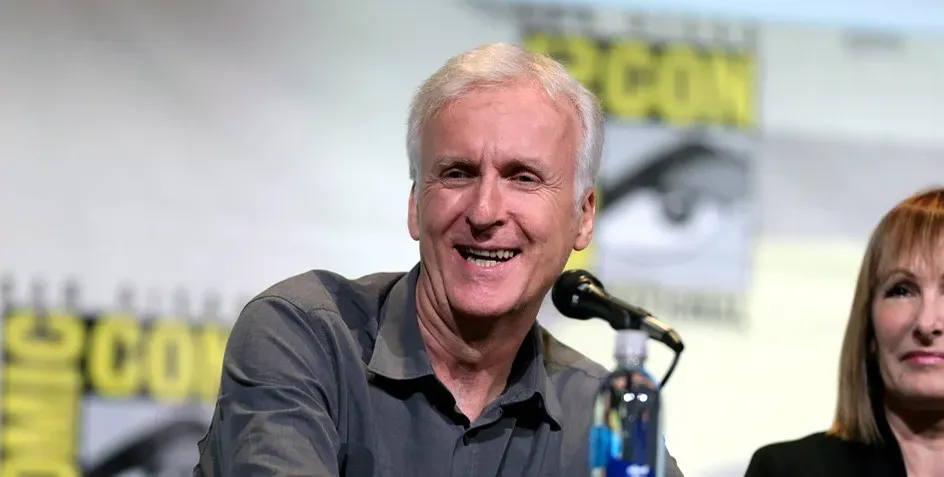
James Remar was cast as Corporal Hicks in James Cameron’s Aliens and had already begun filming when things fell apart. Remar was cast as Corporal Hicks in Aliens, and after filming had already started, he was replaced by Michael Biehn. For years the public story was vague, but Remar eventually gave a fuller account.
Remar later admitted he was initially cast as Corporal Hicks and was fired after a couple weeks of filming because he was arrested for drug possession, with Michael Biehn replacing him. He also acknowledged the fallout extended past the film itself, noting the firing damaged his relationship with the director for over a decade. Biehn’s version of Hicks went on to become one of the more beloved characters in the franchise, a role many fans can’t imagine anyone else playing.
4. Paul Thomas Anderson recasts a key rival role in There Will Be Blood

Kel O’Neill landed the plum role of Eli Sunday, the young preacher who squares off against Daniel Day-Lewis’s oil baron in There Will Be Blood. It looked like a career making break for a relatively unknown actor working opposite one of the industry’s most demanding performers. That did not last through the shoot.
O’Neill was the original actor hired to play Eli Sunday but had to be replaced about halfway through the film’s 60 day shoot, reportedly because he suffered from intimidation, presumably stemming from Day-Lewis’s method approach to acting. Paul Dano stepped into the role and delivered a performance widely considered one of the film’s standout elements, earning acclaim for a part that almost went to someone else entirely.
5. Peter Weir replaces his Truman Show director figure
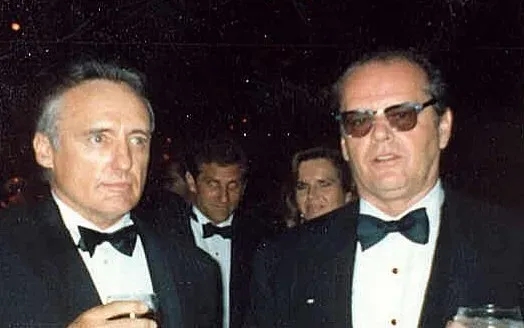
Dennis Hopper joined The Truman Show as Christof, the godlike television producer controlling the fictional world around Jim Carrey’s character. Hopper was riding high off his comeback role in Speed at the time, so the casting felt like a natural fit on paper. The reality on set told a different story almost immediately.
Hopper originally played Christof in The Truman Show but was quickly replaced by Ed Harris, after only a couple of days of filming when things weren’t working out. Hopper himself later described the experience bluntly, recalling that he was on set for roughly two days before the firing happened. Ed Harris ultimately earned an Academy Award nomination for the part.
6. Ridley Scott removes Kevin Spacey from All the Money in the World
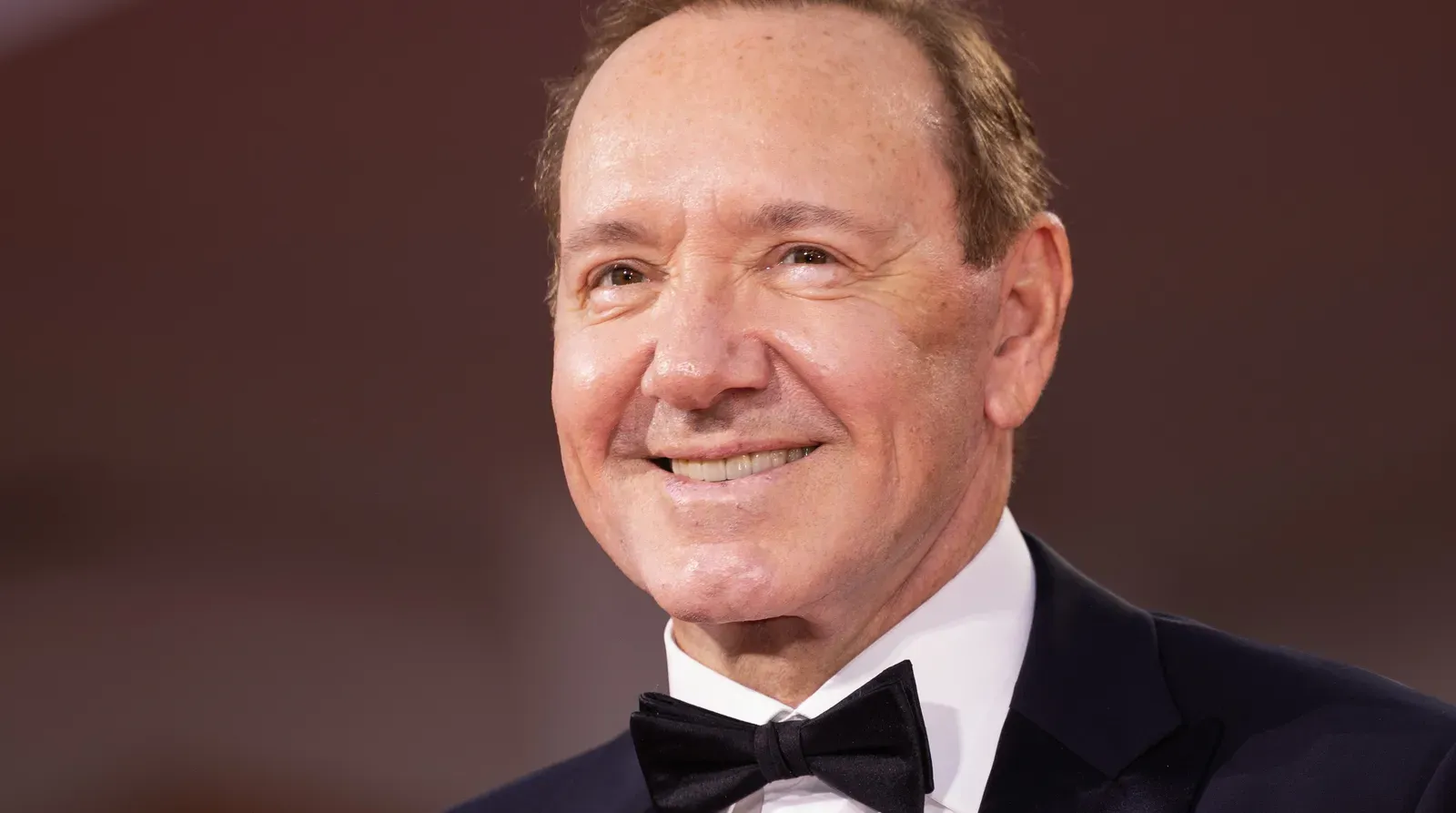
This case stands apart because the film had actually finished shooting when the decision came down. After allegations of sexual misconduct surfaced against Kevin Spacey in late 2017, director Ridley Scott chose to remove him from the finished film entirely rather than release it as is. Following allegations against Spacey, Scott made the unusual decision to replace him after filming had already been completed, with Christopher Plummer reshooting the scenes just weeks before the movie’s release.
Partner offer
The turnaround was remarkable from a logistical standpoint. The new scenes were filmed just weeks before the movie’s release, a compressed schedule that would normally be unthinkable for a film of that scale. Plummer earned an Oscar nomination for his performance, a rare instance where a last minute recast became part of the film’s calling card rather than a liability.
7. Nicole Holofcener parts ways with Julianne Moore before Can You Ever Forgive Me?
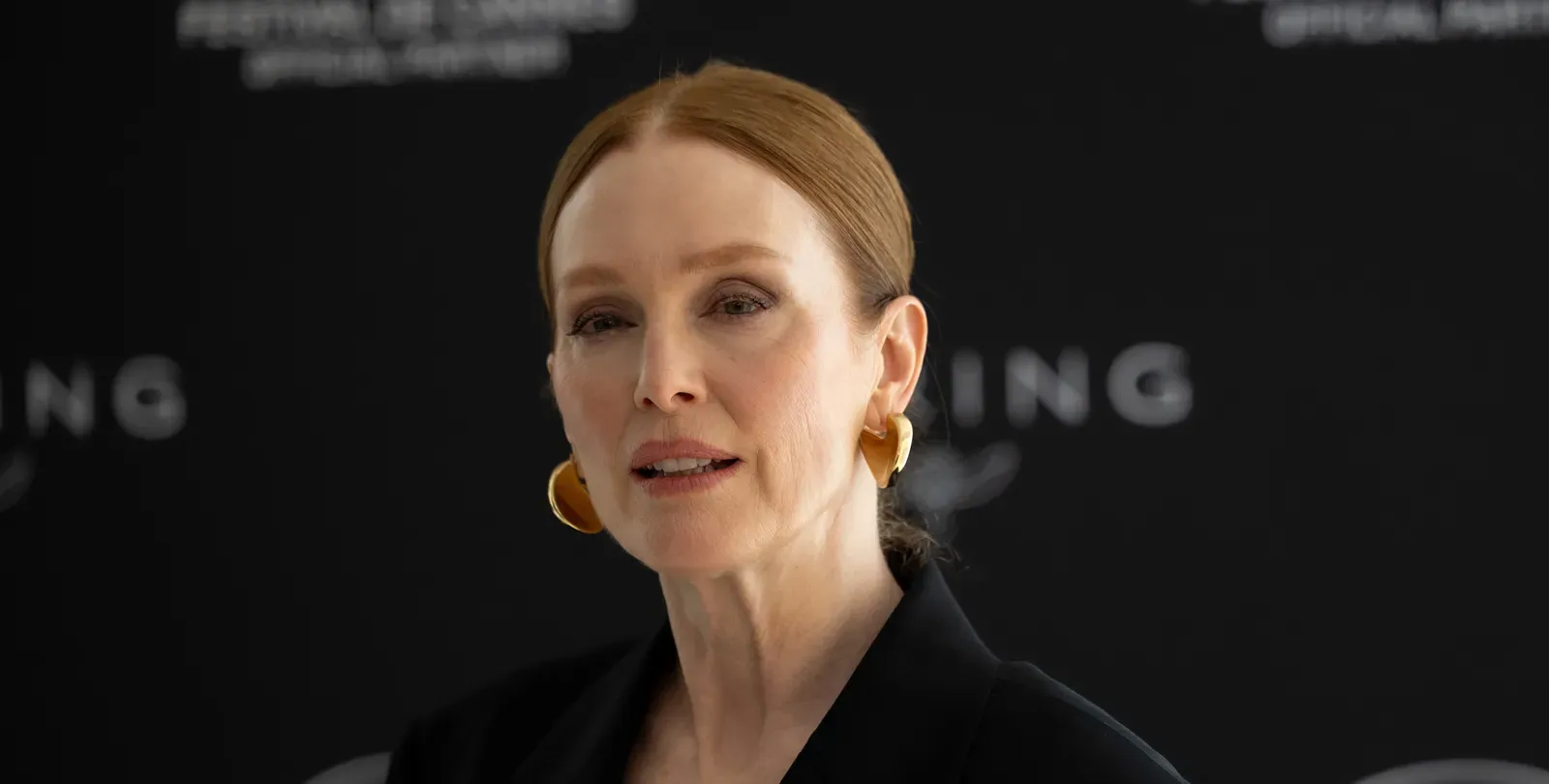
Julianne Moore was set to lead Can You Ever Forgive Me?, the film that eventually became a showcase for Melissa McCarthy’s dramatic range. Moore’s departure happened right before cameras were set to roll, when the project’s original director and screenwriter decided a different direction was needed. Moore had the lead role in the acclaimed film before the picture’s screenwriter and original director, Nicole Holofcener, decided to go in a different direction.
The fallout reshaped the entire project. Moore was fired from Can You Ever Forgive Me? by director Nicole Holofcener just six days before filming was scheduled to start, and the film was eventually made after a year’s delay, but without Moore or Holofcener, with Marielle Heller taking the reins as director and Melissa McCarthy playing the lead role. McCarthy went on to earn a Best Actress Oscar nomination for a role that had originally belonged to someone else.
8. Peter Jackson lets go of his Lovely Bones lead
Ryan Gosling was cast as the grieving father in Peter Jackson’s adaptation of The Lovely Bones, and he took an unconventional approach to preparing for the part. Gosling decided the character should look older and worn down, so he gained about sixty pounds, but he never told the director. The mismatch between his interpretation and the production’s vision became apparent quickly once filming approached.
Gosling later reflected candidly on what went wrong, largely chalking it up to a communication breakdown rather than any single dramatic blowup. He noted they didn’t talk very much during preproduction, which was the problem, and that Jackson couldn’t deal with the actors individually on such a huge movie, adding that he just showed up on set and had gotten it wrong. Mark Wahlberg took over the role for the finished film.
9. Rob Hedden swaps his Friday the 13th lead after one scene

Slasher franchises rarely make headlines for behind the scenes drama, but the casting shakeup on Friday the 13th Part VIII: Jason Takes Manhattan is a genuine example of a lead being pulled almost immediately. Lee Coleman was initially cast as Sean Robertson, one of the film’s central young characters. His time on set turned out to be remarkably brief.
Coleman reportedly spent one week on set and filmed a single scene before he was replaced because his performance simply didn’t line up with the filmmakers’ vision. The quick turnaround shows that these decisions were not limited to prestige dramas or big budget blockbusters. Even a modestly budgeted horror sequel could pull the plug on a lead performance within days of shooting starting.
10. Spike Jonze recasts his AI voice in Her

Samantha Morton originally voiced Samantha, the artificial intelligence at the emotional center of Spike Jonze’s Her, and she recorded the role opposite Joaquin Phoenix during actual filming. The unusual setup meant Phoenix acted out scenes with Morton physically present on set, feeding him lines from an earpiece, rather than recording separately in a booth. Once the film moved toward completion, Jonze felt something was not landing the way he had envisioned.
Morton was the original voice of Samantha, but when the movie got to the editing stage, Jonze realized that what the character and movie needed was different from what the two of them had created together. Scarlett Johansson was brought in to rerecord the part entirely, and her voice work became one of the most discussed performances of that awards season, despite never appearing on screen.
Ten different films, ten different reasons, and yet the pattern repeats across decades of filmmaking. A director watches early footage, senses something is off, and decides the risk of starting over outweighs the risk of releasing a film that does not work. Some of these swaps became legendary improvements, like Fox stepping into Back to the Future or Plummer stepping into All the Money in the World on short notice. Others simply remain footnotes, reminders that even a green light and a signed contract never guarantee an actor makes it to the closing credits.Partner offer
Planning a trip to Vegas?
Compare hotel rates and show tickets on VEGAS.com.