There’s a certain kind of debate that never really ends among music fans, and this is one of them. Some bands are built for the studio, where every note gets polished until it gleams. Others only truly show their teeth in front of a crowd, when the amps are cranked and the mistakes become part of the charm. Below are nine acts where the choice between their best studio record and their most celebrated live album isn’t obvious at all, and honestly, that’s what makes it fun to argue about.
Kiss: Destroyer vs Alive!
Kiss spent years struggling to translate their explosive stage show onto vinyl until Alive! changed everything in 1975. The double live album captured the raw energy of their concerts and became the record that finally turned them into arena headliners, reportedly saving the band from being dropped by their label. Destroyer, released the following year, showed a more ambitious, produced side of the group with tracks like “Detroit Rock City” and “Beth.”
Studio polish gave Kiss some of their most enduring songs, but the live record is the one that actually built their audience. Alive! feels like a document of a band discovering its own power in real time. For pure impact on their career trajectory, the live album edges it out.
The Allman Brothers Band: Eat a Peach vs At Fillmore East
At Fillmore East, recorded in March 1971, is often cited as one of the finest live rock albums ever made, showcasing the band’s extended improvisational jams and the guitar interplay between Duane Allman and Dickey Betts. Eat a Peach, released later that year, mixed studio tracks with additional Fillmore recordings, partly because Duane Allman died in a motorcycle accident before the album was finished.
The live record stands as the definitive statement of what made this band special, long stretches of instrumental exploration that studio time constraints simply couldn’t replicate. Eat a Peach is a beautiful, bittersweet record, but it’s really an extension of the live sound rather than a rival to it. Fillmore East wins this one without much argument.
Cheap Trick: Heaven Tonight vs Live at Budokan
Cheap Trick had already released three studio albums, including the well-regarded Heaven Tonight, before Live at Budokan turned them into stars in the United States in 1979. The Japanese import became so popular that import copies were selling briskly before the label rushed out an official domestic release. Tracks like “I Want You to Want Me” sounded more urgent and alive on stage than in their original studio versions.
Heaven Tonight has aged well and contains some of the band’s sharpest songwriting, including “Surrender.” Still, it was the concert recording that actually broke the band commercially, proving that sometimes a great song just needs the right crowd to prove its worth. Budokan takes this round.
Peter Frampton: Frampton’s Camel vs Frampton Comes Alive!
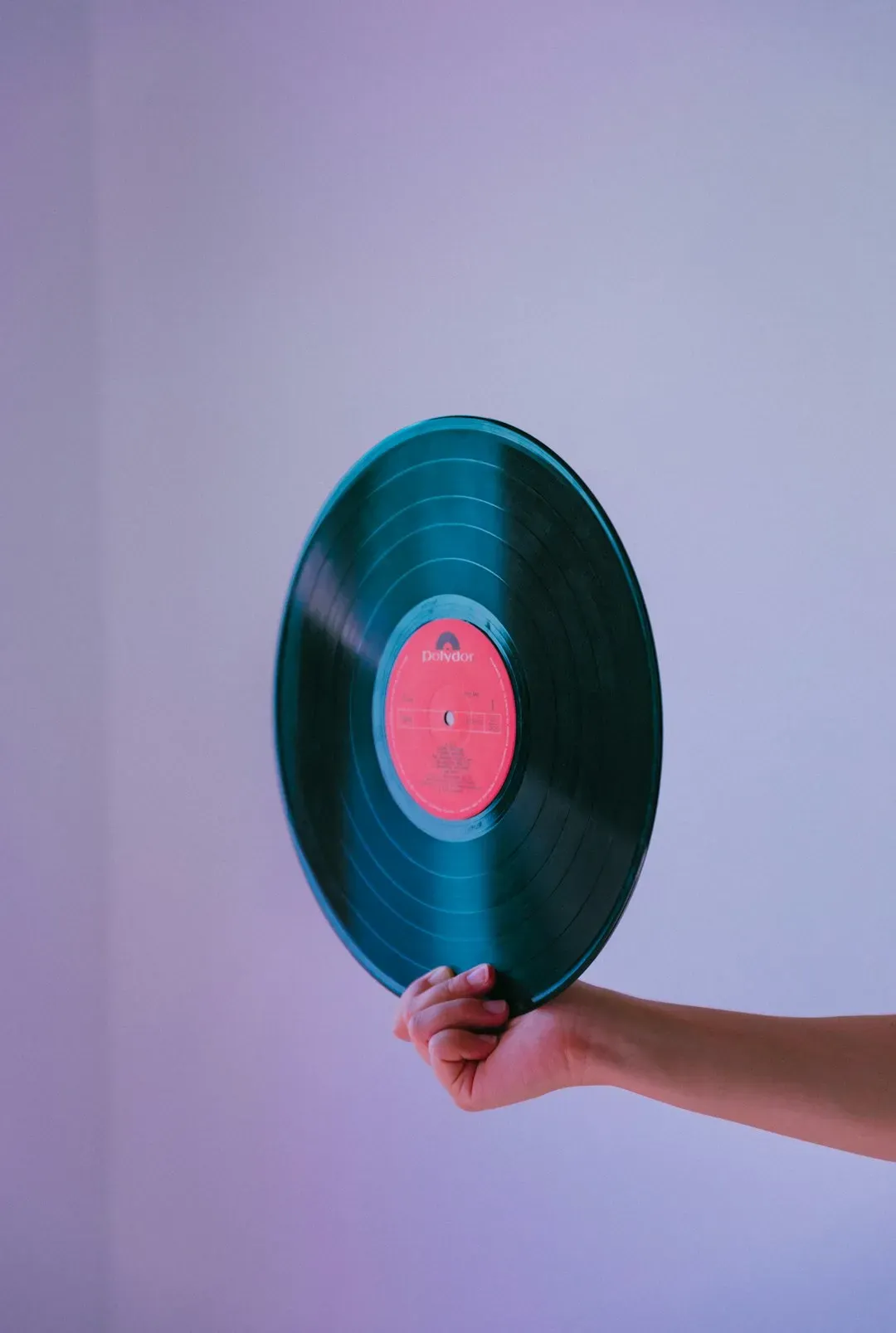
Frampton Comes Alive!, released in 1976, became one of the best-selling live albums in history, propelled by the talk box guitar effect on “Do You Feel Like We Do” and the radio staple “Baby, I Love Your Way.” Before that breakthrough, Frampton’s solo studio work, including Frampton’s Camel, had earned respectful reviews but modest sales. The live album’s success was so overwhelming that it fundamentally reshaped how his career and his catalog are remembered.
It’s rare for a single live record to eclipse an artist’s entire studio output, but that’s essentially what happened here. The energy of the live versions, stretched out and jam-heavy, gave the songs a different life than their tighter studio counterparts. This is a clear win for the live record, both commercially and artistically.
Nirvana: In Utero vs MTV Unplugged in New York
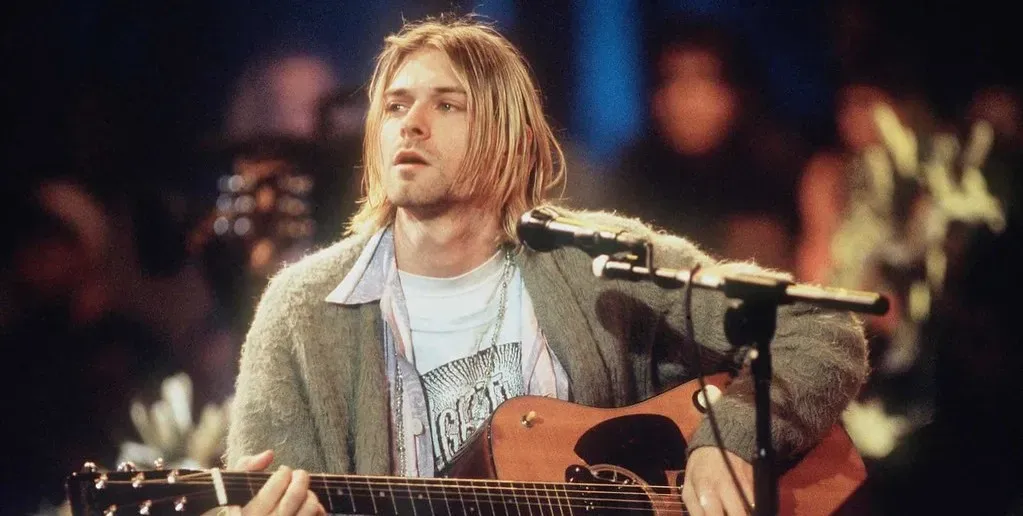
In Utero, released in 1993, is a raw, abrasive studio album that many fans and critics consider the band’s most honest artistic statement, produced with Steve Albini’s characteristically unpolished sound. MTV Unplugged in New York, recorded that same year and released posthumously in 1994, stripped the songs down further, revealing a quieter, more vulnerable side of Kurt Cobain that surprised even longtime fans.
Comparing these two is less about which is “better” and more about which reveals more. In Utero shows a band pushing against its own fame with noise and distortion. The Unplugged session, recorded acoustically, feels almost like a confession, and its cultural weight only grew after Cobain’s death in April 1994. Given the emotional resonance and how the performance is remembered, the live album carries a slight edge here.
Deep Purple: Machine Head vs Made in Japan
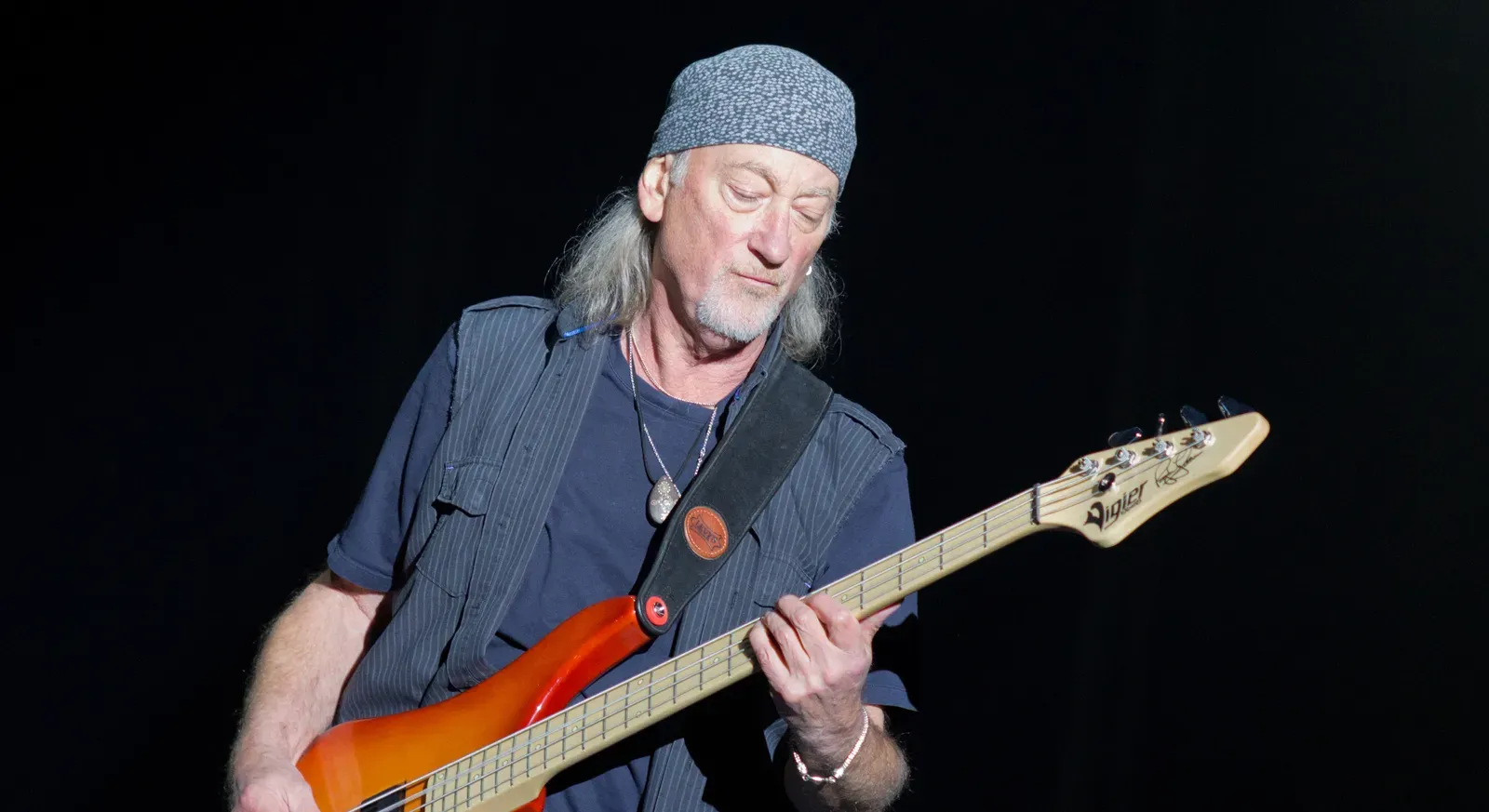
Machine Head, released in 1972, gave the world “Smoke on the Water” and remains one of hard rock’s foundational studio albums. Made in Japan, recorded during their August 1972 tour, captured the band at a creative peak, with extended versions of songs that dwarfed their studio runtimes, including a version of “Space Truckin'” that stretches well past its original length.
Fans of the band tend to be split fairly evenly on this one, and for good reason, since both records represent different strengths. Machine Head is tighter and more accessible, while Made in Japan lets the musicianship breathe in a way studio time limits never allowed. It’s close, but the live album’s reputation among musicians and critics as one of the great live rock records gives it a narrow win.
The Who: Tommy vs Live at Leeds

Tommy, released in 1969, was a rock opera that expanded what a studio album could attempt narratively and sonically, and it remains a landmark in the band’s catalog. Live at Leeds, recorded at Leeds University in February 1970, is frequently ranked among the greatest live albums ever made, prized for its raw power and the ferocity of Keith Moon’s drumming.
Tommy is undeniably more ambitious and influential as a piece of songwriting. Yet Live at Leeds captures something Tommy simply can’t, the sheer physical force of The Who as a performing unit. Many critics and fans lean toward the live record specifically because it strips away the concept album framing and just lets the band play.
Bob Marley and the Wailers: Natty Dread vs Live!
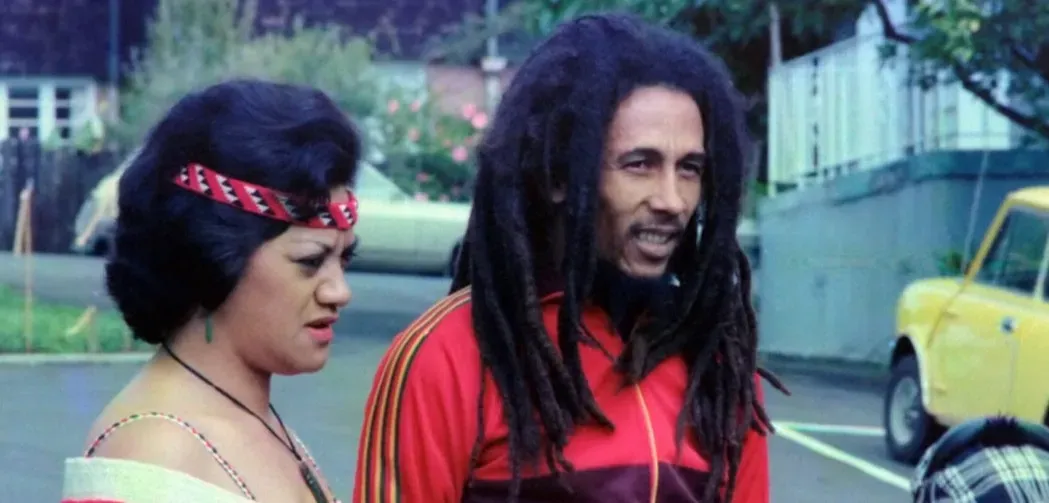
Natty Dread, released in 1974, is considered one of Marley’s strongest studio efforts, featuring “No Woman, No Cry” in its original form. The Live! album, recorded at London’s Lyceum Theatre in 1975, actually presents a version of “No Woman, No Cry” that many fans consider superior, and it became the more widely recognized version of the song.
This is one of those rare cases where the live rendition of a specific track essentially replaced the studio original in the public’s memory. The Lyceum recording captured Marley connecting with a European audience at a pivotal moment in his international breakthrough. Given how the live version reshaped the song’s legacy, this round goes to Live!.
Thin Lizzy: Jailbreak vs Live and Dangerous
Jailbreak, released in 1976, gave Thin Lizzy their biggest hit with “The Boys Are Back in Town” and remains their most commercially successful studio album. Live and Dangerous, released in 1978, is often cited as one of the best live rock albums of all time, though it has also been the subject of long-running debate over how much studio overdubbing was involved in its final mix.
Regardless of the production controversy, the album’s reputation among fans and critics has held up remarkably well over the decades. It captures the twin-guitar attack of Scott Gorham and Brian Robertson with a punch that the studio version of similar songs doesn’t quite match. Even with its complicated history, Live and Dangerous is generally regarded as the stronger listen.
The final tally

Out of nine matchups, the live albums came out ahead in the majority of cases, which says something about how these particular bands operated. Groups built around improvisation, stage chemistry, or raw performance energy tend to find their truest form in front of an audience rather than behind a mixing board. That’s not a knock on studio craftsmanship, since albums like Machine Head and Tommy remain essential listening on their own terms.
What this comparison really shows is that the studio versus live question depends heavily on what a band does best. Some acts write incredible songs and then discover something new when those songs meet a crowd. Others use the studio itself as an instrument, building something a stage could never replicate. Both approaches have produced records that outlasted the decades they came from, and that’s really the only verdict that matters.