Theater has always had a complicated love affair with the darkest chapters of human behavior. Long before true crime podcasts and Netflix documentaries took over living rooms, playwrights were doing the same thing on stage, turning real murders, wrongful convictions, and shocking scandals into unforgettable performances. There’s something raw and electric about watching a real story play out under stage lights.
Real life crime, with its danger and sinister excitement, its characters doing extreme things and living extreme lives, is epic drama. Crime is theater, a grand pageant where humanity’s most profound themes play out: life, death, good, evil, luck or desperation, justice or the lack of it. The plays on this list prove exactly that. Let’s dive in.
1. Chicago – The Jazz-Age Murderesses Who Became Celebrities

The Chicago musical was inspired by Maurine Dallas Watkins’s 1926 play, which in turn was inspired by two real-life trials: those of Beulah Annan and Belva Gaertner. These weren’t fictional anti-heroines cooked up in a writer’s imagination. They were real women whose stories consumed the newspapers of 1920s America.
Beulah was a housewife cheating on her mechanic husband who shot her lover, much like the character Roxie. Belva killed her lover too, though this was changed for the musical, as Velma kills her husband and sister. What makes the story even more jaw-dropping is how both women walked free. It was incredibly rare to be convicted for homicide in 1920s Chicago: of the 186 accused women, only 24 were convicted, and some of those cases were overturned. Only 12 women served their full time. Instead, many were lauded as celebrities, with the two most popular Chicago newspapers publishing columns dedicated to their trials.
The record-breaking, second-longest-running show in Broadway history, Chicago tells the story of Roxie Hart and Velma Kelly, both accused of murdering their husbands, as they prepare for and eventually go to trial. Honestly, the real story might be even more scandalous than the musical.
2. Rope – A Dinner Party Sitting on Top of a Corpse

Patrick Hamilton’s “Rope” is a suspenseful masterclass, inspired by the real-life horror of the Leopold and Loeb case. In 1924, two wealthy students, Nathan Leopold and Richard Loeb, murdered a young boy simply for the intellectual thrill, believing themselves above morality. Hamilton’s play puts the audience in a small apartment where the killers, filled with arrogance, host a dinner party with the victim’s body hidden in a chest.
The tension is palpable as the guests unknowingly dine inches from the evidence. The play probes deep philosophical questions about good and evil, the dangers of unchecked privilege, and the seductive power of feeling invincible. It’s the kind of premise that sounds almost too extreme to be fiction. And of course, it wasn’t.
The defense in the real case, led by famous attorney Clarence Darrow, argued that capital punishment would only perpetuate the cycle of violence, sparking national debate. The play, and later Alfred Hitchcock’s film adaptation, made the case permanently part of popular culture.
3. Never the Sinner – The Same Crime, a Different Stage

John Logan’s “Never the Sinner” also revisits the infamous Leopold and Loeb case, focusing on the sensational 1924 trial of two wealthy Chicago students who murdered a young boy. The play goes beyond the crime itself, exploring the intense relationship between the killers and the cultural forces that shaped them. Logan uses courtroom drama, flashbacks, and media coverage to paint a picture of a society obsessed with scandal and the psychology of evil.
The play’s sharp dialogue and vivid characterizations force audiences to confront uncomfortable truths about privilege, morality, and the limits of justice. “Never the Sinner” continues to be performed around the world, a testament to its enduring fascination and the chilling questions it raises about human nature.
It’s worth noting that both “Rope” and “Never the Sinner” drew from the same real case. The fact that one crime inspired two completely different theatrical masterpieces says a lot about how deep that particular well of human darkness truly goes.
4. The Laramie Project – A Community’s Grief Put on Stage

The Laramie Project is a shattering documentary-style play that chronicles the aftermath of Matthew Shepard’s 1998 murder in Laramie, Wyoming, a hate crime that shocked the nation and galvanized the movement for LGBTQ+ rights. Created by Moisés Kaufman and the Tectonic Theater Project, the play is based on hundreds of interviews with townspeople, friends, and family.
The voices in the play reflect a community in pain, grappling with grief, anger, and the search for understanding. The script’s structure, weaving together different perspectives and personal stories, creates a powerful sense of immediacy and honesty. There are no fictional heroes here. Every voice in the play is real.
Its impact has been far-reaching, helping to change public attitudes and even inspiring the passage of hate-crime laws. The Laramie Project remains a vital work, reminding us of the real people behind the headlines and the urgent need for justice and empathy. Few plays in modern theater history have done more to shift a national conversation.
5. Parade – A Man Lynched for a Crime He Did Not Commit
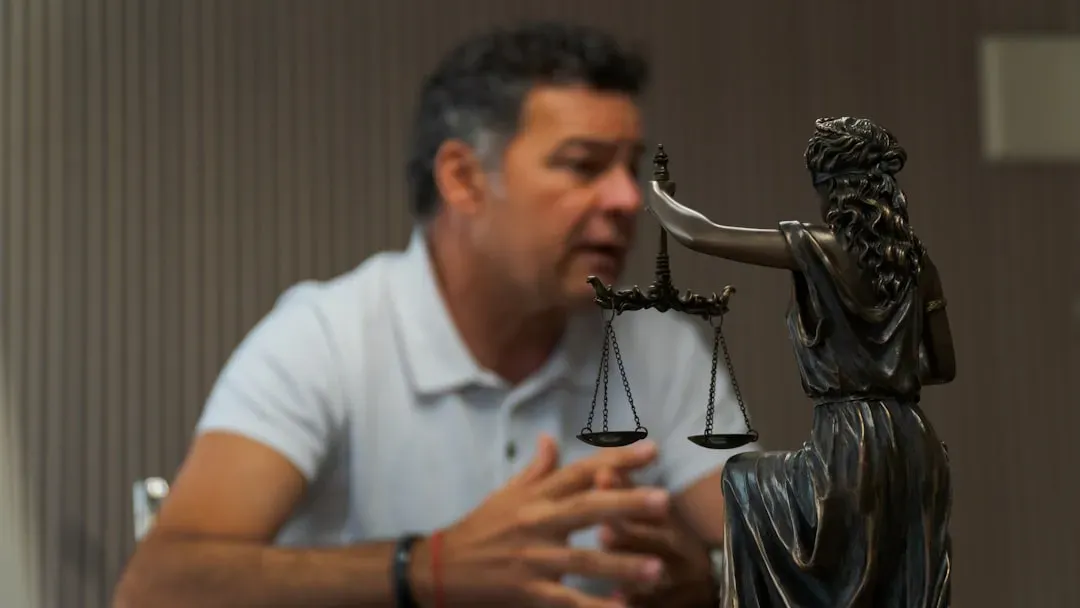
Leo Frank, a 29-year-old Jewish factory manager in Atlanta, was arrested, incarcerated, tried, and lynched for allegedly raping and murdering a 13-year-old girl who worked at his plant. The still-shocking events occurred more than a century ago. As seen through the artistic lens of Parade, the forces that shaped Leo’s fate, including anti-Semitism, racial divides, mob rule, sensationalized media, and political maneuvering, are as resonant as today’s news.
The musical is a dramatization of the 1913 trial and imprisonment and 1915 lynching of Jewish American Leo Frank in Georgia. The musical premiered on Broadway in December 1998 and won Tony Awards for Best Book and Best Original Score out of nine nominations, along with six Drama Desk Awards.
Its 2023 Broadway staging was nominated for six Tony Awards, winning two, including Best Revival of a Musical. The play keeps returning to stages because its questions about justice, prejudice, and mob mentality never seem to go out of date. I think that says something deeply unsettling about how little things change.
Partner offer
6. Assassins – When Presidential Killers Get a Musical Number
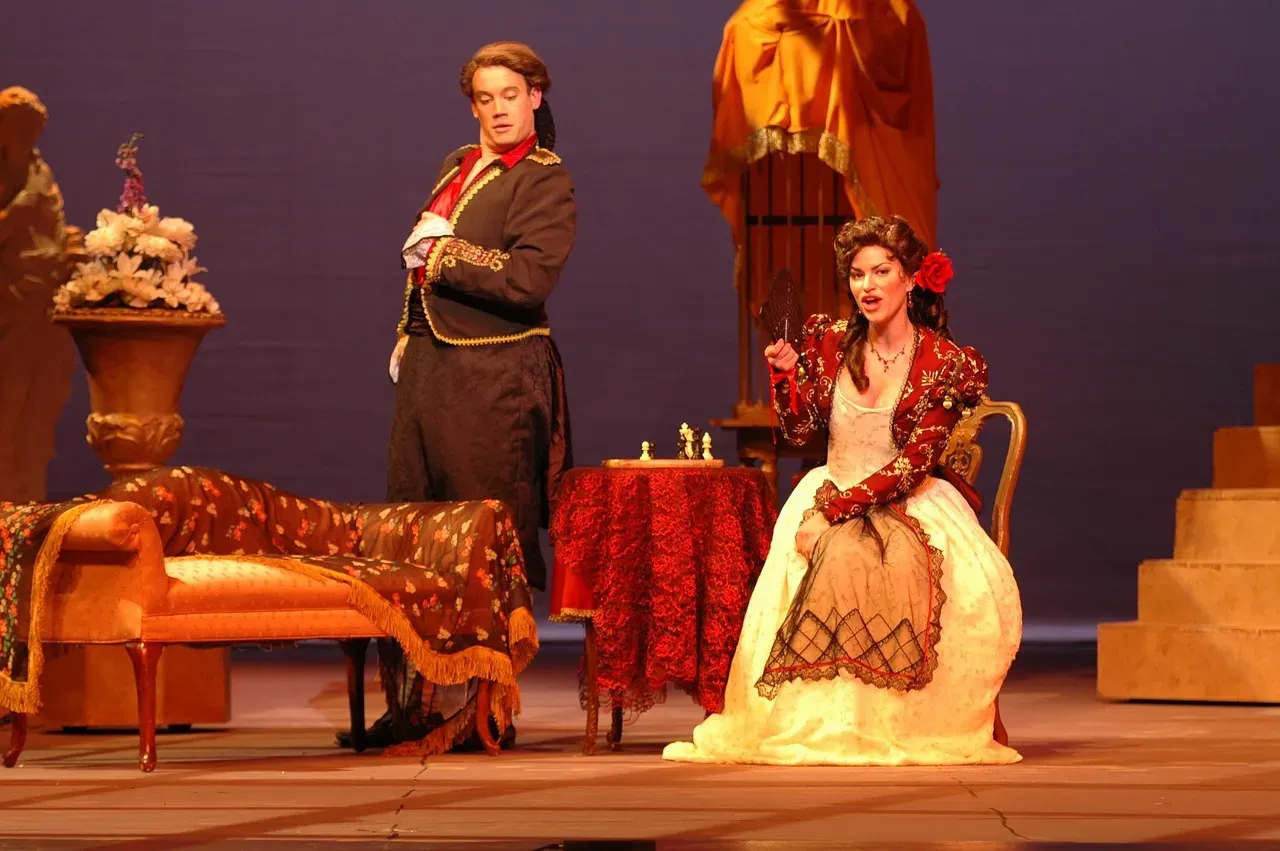
Stephen Sondheim’s “Assassins” is a daring, provocative musical that brings together the real-life figures who attempted or succeeded in assassinating U.S. presidents. From John Wilkes Booth to Lee Harvey Oswald, the characters are given voice and complexity, forcing audiences to confront the motivations behind these shocking acts. Sondheim’s dark humor and inventive storytelling strip away the easy labels of villain and madman, instead exploring the loneliness, desperation, and twisted dreams that led these individuals to violence.
The musical’s songs are haunting and at times disturbingly catchy, underscoring the bizarre intersection of fame, infamy, and the American dream. By humanizing the assassins without excusing their crimes, “Assassins” challenges us to ask uncomfortable questions about violence, celebrity, and what it means to be remembered.
Here’s the thing: making murderers sympathetic characters without glorifying them is one of the hardest things any playwright can do. The show’s boldness has sparked controversy and conversation since its debut, making it one of the most unforgettable crime-based plays in theatrical history.
7. The Scottsboro Boys – Nine Teenagers, One Catastrophic Lie
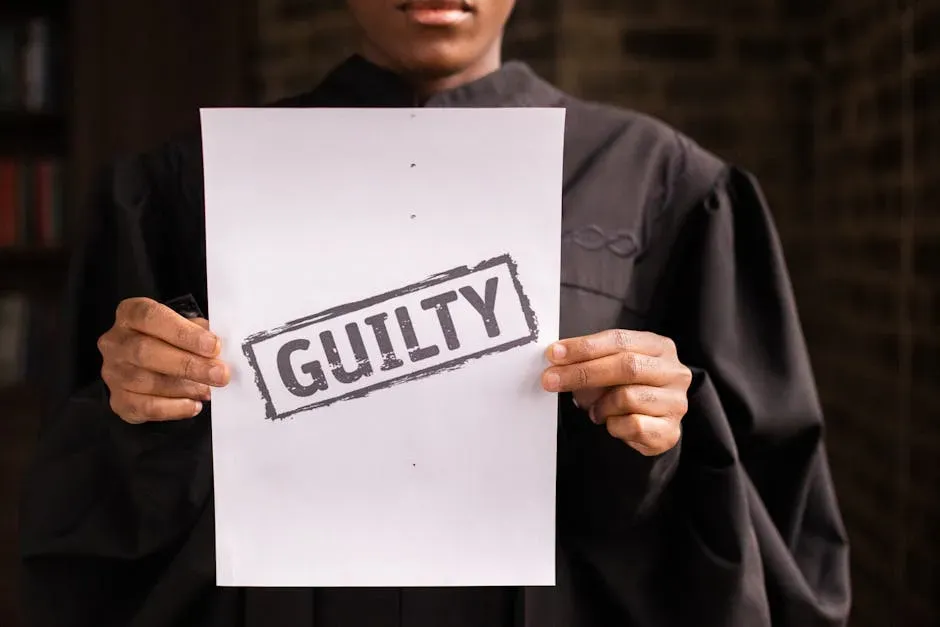
In 1931, nine Black men were ripped from a train in Alabama and accused of rape by two white women. Hauled to jail without a shred of actual evidence against them, The Scottsboro Boys were rushed through trial procedures, found guilty and sentenced to death. What occurred in the years following the trials was a harrowing tale of bravery and strength in the face of great adversity.
In their final collaboration, legendary songwriting team John Kander and Fred Ebb bring to light one of the most infamous events in American history: the shocking true story of nine African American boys jailed in Alabama in 1931 for a crime they did not commit. Featuring a mix of gospel, jazz, and vaudeville, this audacious musical uses the construct of a minstrel show to tell the harrowing true story that provoked a national outrage and helped launch the American Civil Rights movement.
Nominated for twelve Tony Awards, The Scottsboro Boys confronts an infamous event in the history of the American criminal justice system. It’s a play that makes you angry in the best possible way, and that anger is entirely warranted.
8. Sweeney Todd – The Demon Barber Who May Have Been Very Real

Stephen Sondheim and Hugh Wheeler based their 1979 musical on a play about the revenge-seeking barber who cut the throats of his customers, then handed them over to his accomplice, Mrs. Lovett, to become meat pies. That play has antecedents in penny-dreadful novels and plays of the 19th century.
Though his research has been questioned by some, historian Peter Haining claimed to have found the truth about the real Sweeney Todd, claiming Todd was born October 26, 1756, in Brick Lane, East London. Todd reportedly grew fascinated with the instruments of torture displayed in the Tower of London. When his parents died young, the 14-year-old Todd became apprenticed to a cutler specializing in razors.
According to Haining’s account, Mrs. Lovett was arrested and implicated Todd. Todd was tried and hanged for murder on January 25, 1802. Ironically, his body was turned over to the Royal College of Surgeons, who cut him up as neatly and professionally as he had done illegally so many times. I know it sounds crazy, but sometimes real history writes the most theatrical endings.
9. Frozen – When Forgiveness Meets the Unforgivable

Frozen, written by Bryony Lavery, is a haunting and deeply emotional play inspired by real interviews and case studies related to child abduction and murder. The story is told through the intertwined perspectives of a grieving mother, the child’s killer, and a psychiatrist studying criminal behavior. Lavery’s script delves into the psychological aftermath of unspeakable loss, exploring how trauma can freeze time for those left behind.
The play asks whether forgiveness is possible, even in the face of unimaginable pain, and what it means to truly understand evil. Its minimalist staging and raw dialogue make the emotional stakes feel even higher. Audiences are left to grapple with questions about punishment, healing, and the possibility of redemption.
Frozen stands out for its sensitivity and refusal to offer easy answers, making it a profound meditation on grief and humanity’s darkest impulses. This isn’t a thriller. It’s something harder and more honest than that.
10. Enron – When Corporate Crime Becomes Grand Tragedy

Not all famous crimes involve blood. Some of the most devastating involve a pen, a spreadsheet, and catastrophic greed. Enron by Lucy Prebble is the theatrical and explosive tale of the collapse of a company. Based on the new millennium’s biggest corporate scandal, but told as a sprawling, dynamic tragedy, the play follows CEO and anti-hero Jeffrey Skilling through Enron’s rise and fall.
The play is a savage satire of late capitalism and a deft weaving of real history with sharp theatrical storytelling. What makes it extraordinary is how Prebble turned balance sheets and boardroom meetings into something that feels genuinely dramatic. Thousands of ordinary people lost their life savings. That’s a crime too, even if no one pulled a trigger.
The Enron scandal, which unraveled publicly in 2001, remains one of the most studied cases of corporate fraud in history. The play gives those real events a human face, and in doing so, it forces audiences to question systems they had always assumed were functioning properly.
Conclusion
What all ten of these plays share is a refusal to let the truth stay buried beneath legal transcripts and old newspaper clippings. From inspiring tales of courage and morality to somber investigations of the depths to which humanity can sink, reality has often formed the basis of some of theater’s greatest works. True stories become larger-than-life spectacles on stage, and the results are magnificent.
Theater has always been one of the most honest mirrors society holds up to itself. These plays prove that the most gripping drama is often no drama at all. It already happened. What do you think? Which of these stories surprised you most? Share your thoughts in the comments.
Partner offer
Planning a trip to Vegas?
Compare hotel rates and show tickets on VEGAS.com.