There’s an assumption baked into how we talk about movies: that what you see in the theater is the finished thing, the final word from the people who made it. In reality, the edit that lands in cinemas is often a compromise, a product of studio pressure, tight deadlines, nervous test screenings, and financial demands that have little to do with the director’s original vision.
The history of cinema is full of fascinating stories in which films are re-edited even after they’ve been theatrically distributed. Sometimes it’s because of a disagreement between a director and a studio, sometimes it’s because of censorship, and sometimes it’s just because a filmmaker decided they wanted to tweak a few things. The results range from subtle adjustments to complete creative overhauls that leave the original cut feeling like a rough draft. These are ten of the most striking examples.
1. Blade Runner (1982)
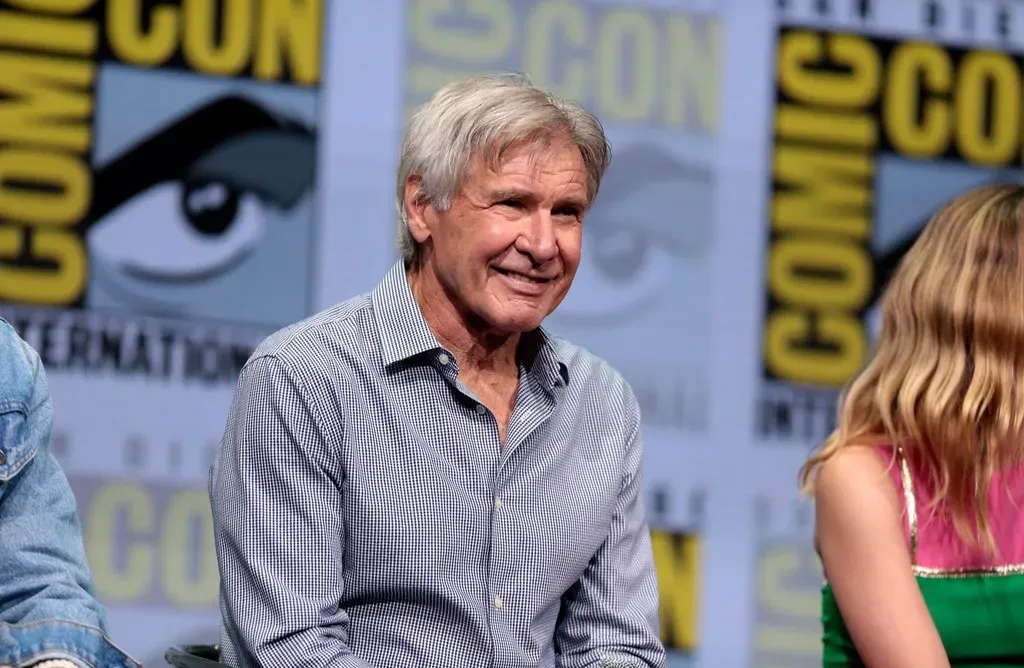
There are actually seven overall cuts of Blade Runner, including unofficial workprints, alternate US and international edits, and an American TV cut. It is, famously, one of the most-iterated films in Hollywood history, receiving new official versions every decade or so for the first 30 years of its lifespan. The theatrical cut included a much-maligned voiceover from Harrison Ford’s Rick Deckard following a negative test screening, as well as a “happy ending” that saw Deckard and Rachel escape the suffocating expanse of Los Angeles and drive off together into the countryside in the final reel.
Both director Ridley Scott and star Harrison Ford hated the theatrical version, with Ford having described the voiceover as not an organic part of the film. Warner Bros. ultimately worked with Scott in 2007 to release the Final Cut, the only version over which Scott had complete control. It contained several changes, particularly to the score, and new scenes, but perhaps the most significant was the near-confirmation that Ford’s character Deckard is actually a replicant. Instead of the happy ending showing Deckard and Rachel driving through a beautiful landscape, Scott’s ending is more ambiguous and simply shows them leaving Deckard’s apartment.
2. Brazil (1985)
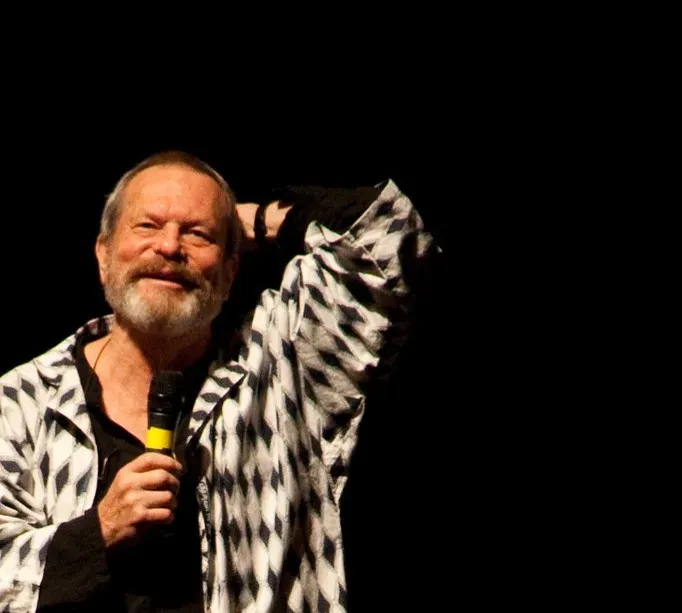
Terry Gilliam’s dystopian comedy Brazil is among the most remarkable science fiction films of the 1980s, not just because of the film itself, but because of the very public battle over its final cut. The film was released internationally by 20th Century Fox, who allowed Gilliam final cut control, but the same was not true of Universal Pictures. Studio head Sid Sheinberg deemed Gilliam’s cut unreleasable, and assembled a team of editors to recut the film with a happier ending.
Universal worked on the 94-minute version without Gilliam’s input. Now dubbed the “Love Conquers All” version, the 94-minute film had cut many key scenes, removing elements of the film’s darkness, and excised an ending that made clear the dark fate of the Jonathan Pryce character. The Love Conquers All version only featured a triumph over evil and a placid dream of an ending where everything worked out for the main characters. After Brazil was awarded Best Picture, Best Screenplay, and Best Director at the Los Angeles Film Critics Association, Universal finally agreed to release a modified 132-minute version supervised by Gilliam in 1985.
3. Apocalypse Now (1979)
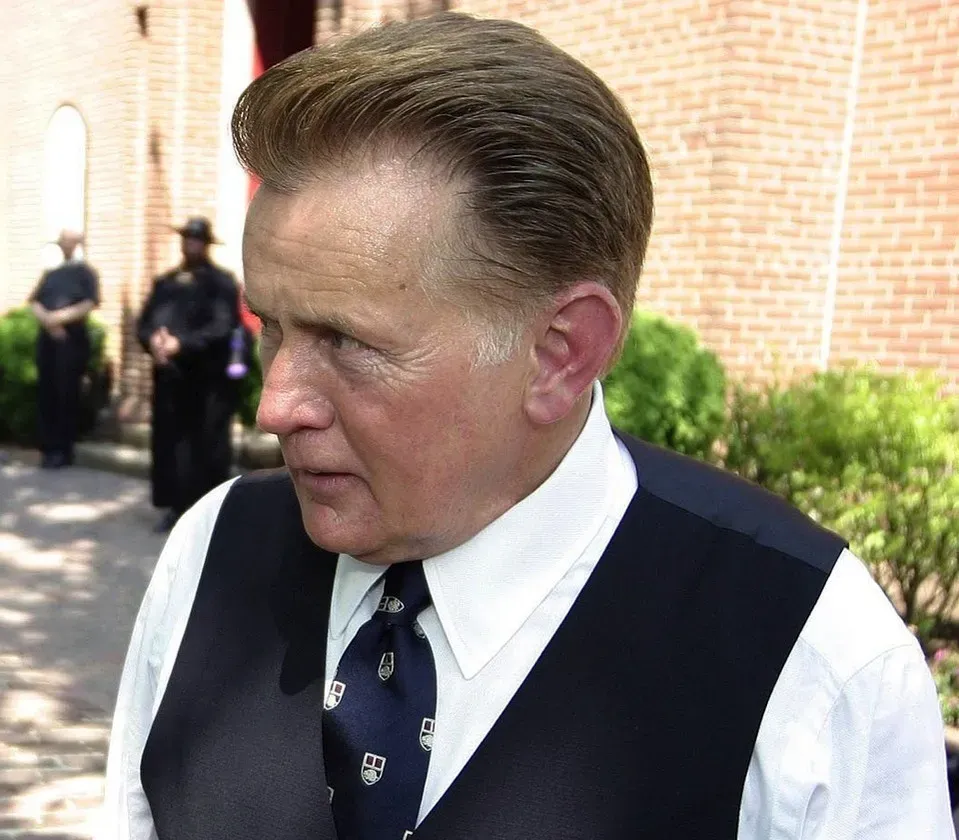
Few movies boast as many different cuts as this Vietnam War epic. Director Francis Ford Coppola’s masterpiece has undergone numerous edits over the years, each offering a slightly different perspective on the chaotic journey into madness and the horrors of war. Coppola himself reflects that when Apocalypse Now screened at Cannes in 1979, it was effectively unfinished, with financial pressure and a desire to end the rampant speculation around the troubled production driving him to finally deliver the two-hour, twenty-minute cut that so divided audiences.
In 2001, the director revisited Apocalypse Now to create what would be billed Redux, adding 53 minutes to the original film. The longest section of added footage in the Redux version is a “French Plantation” sequence, in which the Americans encounter an extended French family operating a rubber plantation, holdovers from French colonization. The Final Cut, released in 2019, represents Coppola’s definitive vision of the film, offering a more cohesive and polished experience, free from earlier compromises.
4. Heaven’s Gate (1980)
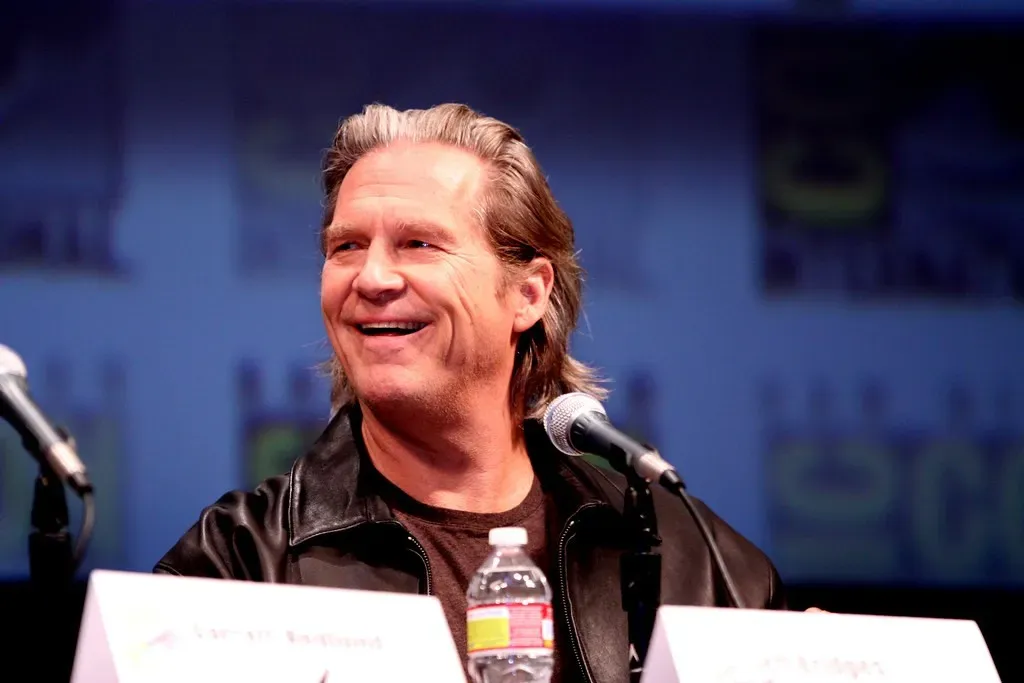
Michael Cimino’s Heaven’s Gate saw a longer cut recalled from theatres but subsequently shown on cable and eventually released to home video. The original theatrical version premiered in New York in November 1980 and was savaged so severely by critics that United Artists pulled it from release just days later. The studio then demanded Cimino cut the film significantly before it could return to theaters, reducing it by roughly an hour.
By increasing the theatrical cut to over 3.5 hours for the director’s cut, Heaven’s Gate now stands as one of the longest Westerns of all time. Like Apocalypse Now, Heaven’s Gate had a notorious production and now has numerous edits, though critics weren’t nearly as kind to it as they were to Coppola’s messy masterpiece. It’s a big, ambitious movie that’s well-worth spending over three hours on, especially because the longer version is considered vastly superior.
5. Kingdom of Heaven (2005)
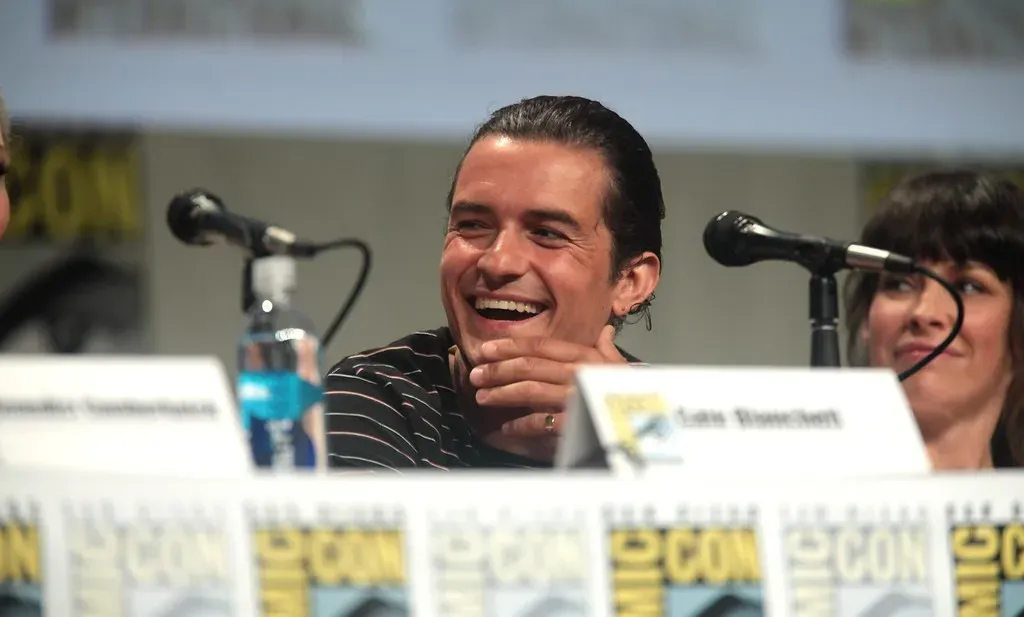
Ridley Scott’s theatrical cut of Kingdom of Heaven was made in a bid to bring in audiences, but the studio-ordered edit left gaping plot holes and unsatisfying character resolutions. The director’s cut added a layer of coherence to the story and explained the motivations of heroes and villains alike much better. It’s one of the few cases where the choice isn’t just clear but the only rational way to go for anyone who wants to understand the movie.
An extra 50 minutes of scenes flesh out the romance plot line and add other essential story details that fix problems with the film’s pacing and characters. There are countless characters wrapped up in the conflict at the center of Kingdom of Heaven, with three hours needed to properly develop them all. At just under 2.5 hours, the theatrical cut still contains great visuals and exciting battle sequences, but the narrative and characters ring hollow.
Partner offer
6. Touch of Evil (1958)
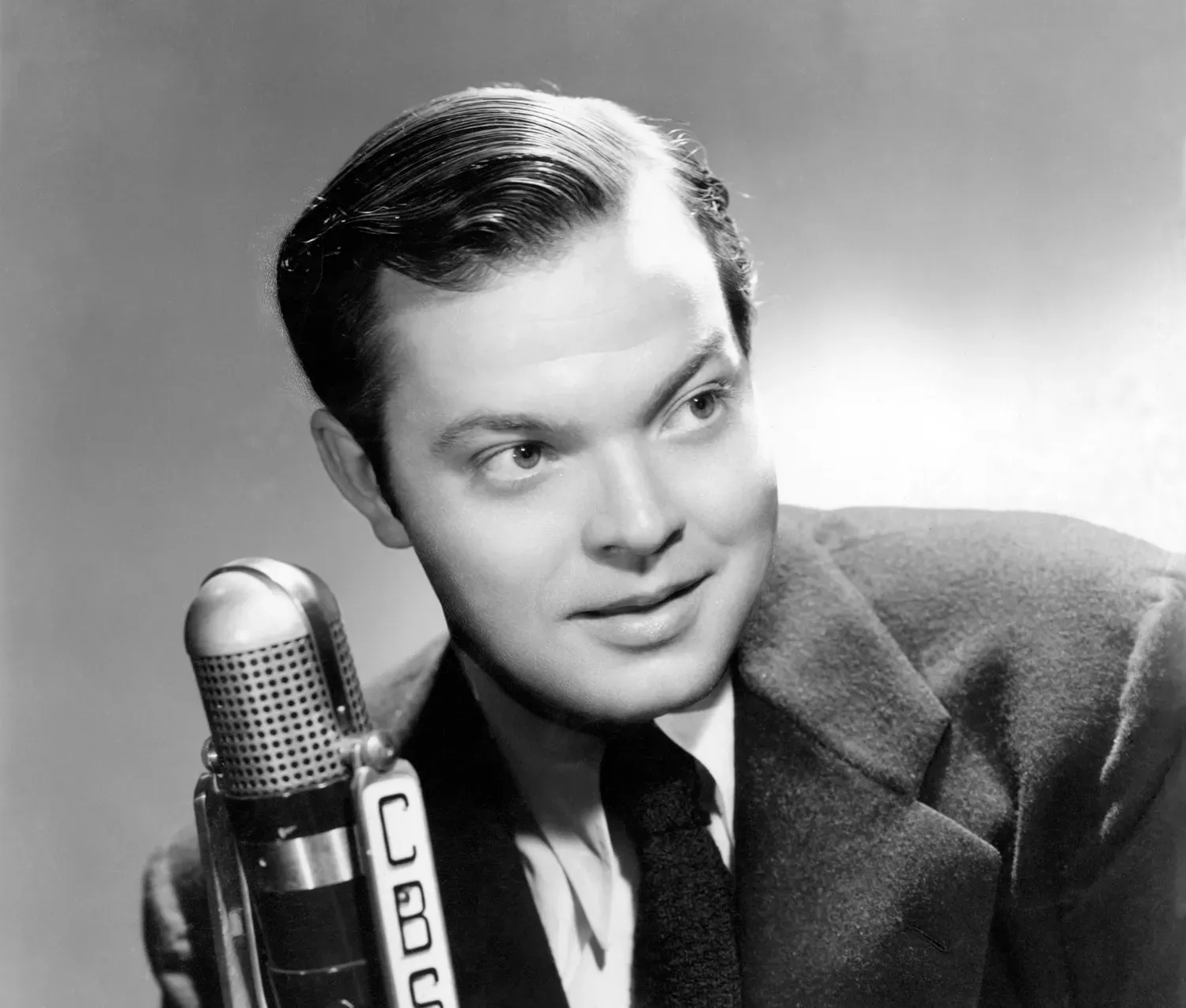
Orson Welles found himself at loggerheads with Universal, who took the film away from him during post-production. The studio reconfigured his handiwork into a more conventional form, blanding out Welles’ outlandish editing choices and ordering director Harry Keller to shoot more expositional material. In response, Welles drafted a 58-page memo which detailed his creative vision for the film.
After the film still found favor as one of Welles’ best, in 1998 Apocalypse Now editor Walter Murch recut the film to conform to Welles’ wishes as laid out in his memo. Omitting most of Keller’s story spoon-feeding, the most obvious change is with the iconic opening tracking shot that glides through the streets of a Mexican border town leading to the explosion of a car. The result is widely considered the version Welles intended, a film that feels genuinely his own rather than a Hollywood compromise.
7. The Lord of the Rings Trilogy (2001–2003)
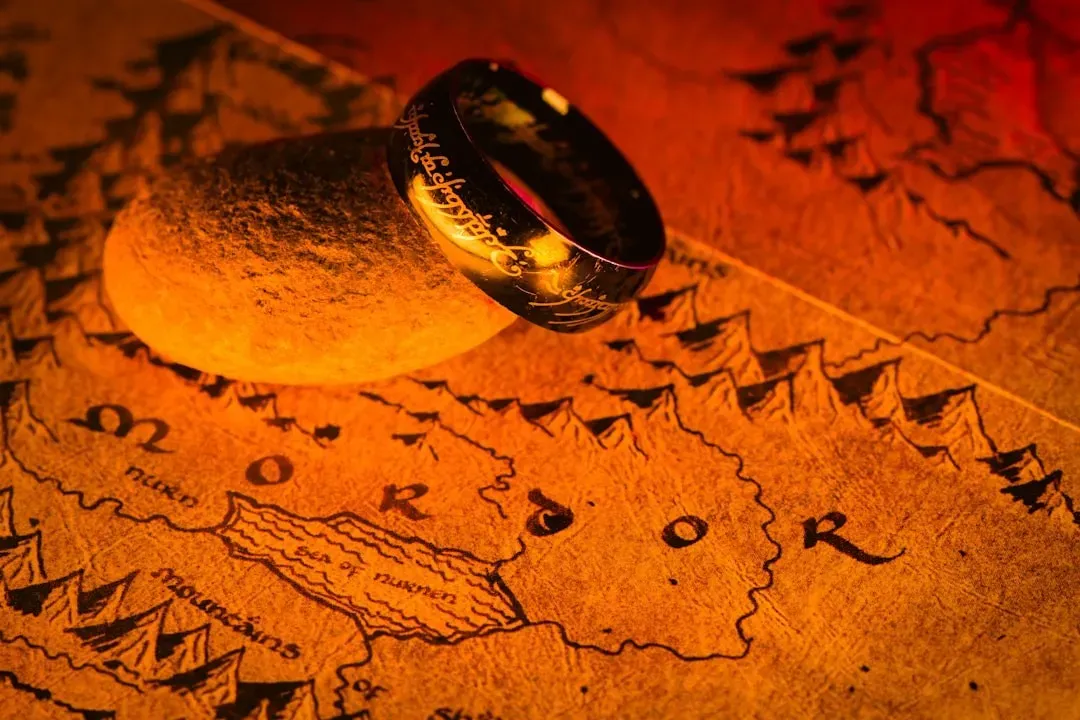
Peter Jackson reportedly had the idea for extended DVD cuts of his magnum opus while the films were still in pre-production, reasoning that the bum-numbing length would be far less problematic for home viewers. The Extended Editions were duly released one by one starting in 2002, eventually resulting in 128 minutes of extra footage and a mammoth 11 hours and 26 minutes of total runtime.
The third installment, The Return of the King, is particularly noteworthy, as new material was shot after the film had already swept the Academy Awards and taken home the prize for Best Picture. In the behind-the-scenes appendices for the film, Jackson revealed that three weeks after the Oscars ceremony in 2004, he and his crew returned to a New Zealand soundstage to shoot a few seconds of additional footage that was required for the extended cut. Resolving Saruman’s arc is very welcome, and the additional time spent with Aragorn and the Oathbreakers makes the conclusion of Pelennor Fields feel earned and satisfying instead of the cheap deus ex machina it comes across as in the theatrical edit.
8. Donnie Darko (2001)
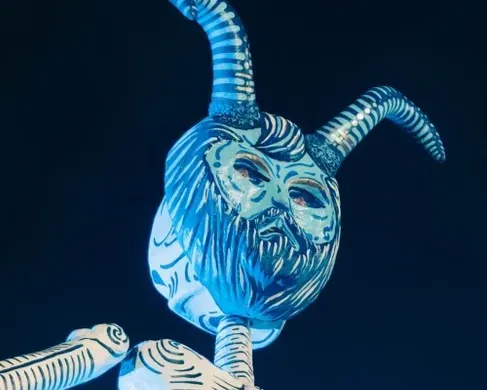
Despite the cult success of the mind-bending film, director Richard Kelly repeatedly apologized for the theatrical release of Donnie Darko, stating it was not his original film. To make up for it, he convinced 20th Century Fox to release a director’s cut in 2004 that he felt would be more cohesive and easier for viewers to understand.
The most notable change he made was literally adding in text from the fictional The Philosophy of Time Travel, which had previously been a DVD extra. Fans were split: some loved the explanations that filled in previous plot holes, others hated the notion that they needed to be spoon-fed the story. The theatrical version works largely because of its ambiguity, while the director’s cut trades mystery for clarity, and those two approaches produce what feel like genuinely different viewing experiences.
9. The Shining (1980)
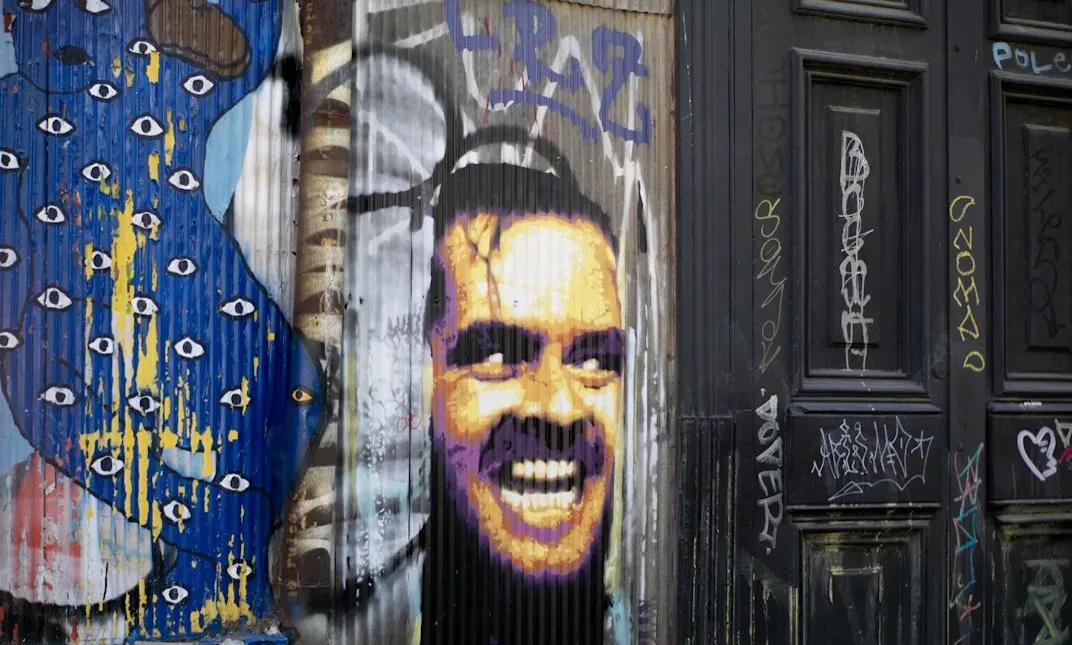
During the premiere and first week of its theatrical release, The Shining contained a scene at the end where Mr. Ullman explains to Wendy that Jack’s body couldn’t be found. The line was confusing for critics and audiences who thought it would be impossible for Jack’s body to simply disappear.
After the initial reviews, Warner Bros. and Stanley Kubrick ordered projectionists to cut the scene out of the movie in theaters, and when it was released for home video the scene was missing. This makes The Shining one of the rare cases where a film was quietly edited while still in its original theatrical run, with audiences in later weeks seeing a different movie than those who attended opening weekend. The missing scene has never been officially restored, making the trimmed version the de facto canonical cut.
10. Metropolis (1927)
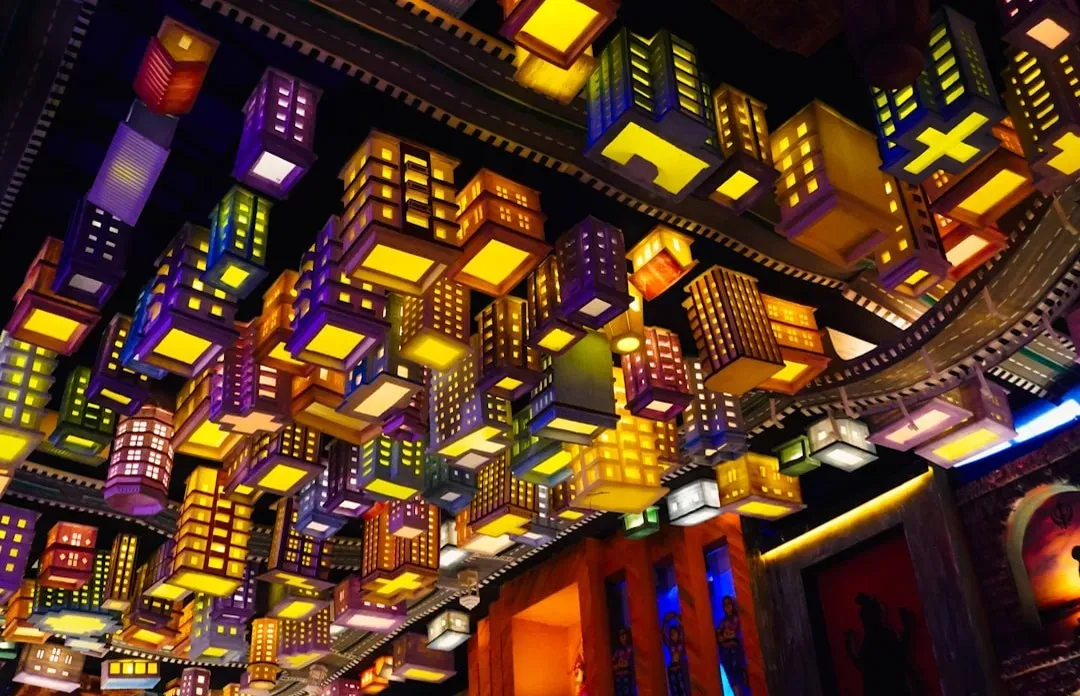
Metropolis was recut from 210 minutes in its original 1927 version to 139 minutes, 123 minutes, 117 minutes, 115 minutes, and 94 minutes in several versions over the decades. A restored version was released in 2001 and runs 147 minutes, which had been the closest possible to the original director’s cut until the rediscovery of a 16mm print of the complete, uncut version in South America.
Although it’s considered a masterpiece of cinema, the plot of Metropolis had long been difficult for some viewers to understand. A later extended version that uses footage from prints discovered after some 80 years in Argentina and New Zealand helps remedy that, by filling in plot details as director Fritz Lang had intended. Of all the films on this list, Metropolis has the longest and most fragmented history of recuts, spanning nearly a century and spread across multiple continents. The fact that something close to Lang’s original vision survives at all is something of a miracle of film preservation.
What unites all ten of these films is the reminder that a movie is never truly one thing. It’s the product of competing pressures, changing intentions, and the simple fact that editing is its own form of authorship. The cut that reaches audiences first isn’t always the most complete version of the story, and sometimes the most revealing thing about a film is the version that got away.
Partner offer
Planning a trip to Vegas?
Compare hotel rates and show tickets on VEGAS.com.