Every movie you’ve ever loved went through a version of itself that no longer exists. Scenes were filmed, performances were given, and then, quietly, something got cut. Sometimes it was a pacing call. Sometimes it was studio pressure. Sometimes a director simply realized, sitting in an edit suite at midnight, that a sequence they adored was quietly killing the movie they wanted to make.
What makes certain deleted scenes genuinely haunting isn’t just that they’re good. It’s that they carry a different emotional weight, a different meaning, a completely different version of a character or story that was almost the one we got. The films below each contain a missing piece that, had it stayed in, would have changed not just the ending but the entire emotional contract with the audience.
Aliens (1986): Ripley’s Daughter and the Grief Nobody Saw Coming
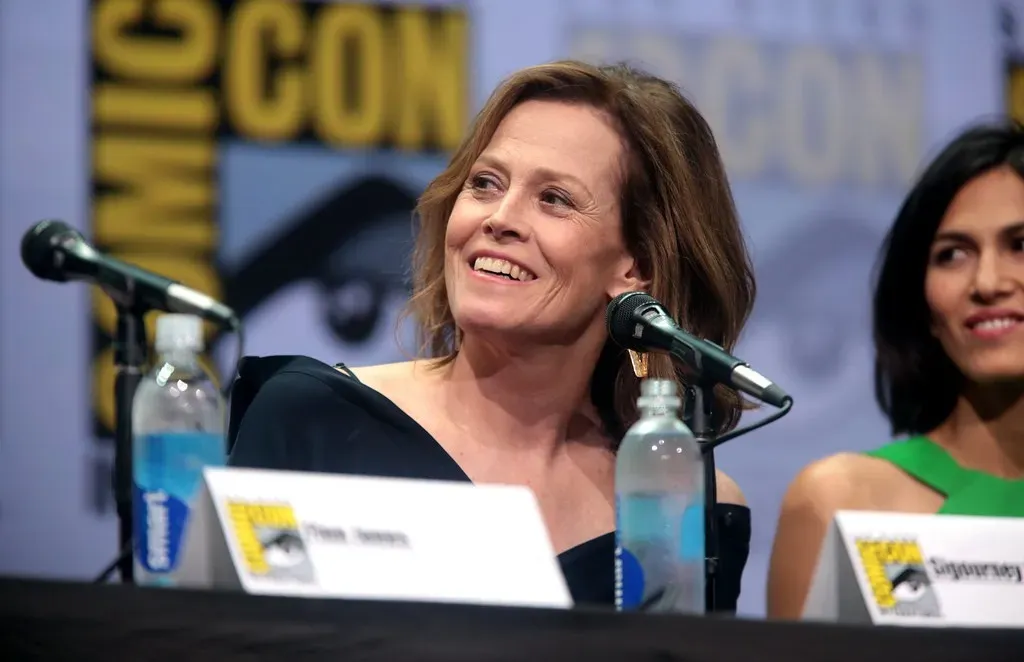
One of the best deleted scenes in all of cinema history comes from James Cameron’s Aliens. It reveals that Ellen Ripley had a daughter, and that she died while Ripley was still in hypersleep. In the photo Ripley is given, her daughter looks much older than her mother, as the daughter had aged while Ripley floated in space for decades.
These details fill in enormous blanks for the character and the movie, including why Ripley is so willing to return to LV-426 at all, and why she becomes so fiercely attached to Newt, the girl she finds on the ruined colony. The scene was cut for time, and Sigourney Weaver was reportedly not happy about it. Without it, Ripley’s bond with Newt still works, but it takes on a different dimension when you understand what she lost.
The Shawshank Redemption (1994): Red’s Panic Attack in the Grocery Store

The solution to trimming The Shawshank Redemption’s runtime was to cut five minutes out of the final act, where the recently paroled Red finds himself stuck in the same rut as his former prison mate Brooks. The openness of the outside world is discomfiting to him, and this led to a moment where Red breaks down during his shift bagging groceries at a local store.
A deleted scene shows a child pointing a toy gun at Red while he’s working. Even though the child’s act is entirely playful, Red’s past trauma immediately kicks in. His senses are overwhelmed, his mind goes back to the last time he was a free man, and he rushes to the bathroom, slumping to the floor in panic. It’s beautifully played by Freeman, but director Frank Darabont realized the melancholy tone would have made the audience so sad that they might have struggled to rally for Red’s reunion with Andy.
First Blood (1982): The Ending That Would Have Buried an Entire Franchise
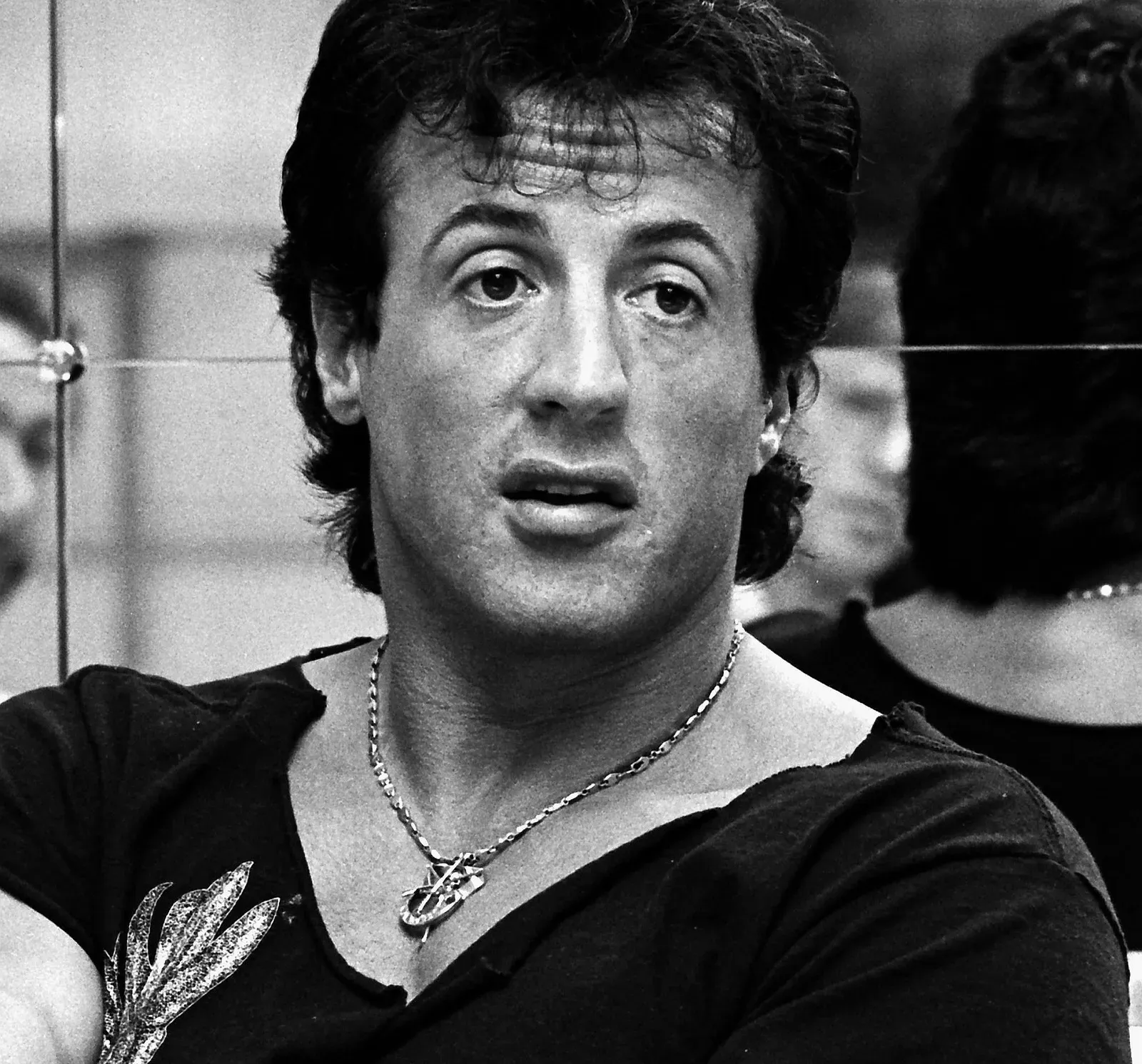
First Blood originally ended with John Rambo dying by suicide. Director Ted Kotcheff conceived of the film as Rambo’s suicide mission, and that was the plan right up until the day they shot the death scene with Colonel Trautman. Kotcheff shot both the survival ending and the suicide ending. In the suicide version, Trautman points a gun at Rambo but can’t pull the trigger, and Rambo reaches out and pulls it himself, killing himself.
Director Ted Kotcheff affirmed in an interview that John Rambo was meant to die, and there was a deeply personal reason for that choice. The film was conceived as Rambo’s tragedy, mirroring the real tragedy of Vietnam veterans Kotcheff had spoken with, including men who later took their own lives. A suicide scene was filmed, but ultimately Kotcheff and Stallone opted to have Rambo turn himself in, allowing the character to live. This proved to be a fortunate decision, as it changed Rambo’s history and allowed for a very lucrative franchise.
The Shining (1980): The Hospital Scene That Kubrick Physically Destroyed
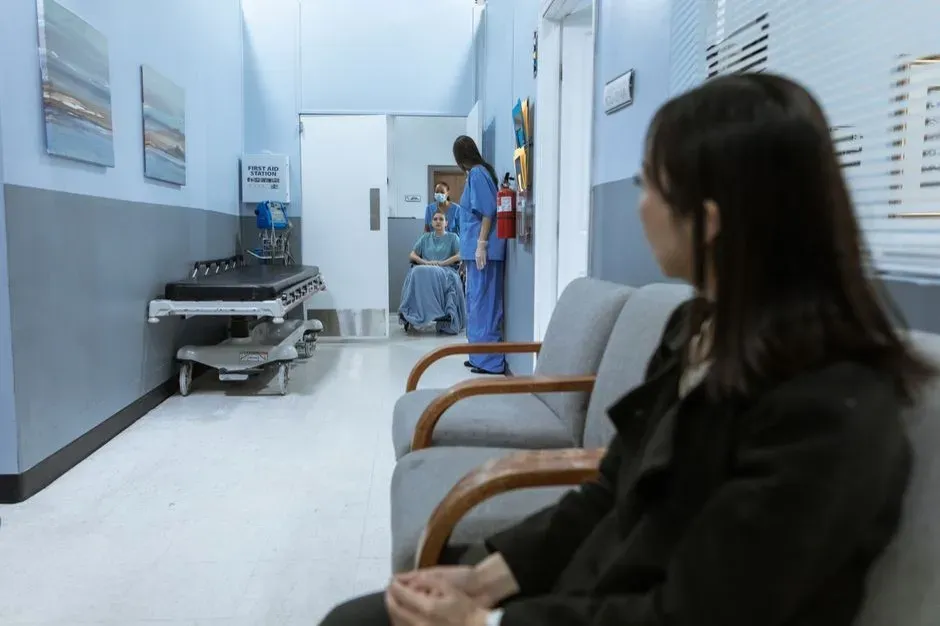
Stanley Kubrick’s The Shining was initially meant to include an epilogue scene that totally changed the film’s resolution. After rejecting the ending written by Stephen King, Kubrick went back and forth during production on what to do about the final scenes. When Warner Bros. told Kubrick to shorten the film, he cut a two-minute scene depicting Wendy in a hospital. In the scene, the Overlook Hotel’s manager Stuart Ullman visits Wendy and Danny, informs them no evidence of unusual activity appeared at the hotel, then presents Danny with a ball that had been mysteriously rolled to him earlier in the film.
This would have more openly confirmed the supernatural elements of the film, which would have also gone against the more ambiguous scares throughout the story. This deleted scene actually got out into the wild and was included in many prints of The Shining shown in New York and Los Angeles. However, after realizing the scene muddied the film’s denouement, Kubrick sent an army of assistants to remove it. It is believed that all copies of the scene were destroyed.
Harry Potter and the Deathly Hallows (2010): Petunia Dursley’s Hidden Grief
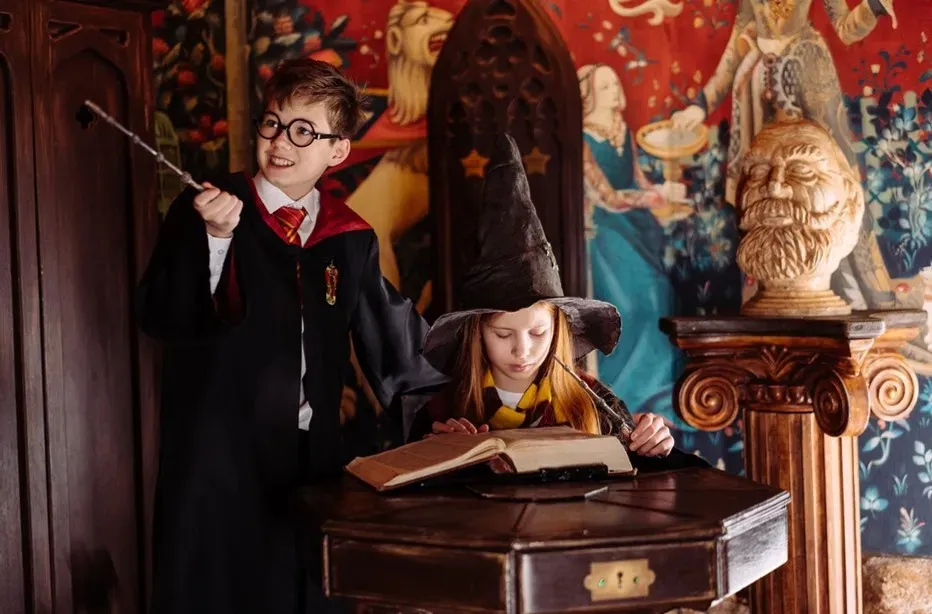
The Dursleys were portrayed harshly throughout the Harry Potter films as a result of their treatment of Harry. Throughout the franchise, they represent the mean, ignorant side of the Muggle world. Yet a deleted scene from Deathly Hallows Part 1 would have shown that Harry’s Aunt Petunia had some humanity, as she talks with enormous sadness about how the death of Harry’s mother was also the death of her sister.
It doesn’t excuse her behavior in the previous films, but it hints at the pain she endured. Harry’s presence was surely a constant reminder of that pain, and including this scene would have provided valuable context for the earlier films. After seven films of playing the cold villain of Privet Drive, giving Petunia that single moment of raw grief would have retroactively altered how audiences remembered every prior scene she appeared in.
Alien (1979): The Cocoon Scene That Rewrote the Life Cycle
The deleted cocoon scene from Alien is one that fans remain obsessed with, and it’s easy to understand why Ridley Scott cut it. In the theatrical version, Dallas and Brett are simply gone. The alien takes them, and the movie refuses to comfort you with information. That uncertainty is part of the horror.
In the deleted scene, Ripley finds them cocooned in the ship, with Brett apparently transforming into an egg and Dallas still alive nearby. It is horrifying, and it introduces a version of the alien life cycle that does not need a queen. Suddenly the creature is not just hunting, it is converting the ship into a nest. That is a huge idea, but it also stops Ripley during the escape, right when the movie needs to be pure panic.
Blade Runner (1982): The Unicorn Dream That Answered a Decades-Long Question
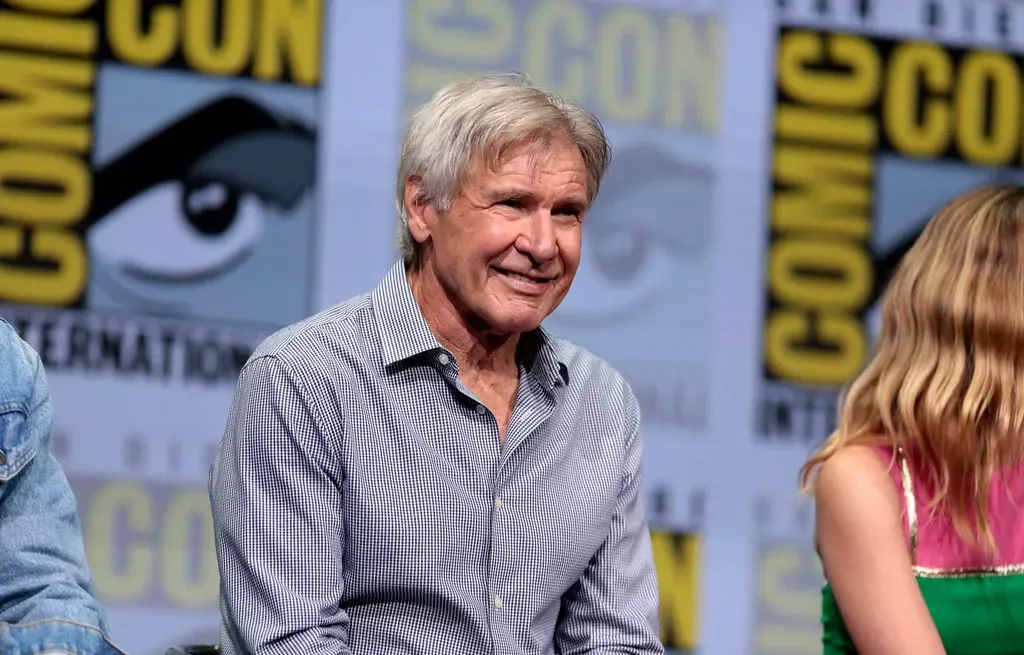
No fewer than seven different versions of Ridley Scott’s Blade Runner have been shown to either test or theatrical audiences. The most significant omission in some of those versions concerns a long-omitted daydream sequence, in which Harrison Ford’s Rick Deckard daydreams about a unicorn. While omitted in certain cuts, the scene takes on enormous significance alongside a later moment where Deckard finds an origami unicorn left by Gaff. Put the two scenes together, and fans argue the daydream’s link to Gaff’s origami is near-irrefutable proof that Deckard is a replicant.
Remove it, however, and the origami takes on a far more ambiguous tone. Gaff may have simply been signaling that he was there, but chose to let them escape. For decades, audiences argued over Deckard’s nature without realizing that one short, dreamlike sequence held the answer. Over the years, there have been seven different edits of the movie, owing to studio interference with the film.
Clerks (1994): The Ending That Would Have Killed Everything Kevin Smith Built
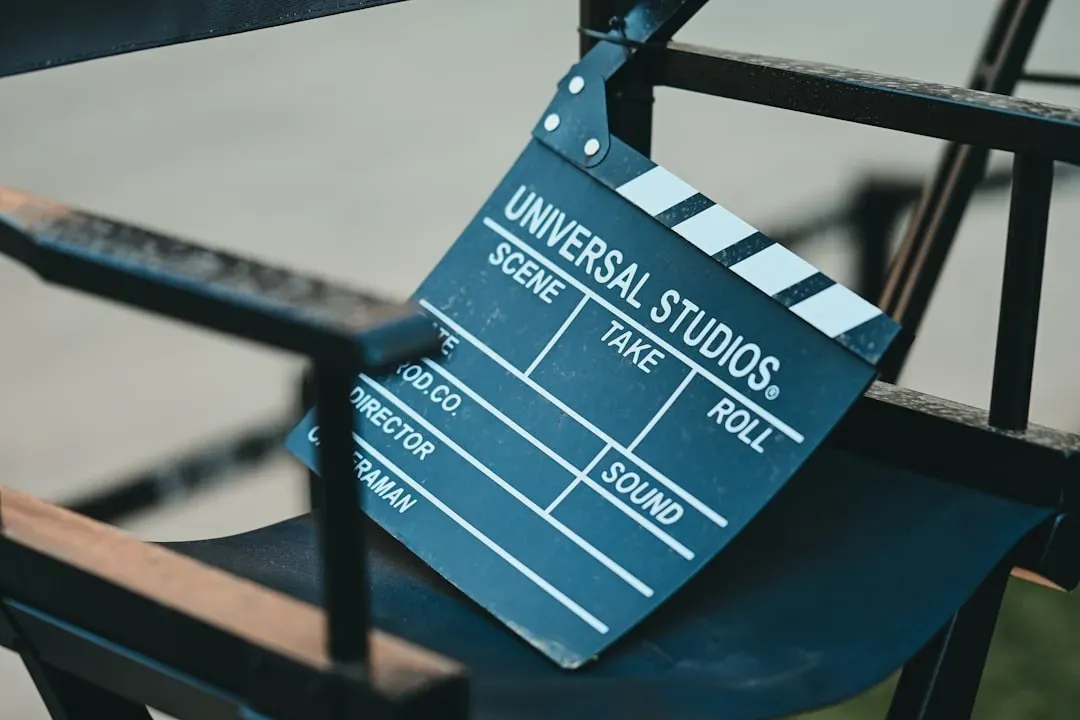
Kevin Smith’s breakthrough indie film Clerks underwent significant alteration due to the removal of its original ending. In that conclusion, Dante Hicks, portrayed by Brian O’Halloran, faced being shot by a mystery armed robber at the Quick Stop convenience store, with the final shot showing him lying helplessly on the floor.
If Smith had stuck with his original plan, Clerks might have been remembered as a shocking and divisive film rather than the endearing and influential comedy it became. The movie’s legacy would have been significantly different. For a film made with a budget of less than half a million dollars, its exploration of mundane everyday life would have been overshadowed by the bleak and violent conclusion. It’s a strange creative decision that, in being abandoned, accidentally launched a career.
Star Wars: The Last Jedi (2017): Luke Skywalker Hearing That His Best Friend Is Gone
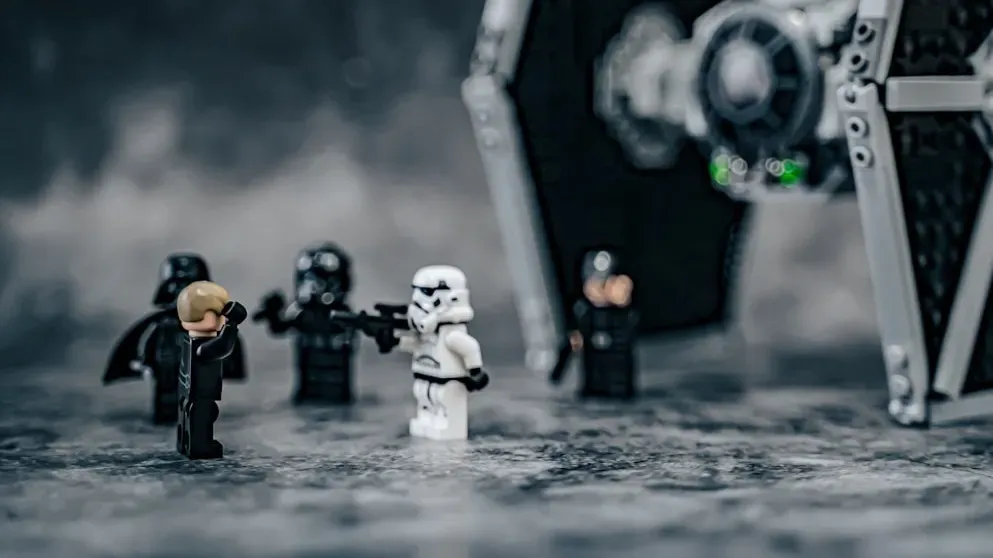
Star Wars: The Last Jedi’s emotional landscape and Luke’s character development would have taken on a whole new meaning had a deleted scene been left in the movie. In a short sixteen-second clip, Luke is shown processing the loss of his closest friend, a moment that carries immense weight given the shared history between these iconic characters.
The clip shows Luke reacting to the news of Han’s death. It’s a straightforward but impactful moment because it shows viewers that despite his withdrawn, hermit-like attitude, he is still broken about losing his closest friend. The sequel trilogy had already cost fans the chance to see the original trio together again, so this moment felt significant for understanding what was happening inside Luke. Its removal left one of cinema’s most beloved friendships with no real farewell.
Pirates of the Caribbean: At World’s End (2007): Jack Sparrow’s Moral Origin
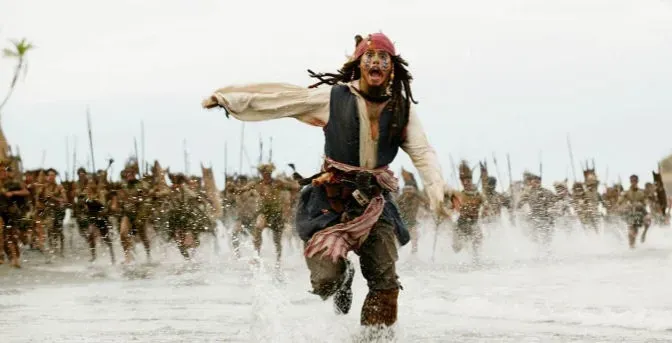
The film leans into the moral ambiguity of Jack Sparrow as long as it can, leading to the emotional climax of him giving up possible immortality to save Will Turner. However, this noble choice would have been more obvious if the film had kept a deleted scene revealing Jack’s origins. During a conversation with the villainous Beckett, Sparrow would have been revealed as a merchant sailor for the East India Trading Company who refused to transport slaves.
While this had some advantages, such as filling in why Jack had bargained with Davy Jones in the first place, the scene would have undercut the more shady elements of the character needed to keep the tension going throughout the film. There’s a genuine loss here either way. Understanding Jack’s moral foundation would have made his sacrifice resonate differently, though it might have made the journey feel slightly less mysterious. That tension between knowing too much and knowing just enough is exactly what makes deleted scenes so fascinating to revisit.