
Library sale tables look chaotic from a distance. Paperbacks lean against book club hardcovers, and a stained cookbook sits beside a stack of old encyclopedias. Somewhere in the pile, now and then, there’s a copy worth far more than the sticker price.
Experienced collectors don’t browse randomly. They carry a short mental list of titles and a few habits for checking the copyright page, the dust jacket and the publisher’s name. The ten books below turn up on those lists again and again.
Harry Potter and the Philosopher’s Stone

The Bloomsbury hardcover from 1997 is probably the most famous library connection in modern collecting. The first print run was small, about five hundred copies, and a large share of them went to libraries. That history is why collectors still hope to spot one in a donation bin.
Check the copyright page for a number line that ends in 1 and for the author credited as Joanne Rowling. Early copies also contain a few well known printing errors that specialists use to confirm the first printing. A later reprint is worth far less, so verify the details before you get excited.
The Great Gatsby
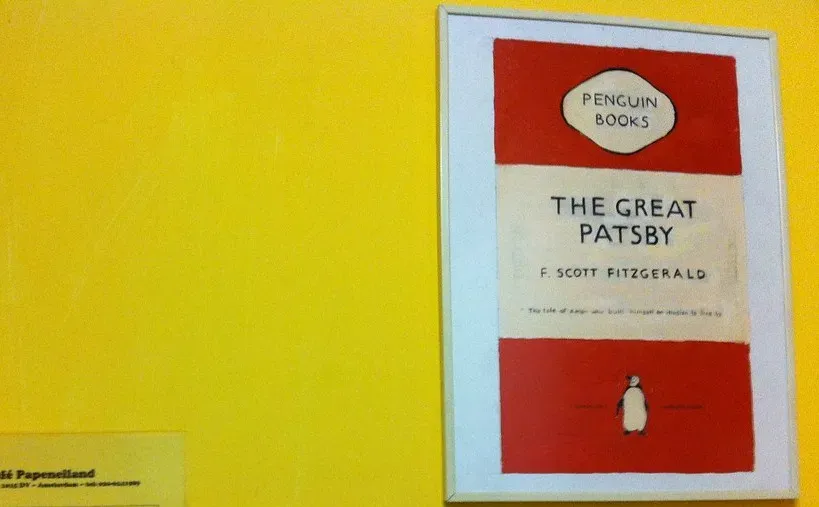
Scribner published the first edition in 1925, and the book is most valuable when it still has its original dust jacket. The jacket art, a pair of eyes floating above a carnival skyline, was painted by Francis Cugat and is among the best known in American publishing. Without the jacket, the value drops sharply.
Library sale copies are usually later printings or book club versions, so a true first is a long shot. Still, collectors check the copyright page for Scribner’s first edition statement and look for textual points that differ between the first and second printings. A quick look costs nothing.
To Kill a Mockingbird
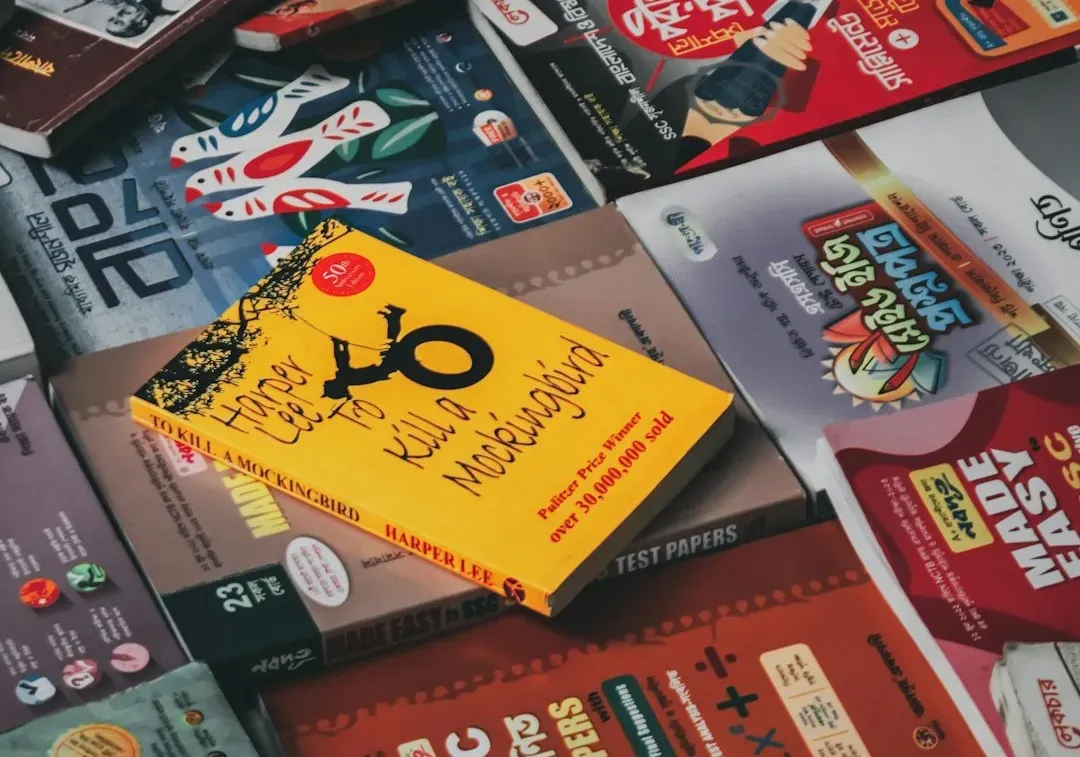
J. B. Lippincott released Harper Lee’s novel in 1960, and the first edition is a staple of American literature collecting. The copyright page of a true first states the edition, and the dust jacket carries early review material. Condition and jacket completeness matter a great deal here.
The common trap is the Book of the Month Club edition, which looks similar but is not a first. Collectors flip to the copyright page and check the binding quality and the absence of a club blind stamp on the back board. Library discards often carry stamps and pockets, which lower value even when the printing is right.
The Catcher in the Rye
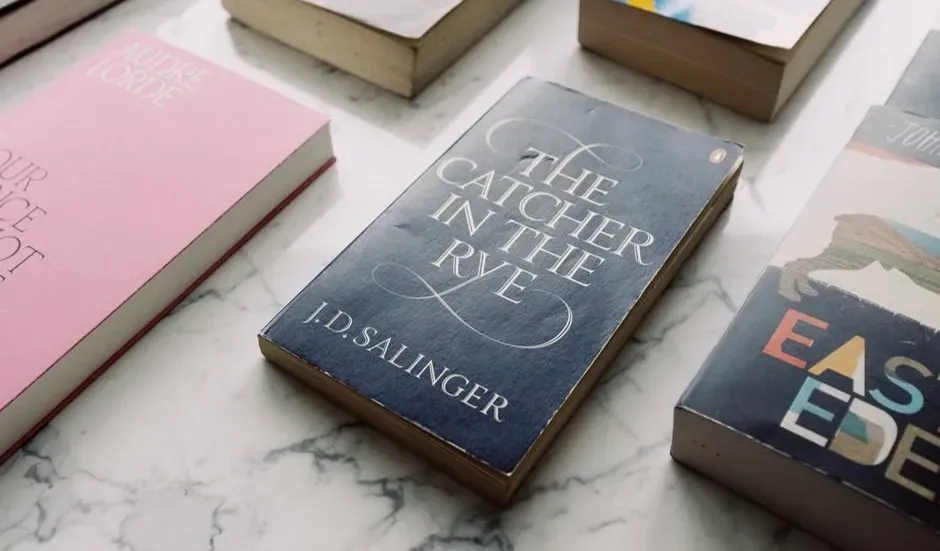
Little, Brown published J. D. Salinger’s novel in 1951. Collectors prize the first printing in its original dust jacket, since the jacket changed over time. Early jackets show a photograph of the author on the back, and that portrait was later dropped.
Because the book was widely read, many copies were thumbed to pieces. That makes a clean first with a bright jacket scarce, and library sales rarely offer one. Still, it’s worth turning over any old copy to see whether the back panel shows the author portrait.
Where the Wild Things Are

Maurice Sendak’s picture book appeared from Harper and Row in 1963. Children’s books are discarded from library collections more often than almost any other kind, because they wear out. A first edition that survived the shelf is therefore harder to find than you’d expect.
Collectors check the jacket for the absence of the Caldecott Medal, which the book won in 1964, since later jackets typically show it. They also look at the condition of the spine and corners, where heavy handling shows first. A crayon mark on a page can cut the value substantially.
Charlotte’s Web

E. B. White’s classic was published by Harper and Brothers in 1952, with illustrations by Garth Williams. It was a school and library favorite from the start, so copies were borrowed heavily. Intact first editions with jackets are the exception.
Collectors compare the copyright page and jacket details against bibliographic guides, because later printings look very similar. A signed or inscribed copy is a much rarer find, though a former library copy with a stamp or card pocket sells for a fraction of a clean one. Even so, a stamped first can still be a respectable pickup.
Carrie by Stephen King
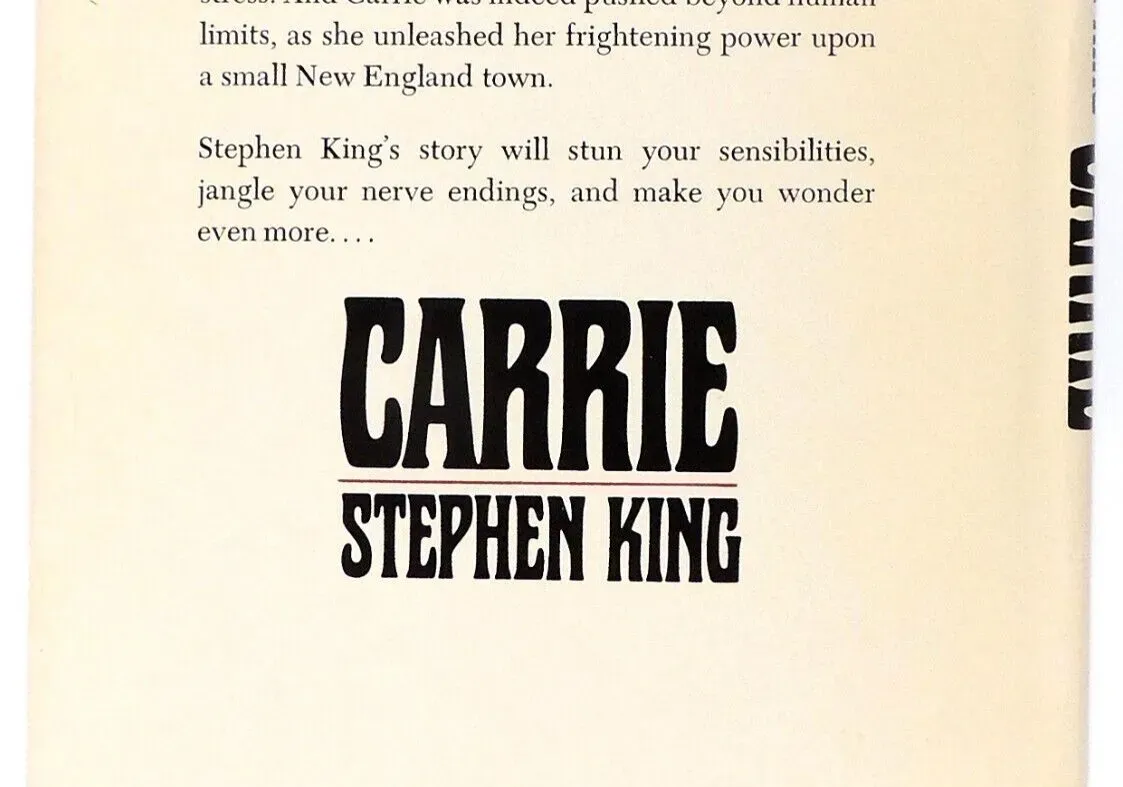
Doubleday published Stephen King’s debut in 1974, and it launched one of the best selling careers in modern fiction. The first edition is a hardcover, and Doubleday of that era didn’t always print a clear first edition statement. Collectors rely on reference guides to confirm the correct issue.
Library sale shelves often hold King hardcovers because his books were purchased in quantity. Most are later titles, so the early ones deserve a second look. A book club copy is the usual disappointment, identifiable by its lack of a price on the jacket and a small notch or blind stamp on the back board.
Lonesome Dove

Larry McMurtry’s western was published by Simon and Schuster in 1985 and went on to win the Pulitzer Prize for Fiction in 1986. Because the book was a long, popular read, many libraries bought copies. Collectors look for the first printing with its original jacket, ideally before any prize band was added.
The size of the book makes it easy to spot on a crowded table. Check the copyright page for the first edition statement and examine the jacket for fading along the spine. Signed copies add real value, though a signature should be verified before you count on it.
The Hunger Games
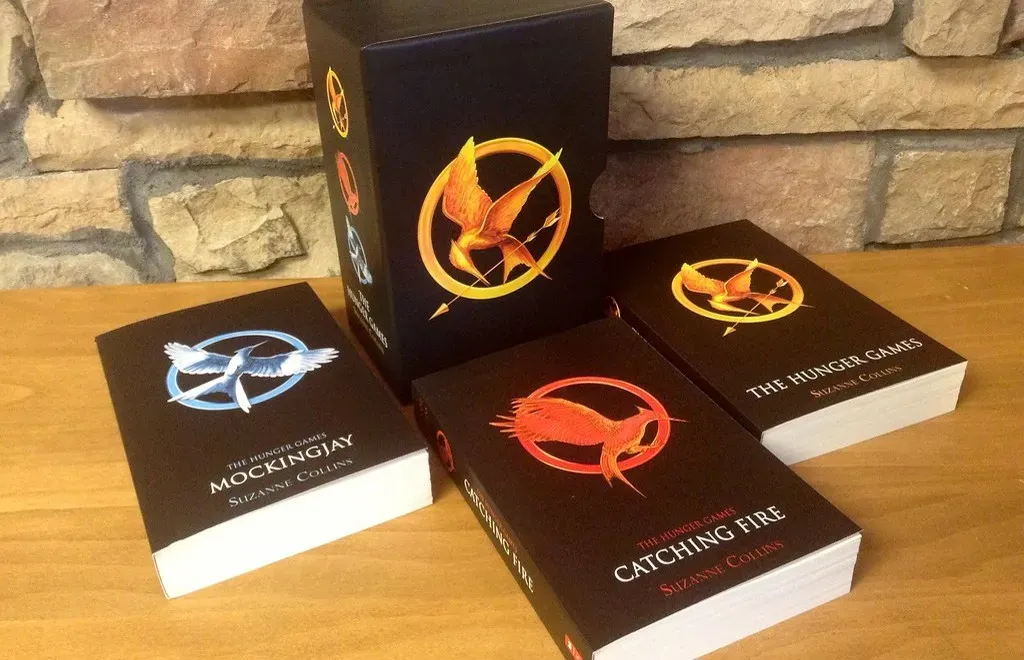
Scholastic released Suzanne Collins’s novel in 2008, and its later popularity made early printings appealing to newer collectors. School and public libraries bought it in large numbers, which means some first printings eventually reached sale tables. The copyright page notes the printing, and collectors look for the earliest one.
The hardcover is the target, not the paperback or movie tie in editions. Bright jackets and clean boards matter because the book was read by many young borrowers. It’s a more recent pick than most on this list, yet it shows how quickly a modern bestseller can enter the first edition market.
The Hobbit
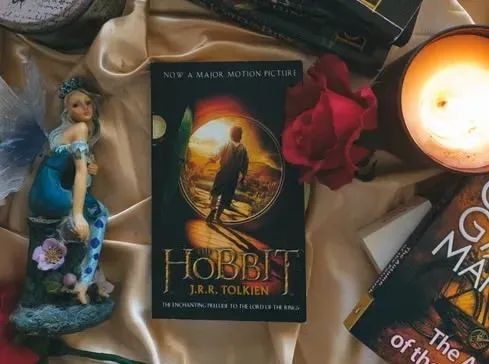
George Allen and Unwin published Tolkien’s first edition in 1937, and it stands among the most coveted children’s books in English. A true first is extremely rare and almost never turns up at a library sale. The American first, from Houghton Mifflin in 1938, is also valued, though it is far easier to confuse with later printings.
Most hopeful finds are reprints or book club copies. Collectors still check the publisher, the date and the illustrations, since early editions differ from later ones in several details. Treat any possible first as a reason to consult a bibliography or a specialist before paying more than the sale price.