Most readers can name the towering figures of literary history. Poe, Shelley, Tolkien, Austen. Their names are on syllabi, coffee mugs, and Netflix adaptations. Yet for every celebrated pioneer, there’s someone older, quieter, and almost entirely erased from the conversation who actually built the scaffolding first. The genres we devour today didn’t spring from nowhere.
Some of the most important creative minds in literary history are now little more than footnotes, their names surfacing only in academic papers or the occasional deep-dive essay. These are the writers who established the rules, invented the archetypes, and opened entire creative territories, only to be forgotten once a more famous successor arrived. Here are ten of them.
1. Ann Radcliffe – The Architect of Gothic Fiction
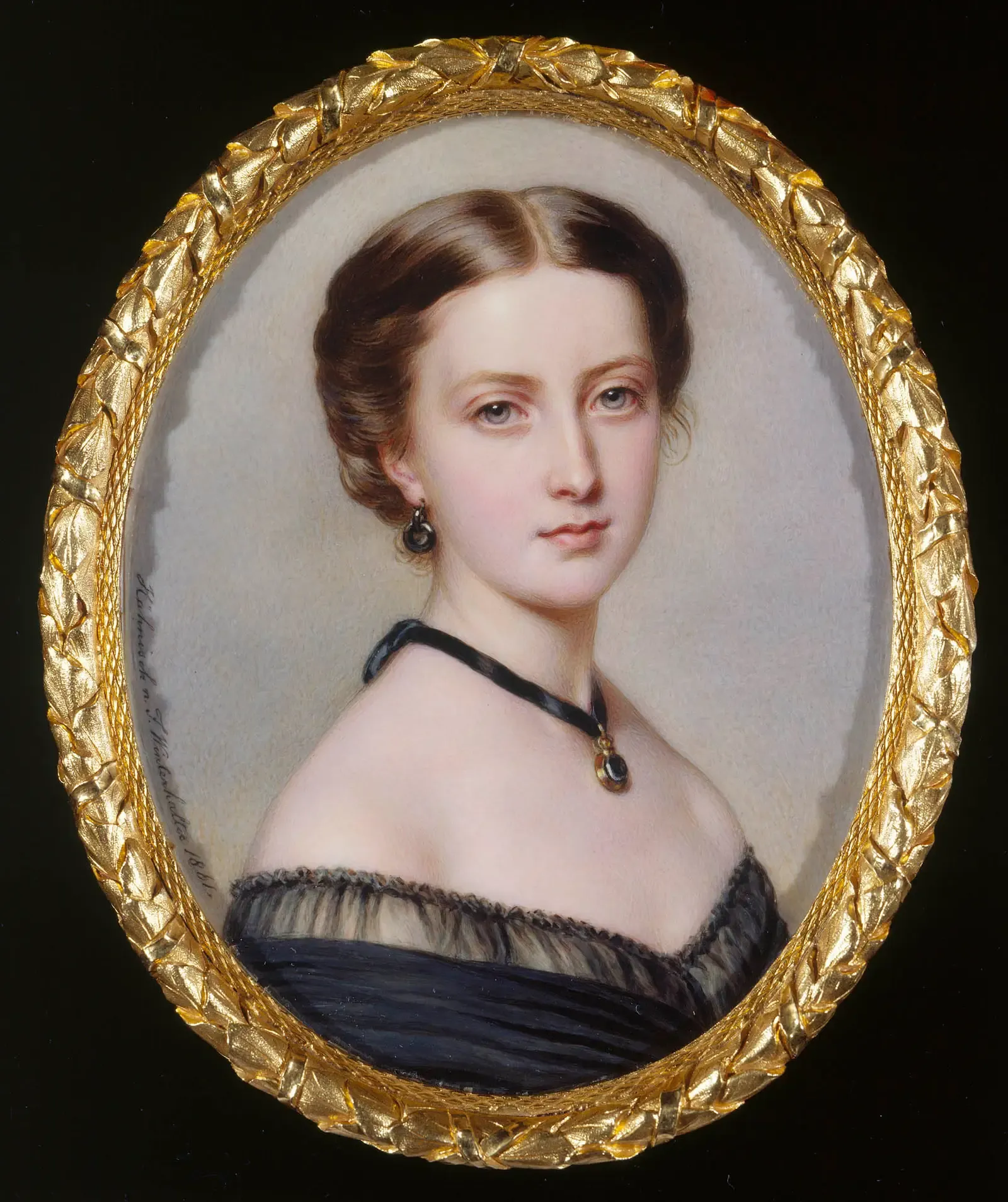
Through the huge popularity of her writing, Radcliffe became a central figure in British literature in the late 18th and early 19th centuries and firmly established the Gothic as a literary genre, one of the most popular genres in world literature today. Her novel The Mysteries of Udolpho (1794) set the template for brooding villains, crumbling castles, and persecuted heroines so completely that the genre itself was called the “Radcliffe school” during her lifetime. The literary historian Michael Gamer credits Radcliffe with inventing a new art form, “the psychological novel of suspense and the supernatural.”
During her lifetime, Gothic novels were known as the “Radcliffe school” of fiction, and she inspired numerous later authors, including Jane Austen, Mary Shelley, and Walter Scott. However, despite her success and lasting legacy, Radcliffe is now relatively unknown and her novels are not widely read outside of academic circles. The University of Sheffield launched a dedicated research project to revive her complete works precisely because she deserves a far wider audience than she currently receives.
2. Émile Gaboriau – The Man Who Built the Detective Novel
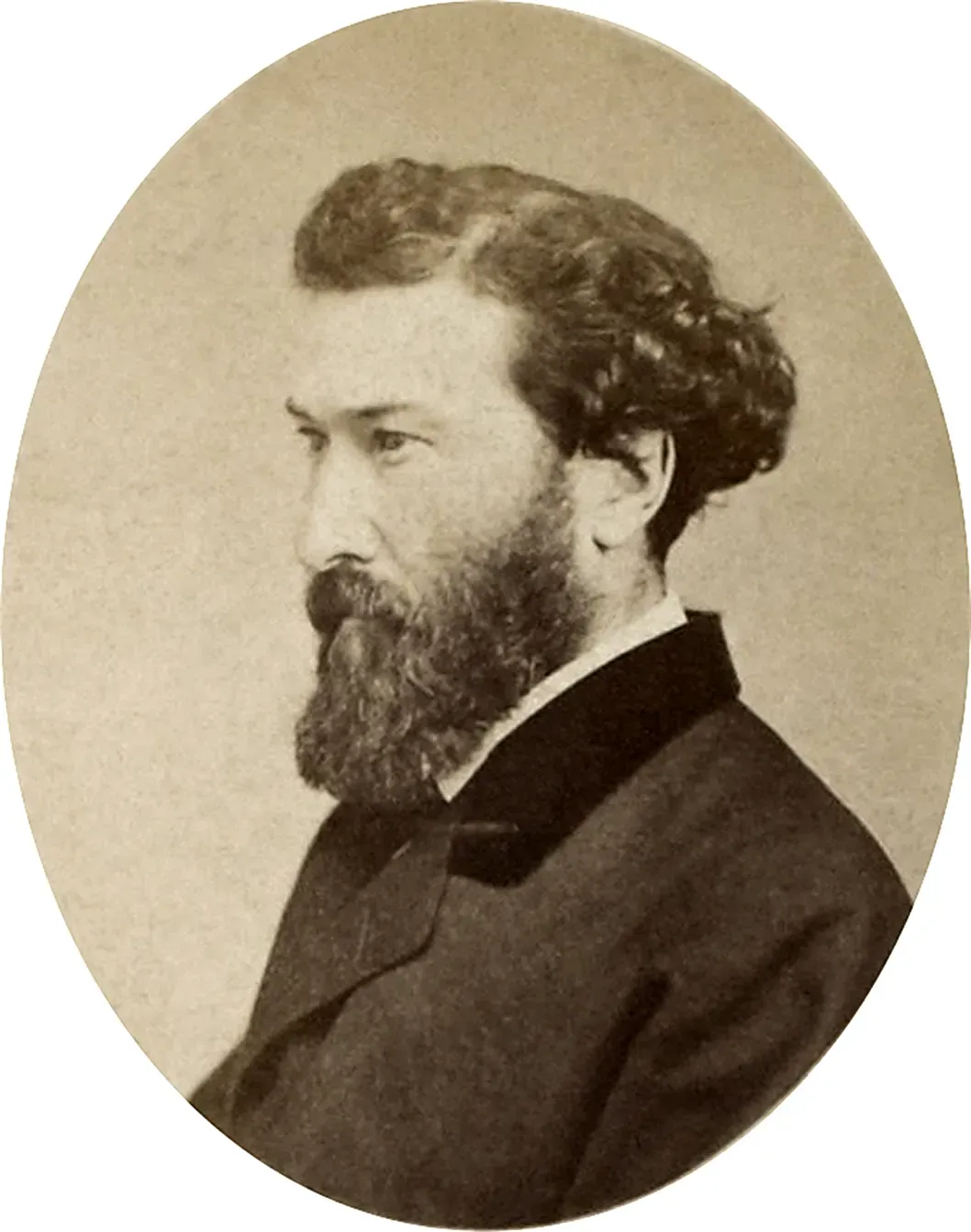
Émile Gaboriau, born in 1832 in Saujon, France, was a French novelist who is best known as the father of the roman policier, or detective novel. Gaboriau’s novels introduced many of the conventions and tropes that became synonymous with the genre, such as the brilliant detective, the clue-driven investigation, and the revelation of the criminal’s identity at the end. These elements feel obvious today precisely because Gaboriau invented them.
Gaboriau’s investigators rely heavily on newly developing scientific methodologies in their pursuit of criminals rather than simply on interrogation and eyewitnesses. Scholar Gunning considers Lecoq the first instance of a detective meticulously scouring a crime scene. Gaboriau’s huge following was eclipsed by Arthur Conan Doyle’s Sherlock Holmes, and his name largely vanished from popular conversation, even as the genre he created continued to flourish worldwide.
3. Margaret Cavendish – A Duchess Who Imagined Other Worlds
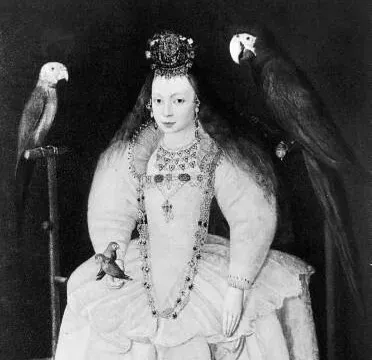
Although many would credit author Mary Shelley as the inventor of science fiction, Margaret Cavendish can also be counted as an essential pioneer. Her book The Blazing World is one of the first to fall into the science fiction genre. The Blazing World is a 1666 work of prose fiction by the English writer Margaret Cavendish, the Duchess of Newcastle. It features a woman discovering a parallel world through a portal at the North Pole, encountering animal-human hybrids, advanced technology, and a society governed by reason.
Cavendish was a poet, philosopher, writer of prose romances, essayist, and playwright who published under her own name at a time when most women writers published anonymously. Her writing addressed a number of topics, including gender, power, manners, scientific method, and philosophy. According to the Encyclopedia of Science Fiction, Cavendish’s idiosyncrasies should not detract from her significance as one of the founders of what has come to be known as feminist science fiction. She remains one of the most genuinely strange and visionary writers of any century.
4. Horace Walpole – The Gothic Originator Overshadowed by His Successors
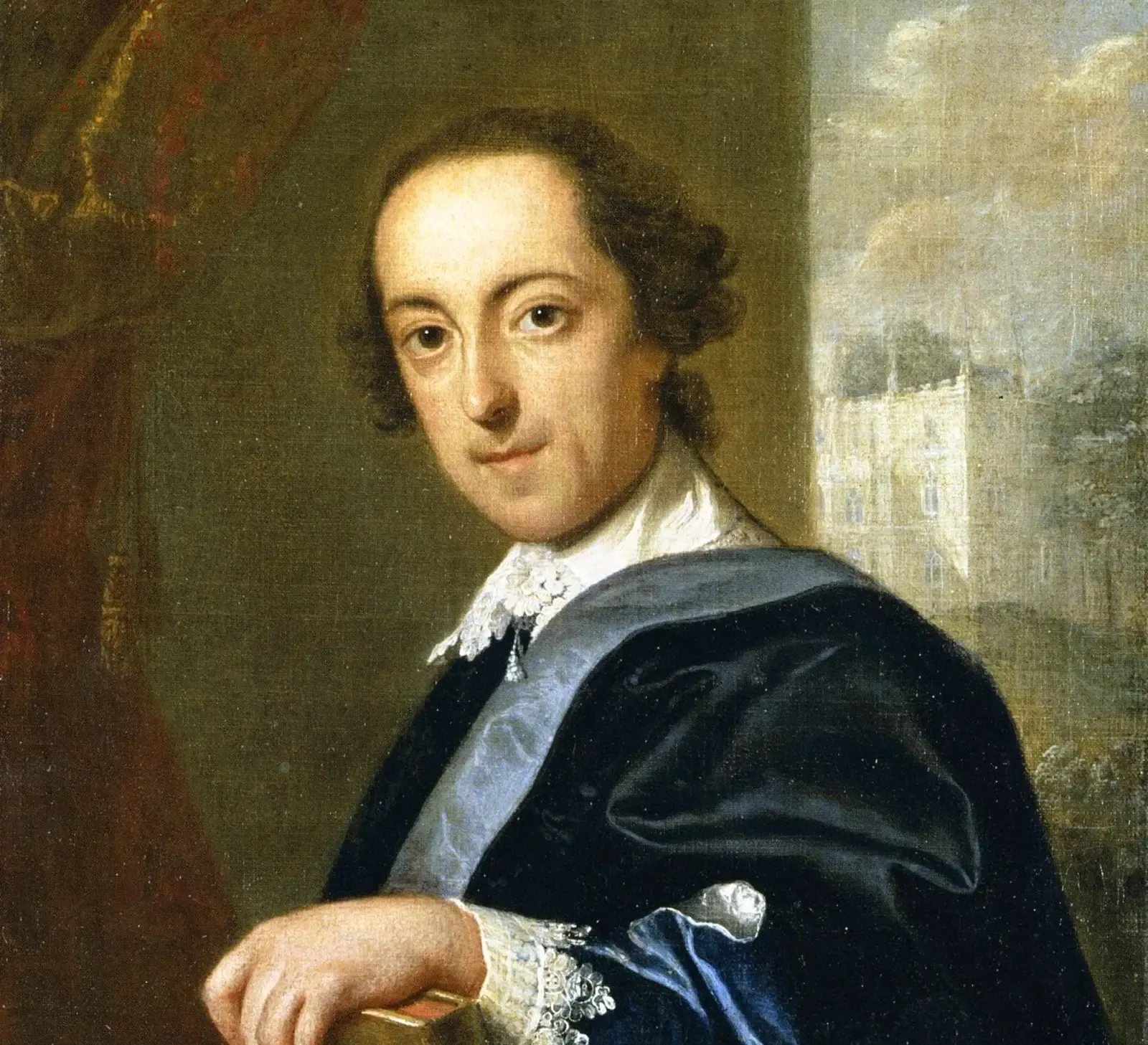
With The Castle of Otranto, published in 1764, Walpole didn’t just write a novel – he sparked an entire movement. He set his tale in a gloomy, labyrinthine castle, complete with supernatural events and tragic secrets. Literary critics still cite him as the “father of Gothic fiction,” and his blending of medieval settings, family curses, and psychological dread laid the foundation for generations of horror writers.
Most readers associate Gothic fiction with Mary Shelley or Bram Stoker, two names who arrived far later. Walpole preceded them all. The eerie tension and dramatic atmospheres we love in modern horror owe a debt to Walpole’s original vision. Without him, there might never have been a Dracula, a Frankenstein, or even a haunted house story on your favorite streaming platform. Yet his name rarely appears outside literary history courses.
5. Cyrano de Bergerac – The Original Science Fiction Satirist
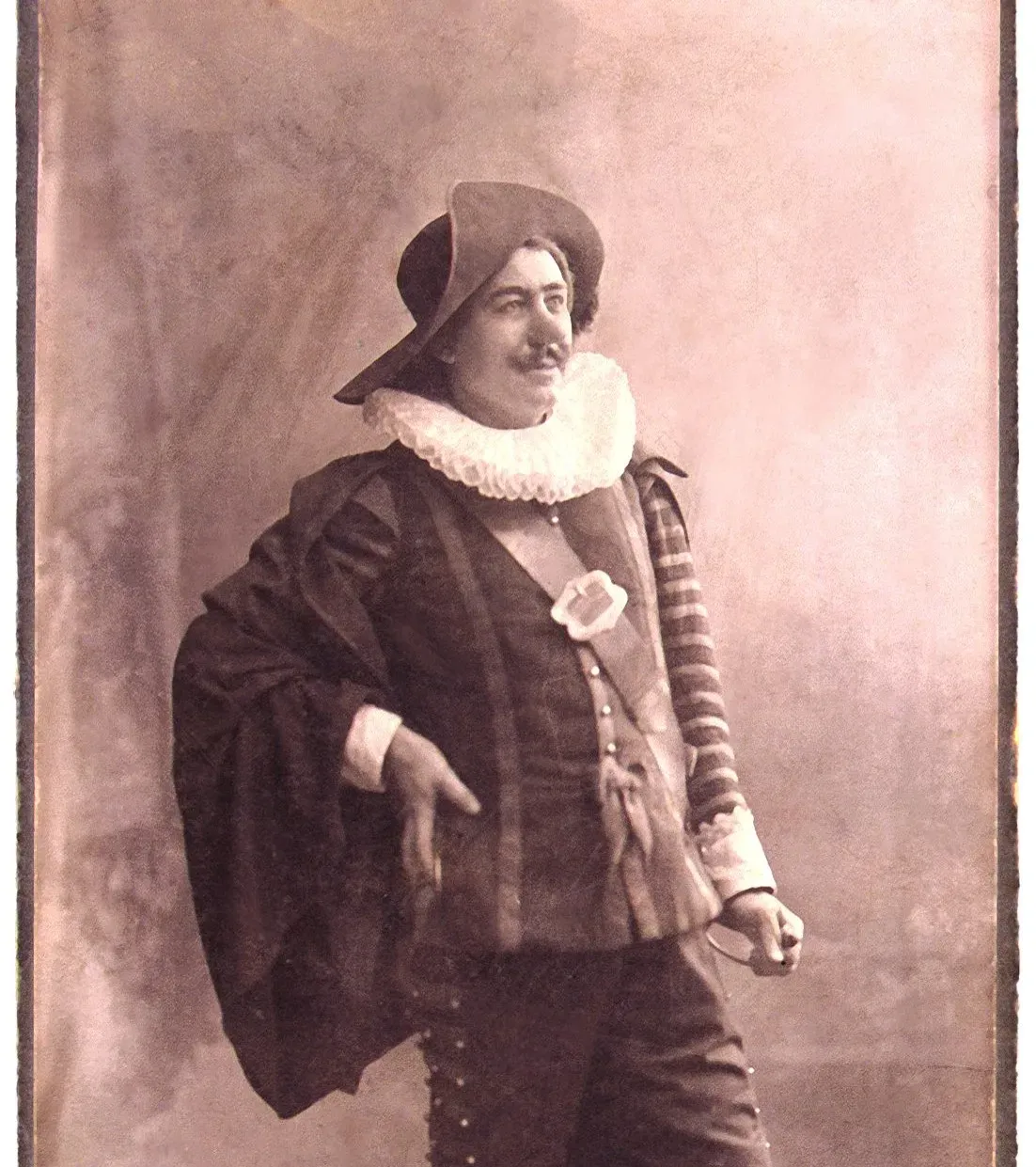
De Bergerac used his wild tales to lampoon politics, religion, and human folly, making him one of the earliest writers to use science fiction for social commentary. His lunar voyages inspired later visionaries like Jules Verne and H. G. Wells, who cited him as a precursor. His 17th-century work Other Worlds described journeys to the moon and sun stuffed with speculative technologies and outlandish inventions that were far ahead of his era’s scientific understanding.
Bergerac’s blend of humor, adventure, and speculative science shows that the roots of modern sci-fi are as much about questioning the status quo as they are about exploring new worlds. He understood that the alien setting was most useful as a mirror for human society, a concept that defines the best science fiction written today. Most contemporary readers know him only as the long-nosed romantic hero of Rostand’s later play, missing the genuine literary innovator behind that famous nose.
6. Mary E. Bradley Lane – The Forgotten Feminist Utopian
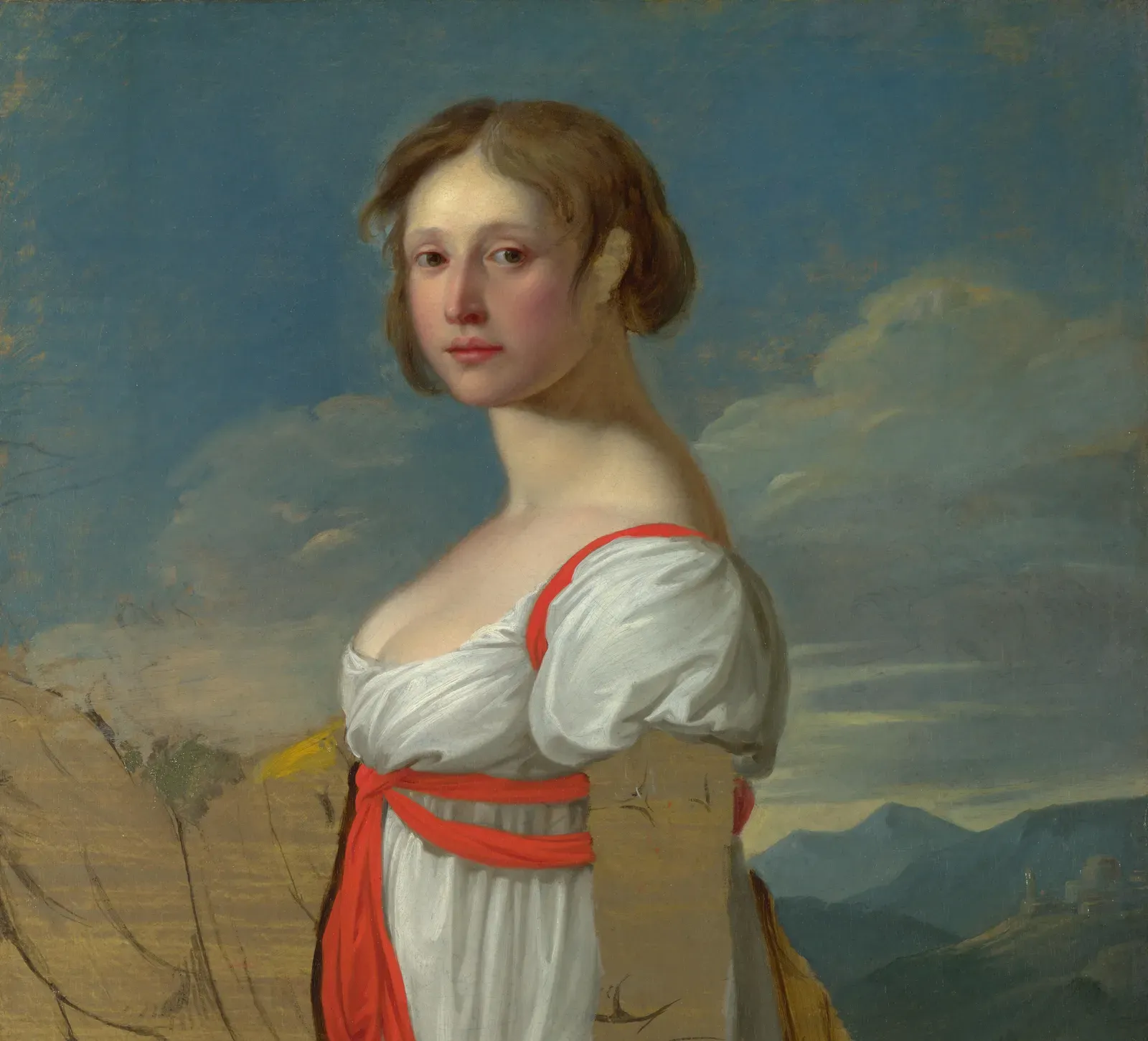
Mary E. Bradley Lane’s Mizora: A Prophecy, first published in 1880, was a revelation – a vision of a society run entirely by women, powered by technology and education. Lane’s story imagines a world where science has eliminated disease, poverty, and even war, and where women are free to shape their destinies. It appeared in serialized form in a Cincinnati newspaper before becoming a book, reaching a broad audience before almost completely disappearing from the record.
Her ideas were so progressive that her book was almost lost to history, rediscovered only in the late 20th century. Lane anticipated debates about gender, equality, and technology that still rage today. Literary historians now see her as a forerunner of feminist science fiction, a genre that would later flourish with writers like Ursula K. Le Guin and Octavia Butler. That her name remains obscure while those later writers are celebrated is one of literary history’s quiet injustices.
7. Charles Felix – The Mystery Man Behind the First Detective Novel
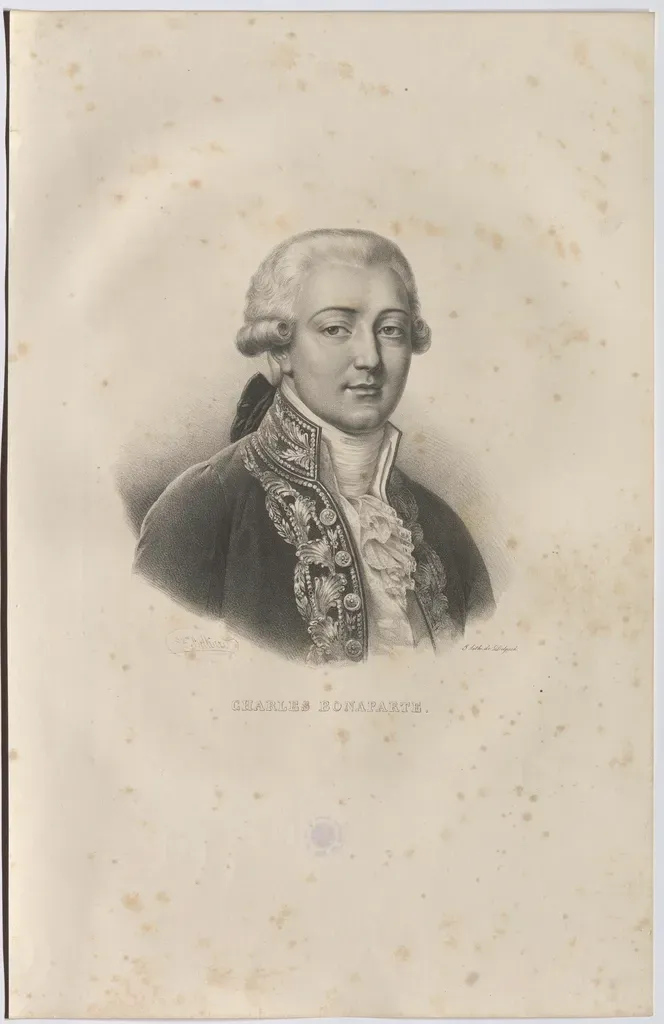
Charles Felix is the mysterious author behind The Notting Hill Mystery, published anonymously in 1865 and now considered by some scholars to be the very first detective novel. Felix’s work introduced a complex plot involving murder, insurance fraud, and chemical poisonings, elements that would become staples of the genre. The identity of Charles Felix was itself a mystery for many decades, which is almost too fitting for a man who effectively wrote the rulebook for mystery fiction.
The narrative’s use of multiple documents – letters, diaries, and reports – was ahead of its time, creating a sense of realism and suspense. Felix’s innovative approach foreshadowed the modern crime thriller, making his forgotten masterpiece a hidden gem for fans of detective fiction. His layered narrative structure, essentially a case file assembled from different voices, anticipates the epistolary crime novels that remain popular well into the 21st century.
8. William Morris – The Craftsman Who Built Modern Fantasy
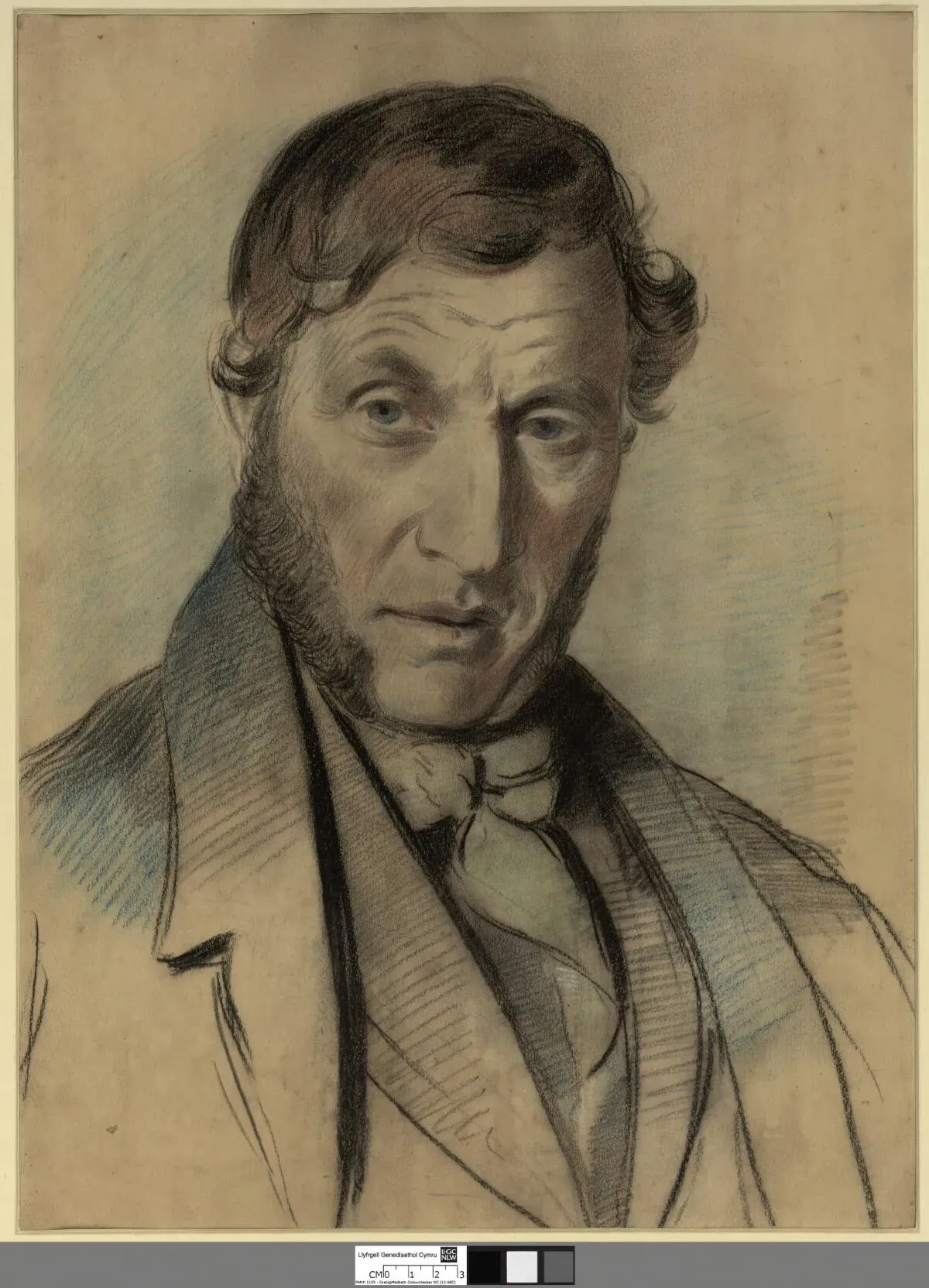
There were pastoral fantasies, Gothic fantasies, and fairy tales before William Morris’s novels. But it was Morris’s version of fantasy that became the dominant form in the 20th century and remains so today. Morris, writing in the late 19th century, created secondary worlds with their own coherent histories, languages, and mythologies – a methodology that Tolkien borrowed extensively and openly acknowledged.
Those curious about the exact elements that Tolkien took from Morris, and which Tolkien freely admitted to, are directed to Michael W. Perry’s foreword in The House of the Wolfings, which describes at length Tolkien’s debts to Morris. Morris was a polymath: painter, designer, political activist, and poet. His novels are rarely read today, yet they form the invisible skeleton of almost every fantasy world created since.
9. Thomas More – The Inventor of Utopian Fiction
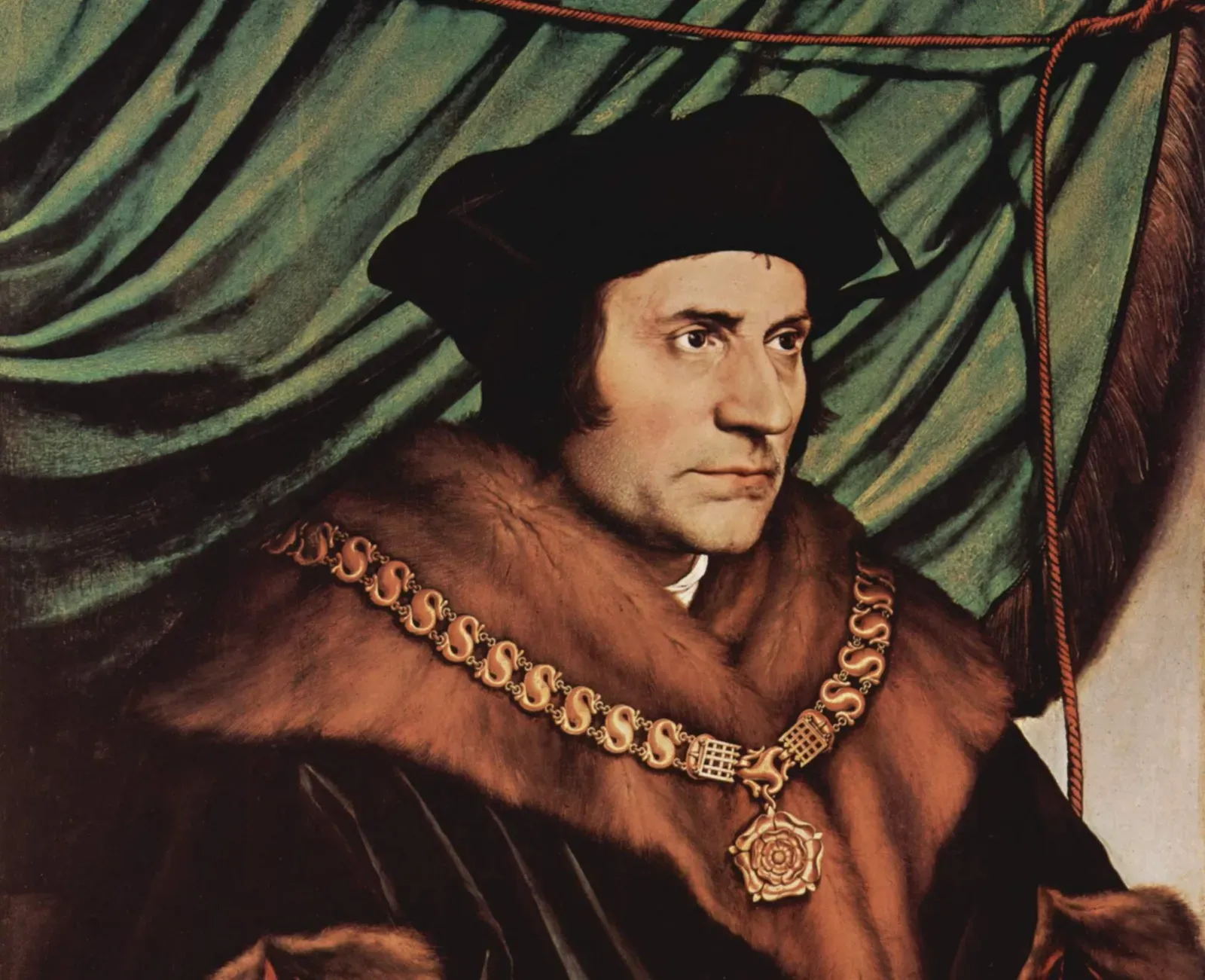
More imagines an island nation in which he can experiment with society and politics, much like Plato did with Atlantis. More than the first book of the “utopian” genre, this is actually the first of true world-building. More first published Utopia in Latin, and later in English in 1551. The book gave an entire genre its name – utopia itself is More’s coinage, a Greek-inflected pun meaning “no place” or “good place” depending on how you read it.
More’s work established a tradition that runs directly through Swift, Huxley, Orwell, and Le Guin. Every dystopian novel written today is, in some sense, a response to the ideal society More sketched on that imaginary island. In the space of a century, writers invented new genres from science fiction to magical realism, and used the novel as a weapon against totalitarianism, colonialism, and the comfortable lies societies tell themselves – but More’s Utopia was where much of that tradition began, half a millennium ago.
10. Aphra Behn – The First Professional English Novelist
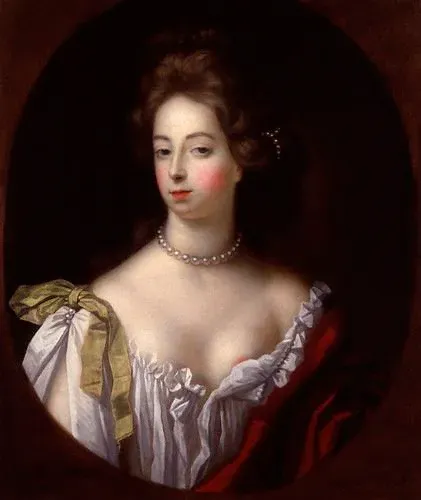
Aphra Behn, writing in the late 17th century, is credited by many literary historians as one of the first women to make a living from writing in English, and her short prose work Oroonoko (1688) is widely cited as a foundational text in the development of the novel as a form. She produced plays, poems, and prose fiction at a time when female authorship was barely conceivable. Some invented techniques now so commonplace we forget they were innovations. Others captured historical moments with such precision that their books became primary documents of human experience. Behn did both.
Authors have continually pushed the boundaries of storytelling, experimenting with language, structure, and perspective. Behn was doing exactly that when virtually no one else – and certainly no other woman – was permitted to. Virginia Woolf famously argued that all women who write owe something to Aphra Behn. That debt remains largely unpaid in terms of public recognition, despite growing scholarly attention to her work in recent years.
What these ten writers share isn’t obscurity by accident. In most cases, a more famous successor absorbed their innovations, and the originator quietly disappeared from the narrative. Genre history tends to crown the person who refined an idea rather than the one who first had it. Reading these forgotten pioneers isn’t just an act of literary archaeology – it’s a reminder that the stories we tell about influence and invention are almost always incomplete.