The music industry has a short memory for bad art, but a long one for bad behavior. Talented people get second chances all the time. What they rarely get is a third or fourth chance after they’ve cheated, abused, defrauded, or embarrassed nearly every person willing to give them a shot. Some producers don’t just fall from grace. They torch the whole thing on the way down.
The five names on this list didn’t simply fade out. They burned relationships, careers, and in some cases entire institutions. What remains is a cautionary tale about how quickly a studio full of hits can become a room nobody wants to enter.
Dr. Luke: The Hitmaker Nobody Wants to Publicly Endorse

Dr. Luke’s work includes iconic songs like Miley Cyrus’s “Party in the U.S.A.,” Katy Perry’s “Teenage Dream,” and Kesha’s “Tik Tok.” That’s an undeniable run. For a stretch in the 2000s, he was arguably the most commercially effective pop producer alive. His image came crashing down in 2014 when Kesha filed a lawsuit against him, accusing him of sexual assault, battery, and emotional abuse.
Kesha and Dr. Luke reached an agreement to settle a defamation lawsuit in 2023. The legal battle was over, but the reputational damage was permanent. Despite the accusations and the harm to his public image, Dr. Luke continued to produce hit songs under various aliases, working under the moniker Tyson Trax. As recently as June 2025, Zara Larsson made clear she couldn’t understand why other artists were continuing to work with Dr. Luke, calling out musicians for partnering with the producer despite his controversies. The industry has largely moved on without him – even if a few collaborators still quietly reach for the phone.
Lou Pearlman: The Man Who Stole From Everyone He Made Famous

Lou Pearlman was the person behind many successful 1990s boy bands, having formed and funded the Backstreet Boys and later developed NSYNC. For a while, he was the most powerful name in pop music management and production. In 2006, he was accused of running one of the largest and longest-running Ponzi schemes in United States history, leaving more than $300 million in debts.
The members of the Backstreet Boys were the first to file a lawsuit against Pearlman, feeling that their contract was unfair, after member Brian Littrell hired a lawyer to determine why the group had received only $300,000 for all of their work while Pearlman and his record label had made millions. With the exceptions of US5 and Marshall Dyllon, all of the musical acts that worked with Pearlman sued him in federal court for misrepresentation and fraud. In 2008, Pearlman was sentenced to 25 years in prison, but he only served eight of those years: he died in 2016 due to heart problems at the age of 62. The 2024 Netflix documentary Dirty Pop explored Lou Pearlman’s long scam, including the effect it had on the boy bands he managed.
Partner offer
Scott Storch: A $70 Million Fortune Snorted Into Thin Air
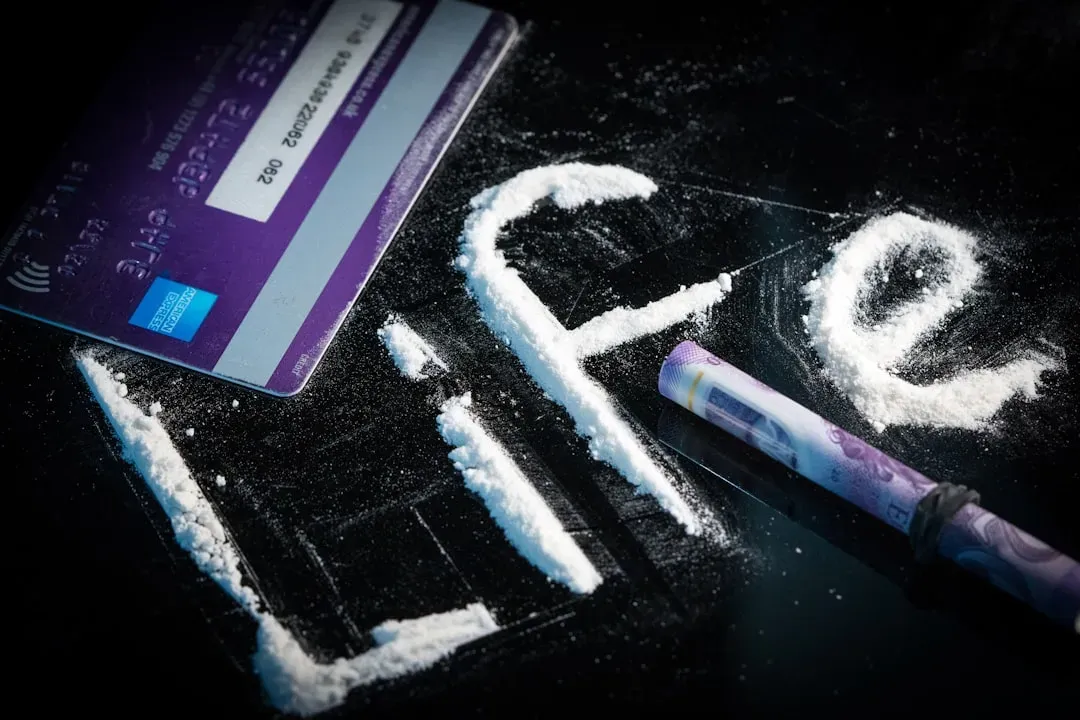
Between 2003 and 2005, Storch was arguably the biggest producer in hip-hop and R&B, with Billboard Hot 100 number-one hits like Fat Joe’s “Lean Back,” 50 Cent’s “Candy Shop,” Mario’s “Let Me Love You,” and Chris Brown’s “Run It!” His sound was ubiquitous on pop radio, and Storch became one of the wealthiest musicians in the world. Compared to his super-producer contemporaries, though, Storch’s peak was a flash in the pan, a career cut short by disastrous extravagance and a nasty cocaine habit that sapped his $70 million fortune.
By 2006, Storch’s addiction had intensified, leading him to spend approximately $30 million in less than six months on cocaine, luxury cars, and jewelry. In 2007, Storch exhibited erratic behavior amid his substance use, and by February 2008 he was arrested in Las Vegas for cocaine possession after refusing to pay a hotel bill. He had a public flare-up with Christina Aguilera over the cost of a private jet to fly him out to produce her album “Back to Basics.” Artists who had lined up to work with him quietly stopped calling. The combination of unreliability and self-destruction made him radioactive in professional circles for well over a decade.
Phil Spector: Genius Followed by Murder
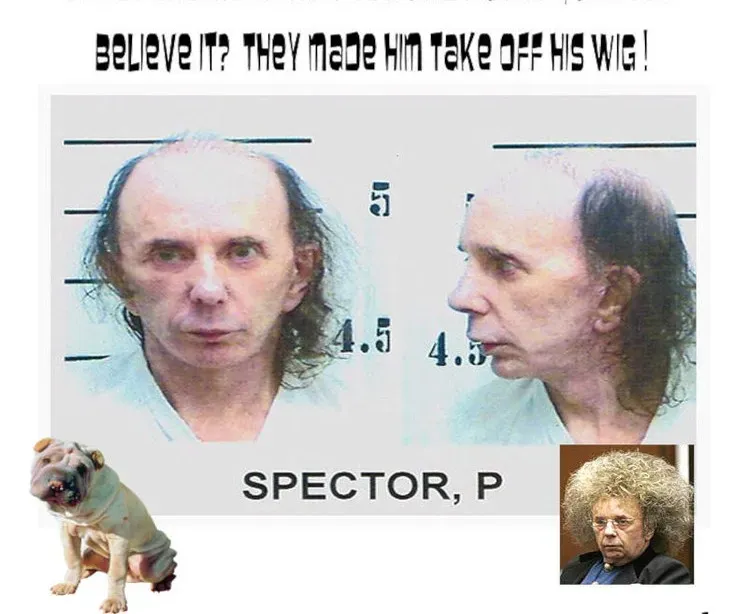
Phil Spector invented the “Wall of Sound” recording technique and produced some of the most celebrated records of the 20th century, including work with The Beatles, the Ronettes, and the Righteous Brothers. His technical contributions to music production are genuinely unparalleled. Yet the industry had grown deeply wary of him long before his crimes came to light. His behavior in studios was notoriously erratic, and his habit of brandishing firearms during sessions had made him a figure that major artists simply refused to be in a room with.
Spector was a genius 1960s music producer who was also deeply troubled, with a controlling personality and an enthusiasm for guns that eventually led him to be convicted for the murder of Lana Clarkson. He was convicted in 2009 and died in prison in January 2021. The crimes confirmed what much of the industry had privately believed for years: that the genius was inseparable from the danger. No posthumous reassessment of his musical catalog has rehabilitated his name in any professional sense.
Ian Watkins: A Rock Career That Ended in Absolute Condemnation

Lostprophets released five studio albums, four of which made the top 10 of the UK Albums Chart, including Liberation Transmission which went to number 1 in 2006. Ian Watkins was the frontman and a core creative force behind that success. The Lostprophets singer enjoyed all the trappings of music success, but took a dive into something very dark: he pleaded guilty to the attempted rape and sexual assault of children under the age of 13 and was sentenced in 2013.
Lostprophets ended in ignominy, unable to extract themselves from the association with Watkins, although some of the band went on to form a new group called No Devotion. They felt their former band was forever tainted by Watkins’ behavior. Watkins was attacked with a knife at Wakefield prison in October 2025 and subsequently died. There is no version of any future where anyone in the music industry would consider working with him. His name has become a permanent byword for the absolute worst that the industry can enable when warning signs are ignored long enough. The bridges weren’t just burned. The ground beneath them was salted too.
Partner offer
Planning a trip to Vegas?
Compare hotel rates and show tickets on VEGAS.com.