October has a way of making old houses feel older. The light goes thin by late afternoon, the wind rattles a window, and suddenly a book about a crumbling manor sounds like exactly the right company.
Gothic fiction has been feeding that mood for more than 250 years. The ten novels below run from the genre’s earliest days to a recent favorite, and each one rewards a long evening with a lamp and a blanket.
Dracula by Bram Stoker

Published in 1897, Stoker’s novel is told through letters, diary entries, and newspaper clippings. That patchwork format makes the story feel like a stack of evidence someone has gathered in a hurry. It opens with Jonathan Harker traveling to Transylvania, where a client’s castle turns out to hold more than paperwork.
Count Dracula wasn’t the first vampire in English literature, but this book shaped the template most readers still recognize. The slow dread of the early chapters is the best part, so don’t skip ahead to the London sections. Modern editions are easy to find, and the text is in the public domain.
Frankenstein by Mary Shelley

Mary Shelley began this story during the summer of 1816, when a group of friends staying near Lake Geneva challenged one another to write ghost stories. The novel appeared anonymously in 1818, and Shelley later revised it for an 1831 edition. Which version you read can change small details, so check the front matter.
Many people expect a lumbering monster, yet the creature in the book is articulate and painfully lonely. Victor Frankenstein is the one who runs from responsibility. It’s a short, sharp read that still raises uncomfortable questions about ambition and care.
Rebecca by Daphne du Maurier

Du Maurier’s 1938 novel begins with one of the most famous opening lines about a dream of a house called Manderley. The unnamed narrator marries a wealthy widower and finds herself living in the shadow of his first wife, Rebecca. Everyone around her seems to measure her against a woman who is already gone.
Mrs. Danvers, the housekeeper, is the book’s most unsettling presence, and her quiet menace builds without any need for ghosts. Alfred Hitchcock adapted the story in 1940, and that film won the Academy Award for Best Picture. Read the novel first if you can, since its slow pressure is hard to match on screen.
Jane Eyre by Charlotte Brontë
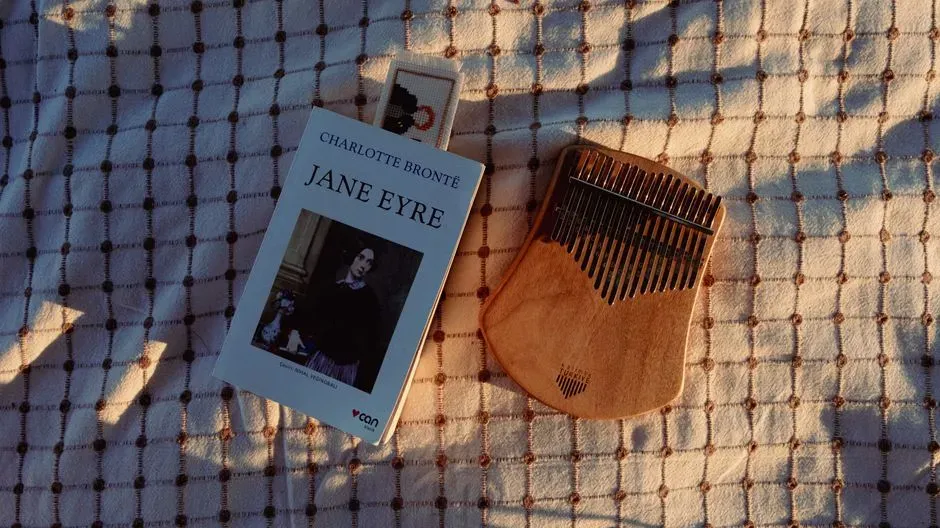
Charlotte Brontë published this book in 1847 under the pen name Currer Bell. It follows an orphaned girl from a cruel childhood through a harsh school and into a job as governess at Thornfield Hall. The house itself, with its locked rooms and strange laughter in the night, supplies the gothic atmosphere.
What keeps the novel alive is Jane’s voice, which is direct, stubborn, and observant. The romance with Mr. Rochester matters, but the secret in the attic matters more to the genre. It’s a good pick if you want gothic tension mixed with a strong moral spine.
Wuthering Heights by Emily Brontë
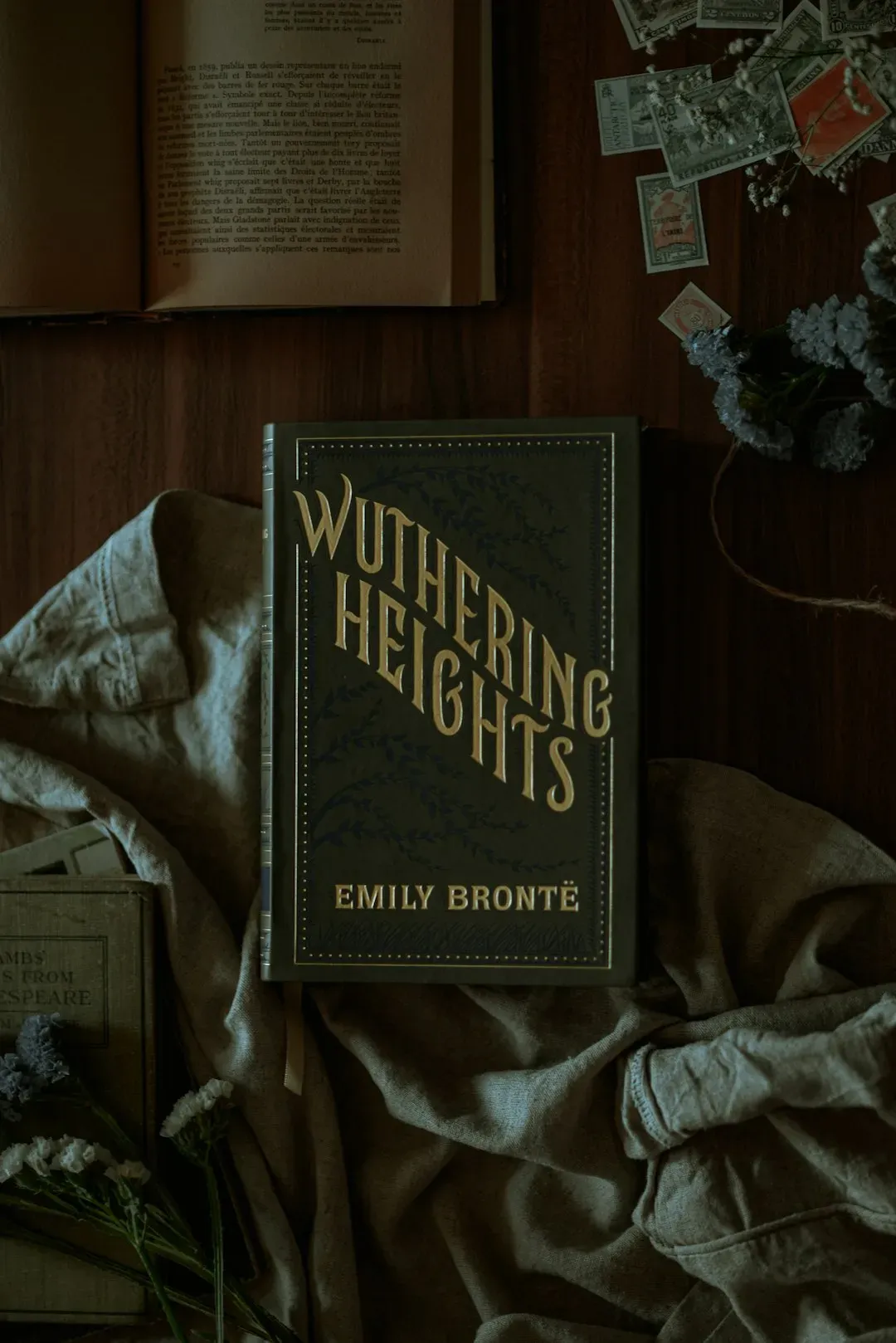
Emily Brontë’s only novel also came out in 1847, under the name Ellis Bell. It’s set on the Yorkshire moors and told through layers of narrators, which can feel disorienting at first. Stay with it, because the structure is part of the effect.
Partner offer
Heathcliff and Catherine are not a comfortable couple to root for, and the book doesn’t ask you to. Their obsession spills across two generations and leaves both households damaged. Readers who like their October reading bleak and windswept will find plenty here.
The Castle of Otranto by Horace Walpole

This is where the genre officially begins. Walpole published it in 1764, and the first edition claimed to be a translation of an old Italian manuscript, a small hoax that fits the story’s love of the mysterious. The plot opens with a giant helmet falling from the sky and crushing a young heir on his wedding day.
It’s short, and it’s often more strange than frightening to modern readers. Still, you can spot the familiar ingredients: a tyrant in a castle, a curse, secret passages, and a threatened heroine. Reading it is a bit like visiting the original blueprint of a house you already know well.
The Strange Case of Dr Jekyll and Mr Hyde by Robert Louis Stevenson
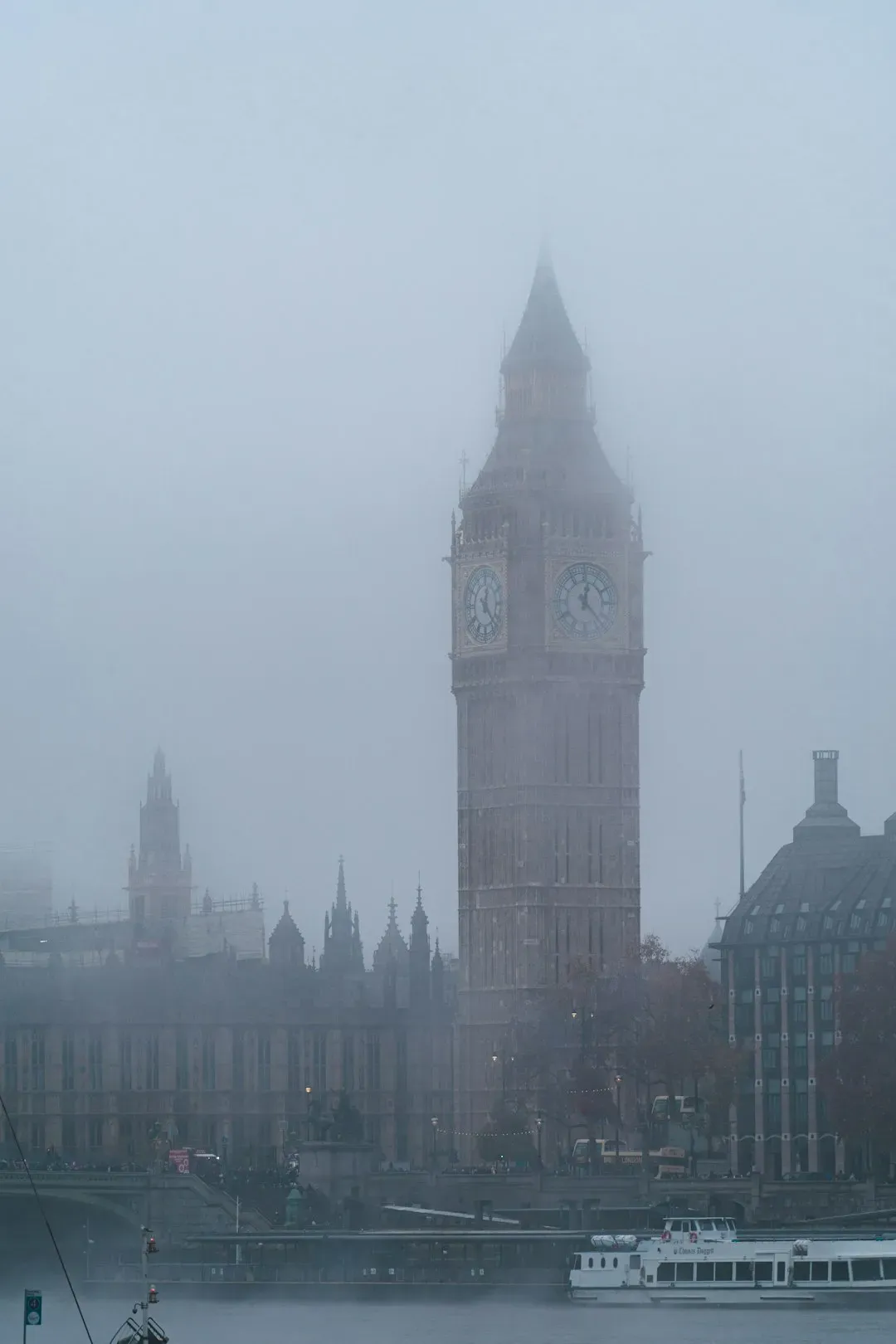
Stevenson’s novella appeared in 1886 and is set among the foggy streets of London. The story is told largely from the viewpoint of a lawyer, Mr. Utterson, who slowly uncovers the link between a respectable doctor and a violent stranger. Because it’s so short, it can be finished in a single sitting.
Most people know the twist before they open it, which turns out not to matter much. The pleasure lies in the sense of respectable society hiding something rotten. It’s a tidy choice if you want a gothic fix on a weeknight.
The Turn of the Screw by Henry James
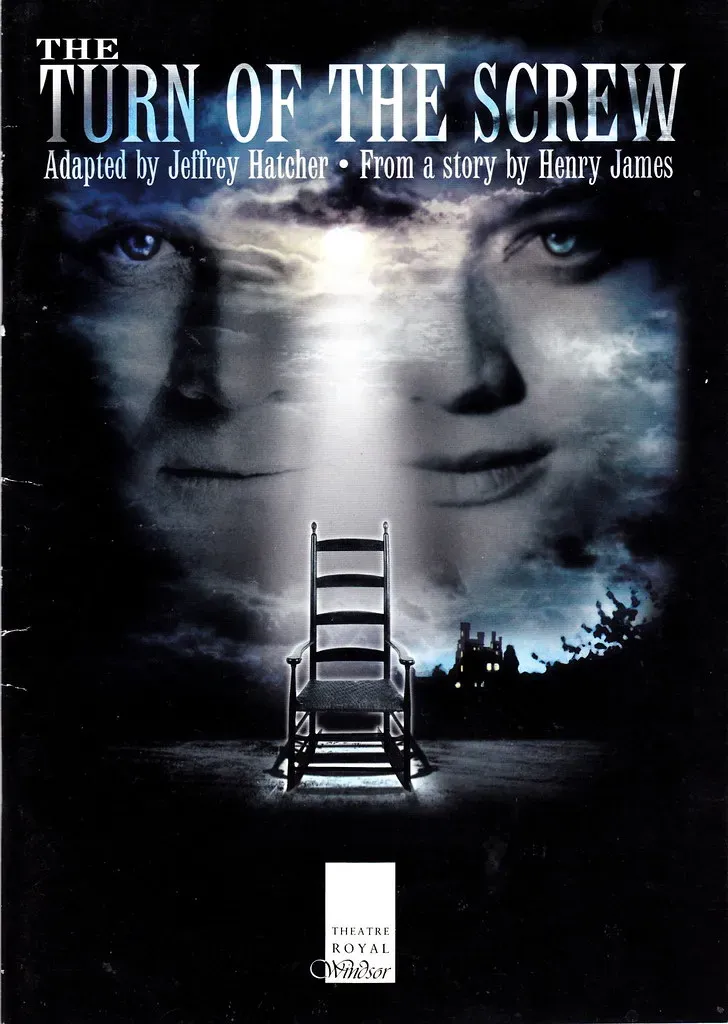
James published this story in 1898, first in serial form in Collier’s Weekly. A young governess takes charge of two children at a country estate and becomes convinced that ghosts are threatening them. Whether those ghosts are real has been argued over for well more than a century.
The ambiguity is the point. James gives you just enough to doubt the narrator without ever settling the question. His sentences can be dense, so it helps to read this one slowly and out loud in places.
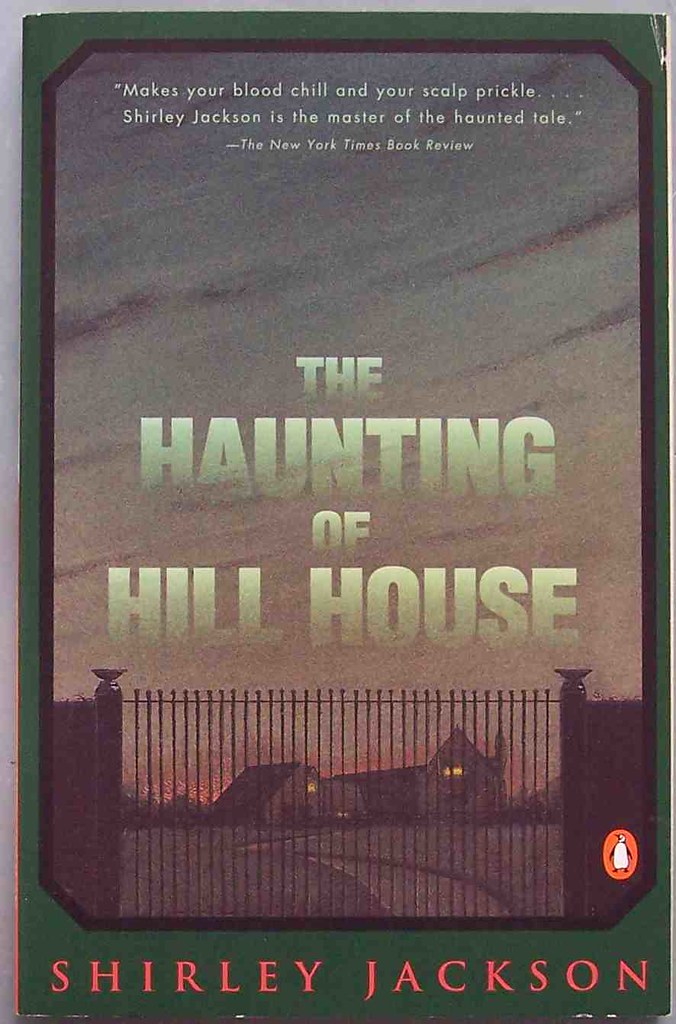
The Haunting of Hill House by Shirley Jackson
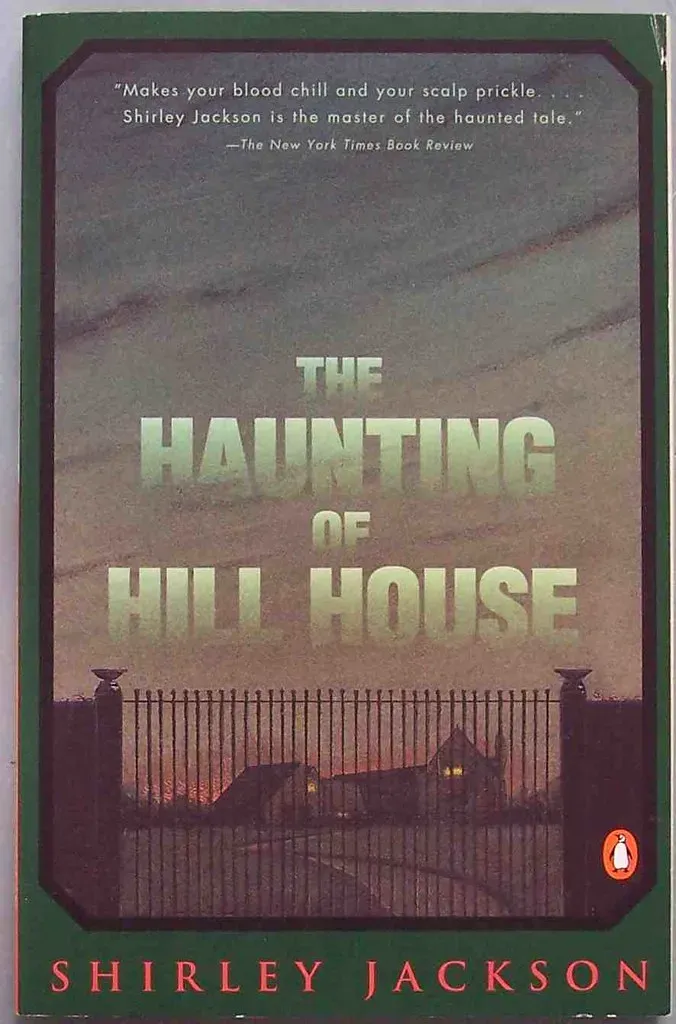
Jackson’s 1959 novel brings the gothic tradition into the twentieth century. A small group gathers at a notorious house to investigate its reputation, and the shy, fragile Eleanor Vance is drawn deeper into its hold. The prose is precise and restrained, which makes the unease feel earned.
The book inspired a 2018 Netflix series by Mike Flanagan, though the show takes real liberties with the story. The novel is much quieter and, to many readers, far more disturbing. It’s a strong candidate for the single best haunted house book in English.
Mexican Gothic by Silvia Moreno Garcia

Published in 2020, this novel shows the genre is still very much alive. Set in 1950s Mexico, it follows Noemí Taboada, a socialite who travels to a remote mountain mansion called High Place after a worrying letter from her newly married cousin. The house, its fungus-spotted walls, and its secretive English family all feel wrong from the start.
The author, a Canadian writer born in Mexico, uses familiar gothic furniture to talk about colonialism and control. Noemí is sharp and unwilling to be dismissed, which keeps the pace brisk. It makes a fitting final stop for anyone moving from the classics to something recent.
Partner offer
Planning a trip to Vegas?
Compare hotel rates and show tickets on VEGAS.com.