Most of what filled American homes in the 1960s was bought to be used. People mixed batter in it, carried lunch in it, typed letters on it, and gave it little thought afterward. Decades later, some of those ordinary objects have a real market.
Prices vary a lot, and many online “worth a fortune” claims come from asking prices, not completed sales. Condition, completeness, and original packaging matter more than age alone. The ten items below come up again and again in current collector guides.
Pyrex Mixing Bowls and Casserole Dishes
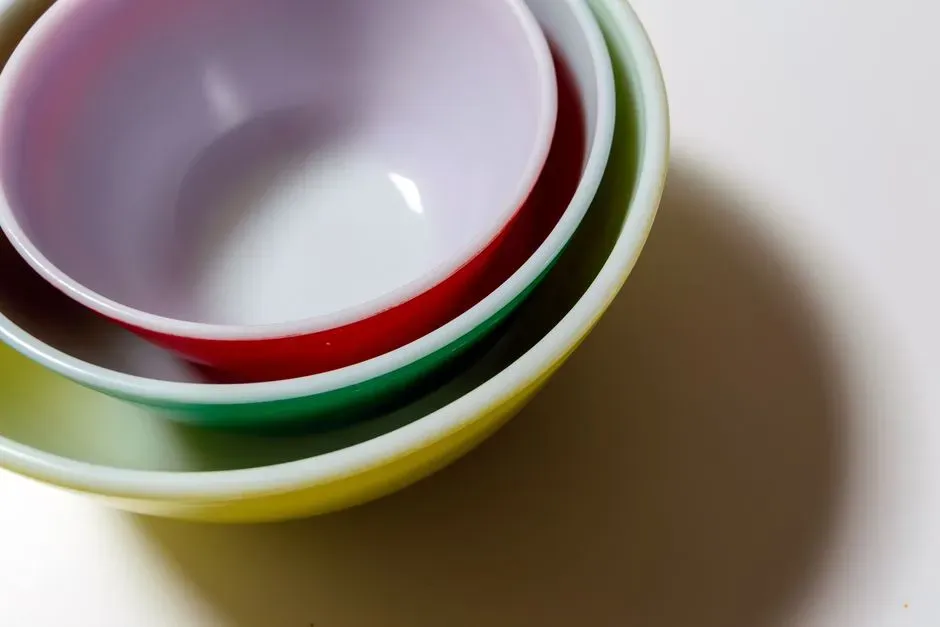
Colorful Pyrex is probably the best known kitchen collectible from the decade. Patterns like Butterprint, Bluebell, and Gooseberry are especially popular with collectors. Other guides also name Pink Daisy as a pattern that gets attention.
Completeness matters. Collectors pay the most for complete sets, particularly rare colors or promotional pieces. One list says the most sought after patterns can reach hundreds of dollars, and sometimes more, though that range is a ceiling and not what a typical chipped bowl brings.
Metal Lunchboxes
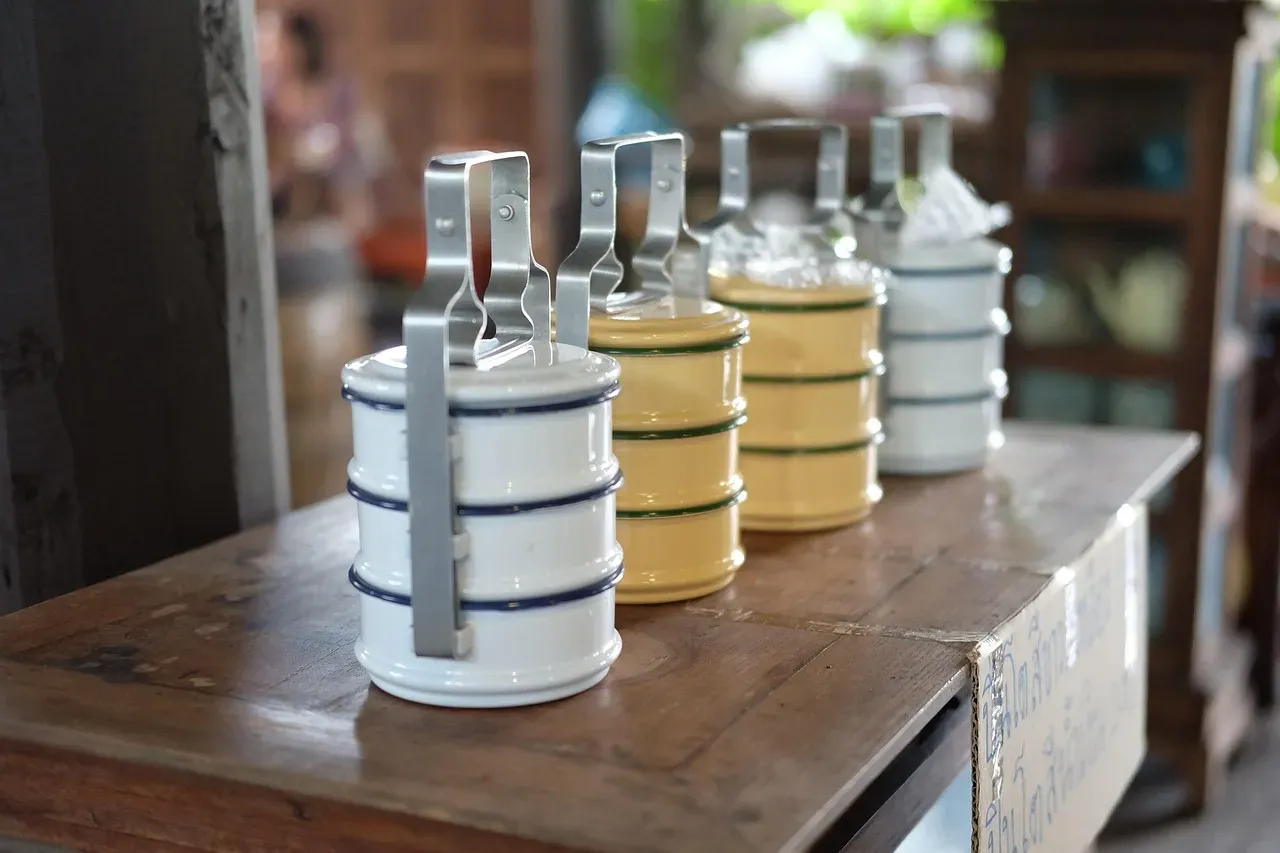
Kids carried these to school, and plenty got dented on the bus. Once manufacturing shifted to plastic, the metal versions faded out. That change helped turn them into collectibles.
Character designs lead the market. Metal boxes with Superman, The Beatles, or Lost in Space are now valuable. A pristine 1960s lunchbox with its original thermos can sell for upwards of five hundred dollars, and rare designs bring more. The thermos is a big part of that, since it’s often the piece that went missing.
Early Barbie Dolls
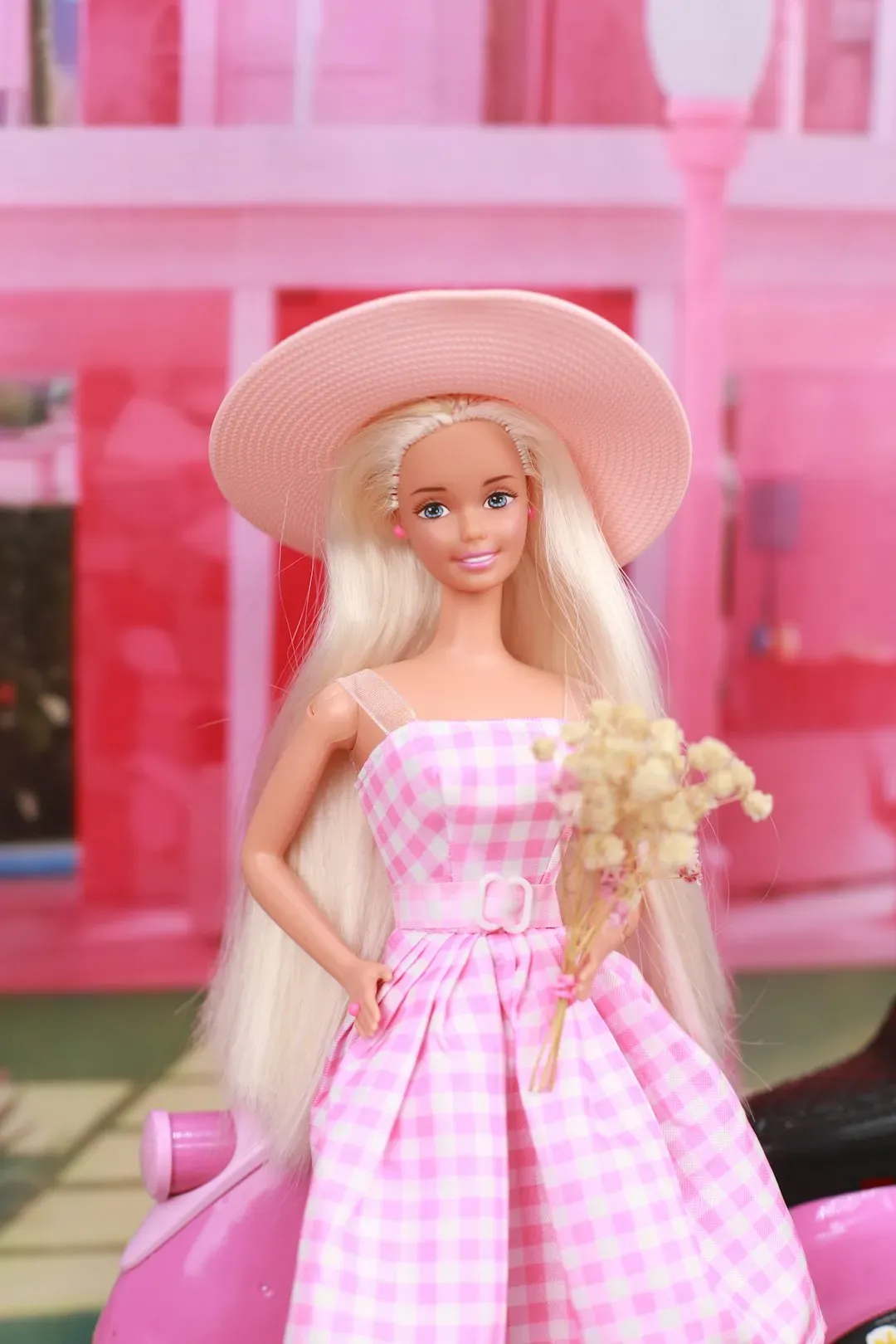
Barbie debuted in 1959 and spent the 1960s becoming a fixture of childhood. Collectors look for original 1960s dolls, especially ones with packaging, accessories, or distinctive outfits.
The earliest versions draw the most interest. First edition dolls with side glancing eyes, heavy eyeliner, and black and white striped swimsuits are now collector’s items. Even common 1960s Barbies with their original outfits can sell for hundreds of dollars.
Coca-Cola Memorabilia
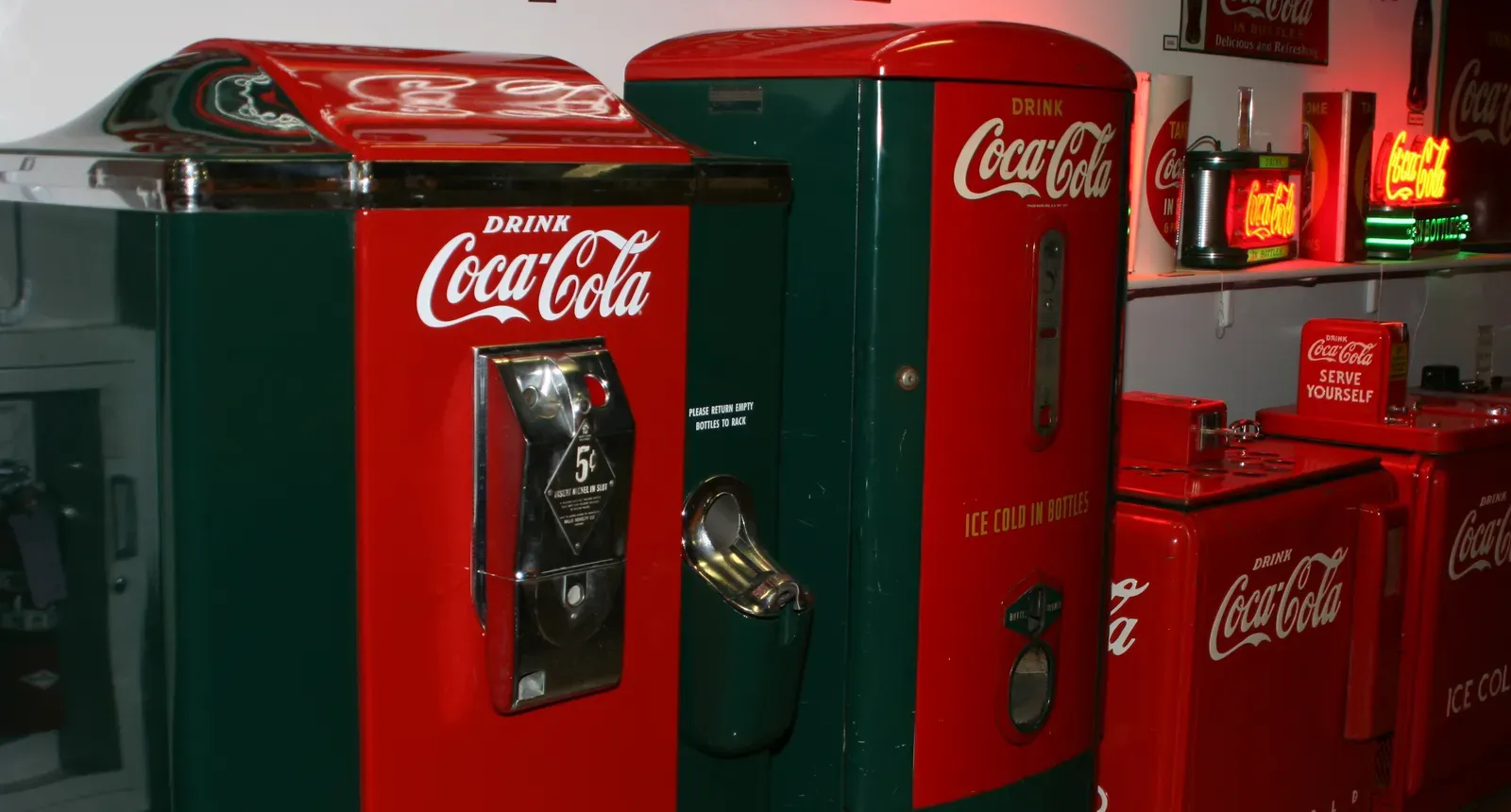
Coke’s marketing was everywhere in the 1960s, from ads to vending machines to branded goods. Collectors today chase contour glass bottles, serving trays, clocks, and coolers with the red and white branding.
Small pieces count too. Even items like bottle openers and branded coolers have climbed in value. At the top end, vintage vending machines and rare advertising signs often fetch thousands.
Manual Typewriters
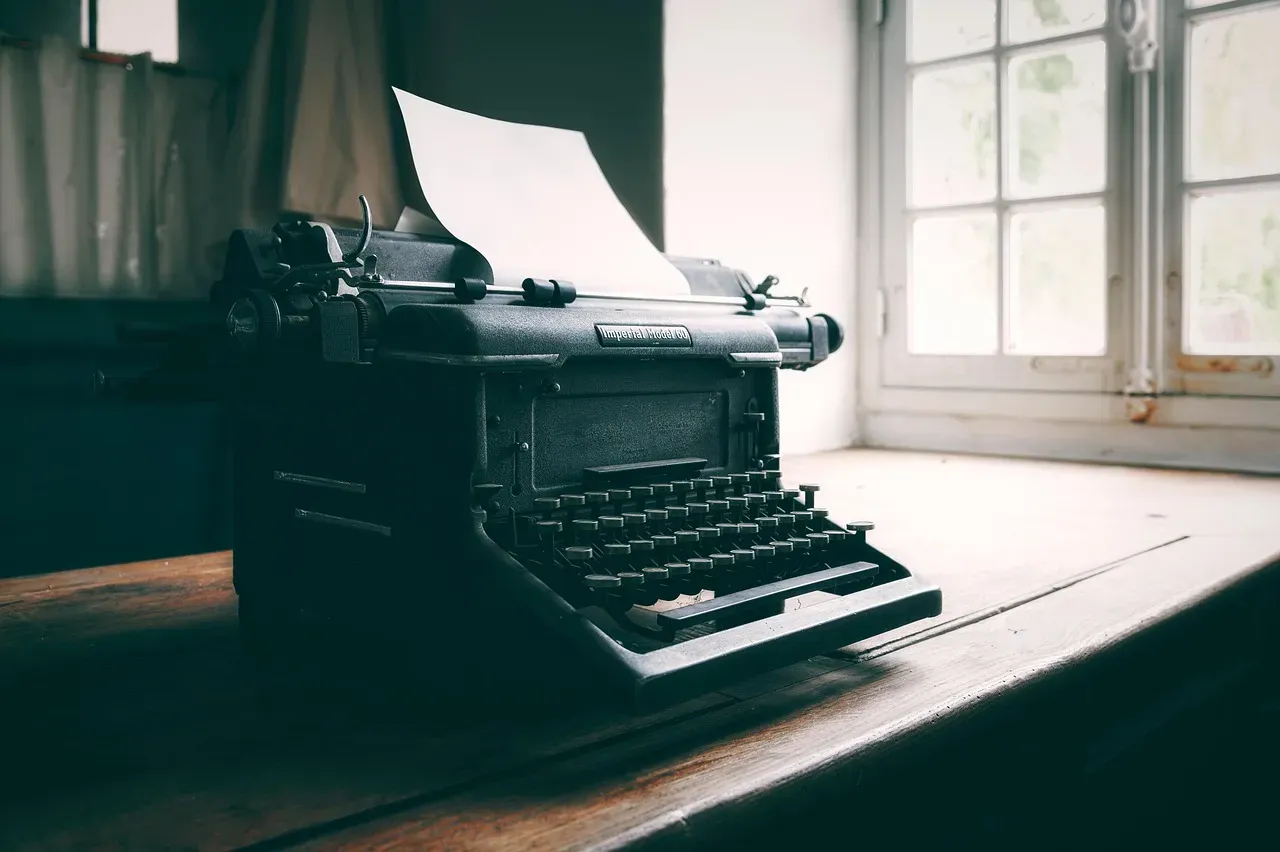
The sturdy desk typewriter was a household staple long before laptops. Manual models from brands like Smith-Corona, Royal, and Olivetti have found new life as collector’s items.
Their appeal is part design, part function. Vintage cameras and typewriters from the sixties are widely described as fascinating collectibles. Working condition and a clean case help, and original manuals add to the appeal.
Classic Board Games
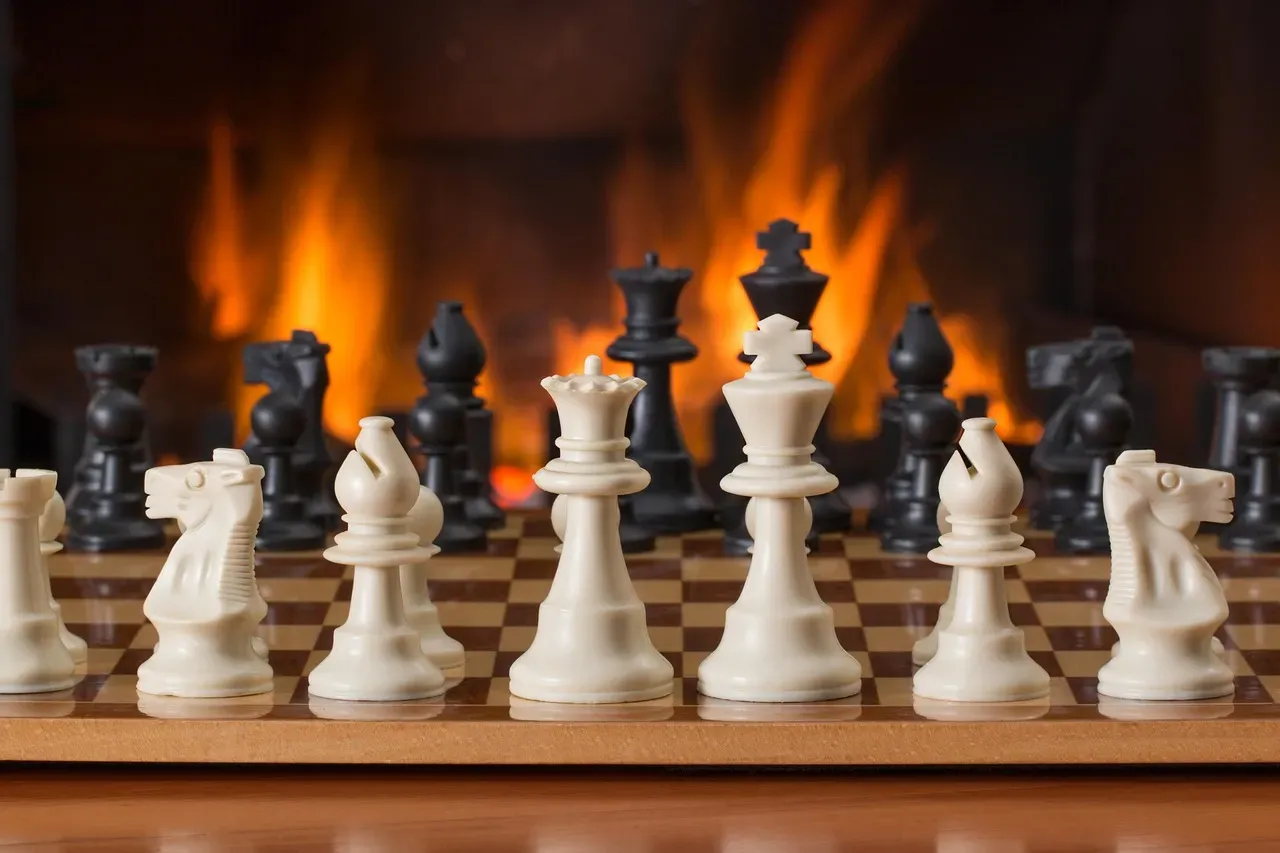
Family game night gave us titles like Mystery Date and The Game of Life. Games in excellent condition with all original pieces are the ones that draw interest. A missing spinner or card can drag a price down fast.
Scarcity pushes values higher. Some rare or short run editions are particularly valuable to collectors. One roundup puts the ceiling for vintage board games from the era at around one thousand dollars, so this is more about steady, modest finds than jackpots.
Osterizer Blenders
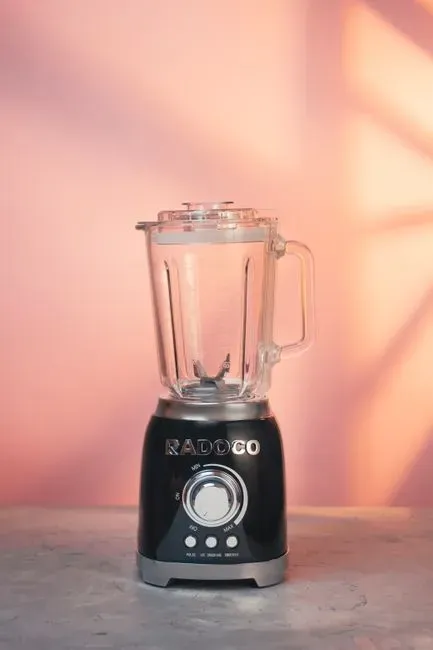
The Osterizer was one of those appliances that seemed to last forever. Sturdy vintage models can sell for roughly seventy five to three hundred dollars, with rare colors or unused units commanding more.
It’s a quieter corner of the market than Pyrex or Barbie. Still, retro kitchen gadgets have gained a following among people who want working mid century pieces on their counters. Boxes and original parts are the details worth checking.
Vintage Cameras
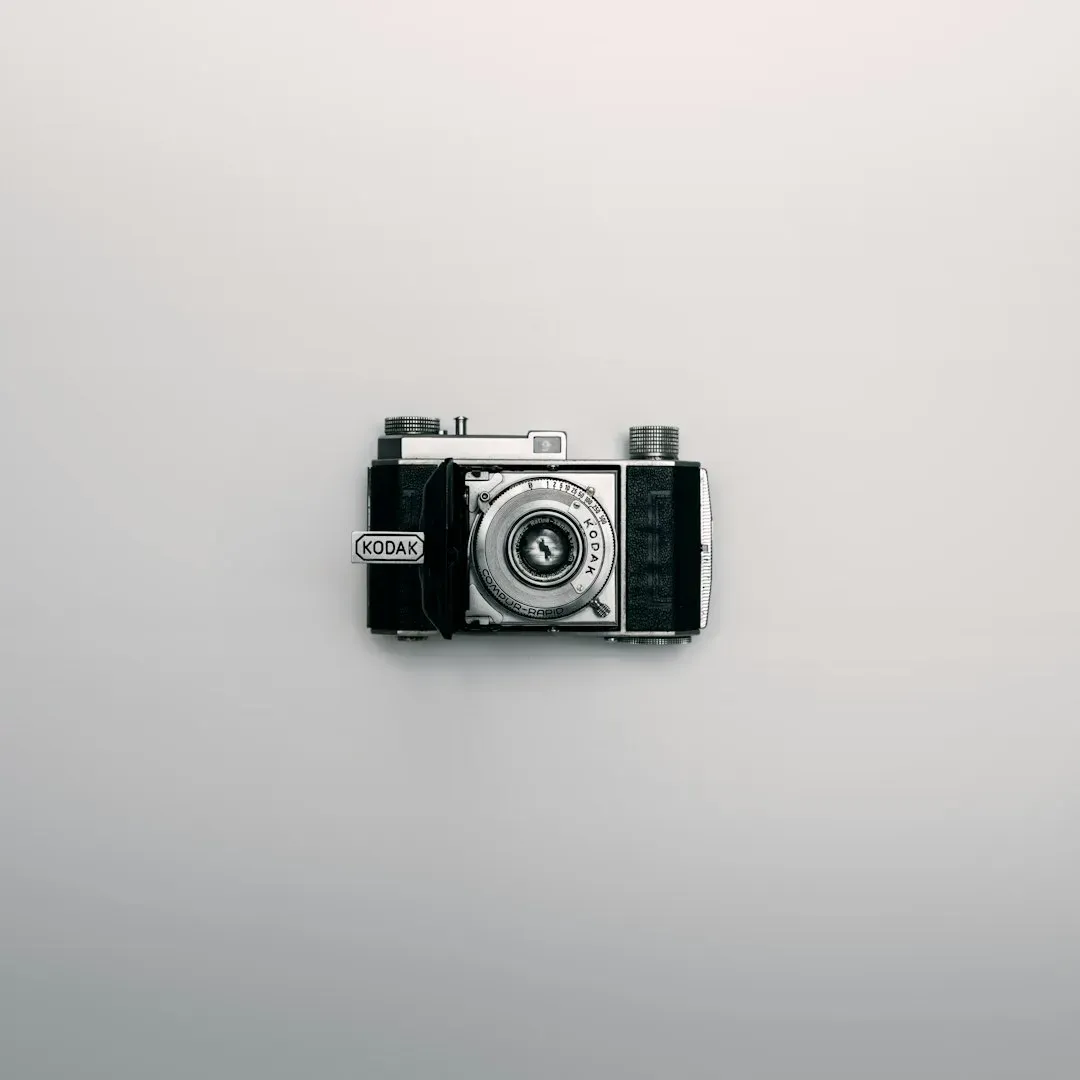
Family snapshots from the sixties were taken with cameras that now have their own audience. Collectors and photography enthusiasts treasure the old cameras that documented family memories.
Values depend heavily on make and model. One list places the top of the range for 1950s and 1960s cameras at around five thousand dollars, though most everyday models sell for far less. Original cases, manuals, and boxes tend to help.
Turntables and Hi-Fi Equipment
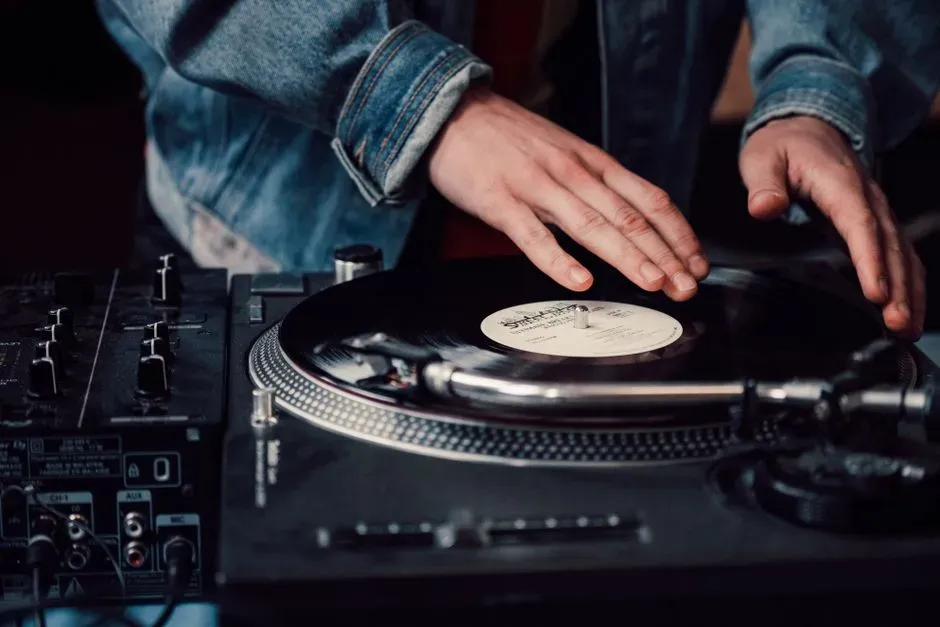
Vinyl’s comeback has lifted the machines that play it. High end turntables from brands like Thorens, Garrard, and McIntosh have risen sharply in value.
Buyers care about whether a unit works and whether it’s been serviced. That same list puts the top of the range for 1960s and 1970s turntables at around ten thousand dollars. Plain consumer models usually sit well below that.
First Edition Cookbooks
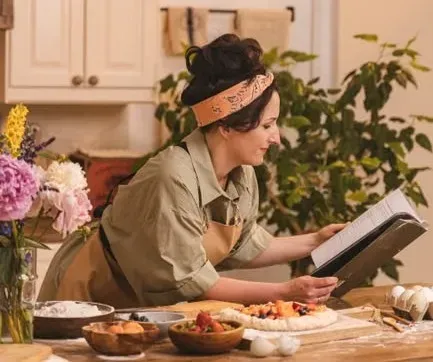
Kitchen shelves from the sixties often held books that are now quietly valuable. First editions of Julia Child’s Mastering the Art of French Cooking can sell for roughly three hundred to eight hundred dollars, and early Betty Crocker picture cookbooks bring about one hundred to three hundred.
Edition matters more than age. A later printing of the same title is usually worth much less, so collectors check the copyright page first. Dust jackets and clean bindings help, though splatters and notes in the margins are common.