Some of the biggest voices in pop and crossover music started in practice rooms, conservatories and voice studios. They learned breath control, projection and languages long before they chased a chart position. That groundwork often shows in how they sing today.
The seven artists below all spent serious time in classical or operatic study. Some stayed close to opera, while others moved into pop, rock or musical theater. Each one shows a different way that formal training can shape a career.
Andrea Bocelli
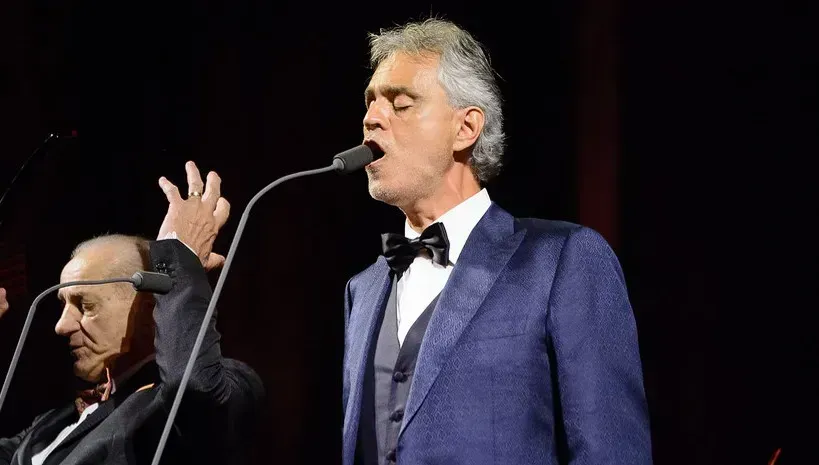
Andrea Bocelli is probably the best known classical crossover voice in the world. He earned a law degree at the University of Pisa, but music was never far away. He later studied with the celebrated Italian tenor Franco Corelli.
His breakthrough came in the mid 1990s, after he won the Sanremo Festival in Italy. His duet with Sarah Brightman on Time to Say Goodbye turned him into an international star. Since then he has moved easily between opera roles, pop ballads and large concert events.
Sarah Brightman

Sarah Brightman began as a dancer and pop performer in Britain. She then trained her voice formally in classical technique, which opened the door to a very different career. In 1986 she originated the role of Christine Daaé in Andrew Lloyd Webber’s The Phantom of the Opera.
That role showcased a soprano trained for operatic demands, and it defined her public image. She later built a long solo career in classical crossover. Time to Say Goodbye, her duet with Andrea Bocelli, remains her signature recording.
Katherine Jenkins

Katherine Jenkins is a Welsh mezzo soprano who studied at the Royal Academy of Music in London. That is one of Britain’s most respected conservatories, and it gave her a solid classical base. She chose to bring that training to a wide audience instead of staying only in the opera house.
Her debut album Second Nature, released in 2004, helped make her one of the leading classical crossover artists in the UK. Over the years she has sung at major national events and toured widely. She was later honored with an OBE for her services to music and charity.
Kristin Chenoweth

Kristin Chenoweth is usually associated with Broadway, yet her education was operatic. She studied opera performance at Oklahoma City University and went on to complete a master’s degree there. Her small frame hides a bright, flexible soprano that handles very high notes.
She won a Tony Award in 1999 for You’re a Good Man, Charlie Brown. In 2003 she created the role of Glinda in the original Broadway cast of Wicked. Her training lets her move between comic character work and demanding classical style with little effort.
Tarja Turunen
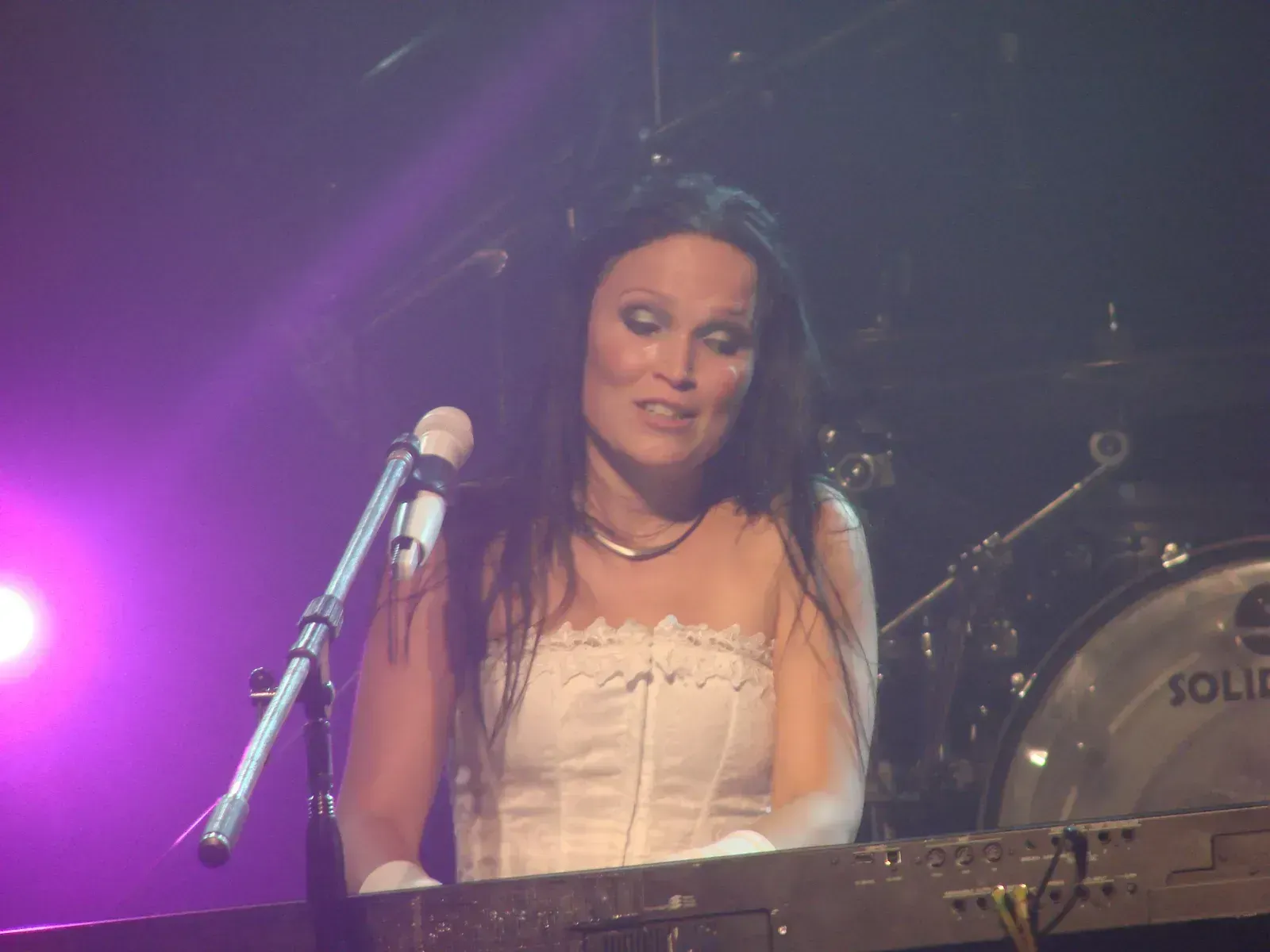
Tarja Turunen helped shape symphonic metal as the original lead singer of the Finnish band Nightwish. Before and during that time she studied classical singing, including at the Sibelius Academy in Helsinki. The result was an operatic soprano set against heavy guitars, which was unusual in rock at the time.
She fronted Nightwish from the mid 1990s until 2005. Afterward she built a solo career that mixes rock, orchestral and classical material. Her path suggests that opera training can fit comfortably in heavy music too.
Dimash Kudaibergen
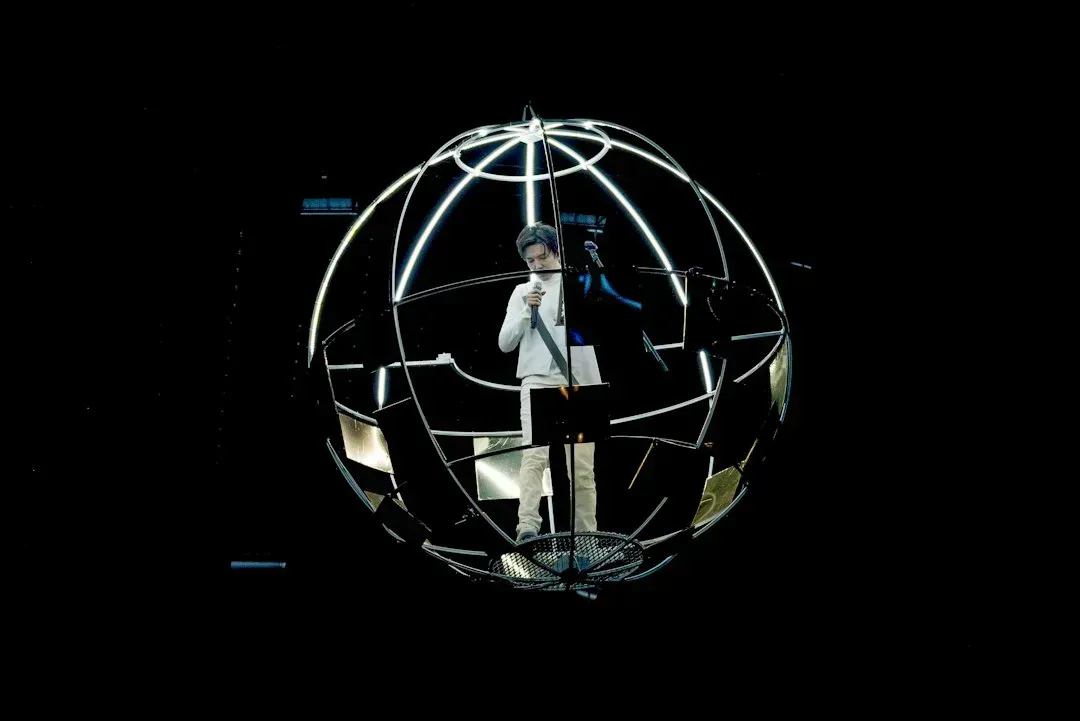
Dimash Kudaibergen, from Kazakhstan, studied at the Kurmangazy Kazakh National Conservatory in Almaty. His voice is known for an unusually wide range and a mix of classical technique with pop phrasing. That combination has earned him a large following across Asia, Europe and beyond.
His profile rose sharply after he appeared on the Chinese television competition Singer in 2017. Since then he has sold out large arenas and recorded in several languages. His formal training is a big part of why he can switch styles so quickly.
Paul Potts
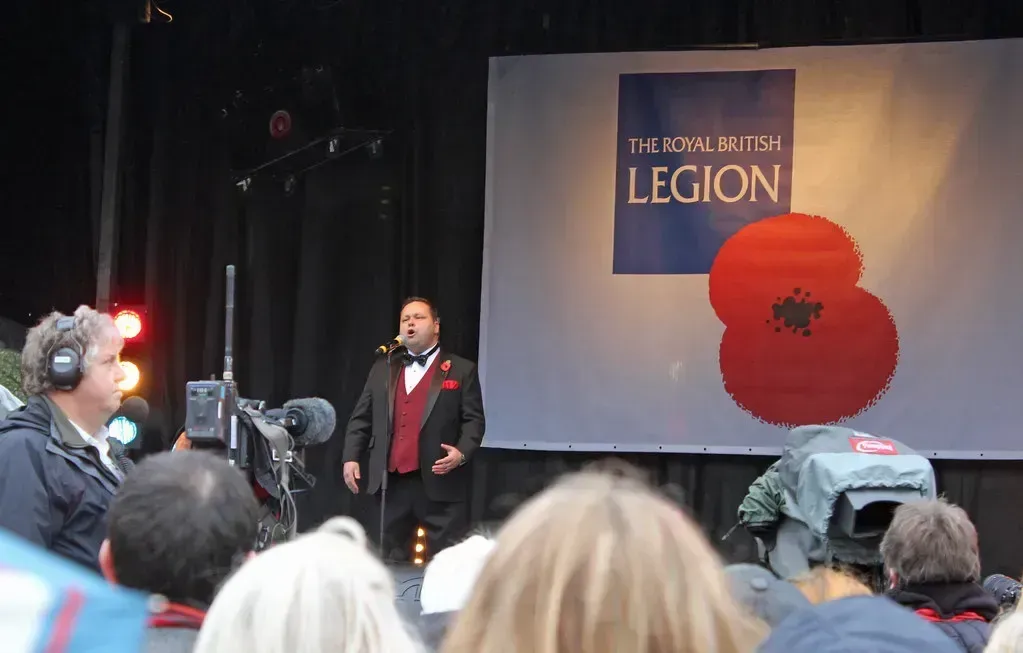
Paul Potts was working in a mobile phone shop in Wales when he won Britain’s Got Talent in 2007. He had studied opera in Italy, including time with Luciano Pavarotti, so his audition was not a casual hobby. His performance of Nessun Dorma stunned the judges and the audience.
The win led to a recording deal and the album One Chance, which sold widely around the world. His story is a reminder that classical training can sit quietly in the background for years. For Potts, a televised talent show was the moment it finally reached a mass audience.