Walk into almost any wedding reception today and you’ll hear it within the first hour: a bass line, a four on the floor kick drum, and strings swooping overhead. Disco peaked between roughly 1977 and 1979, yet the sound hasn’t really left the room.
The songs below were chosen for their chart success, their club presence, and their lasting reach. Each one helped define a moment when dancing became the main event of a night out.
Stayin’ Alive by the Bee Gees (1977)
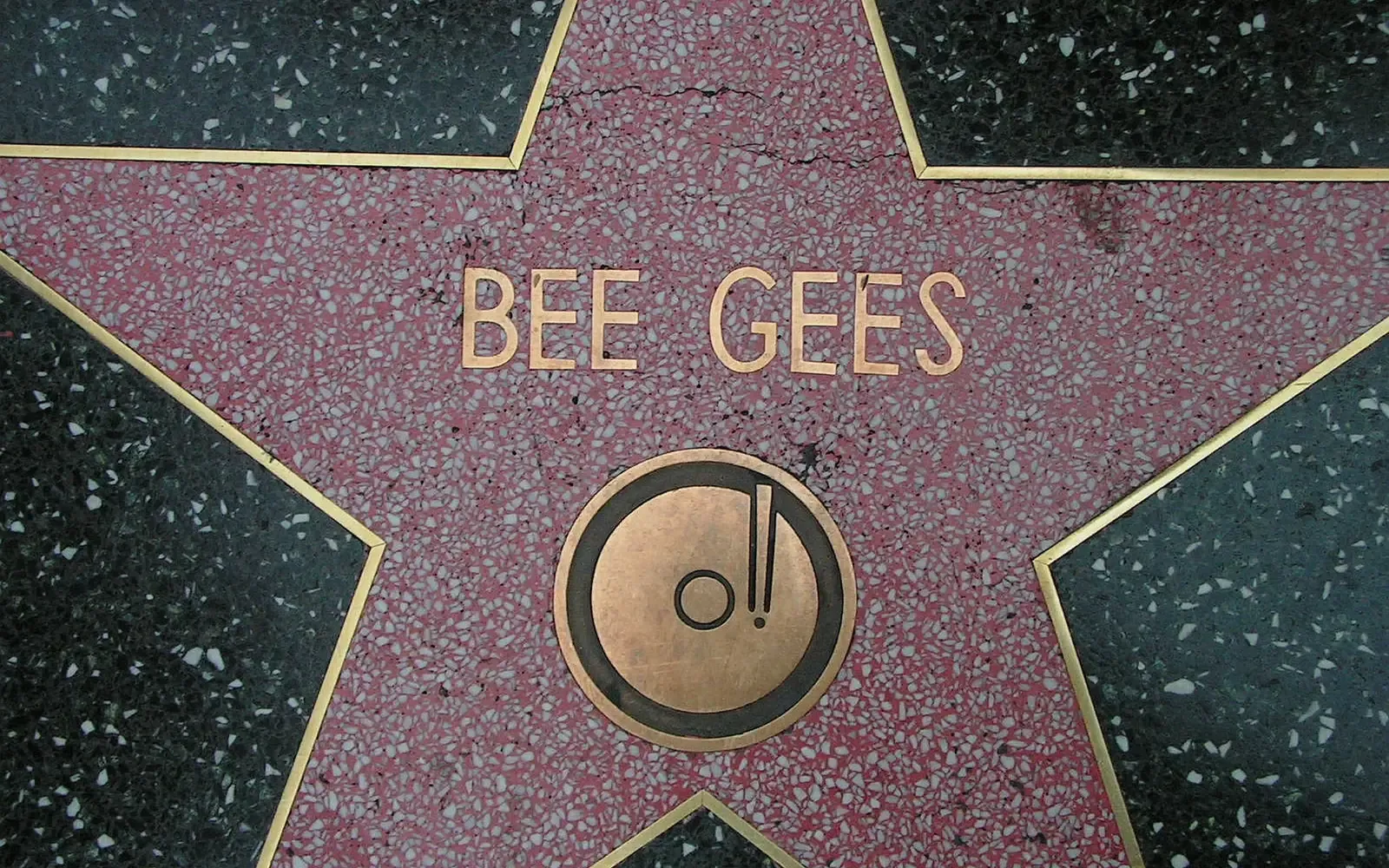
Released in late 1977 for the Saturday Night Fever soundtrack, this track became one of the Bee Gees’ signature hits. It reached number one on the US Billboard Hot 100 in early 1978. The tempo sits at roughly 104 beats per minute, which is often cited as useful for CPR training.
The song’s tight rhythm guitar and falsetto vocals gave the film its pulse. Its opening scene, with John Travolta strutting down a New York street, tied the song to disco in the public mind. Few tracks have been so closely linked to a single genre.
Le Freak by Chic (1978)
Nile Rodgers and Bernard Edwards wrote this song after being turned away from Studio 54 on a New Year’s Eve. The original chorus reportedly had a different, ruder word, which was changed before release. It topped the Billboard Hot 100 in 1978.
Le Freak became one of the best selling singles in the history of Atlantic Records. Rodgers’ choppy rhythm guitar is the engine here, and it still sounds crisp. The track shows how much restraint and precision disco could carry.
I Will Survive by Gloria Gaynor (1978)

Gaynor’s recording was released in late 1978 and hit number one on the Billboard Hot 100 in early 1979. It was first issued as the B side of a single, but DJs flipped the record and made it a club favorite. The song was written by Dino Fekaris and Freddie Perren.
Its lyrics of resilience gave disco an anthem that reached beyond the dance floor. In 1980, Gaynor won the only Grammy ever given for Best Disco Recording. The song has since been widely embraced as a gay pride and personal empowerment anthem.
Don’t Stop ‘Til You Get Enough by Michael Jackson (1979)
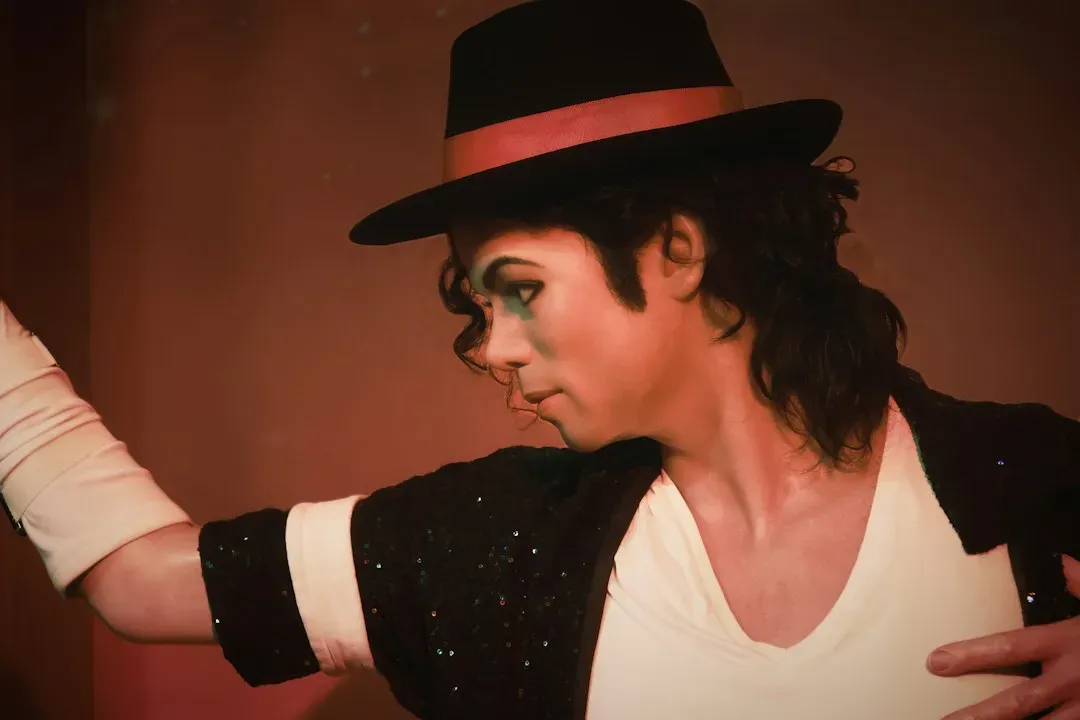
Jackson wrote this lead single from his album Off the Wall himself. It reached number one on the Billboard Hot 100 in late 1979. Quincy Jones produced it, and the song earned Jackson his first solo Grammy, for Best Male R&B Vocal Performance.
The track opens with a whispered intro before sliding into a bright, string heavy groove. It marked a shift from his Jackson 5 years toward a more adult sound. Many listeners hear it as the bridge between disco and the pop of the 1980s.
Last Dance by Donna Summer (1978)
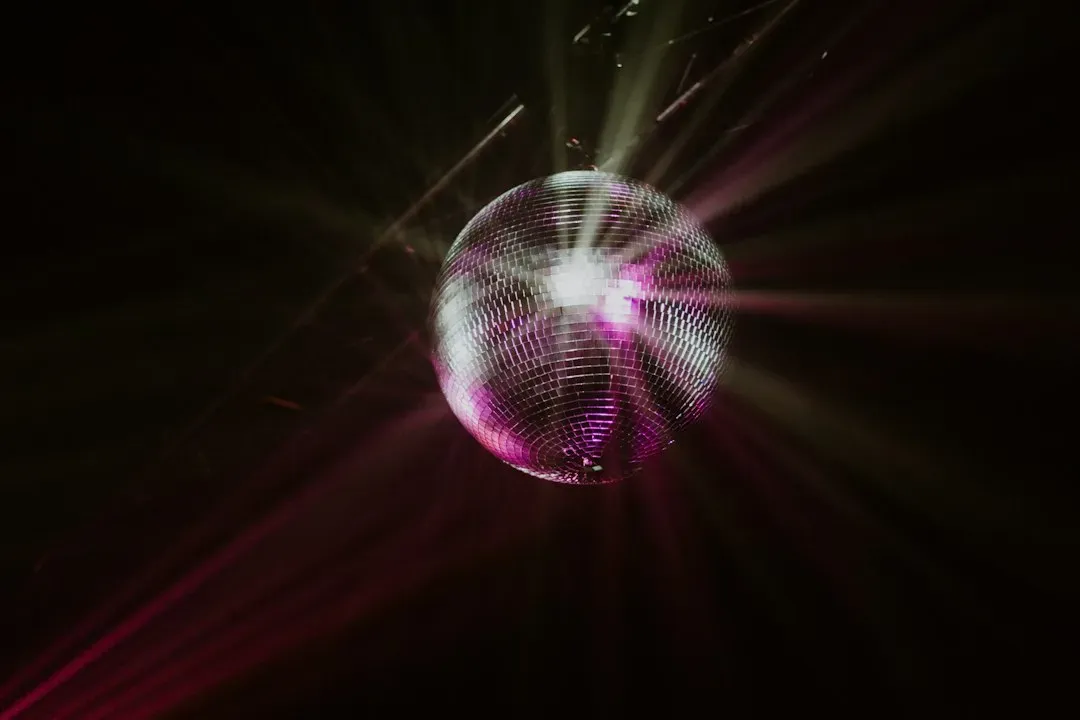
Written by Paul Jabara, Last Dance appeared in the film Thank God It’s Friday, in which Summer also performed. The song begins as a slow ballad and then explodes into an uptempo dance number. It won the Academy Award for Best Original Song, and Summer took a Grammy for Best Female R&B Vocal Performance for it.
Its structure made it a natural closer at clubs, which fits the title. Summer was already known as the Queen of Disco, and this song helped cement that title. It peaked in the top ten of the Billboard Hot 100.
Boogie Oogie Oogie by A Taste of Honey (1978)
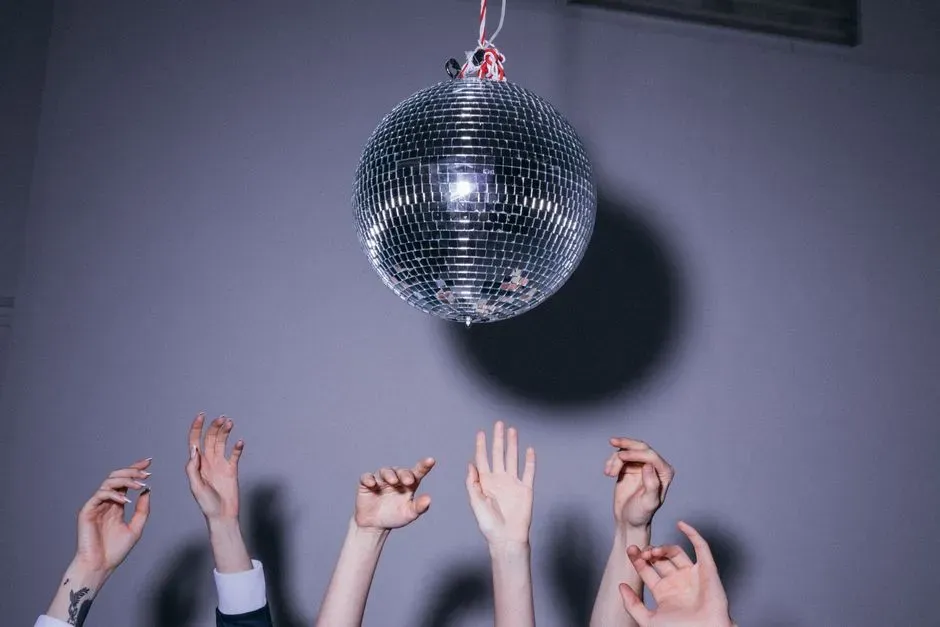
This funky single came from a Los Angeles band led by Janice Marie Johnson and Hazel Payne. It reached number one on the Billboard Hot 100 in 1978 and sold in the millions. Johnson’s bass playing is a big part of its appeal.
The group won the Grammy for Best New Artist in 1979, beating out Elvis Costello among others. That result was controversial among rock fans at the time. The song itself remains a simple, joyful call to the floor.
September by Earth, Wind & Fire (1978)
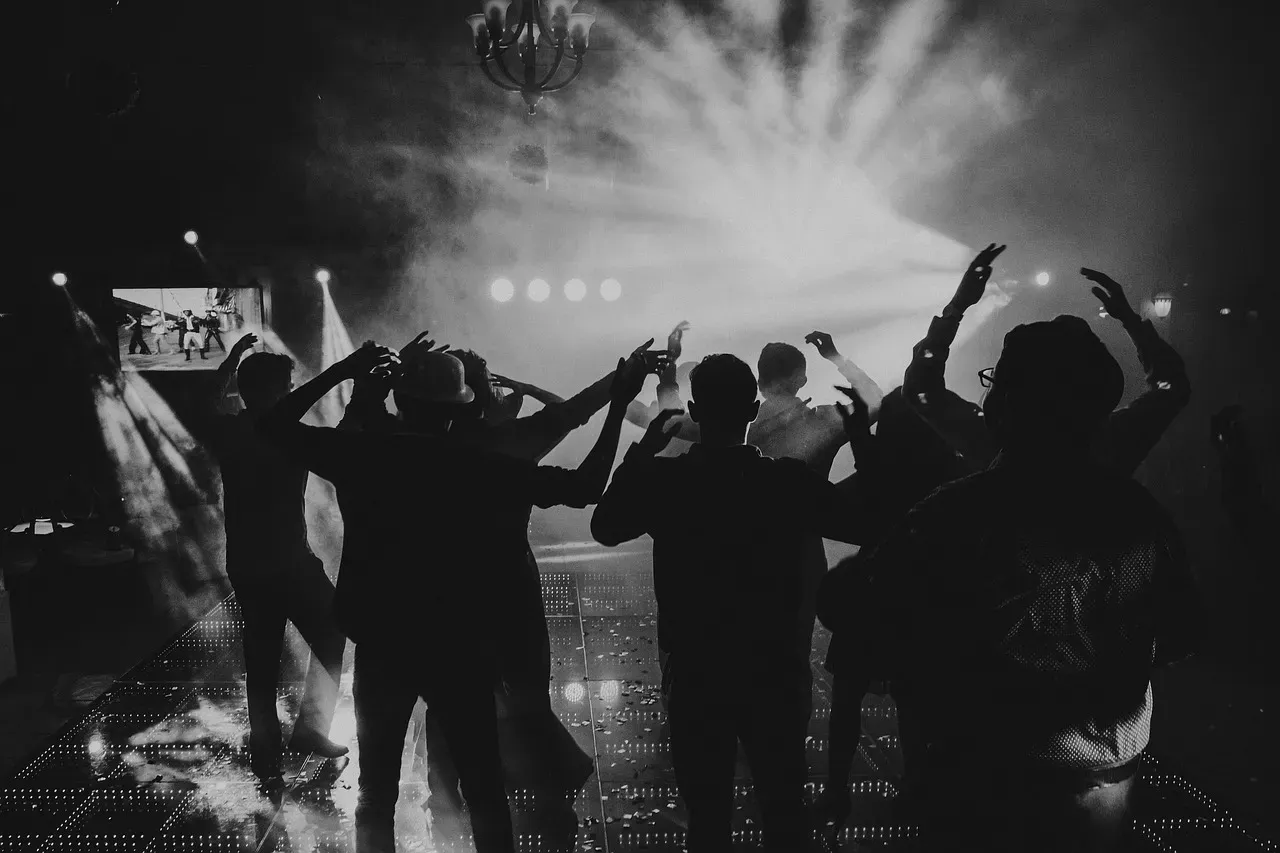
September was released in late 1978 and written by Maurice White, Al McKay, and Allee Willis. It reached the top ten on the Billboard R&B chart and the top tier of the pop chart. Its horn lines are among the most recognizable in dance music.
The song’s date reference in the chorus gave it a lasting afterlife. Fans mark the twenty first of September each year by sharing it. It shows how disco could blend with funk and soul without losing its warmth.
Dancing Queen by ABBA (1976)
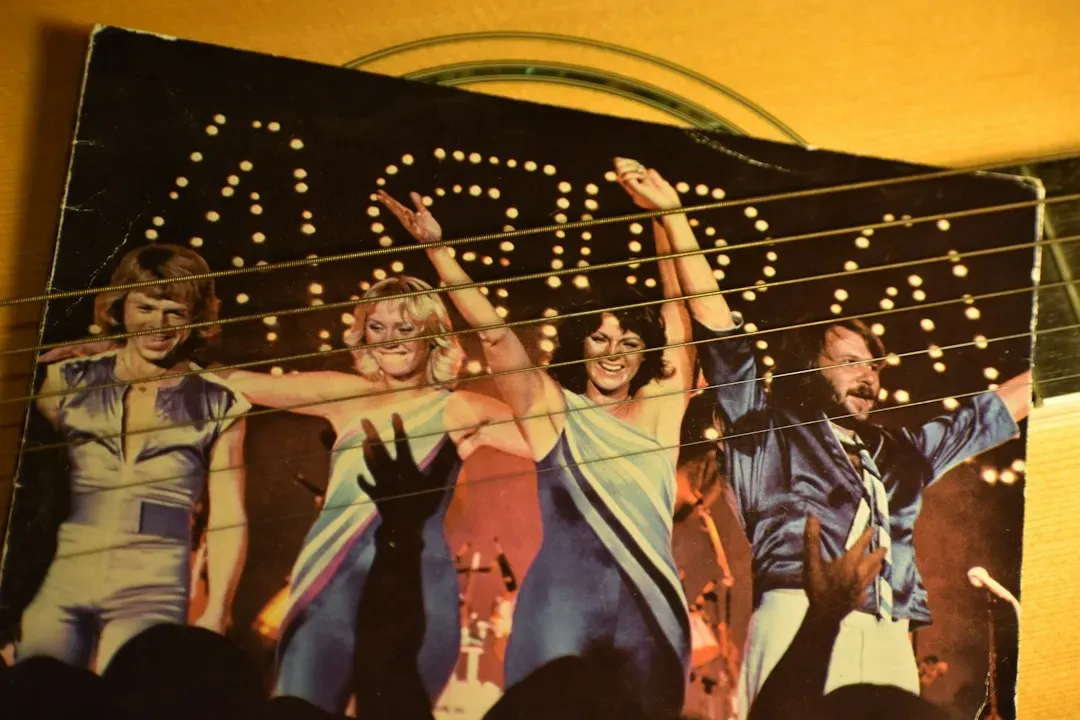
Though released in 1976, this song carried into the late 1970s and was a staple of the era’s floors. It reached number one in the United States in 1977, the only ABBA single to do so. It also topped charts across many European countries.
The Swedish group paired glossy piano figures with layered vocals. It showed that disco wasn’t only an American sound. The song remains a global favorite today.
Y.M.C.A. by Village People (1978)
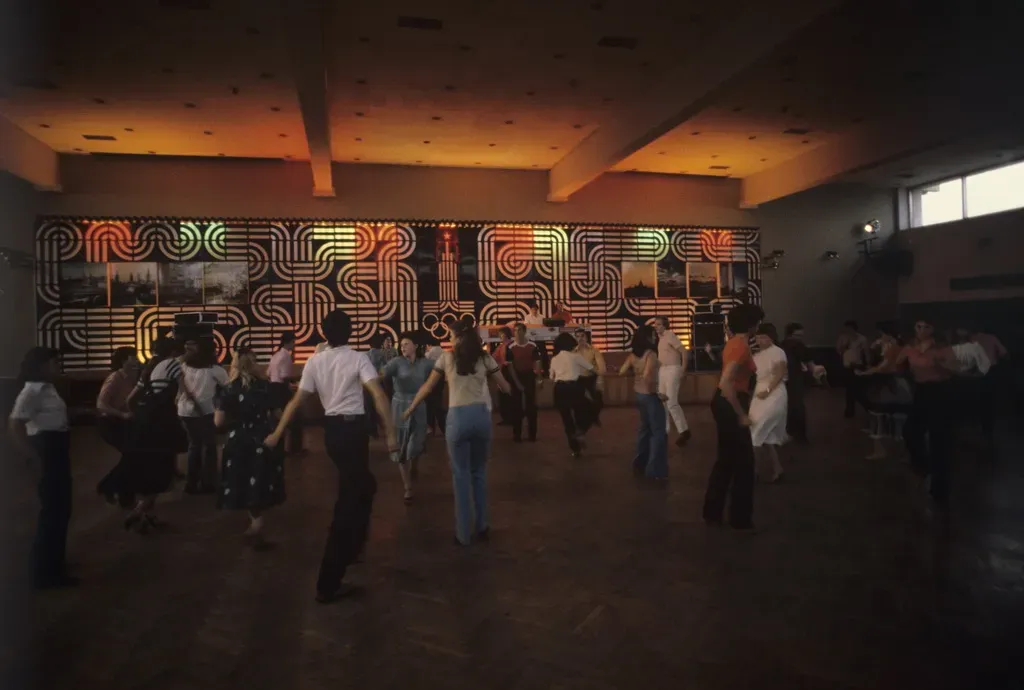
Y.M.C.A. was released in late 1978 and reached number two on the Billboard Hot 100. It hit number one in the United Kingdom in early 1979. Producer Jacques Morali shaped the group around a set of costumed characters.
The arm shaped letters of its dance made it a participatory hit. It’s still played at sporting events and parties around the world. Few disco songs are as instantly interactive.
Funkytown by Lipps Inc. (1979)
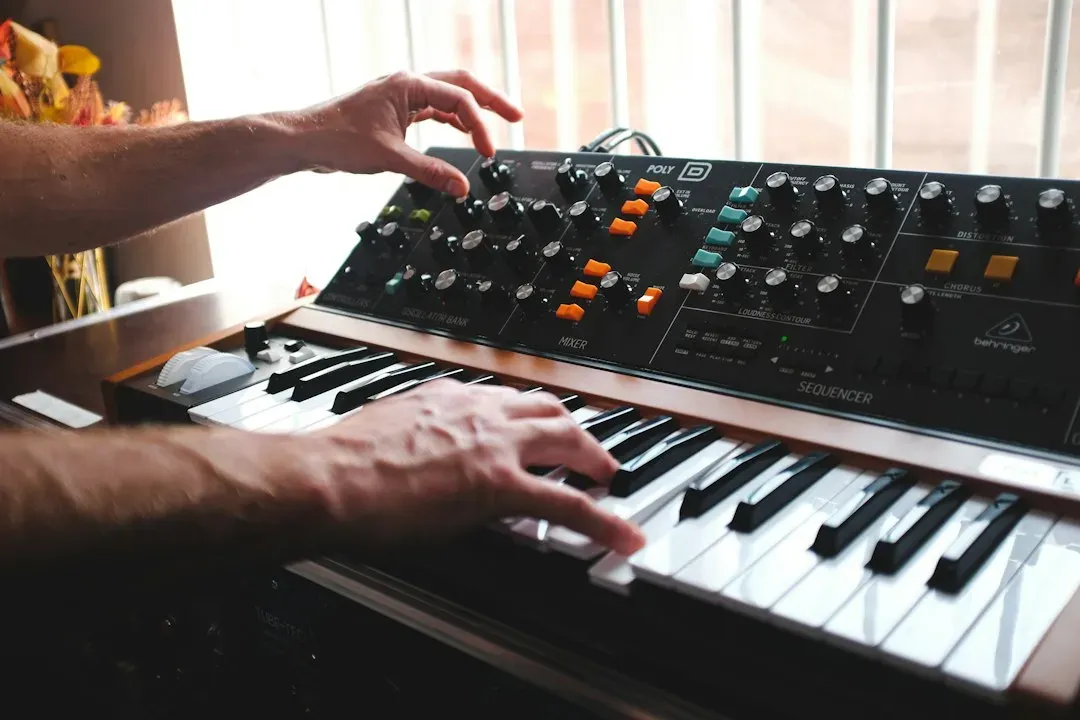
Written and produced by Steven Greenberg, Funkytown was released in 1979 and went to number one on the Billboard Hot 100 in 1980. Cynthia Johnson sang lead vocals. The track is notable for its heavy use of synthesizers.
It leaned on electronic textures that pointed toward the next decade. It also reached number one in many other countries. Funkytown stands as a late disco landmark that looked forward as much as back.