Pop radio runs on voices, hooks and choruses you can sing in the car. Every so often, though, a record with no lyrics at all climbs the Hot 100 anyway. A guitar line, an organ riff or a synthesizer pulse does the talking.
These ten tracks all made , and most went well beyond it. They come from film scores, TV themes, studio jams and disco experiments, and together they cover a few decades of American listening habits.
Santo & Johnny, Sleep Walk (1959)

Brothers Santo and Johnny Farina, from Brooklyn, recorded Sleep Walk with a steel guitar and a standard electric guitar. The writing credit also includes their sister Ann. It was released on the Canadian American label.
The record reached number one on the Hot 100 in the fall of 1959. Its slow, drifting melody sounds nothing like the rock and roll of the time, yet it found a huge audience.
Percy Faith, Theme from A Summer Place (1960)
Max Steiner composed this melody for the 1959 film A Summer Place. Canadian born bandleader Percy Faith then recorded a lush orchestral arrangement of it. His version became the hit, not the original film recording.
It spent nine weeks at number one on the Hot 100 in 1960. It also won Record of the Year at the Grammy Awards, which is rare for a record with no vocals.
Booker T. & the M.G.’s, Green Onions (1962)
The group was the house band at Stax Records in Memphis. Booker T. Jones played the organ, alongside guitarist Steve Cropper, bassist Lewie Steinberg and drummer Al Jackson Jr. The track grew out of a loose studio jam while the band was waiting for another session to begin.
Green Onions peaked at number three on the Hot 100 and topped the R&B chart. Its minor key groove and sharp organ tone made it one of the most recognizable instrumentals ever cut.
Paul Mauriat, Love Is Blue (1968)
The melody began as a French song that represented Luxembourg at the 1967 Eurovision Song Contest. It was sung there by Vicky Leandros. French orchestra leader Paul Mauriat then recorded an instrumental version with lush strings.
That version spent five weeks at number one on the Hot 100 in early 1968. It remains one of the best known easy listening records of the decade.
Edgar Winter Group, Frankenstein (1973)
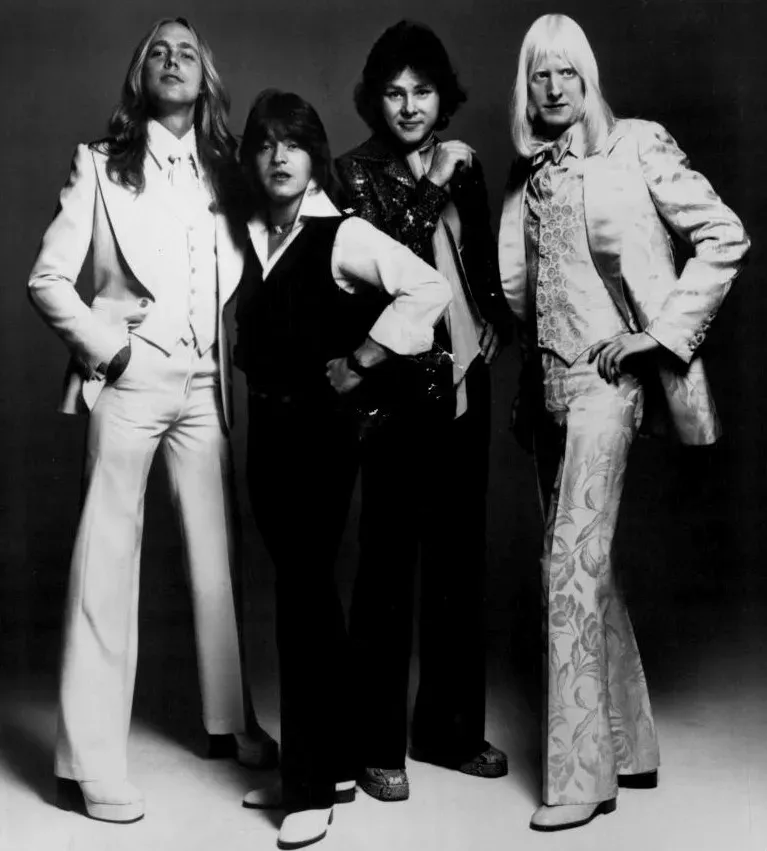
This one began as a long, sprawling jam. It was edited down for release, and the tape was cut and pieced together to reach a workable length. Edgar Winter played synthesizer, keyboards and saxophone, and Dan Hartman was a key contributor to the track.
Partner offer
Frankenstein appeared on the album They Only Come Out at Night. The single reached number one on the Hot 100 in May 1973, and it’s a rare chart topper built around a synthesizer showcase.
Mike Oldfield, Tubular Bells (1974)
Mike Oldfield recorded the full Tubular Bells in 1973 as a debut album, and it became the first release on Virgin Records. Its opening section was then used in the film The Exorcist. That exposure turned a long progressive piece into something Americans were asking for.
An edited single version reached number seven on the Hot 100 in 1974. Few chart hits began life as a side long experimental work by a young multi instrumentalist.
Walter Murphy, A Fifth of Beethoven (1976)

Walter Murphy took the famous opening of Beethoven’s Fifth Symphony and gave it a disco beat. The result was a studio creation that treated classical music as raw material for the dance floor.
It reached number one on the Hot 100 in the fall of 1976. A year later it was included on the soundtrack of Saturday Night Fever, which kept it in circulation.
Vangelis, Chariots of Fire (1982)

Greek composer Vangelis wrote the score for the 1981 British film Chariots of Fire, and it relied heavily on synthesizers. The main theme became the best known piece from the film. It went on to win the Academy Award for Best Original Score.
The single version reached number one on the Hot 100 in May 1982. The slow motion running scene on the beach is still the image most people associate with it.
Jan Hammer, Miami Vice Theme (1985)

Czech born keyboardist Jan Hammer wrote music for the NBC series Miami Vice, which was built around synthesizers and drum machines. The show’s main theme was released as a single, and it was a very different sound from the usual orchestral television theme.
It reached number one on the Hot 100 in November 1985. A TV theme topping the singles chart is unusual, and this one managed it without a single lyric.
Harold Faltermeyer, Axel F (1985)
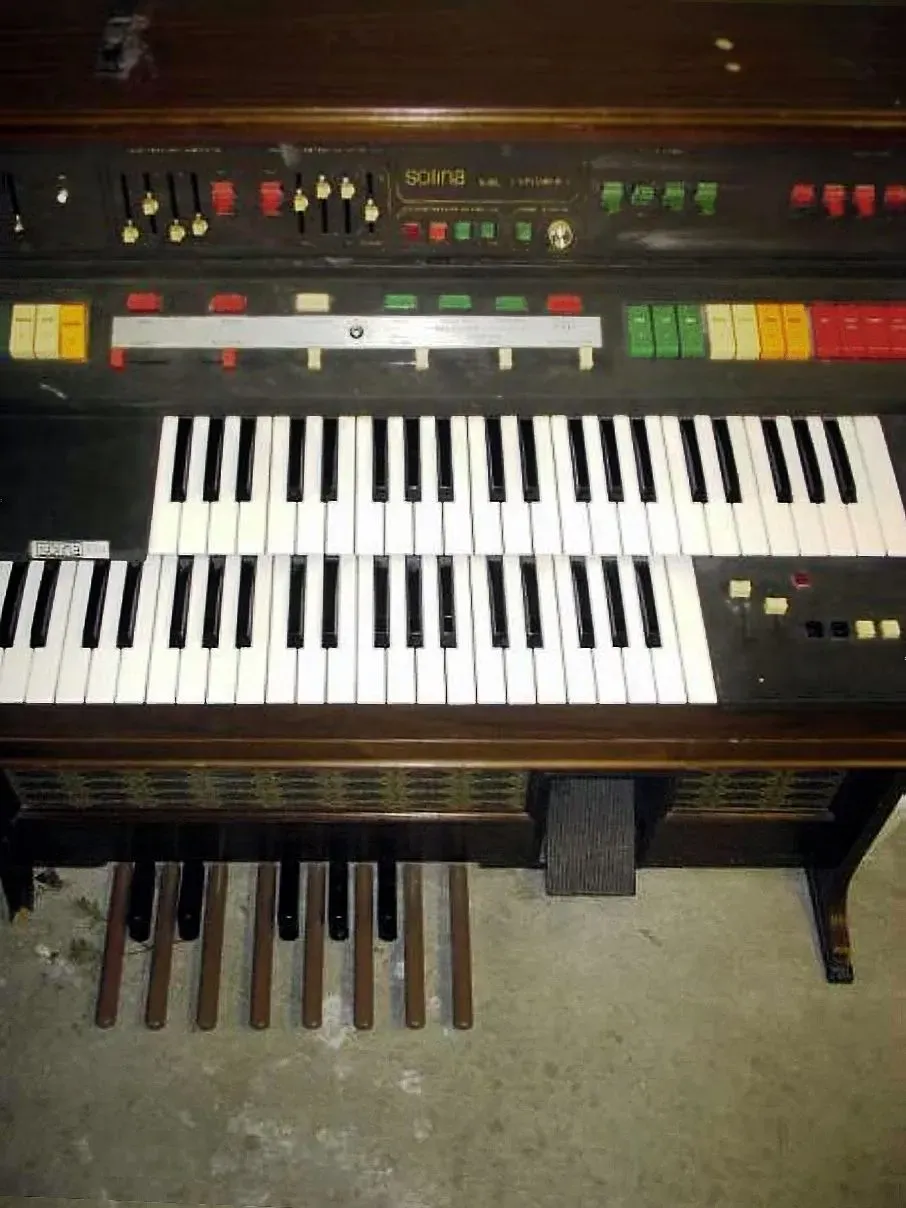
German composer Harold Faltermeyer wrote Axel F for the 1984 film Beverly Hills Cop. The track relies on a bright, bouncing synthesizer riff that is easy to recognize within a few notes. The soundtrack was a major success, and the theme was among its best known pieces.
The single reached number three on the Hot 100 in 1985. Its melody later returned in a 2005 dance version by Crazy Frog, which introduced it to a new generation.
Partner offer
Planning a trip to Vegas?
Compare hotel rates and show tickets on VEGAS.com.